What is biohacking?
Biohacking is defined as a systematic approach to optimizing body functions through the application of various health improvement methods based on scientific evidence. The modern biohacker uses monitoring technologies, nootropic supplements, breathing techniques, and innovative products like nasal strips that serve to improve sleep quality, among other things. Neurobiology and pharmacology provide theoretical foundations for biohacking practices, while cognitive psychology helps understand brain mechanisms. How can we summarize the essence of biohacking? Thanks to it, we can much better understand our body's needs and effectively respond to them! It allows us to achieve a level of energy and well-being that previously seemed unattainable.
History and development of the biohacking movement
The origins of biohacking date back to the 1980s, when Dave Asprey, considered a pioneer of modern biohacking, popularized the idea of systematic health optimization through combining traditional medicine wisdom with modern scientific discoveries. This movement evolved from simple self-monitoring techniques to advanced systems utilizing artificial intelligence, nutritional genomics, and personalized medicine.
The years 2000-2010 brought a real revolution - the first devices for monitoring sleep and activity became available to ordinary consumers. This decade was also characterized by the development of nootropic supplementation and the popularization of the "quantified self" concept. This movement inspired millions of people worldwide to systematically track their own health parameters. At the same time, knowledge about supplements and substances affecting cognitive functions was developing.
Main categories and techniques of biohacking
A systematic division of biohacking includes four main categories: nutritional nutrigenomics (regulation of nutrition and supplementation in the context of advanced genetic profile analysis, food intolerances, vitamin needs...), DIY biology of self-observation (ongoing monitoring of health biomarkers), grinder technology of implants, and lifestyle biohacking of daily habits (e.g., sleep or breathing optimization). Each of these elements requires an approach and the use of appropriate technological tools to achieve optimal results in the self-improvement process. For example - regular heart rate tracking, blood sugar level monitoring, or careful sleep quality monitoring provides valuable information about dynamic physiological changes in the body.
Modern biohacking devices enable continuous monitoring of the body's physiological parameters. Wearables, mobile apps, and home diagnostic kits allow for precise progress tracking and adjustment of optimization strategies to each biohacker's individual needs. Simple gadgets help analyze thousands of data points daily, providing specific guidelines for improving well-being.
Sleep optimization - the foundation of biohacking
Sleep is the absolute foundation of every effective biohacking strategy, affecting all key body systems - from brain function to tissue regeneration and immunity. Professional sleep optimization goes far beyond basic sleep hygiene, utilizing advanced monitoring technologies, appropriate supplementation, and innovative products designed to maximize sleep quality and regeneration.
Contemporary sleep science shows that during different sleep phases, critical processes occur such as memory consolidation, brain toxin clearance, hormone production, and cell repair. Deep sleep supports growth hormone release and tissue regeneration, while REM phase supports cognitive functions and emotional processing.
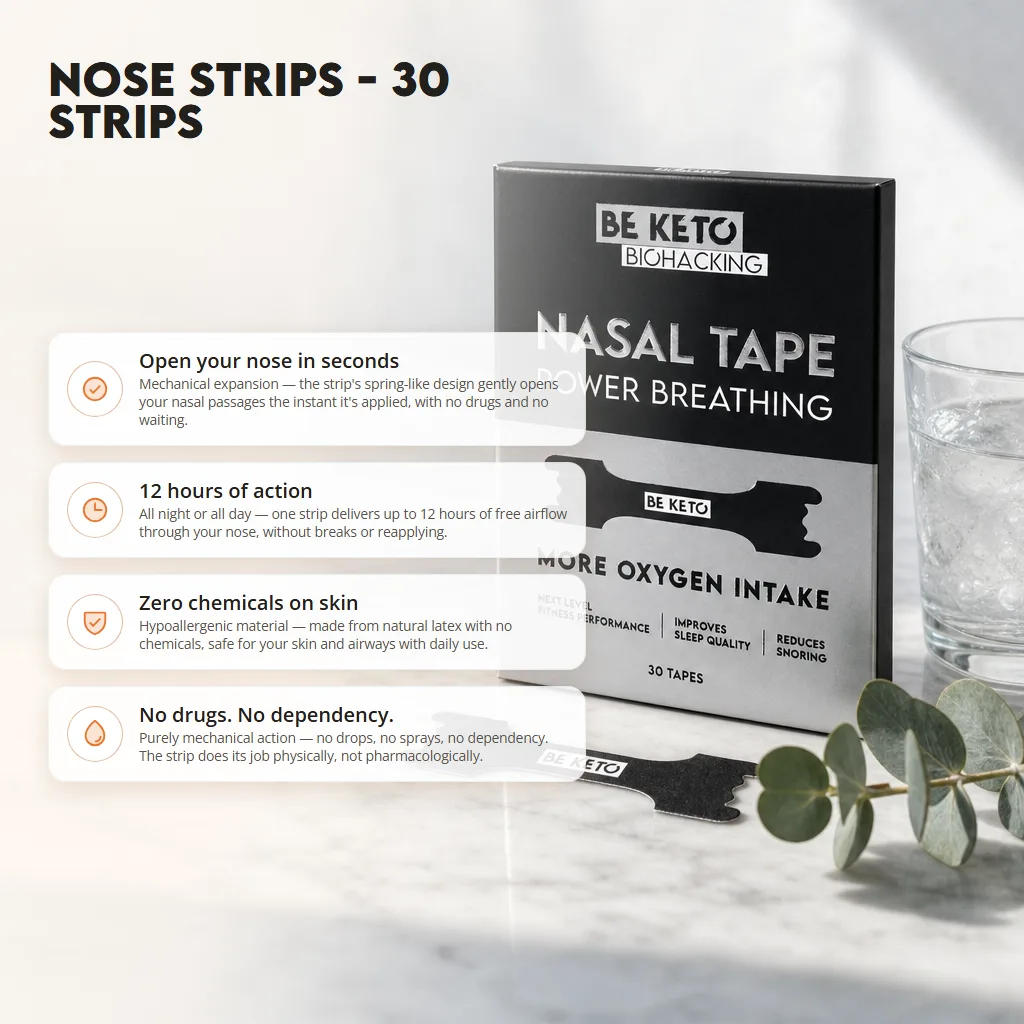
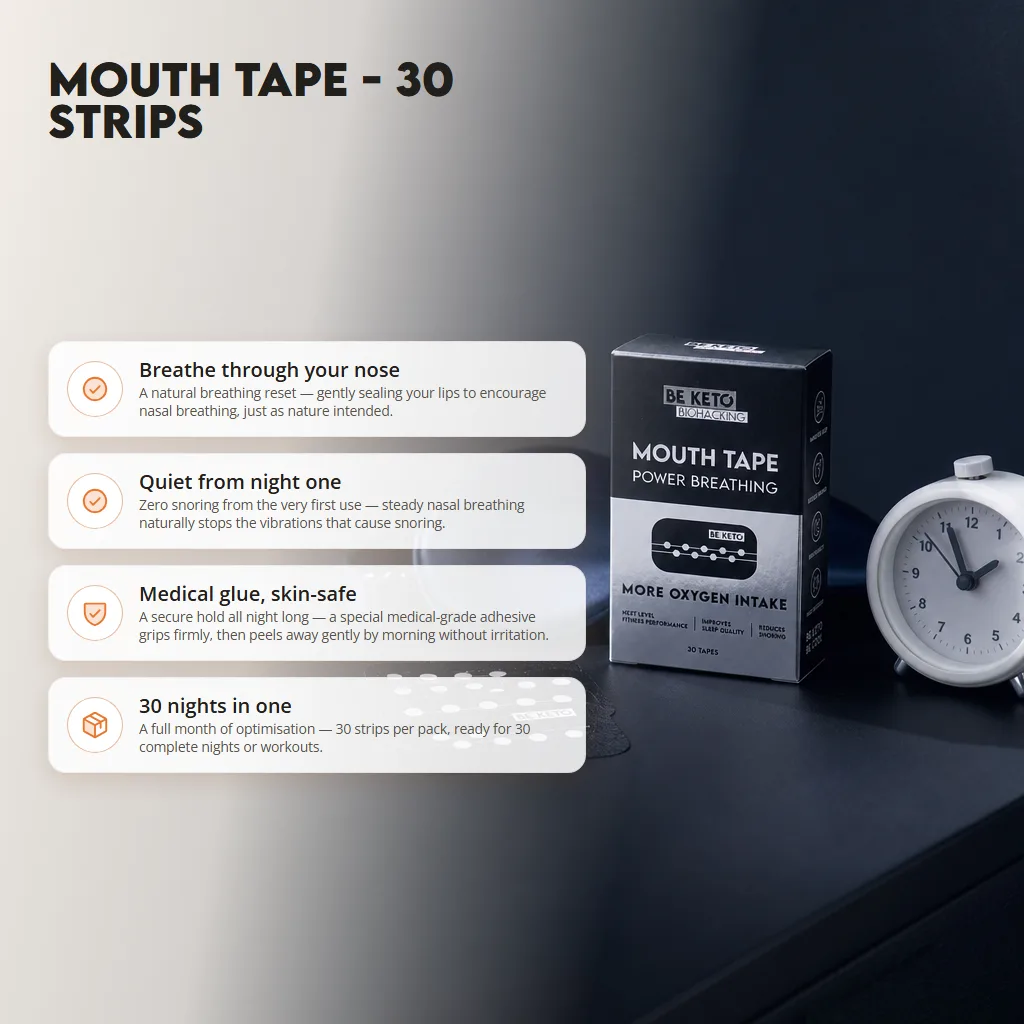
Revolutionary products like nasal strips and mouth tape transform nighttime breathing patterns, solving one of the most common but overlooked aspects of sleep optimization. Nasal breathing during sleep ensures optimal CO2 levels and proper oxygenation of all tissues. It is more effective for maintaining optimal blood pH.
Supplementation in biohacking
Supplements in biohacking aren't ordinary vitamins from the pharmacy, but thoughtful support for specific goals. Instead of taking everything blindly, it's worth first testing vitamin and mineral levels in blood to know exactly what we need. The key to success is proper dosing and timing. Concentration supplements work best in the morning, sleep ones - in the evening, and fat-soluble vitamins should be taken with meals. You don't need to immediately buy dozens of different products - it's better to start with basics like vitamin D, magnesium, or omega-3, then gradually add more depending on needs and effects.
Intelligent supplementation constitutes an advanced element of biohacking strategy, requiring awareness and knowledge of pharmacokinetics, interactions between active ingredients, and individual metabolic needs! The topic itself seems very complicated, but after understanding the basics, you can easily implement appropriate supplementation steps in life! It's also important to buy supplements from trusted companies that have quality certificates and transparent compositions - a good supplement is an investment in health, but only if we know why we're taking it and how to use it. Adaptogens and supplements supporting regeneration play a key role in optimizing cognitive functions and physical performance of the body!
How to start your biohacking journey?
The best way to start biohacking is to begin with small, simple steps that give visible results. You don't need to immediately buy expensive devices or drastically change your entire lifestyle. It's enough to start with one thing - for example, regularly tracking sleep quality and using mouth tape or nasal strips, or introducing a needed supplement - vitamin D or adaptogenic substances like functional mushrooms.
The key is constantly documenting changes and observing what actually works well for your body. You can keep a simple journal where you record energy level, sleep quality, and mood on a scale from 1 to 10. After a few weeks, you'll see your own patterns and be able to determine which changes bring you the most benefits.
Remember that biohacking is a marathon, not a sprint. It's better to introduce one change every 2-3 weeks and give your body time to adapt, than to do everything at once and get discouraged. Start with basics: better sleep, regular meals, more movement, and proper hydration. These are the foundations on which you can then build more advanced techniques.

 United KingdomCurrent regionDelivery within the United KingdomCurrency: Pound Sterling (£)
 GermanyDelivery within Germany and AustriaCurrency: Euro (€)
 FranceDelivery within France and BelgiumCurrency: Euro (€)
 ItalyDelivery within ItalyCurrency: Euro (€)
 PolandDelivery within Poland and EuropeCurrency: Zloty (PLN)
 Czech RepublicDelivery within the Czech Republic and SlovakiaCurrency: Czech Koruna (Kč)
 SpainDelivery within SpainCurrency: Euro (€)