OFFICIAL STORE IN THE UNITED KINGDOM


Functional Mushrooms
Functional mushrooms, also known as vitality mushrooms, are the true essence of natural supplementation. It is 100% the power of a pure extract derived from powdered mushrooms that effectively support immunity, increase the body’s endurance and provide natural energy. These remarkable mushrooms, such as Reishi, Lion’s Mane, Cordyceps and Chaga, are full of bioactive compounds such as polysaccharides, triterpenes and antioxidants that support the body on many levels, offering comprehensive health support. Thanks to these unique ingredients, functional mushrooms help fight free radicals, improve regeneration, boost immunity and increase performance – a true power of nature that works for your body and mind!
-
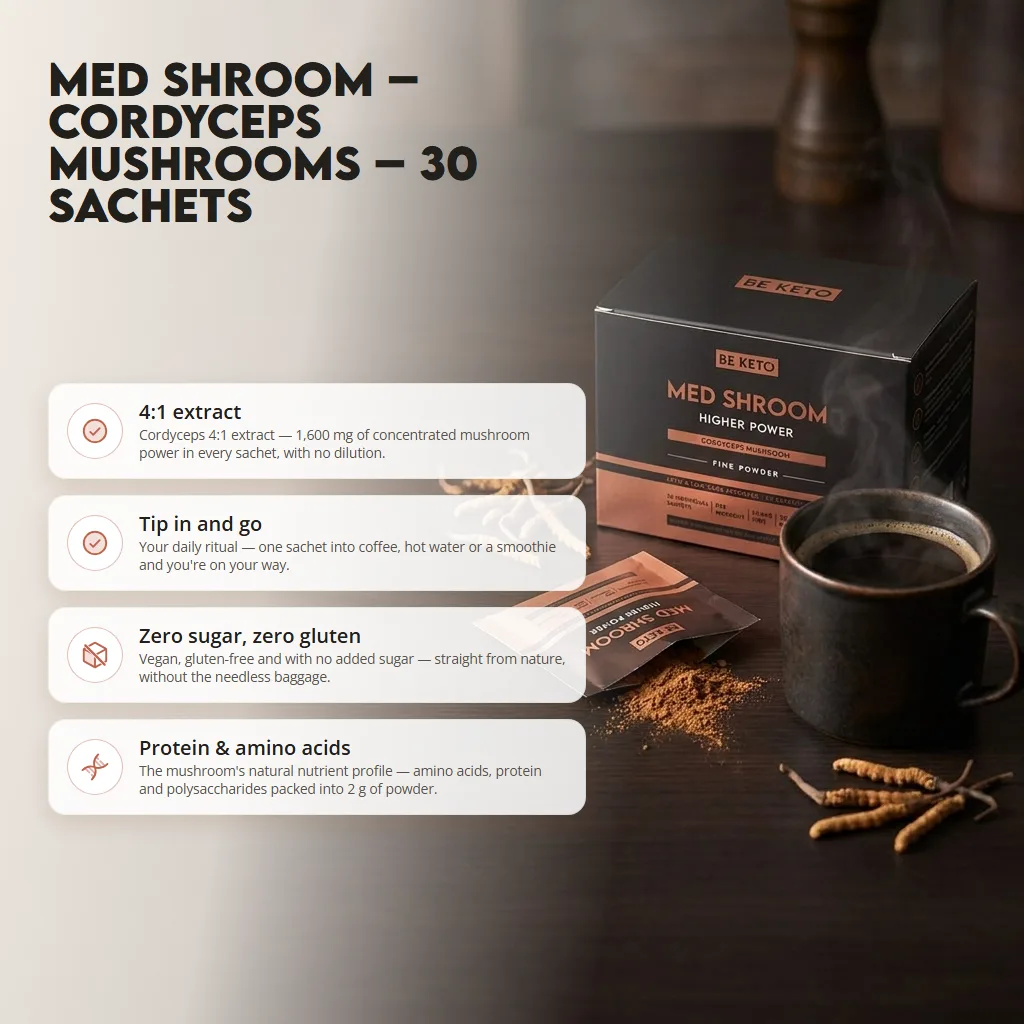
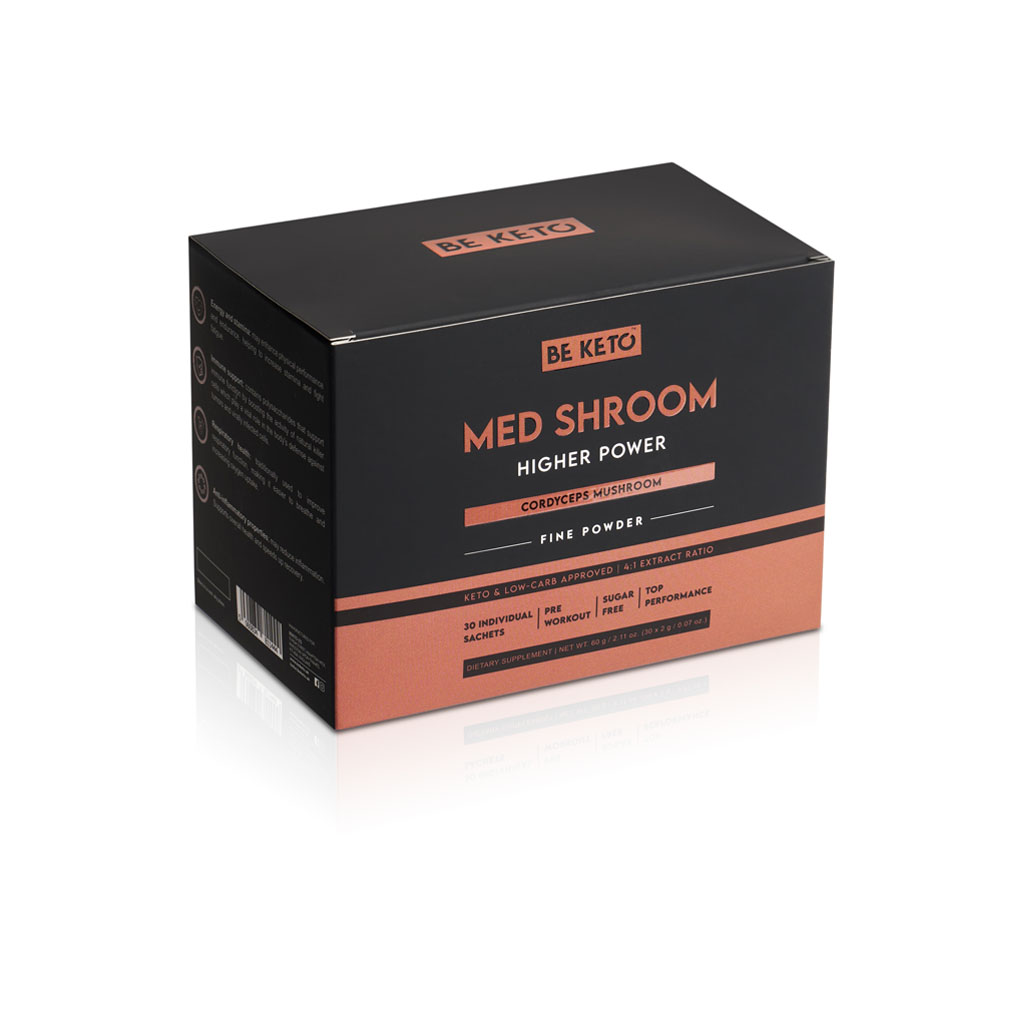
Med Shroom – Cordyceps Mushrooms – 30 sachets
£ 21.90 GBP✔ Stimulates metabolism and supports detoxification of the body
✔ Supports the immune and respiratory systems
✔ Regulates cholesterol and glucose levels in the blood
✔ Provides a boost of energy and vitality
✔ Contains a wide range of biologically active substances
✔ Vegan, gluten-free, no added sugar
-
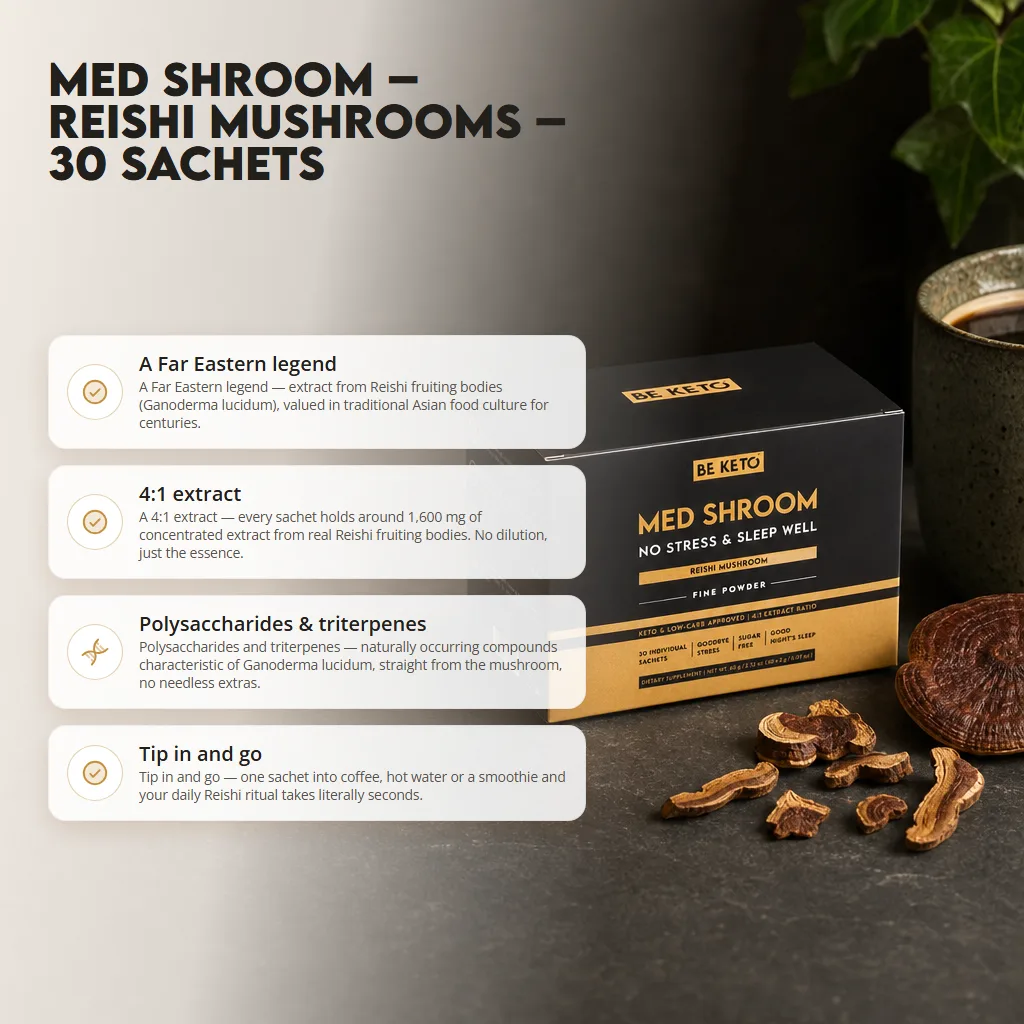
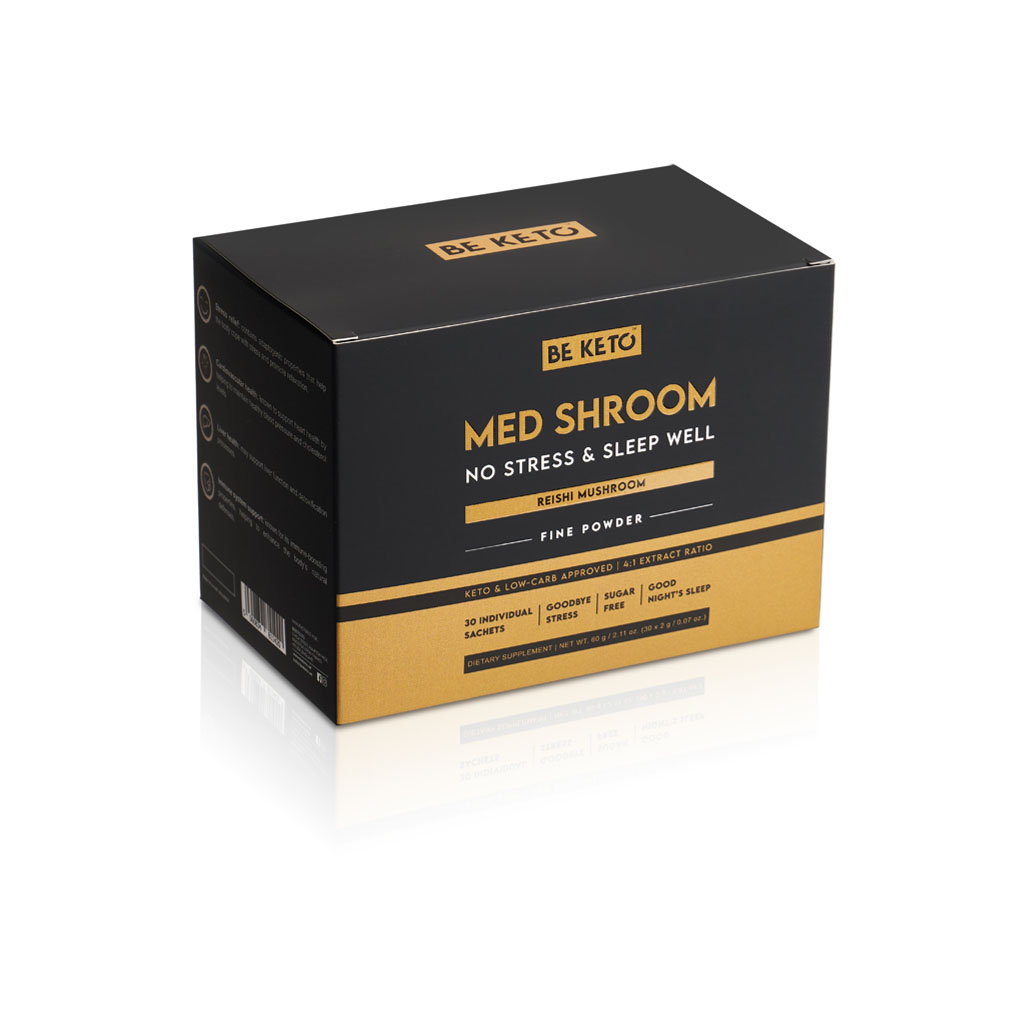
Med Shroom – Reishi Mushrooms – 30 sachets
£ 21.90 GBP✔ Strengthens the immune system
✔ Has adaptogenic properties, reducing stress
✔ Supports heart and liver health
✔ Regulates cholesterol and glucose levels in the blood
✔ Has antibacterial, antiviral and antioxidant properties
✔ Vegan, gluten-free, no added sugar
-
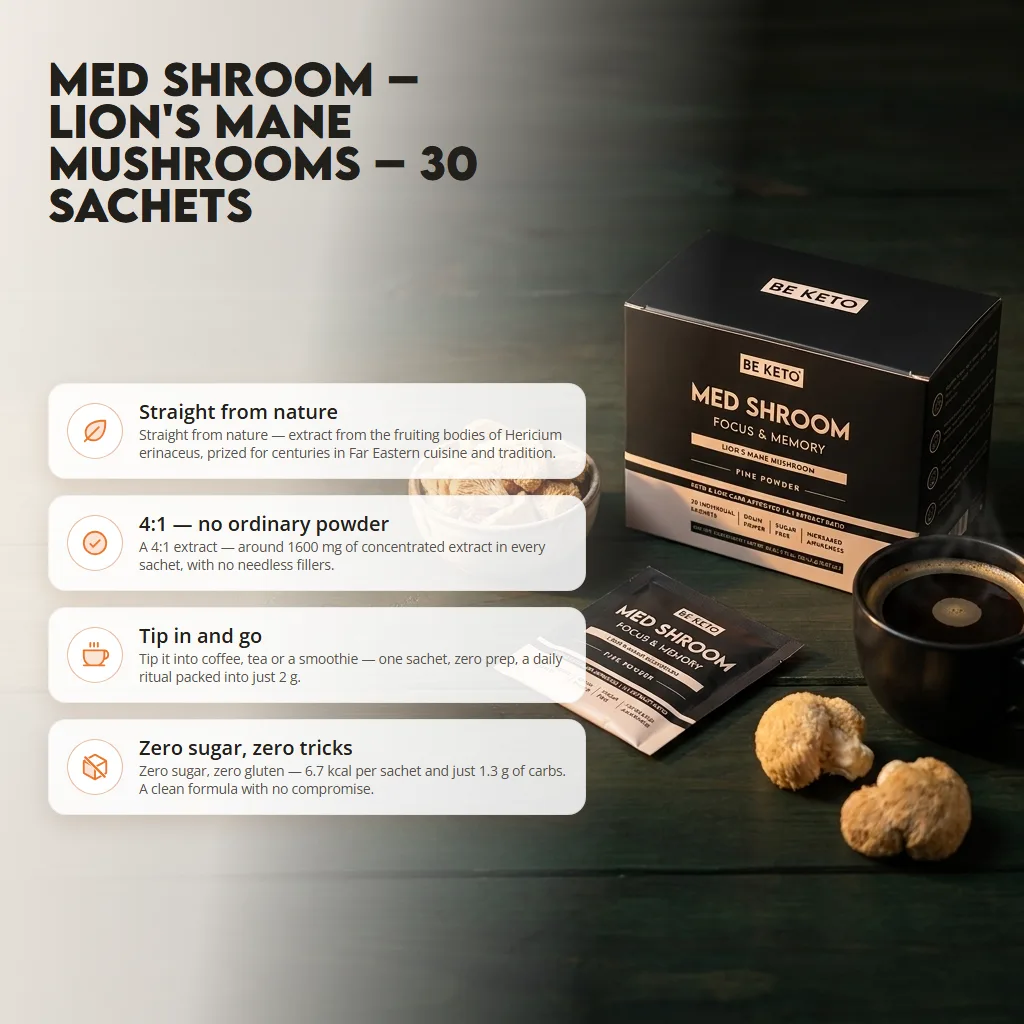
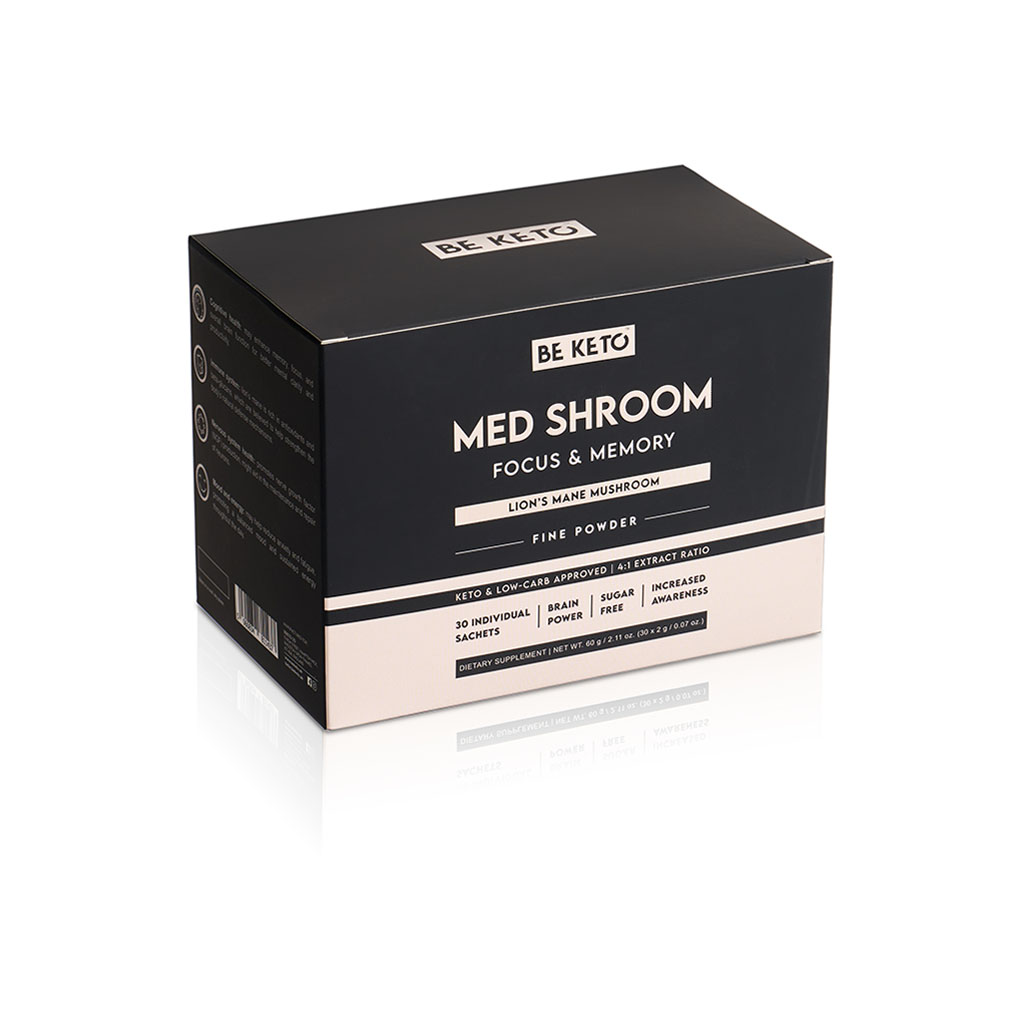 Supports Memory and Concentration
Med Shroom – Lion’s Mane Mushrooms – 30 sachets
£ 21.90 GBP✔ Supports the nervous system and cognitive functions of the brain
✔ Improves mood
✔ Regulates cholesterol and blood glucose levels
✔ Exhibits anti-inflammatory and antimicrobial effects
✔ Exhibits antioxidant effects
✔ Vegan, gluten-free, no added sugar
-
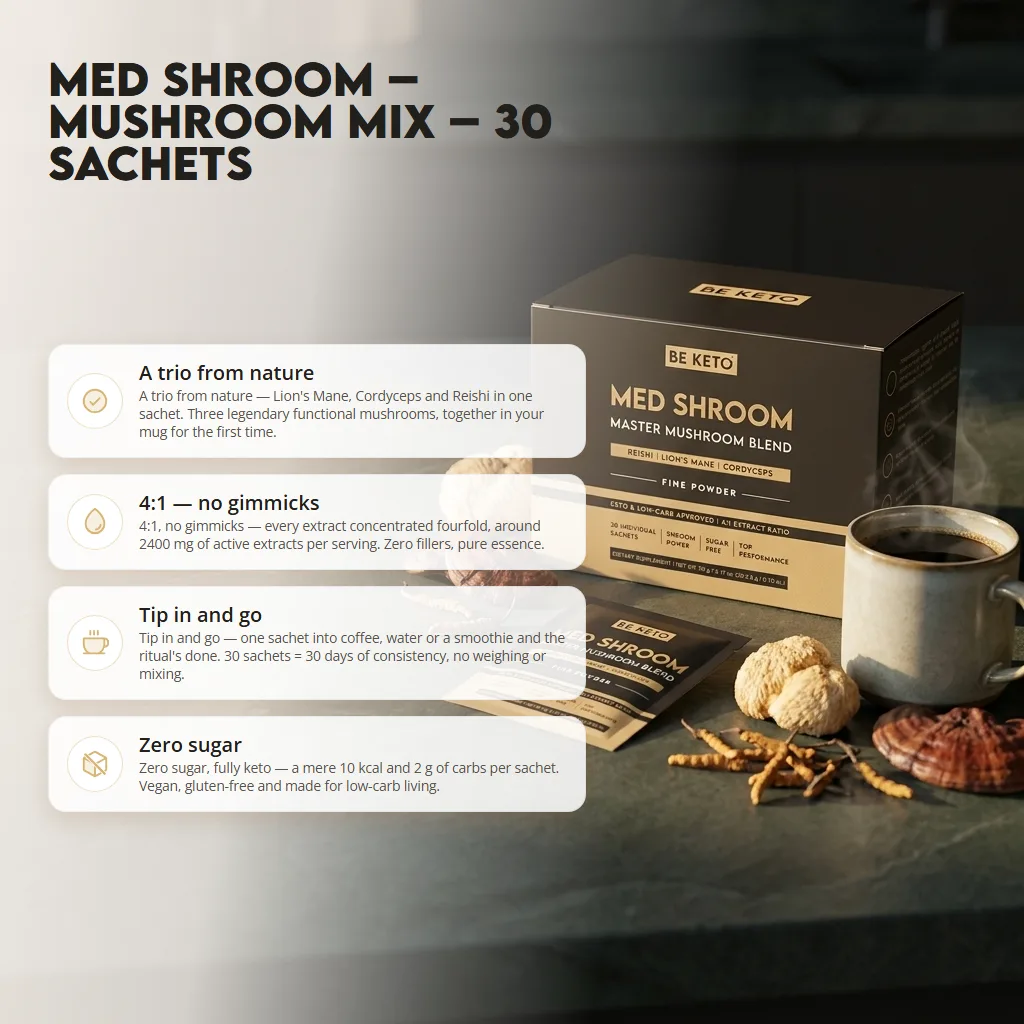
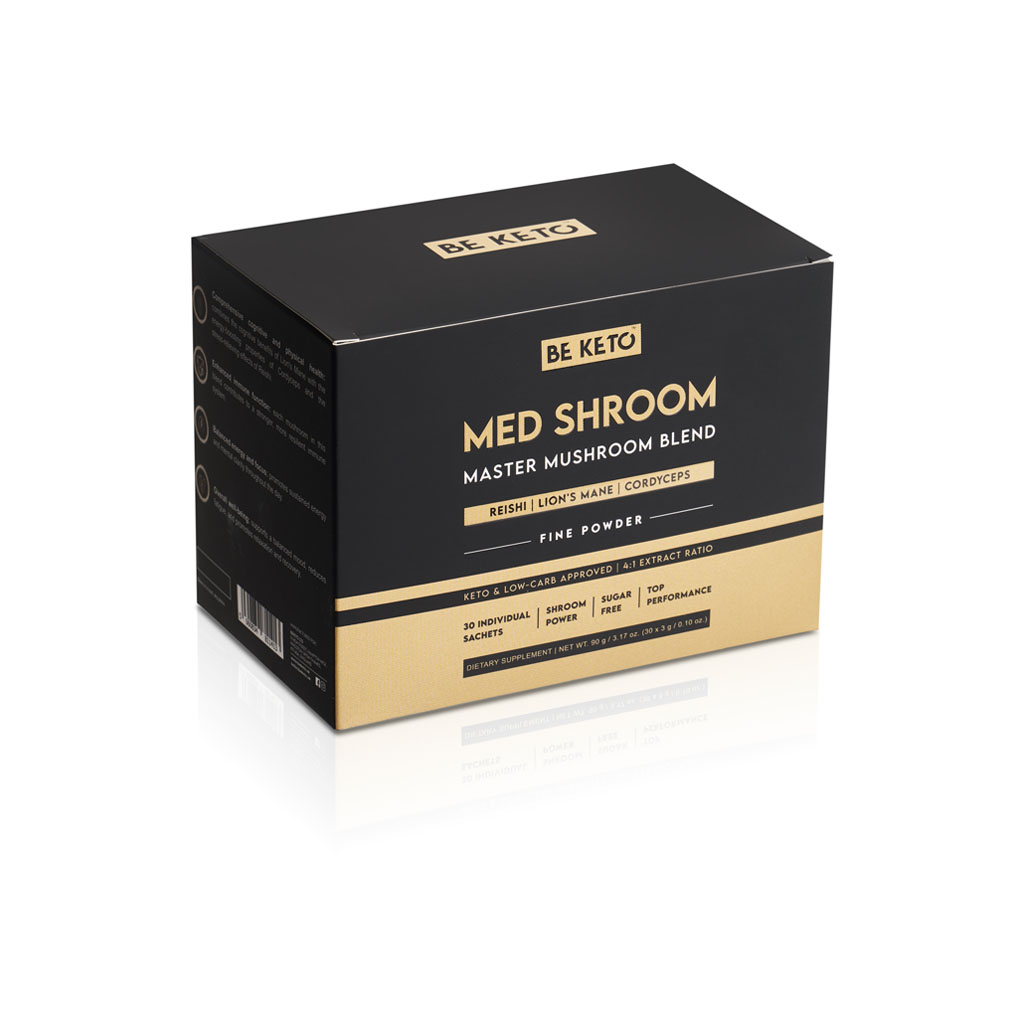
Med Shroom – Mixed Mushrooms – 30 sachets
£ 21.90 GBP✔ Reduces stress
✔ Supports concentration, increases energy and performance
✔ Cares for general health and well-being
✔ Enhances immunity - strengthens the body's natural defences
✔ Antioxidant effect
✔ Accelerates recovery, reduces fatigue and has a positive effect on mood
-
 Strengthens Immunity and Internal Balance
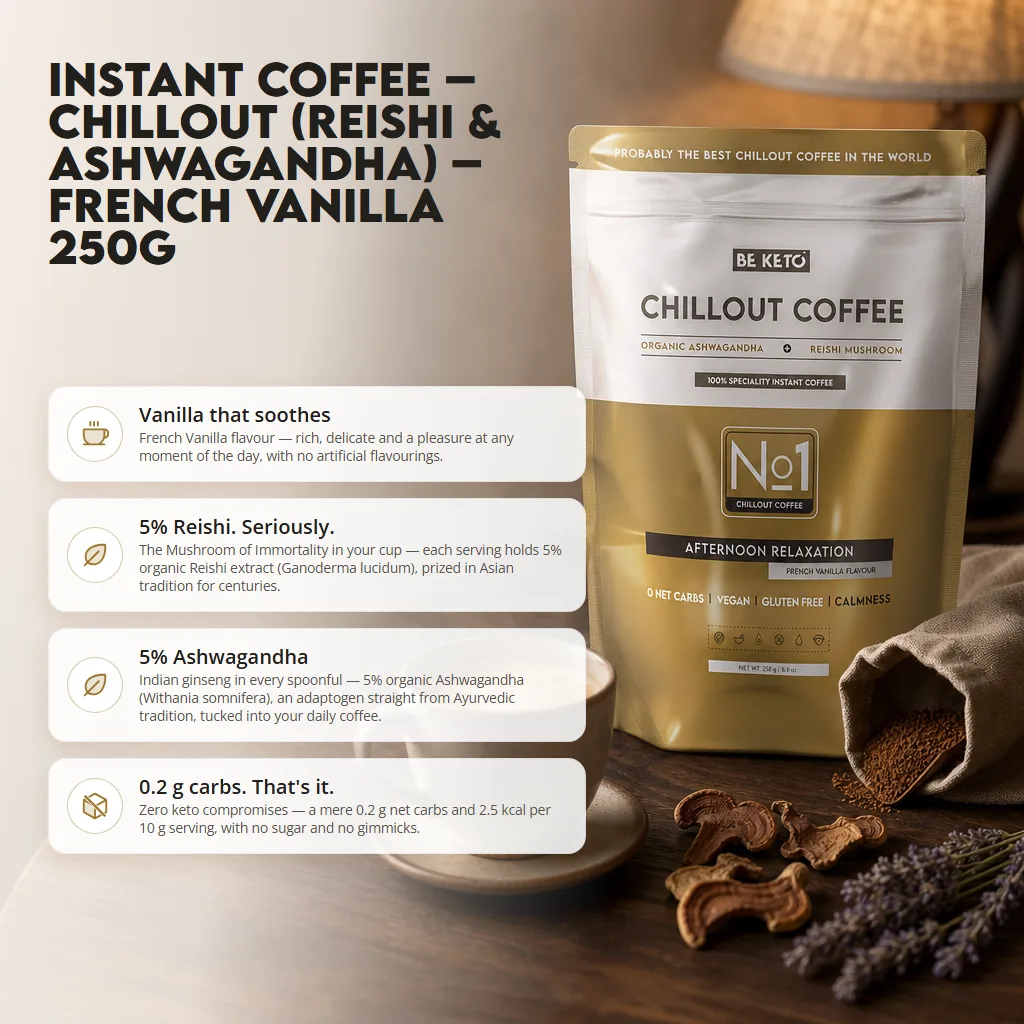
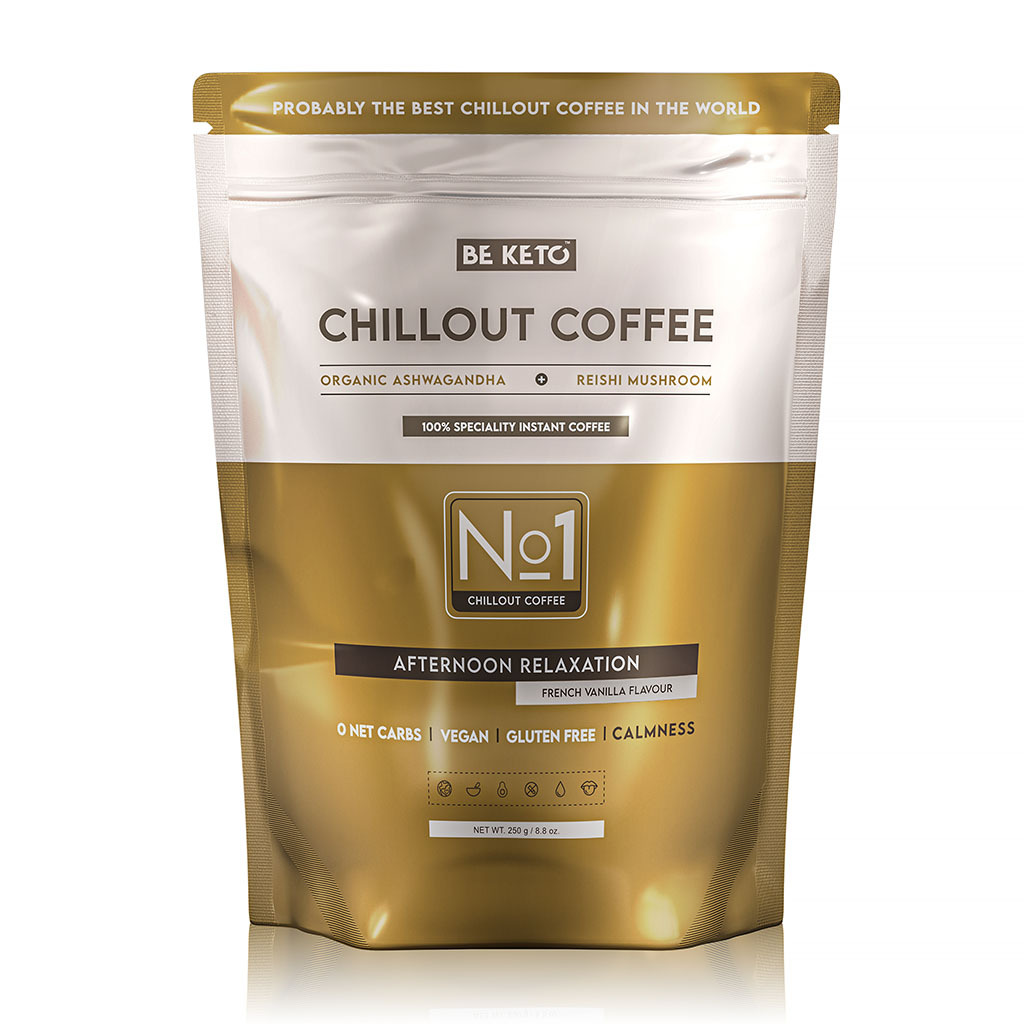
Instant Coffee – Chillout (Reishi & Ashwagandha) – French Vanilla 250g
£ 16.90 GBP✔ Relieves stress and improves sleep quality
✔ Promotes heart health and well-being
✔ Strengthens immunity and regulates metabolism
✔ Ideal as a replacement for your traditional coffee
-
Out of stock
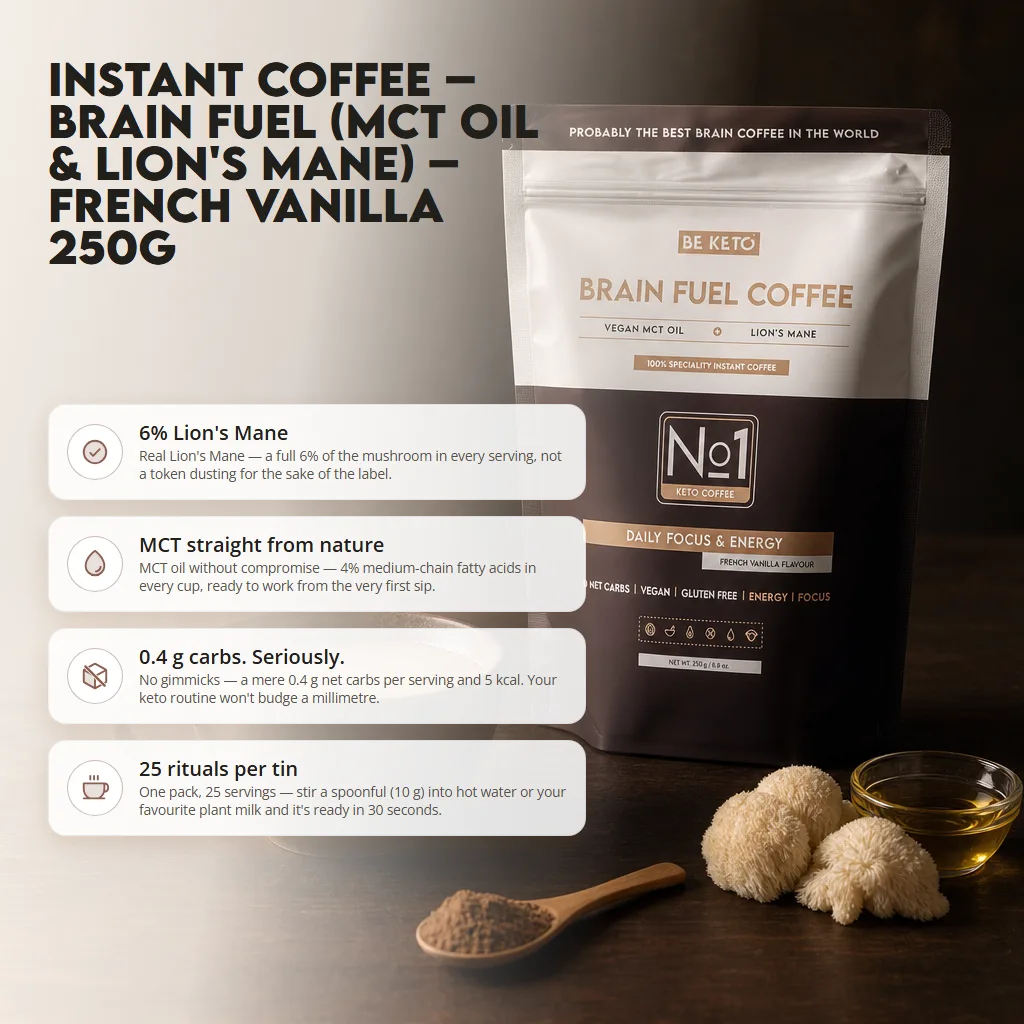
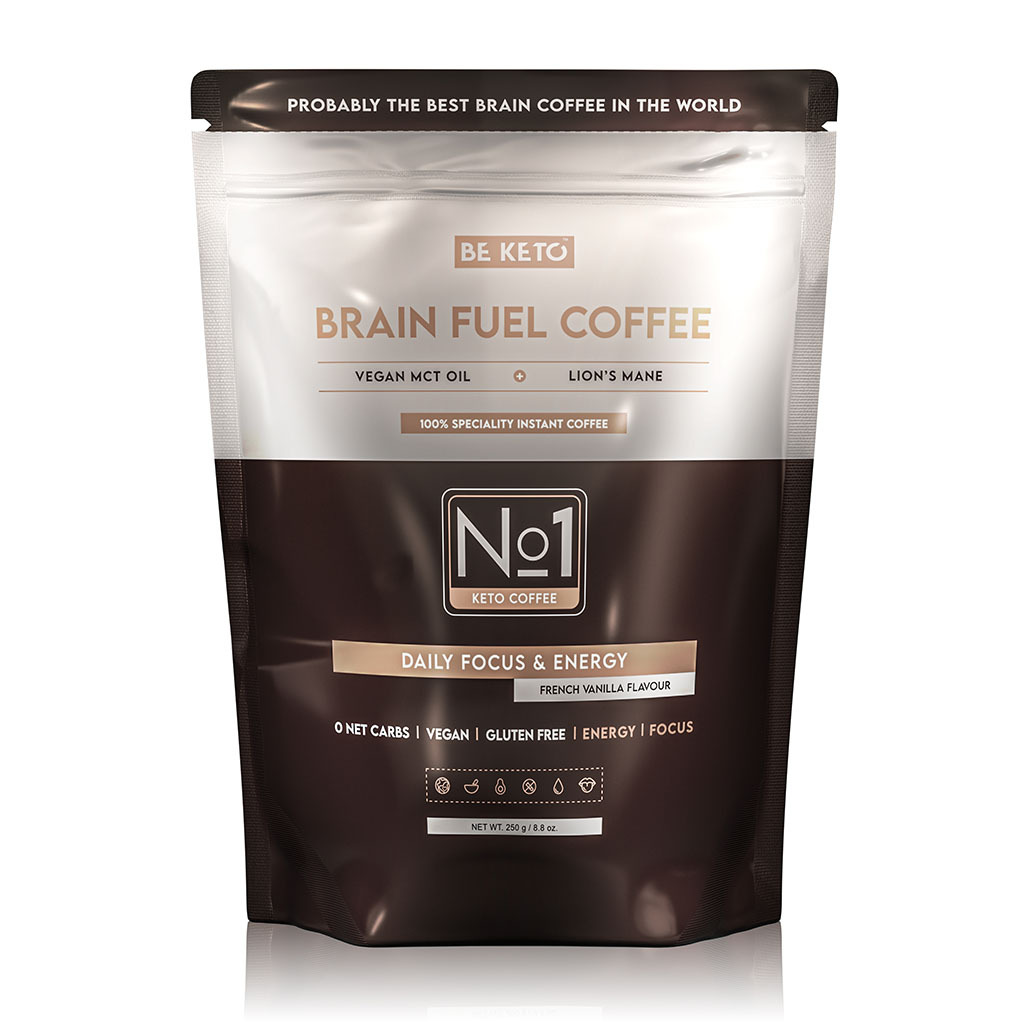 Improves Concentration and Supports MemoryBESTSELLER
Instant Coffee – Brain Fuel (MCT Oil & Lion’s Mane) – French Vanilla 250g
£ 16.90 GBP✔ Promotes nerve cell regeneration and health
✔ Strengthens the immune system and metabolism
✔ Improves concentration and supports memory
✔ Ideal as a replacement for your traditional coffee
-
Out of stock
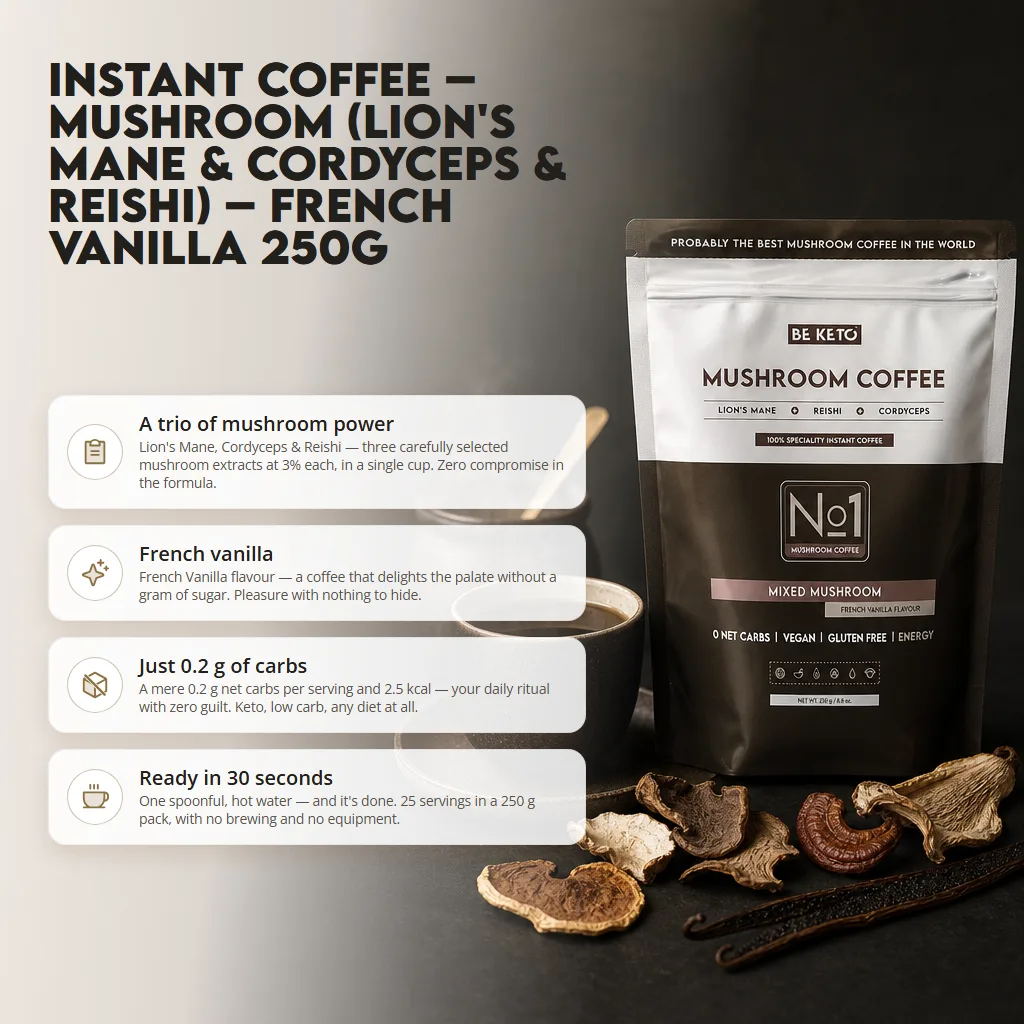
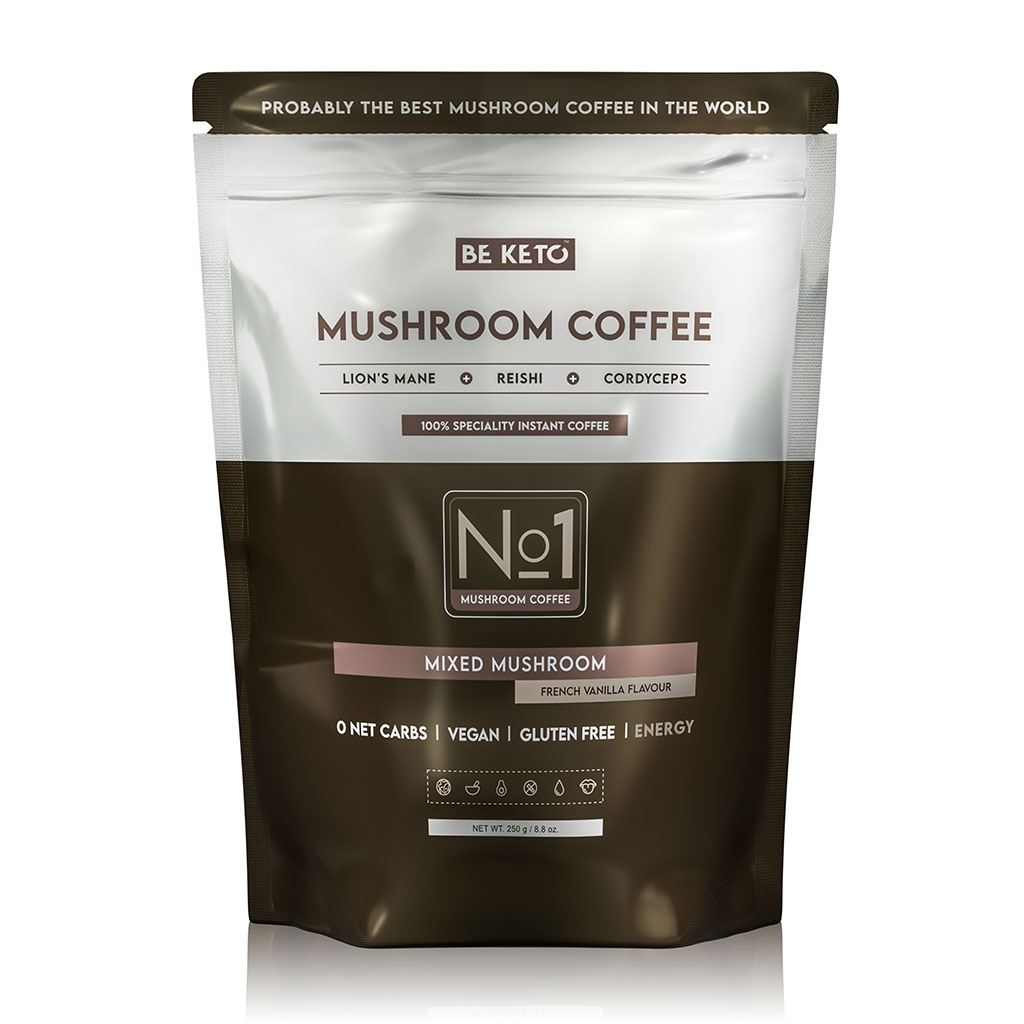 Supports Cognitive Function and Concentration
Instant Coffee – Mushroom (Lion’s Mane & Cordyceps & Reishi) – French Vanilla 250g
£ 16.90 GBP✔ Improves cognitive function, supporting brain health and concentration
✔ Calms the body while boosting energy
✔ Strengthens immunity and reduces stress
✔ Ideal as a replacement for your traditional coffee
What Are Functional Mushrooms?
Functional mushrooms are unique species of mushrooms that provide the body with numerous bioactive compounds, offering a wide range of health benefits. Their composition includes various substances that work on different physiological levels, supporting the immune, metabolic, and adaptive functions of the body. These compounds include:
- Polysaccharides – These complex carbohydrates are among the most important components of functional mushrooms, with beta-glucans being the key contributors. They exhibit potent immunomodulating properties by activating immune cells such as macrophages, neutrophils, and T-lymphocytes. As a result, they enhance the body’s ability to combat infections and provide protection against cancer.
- Triterpenes – These compounds possess anti-inflammatory, antioxidant, and anticancer properties. They help combat chronic inflammation that can lead to advanced tissue damage. Triterpenes also protect cells from oxidative stress by neutralizing free radicals.
- Sterols – These play a structural role in the cells of mushrooms (including functional mushrooms), but in humans, they support cardiovascular health. Ergosterol, a sterol naturally found in medicinal mushrooms, converts into vitamin D2 in the body under UV exposure. Vitamin D contributes to bone health, regulates calcium metabolism, and boosts immune functions.
- Antioxidants – Functional mushrooms are rich in various antioxidants that protect the body from oxidative stress. These antioxidants neutralize free radicals that can cause cellular damage, contributing to aging and chronic diseases. Vital mushrooms, therefore, promote cellular health and tissue regeneration.
Medicinal mushrooms also exhibit adaptogenic properties, helping the body cope with physical and mental stress by regulating the hypothalamic-pituitary-adrenal axis. They normalize the function of various systems, improving overall physiology and enhancing well-being.
What Are the Benefits of Functional Mushrooms?
Functional mushrooms are a natural way to support your health and vitality. Thanks to their unique composition of bioactive compounds, they have a multidimensional effect on the body. Why should you consider supplementing with them?
- Stronger Immune System
With beta-glucans and triterpenes, functional mushrooms activate key immune cells such as macrophages and T-lymphocytes. As a result, the body fights infections more effectively and protects itself against cancer – a true ally for your immunity every day. - Better Brain and Nervous System Health
Want sharper focus, better memory, and faster learning? Try Lion’s Mane. This mushroom stimulates neuron regeneration, enhances concentration, and protects the brain – the perfect choice in today’s fast-paced, information-heavy world. - Natural Energy and Endurance
Dreaming of more energy and better performance? Cordyceps boosts ATP production in mitochondria, helping you reach peak physical capabilities. It’s an indispensable support for athletes and anyone looking for more daily energy. - Hormonal Balance and Stress Reduction
Struggling with chronic stress? Mushrooms like Reishi help lower cortisol levels, promote hormonal balance, and calm the nervous system. This makes it easier to handle daily challenges and improves sleep quality. - Cellular Health and Regeneration
Functional mushrooms are rich in antioxidants that neutralize free radicals, protecting cells from oxidative stress. This accelerates tissue regeneration, keeping your body youthful and vital for longer.
Do Functional Mushrooms Have Side Effects?
Functional mushrooms are a safe choice for most people, but like any natural supplement, they can come with some side effects, especially when used in excessive doses or in individuals with specific health needs.
- Potential Allergic Reactions
As with any natural product, mushrooms may cause allergic reactions in sensitive individuals. Start with small doses and monitor your body’s response. - Digestive Discomfort
Some people may experience bloating or stomach discomfort due to the high fiber and polysaccharide content in mushrooms. If these symptoms occur, reduce the dosage and gradually increase it as your body adapts. - Interactions with Medications
If you’re taking medications for hypertension, blood thinning, or immunosuppression, consult your doctor before supplementing. Mushrooms like Reishi may influence their effectiveness, either enhancing or reducing therapeutic effects. - Safety During Pregnancy and Breastfeeding
There’s insufficient research on the use of functional mushrooms during pregnancy and breastfeeding, so it’s better to consult a healthcare provider during these periods.
Functional mushrooms are an exceptional way to support your health. By using them appropriately, you can enjoy maximum benefits and feel better every day.
Which Functional Mushrooms Should You Supplement?
Almost any! However, in Eastern medicine, as well as traditional Japanese and Tibetan practices, medicinal mushrooms like Lion's Mane, Cordyceps, and Reishi have been revered and used for thousands of years. Research confirms their significant positive effects on health by modulating key biochemical processes in the body:
- Lion’s Mane (also known as Hericium erinaceus, Yamabushitake, or Hou Tou Gu) stimulates the regeneration of the nervous system by promoting the synthesis of nerve growth factor (NGF). This enhances neuroplasticity and protects neurons from oxidative stress, supporting brain health and cognitive function.
- Cordyceps (known as Cordyceps sinensis or yarchagumba) boosts ATP production in mitochondria, leading to increased physical endurance, improved stamina, and faster muscle recovery after exercise. It also supports oxygen metabolism and efficient oxygen transport in the body.
- Reishi (Ganoderma lucidum, often referred to as the "mushroom of immortality") is renowned for its powerful immunomodulating properties. Thanks to its triterpenes and polysaccharides, it enhances immune functions, reduces stress levels, and regulates the nervous system. Reishi also balances hormones, reduces inflammation, and helps the body combat chronic stress, improving overall resilience.
How Do Functional Mushrooms Support Health?
On a biochemical level, functional mushrooms promote hormonal balance, reduce cortisol levels (the stress hormone), improve cellular metabolism, and protect cells from oxidative stress. With compounds like triterpenes, they exhibit anti-inflammatory properties and protect tissues from damage. Moreover, their impact on ATP production in mitochondria increases cellular energy, improving physical performance and accelerating recovery after exertion. Functional mushrooms also have neuroprotective effects, supporting the regeneration of the nervous system and enhancing cognitive functions. This is due to their ability to influence nerve growth factors and reduce oxidative stress in the brain. With these versatile properties, functional mushrooms offer a broad spectrum of benefits, supporting health at the cellular, hormonal, and metabolic levels.
Over 26500+ excellent reviews
BeKeto is known for outstanding service and the highest product quality. This can be experienced by #BeKetonians in 29 countries!
Every day, we send out hundreds of parcels and receive fantastic reviews from you. Thank you!
Every day, we send out hundreds of parcels and receive fantastic reviews from you. Thank you!