
OFFICIAL STORE IN THE UNITED KINGDOM



Keto Supplements
Keto supplements are dietary supplements judged by what one serving adds to a ketogenic diet in carbohydrate, not only by what it delivers in nutrients. A 5 g serving of creatine monohydrate carries 0 g of carbohydrate, 20 g of keto whey isolate with MCT carries 1 g and a serving of exogenous ketone powder 2.7 g. The range covers electrolytes, exogenous ketone salts, protein and collagen blends, vitamins and mushroom extracts, sold as powders, capsules, drops and sachets.
-

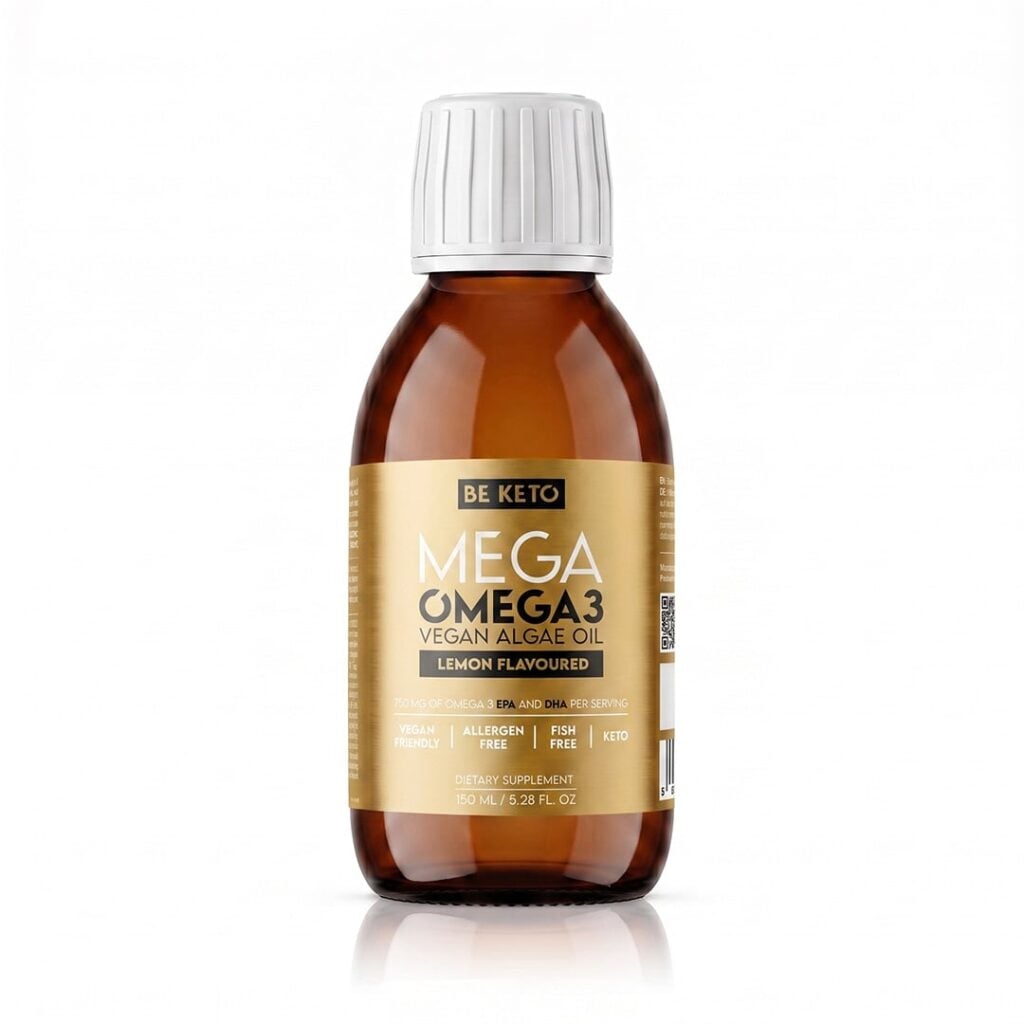 750 mg Omega-3 per serving
MEGA Omega 3 Vegan – Algae Oil Lemon 150ml
£ 25.90 GBP✔ MCT oil base, not sunflower
✔ Fish free and allergen free
✔ Vegan and keto friendly
✔ Dark glass bottle with dual antioxidant
-
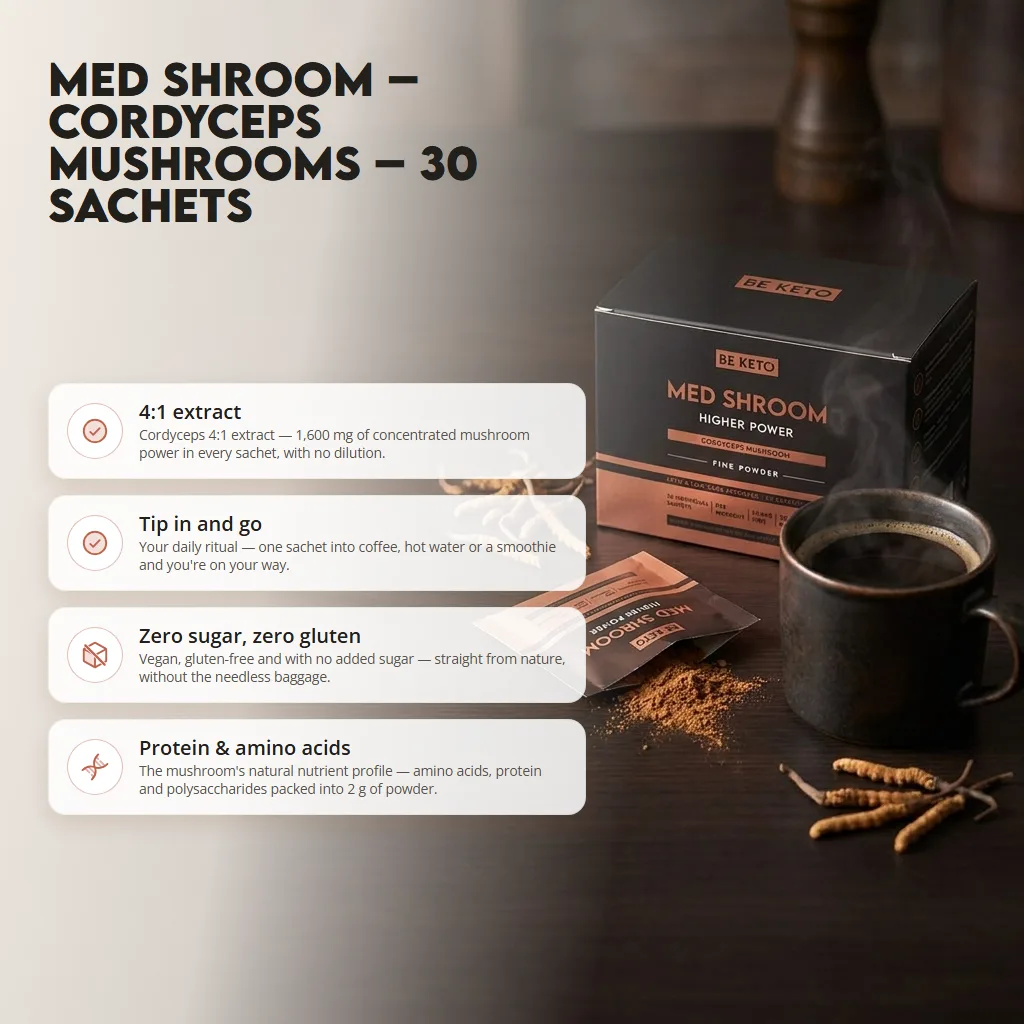
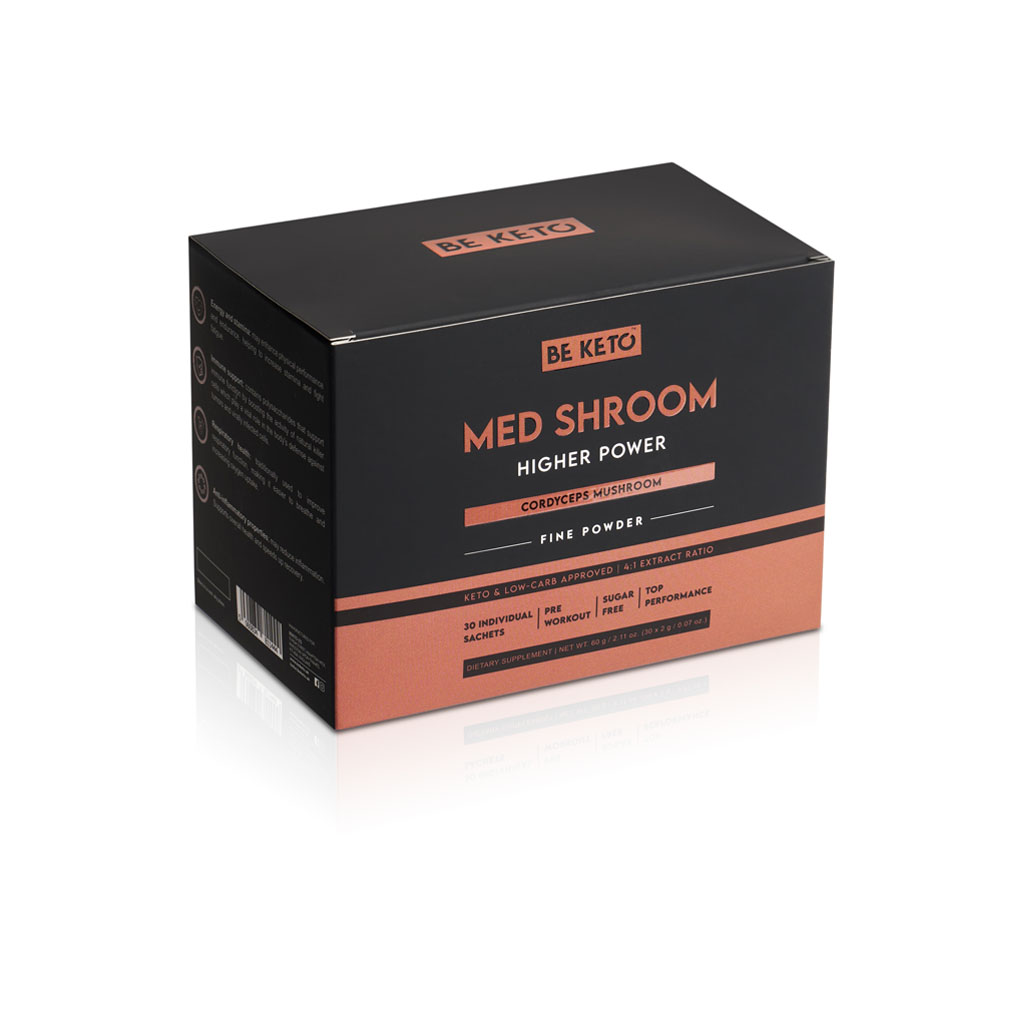
Med Shroom – Cordyceps Mushrooms – 30 sachets
£ 21.90 GBP✔ Stimulates metabolism and supports detoxification of the body
✔ Supports the immune and respiratory systems
✔ Regulates cholesterol and glucose levels in the blood
✔ Provides a boost of energy and vitality
✔ Contains a wide range of biologically active substances
✔ Vegan, gluten-free, no added sugar
-
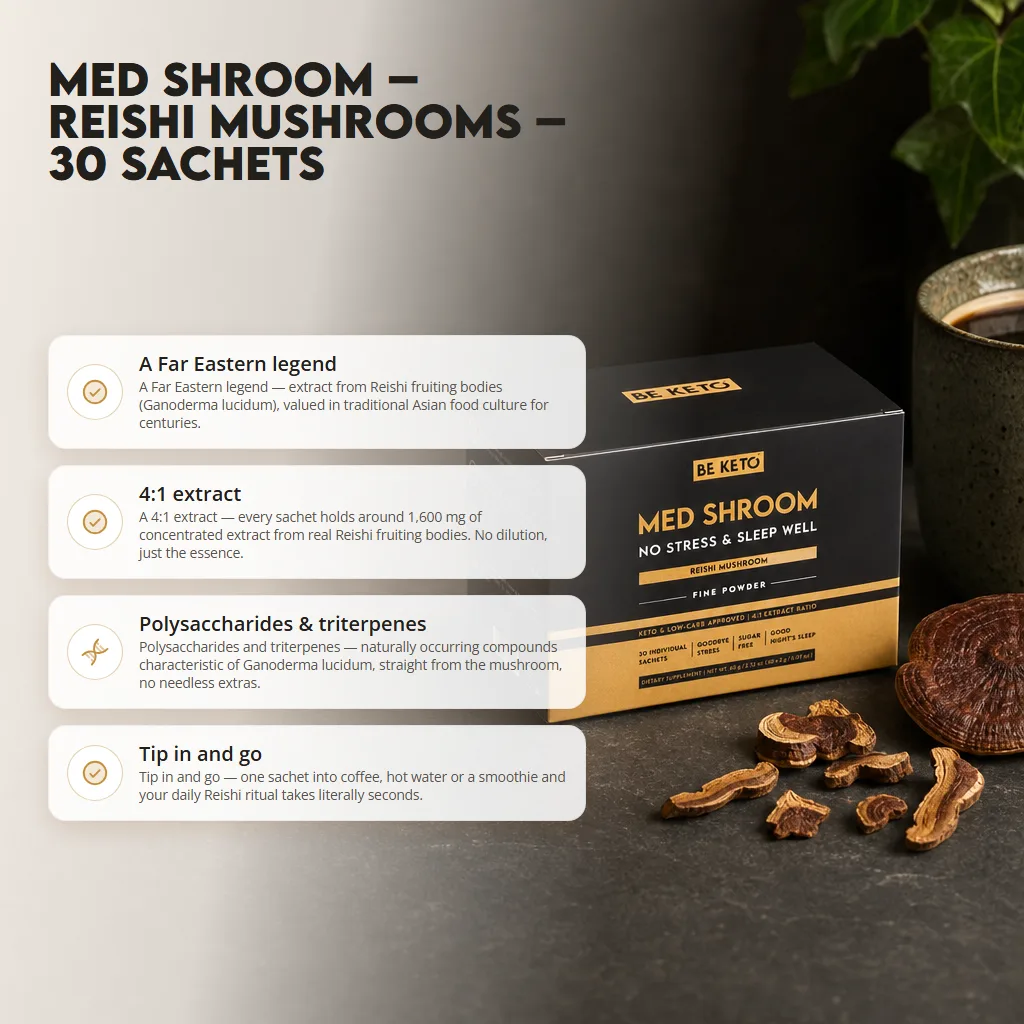
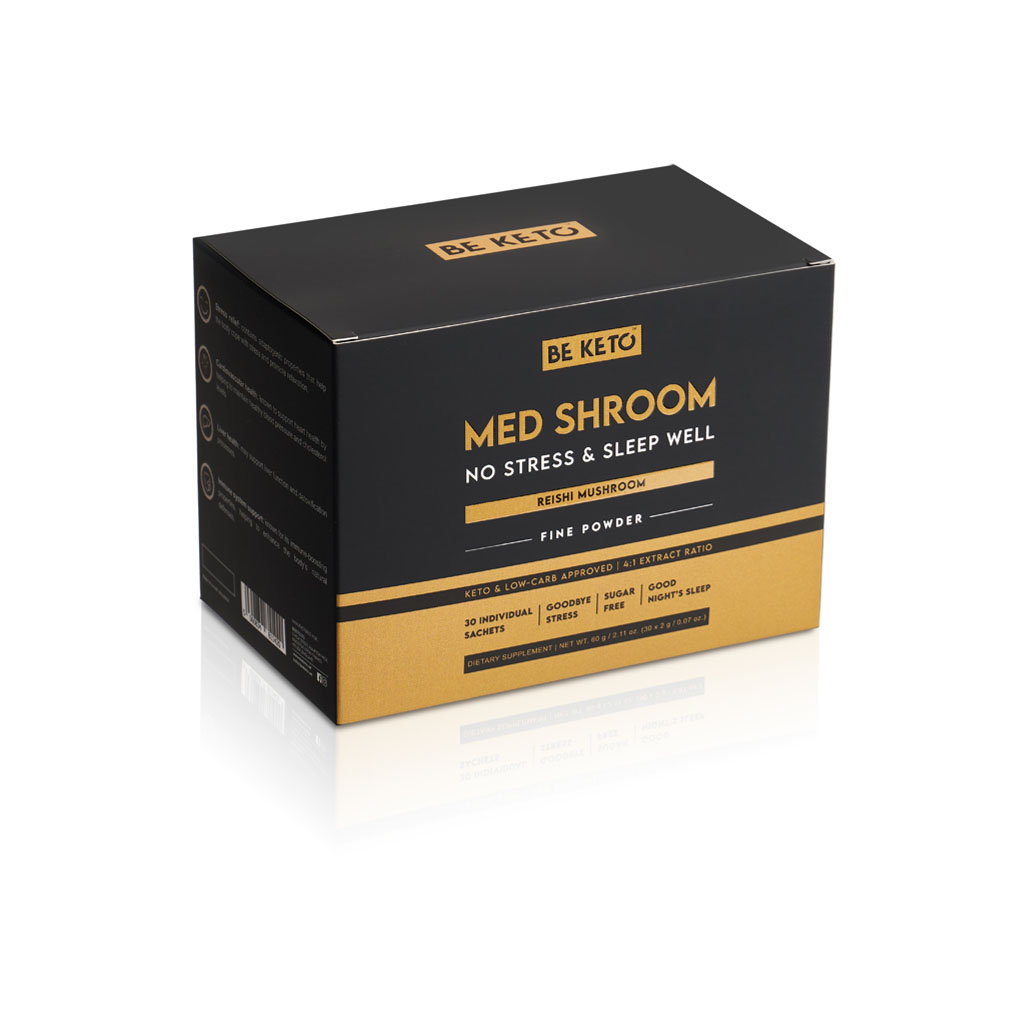
Med Shroom – Reishi Mushrooms – 30 sachets
£ 21.90 GBP✔ Strengthens the immune system
✔ Has adaptogenic properties, reducing stress
✔ Supports heart and liver health
✔ Regulates cholesterol and glucose levels in the blood
✔ Has antibacterial, antiviral and antioxidant properties
✔ Vegan, gluten-free, no added sugar
-
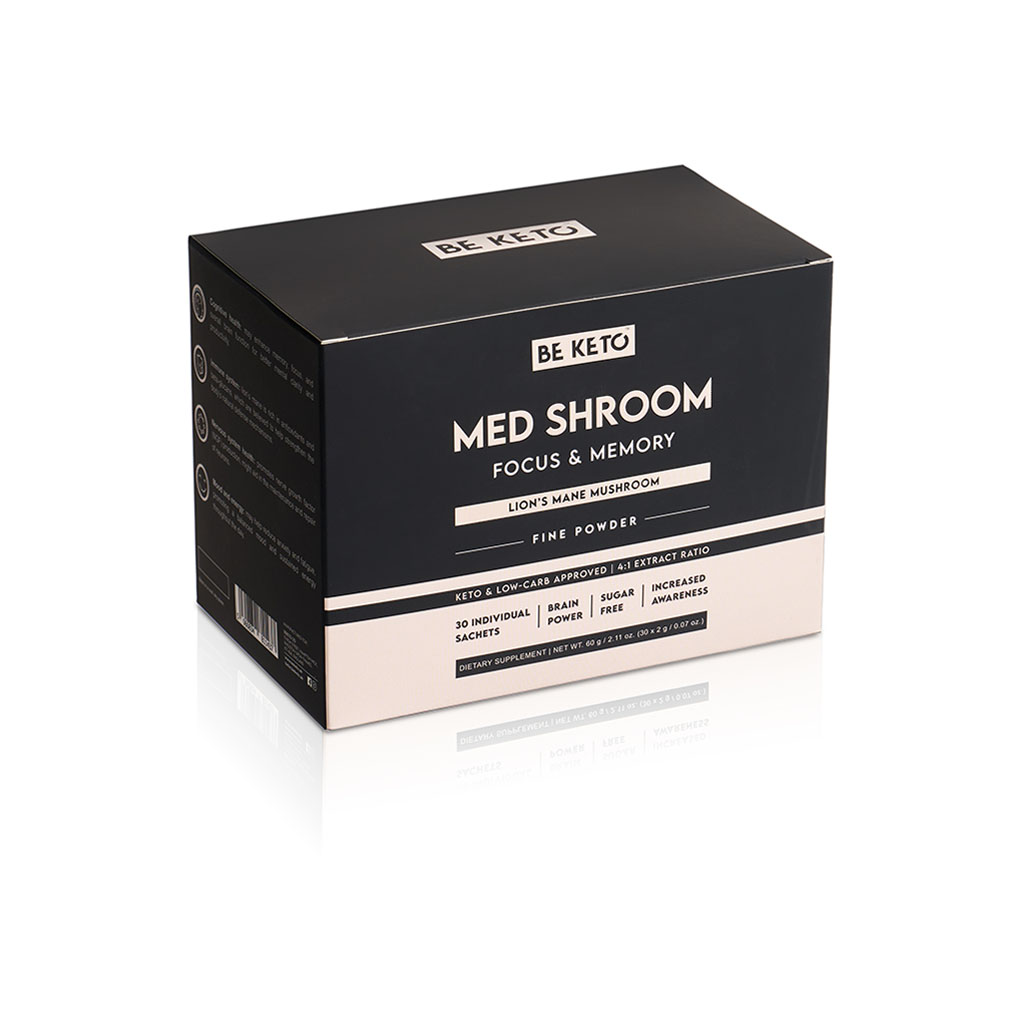 Supports Memory and Concentration
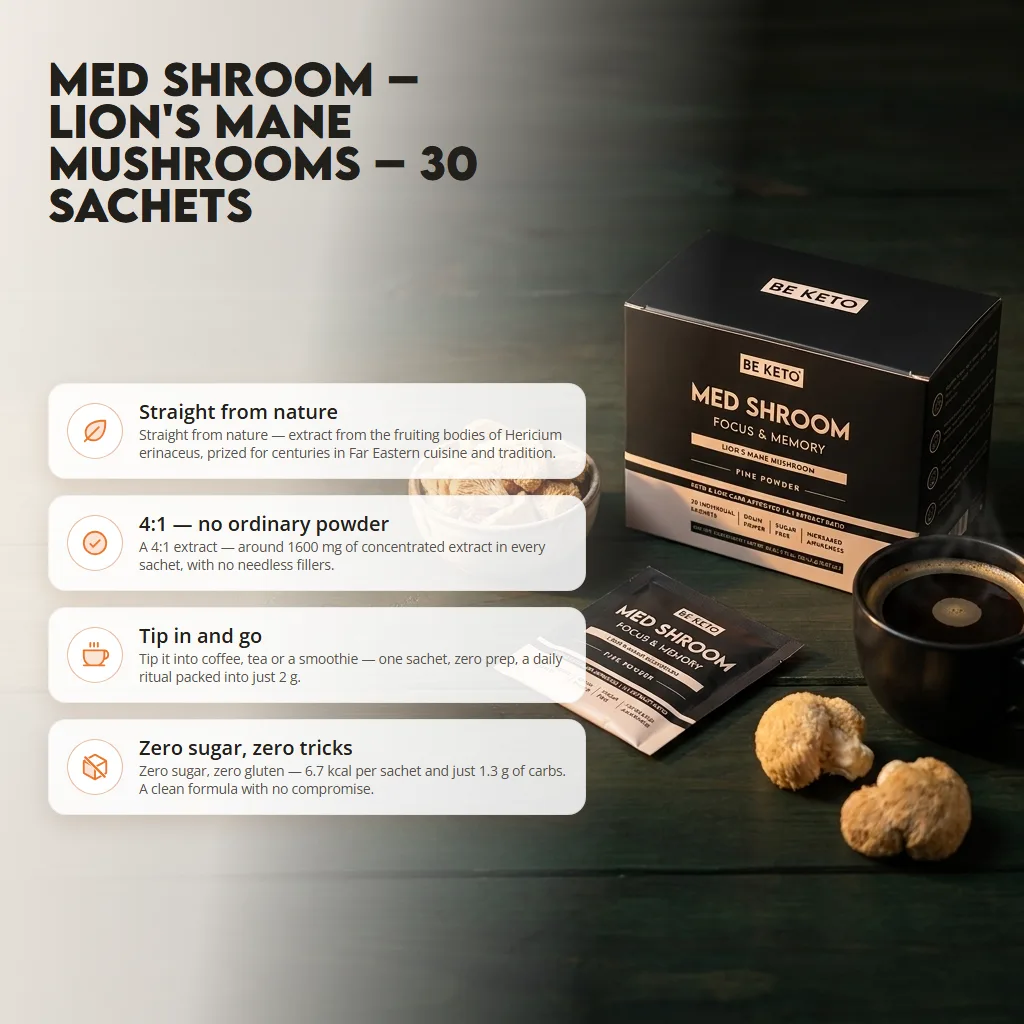
Med Shroom – Lion’s Mane Mushrooms – 30 sachets
£ 21.90 GBP✔ Supports the nervous system and cognitive functions of the brain
✔ Improves mood
✔ Regulates cholesterol and blood glucose levels
✔ Exhibits anti-inflammatory and antimicrobial effects
✔ Exhibits antioxidant effects
✔ Vegan, gluten-free, no added sugar
-
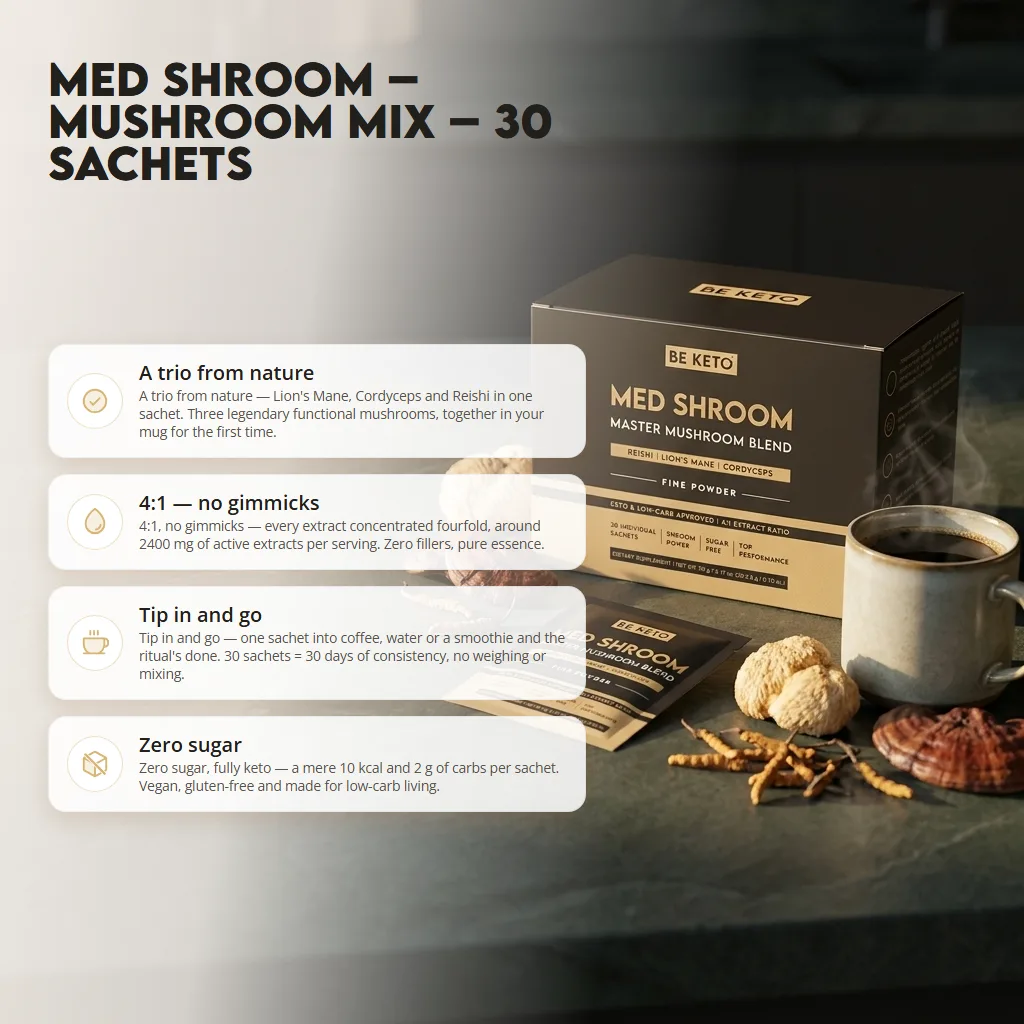
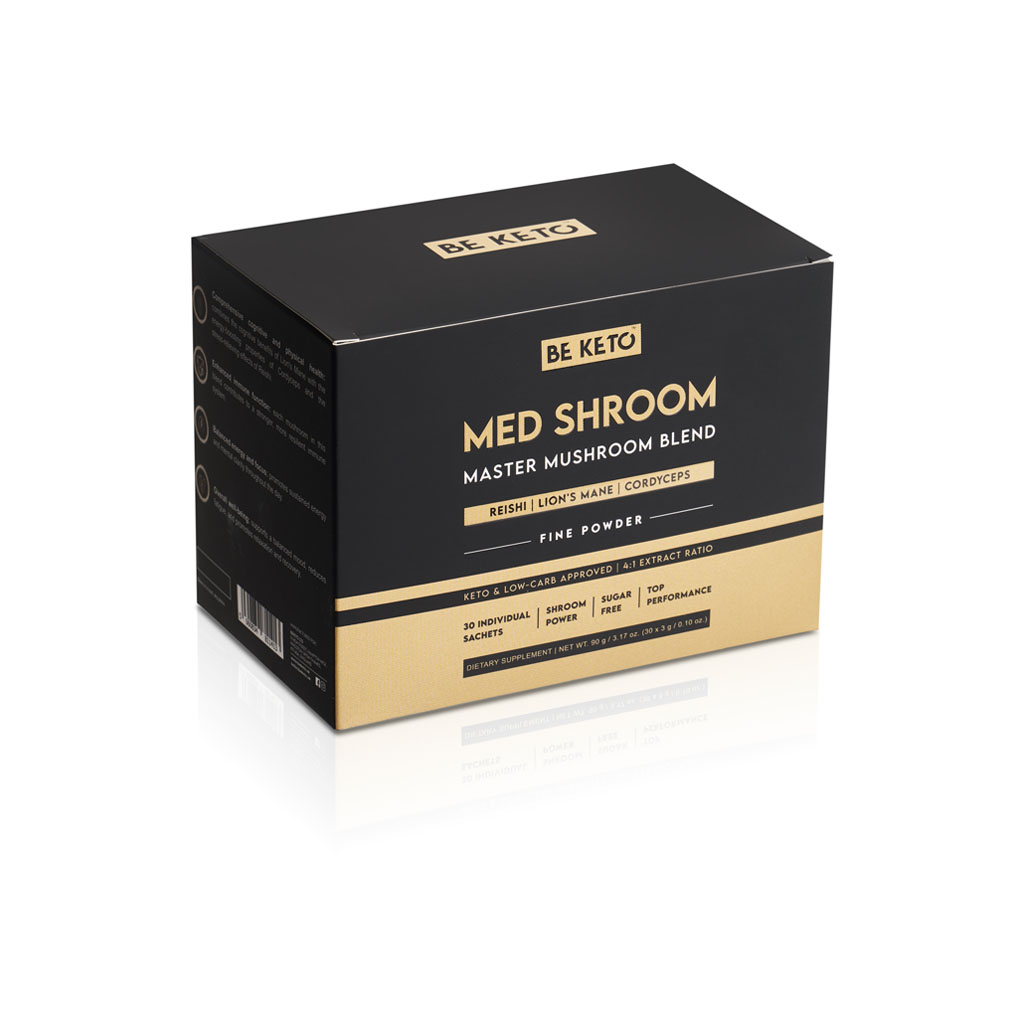
Med Shroom – Mixed Mushrooms – 30 sachets
£ 21.90 GBP✔ Reduces stress
✔ Supports concentration, increases energy and performance
✔ Cares for general health and well-being
✔ Enhances immunity - strengthens the body's natural defences
✔ Antioxidant effect
✔ Accelerates recovery, reduces fatigue and has a positive effect on mood
-
 20 Essential Vitamins and Minerals
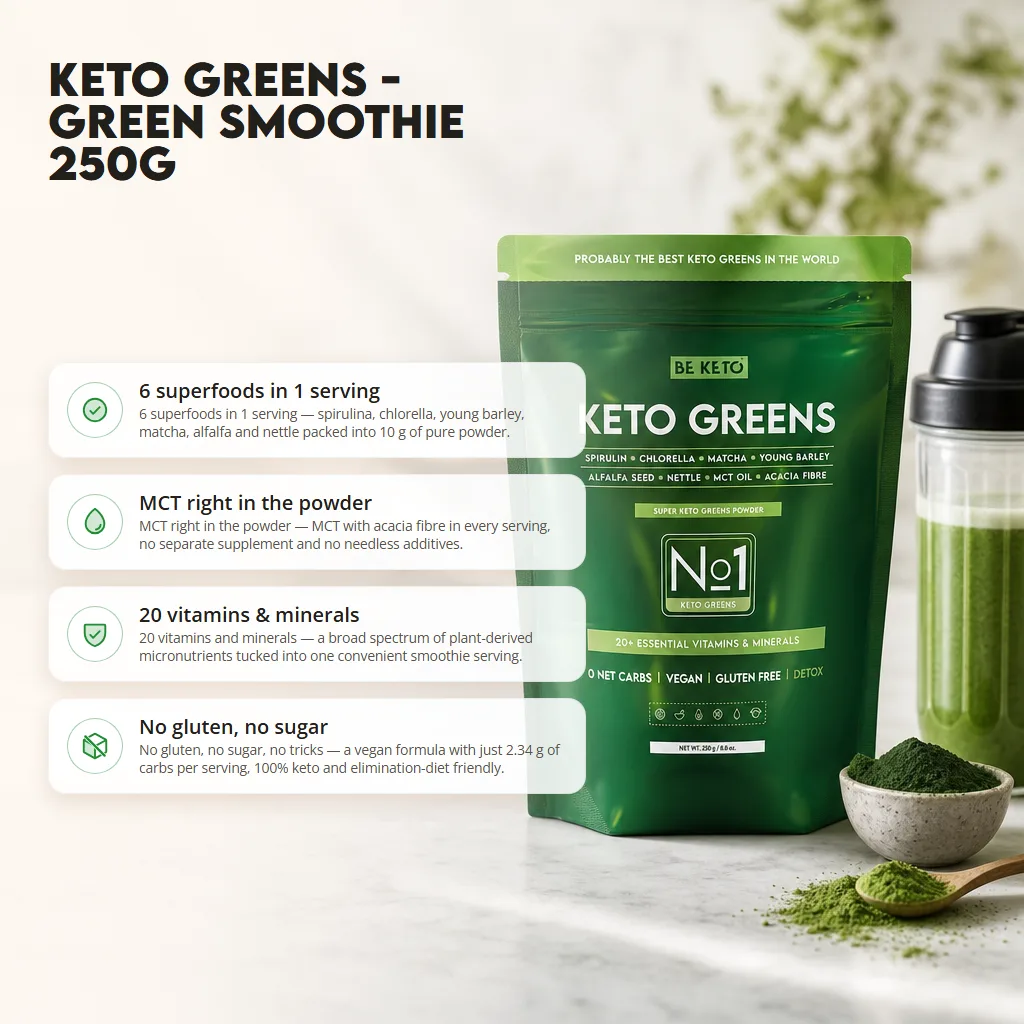
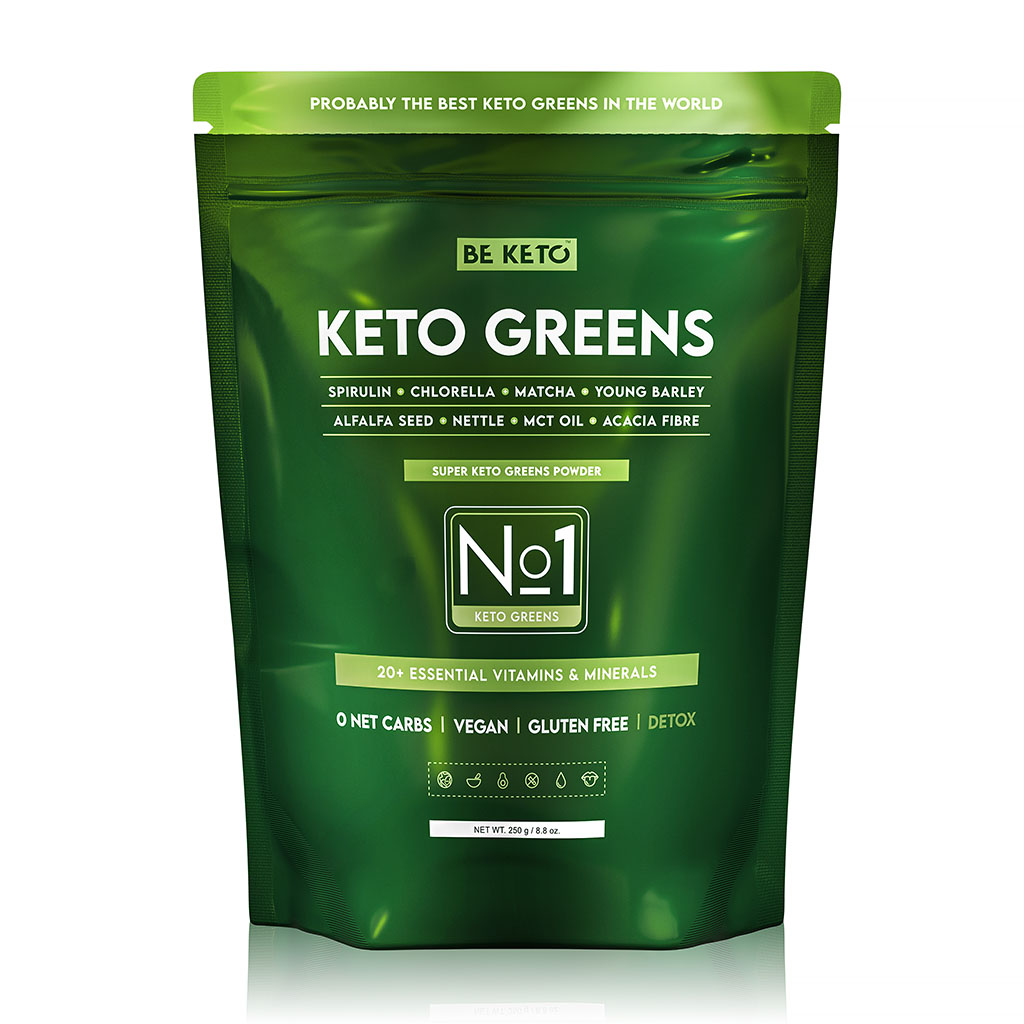
Keto Greens – Green Cocktail 250g
£ 24.90 GBP✔ Rich in more than 20 essential vitamins and minerals
✔ Vegan, low-carbohydrate, gluten-free
✔ Supports digestion and overall well-being
✔ Supports skin health, immunity and natural detoxification
✔ Source of natural antioxidants (spirulina, chlorella, young barley and matcha)
-
 Vegan Formula
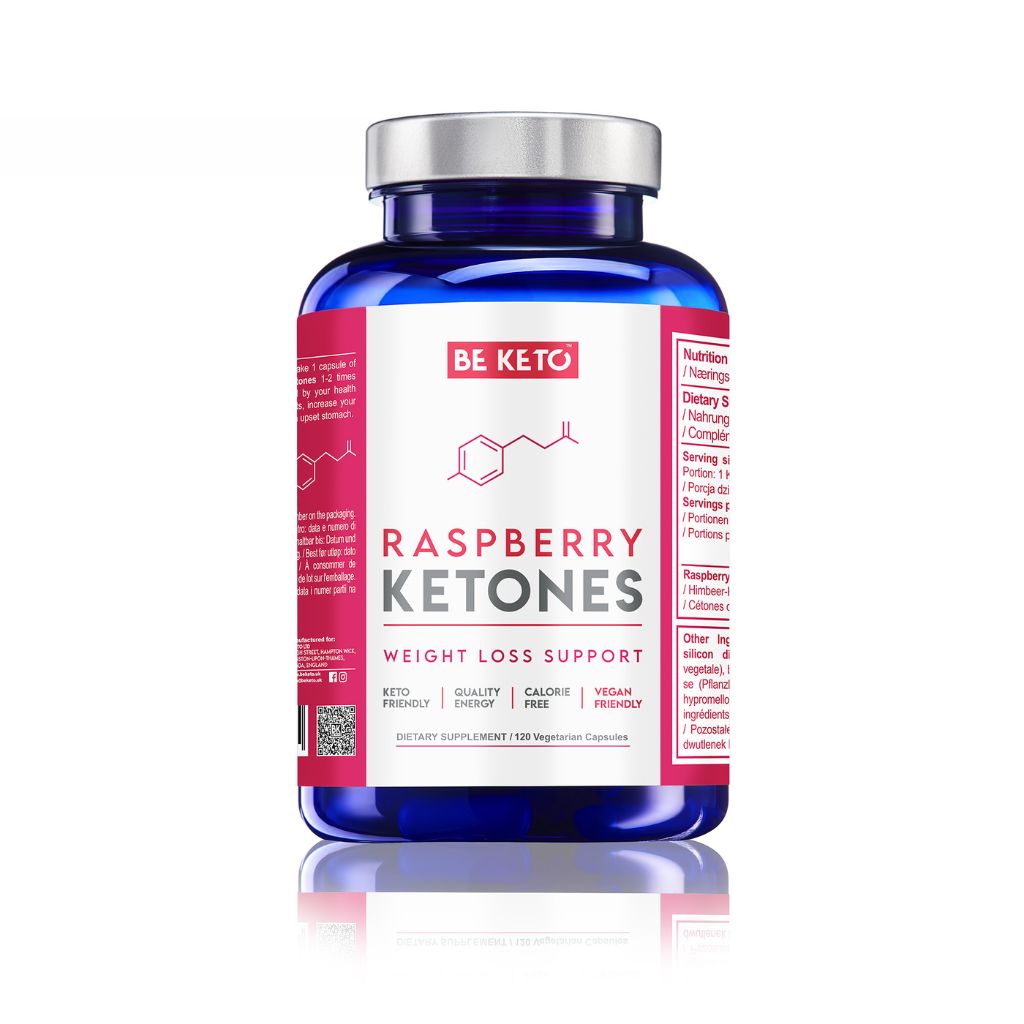
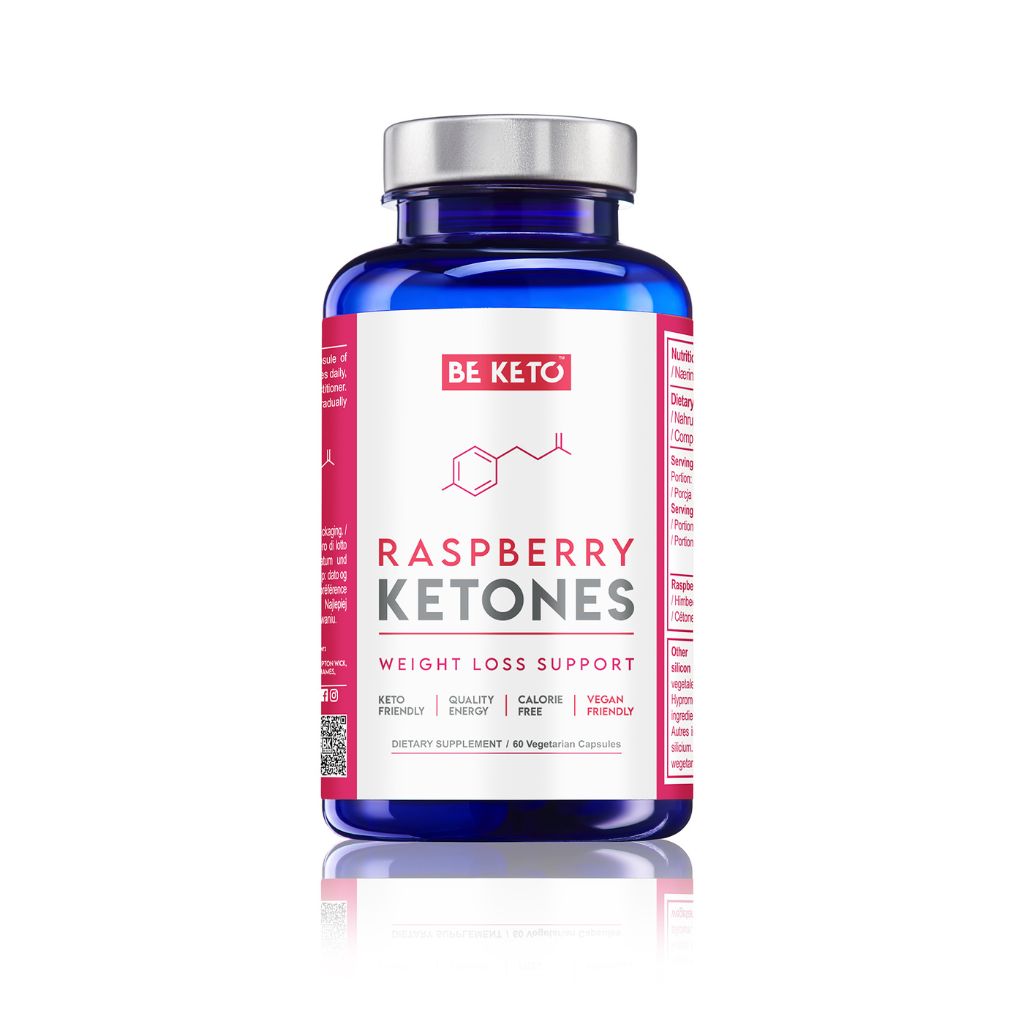
Raspberry Ketones in Capsules
Price range: £ 18.90 through £ 31.90 GBP✔ Supports fat reduction process
✔ Accelerates metabolism and supports ketosis
✔ Natural thermogenic action
✔ Best fuel for the brain
✔ Provides a quick energy boost
Select options This product has multiple variants. The options may be chosen on the product page -
 Cortisol Reduction and Better Sleep
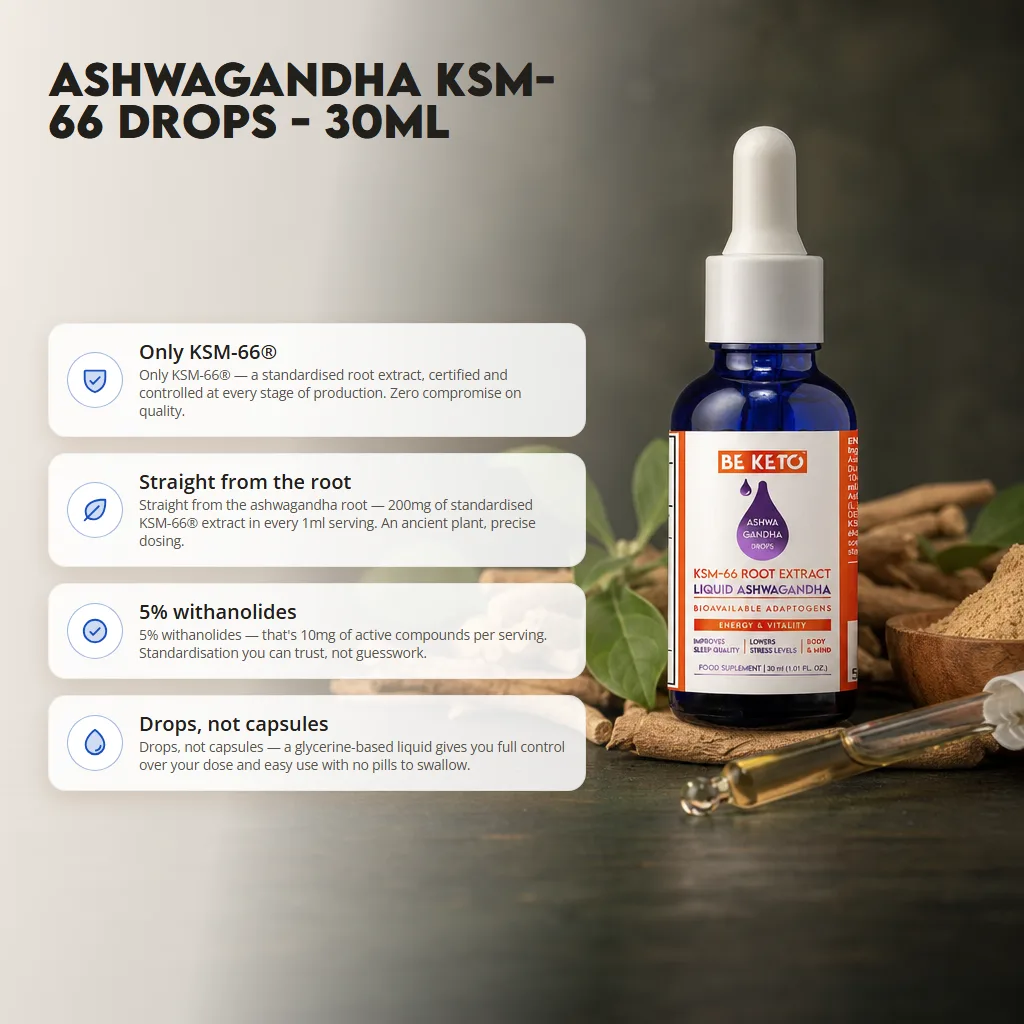
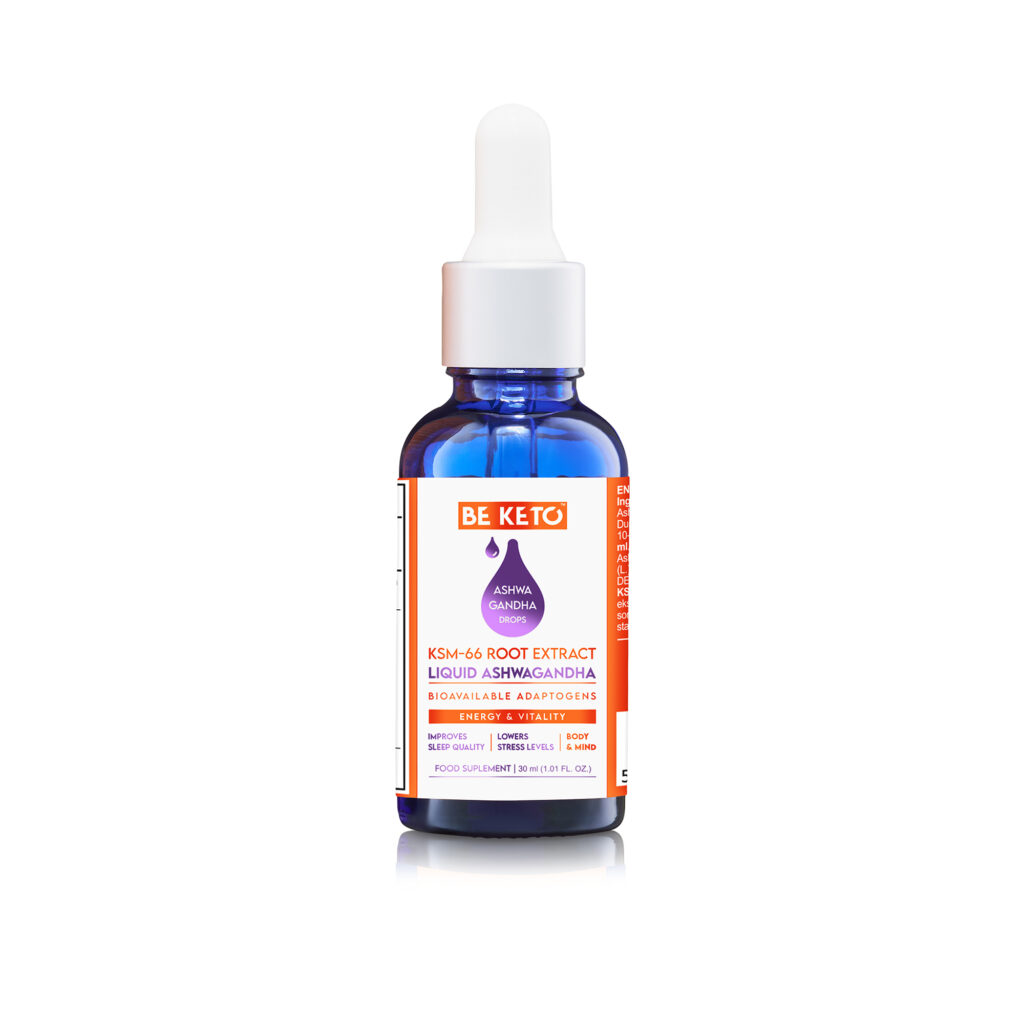
Ashwagandha KSM-66 in Drops – 30ml
£ 23.90 GBP✔ Naturally reduces cortisol levels - the stress hormone
✔ Increases resilience to stress and fatigue
✔ Improves sleep quality and supports the natural sleep-wake cycle
✔ Enhances cognitive functions - concentration and memory
✔ KSM-66 extract - top-quality standardized adaptogen
✔ Excellent bioavailability - liquid formula for maximum absorption
-

 MCT Oil Based Vitamin Drops
Vitamin A+E in Drops – 30ml
£ 11.90 GBP✔ Prevents heart disease
✔ Promotes eye and skin health
✔ Strengthens the immune system
✔ Has antioxidant properties
✔ 100% of the daily requirement of vitamins A and E
✔ Excellent bioavailability - MCT-based vitamin drops
-
 MCT Oil Based Vitamin Drops
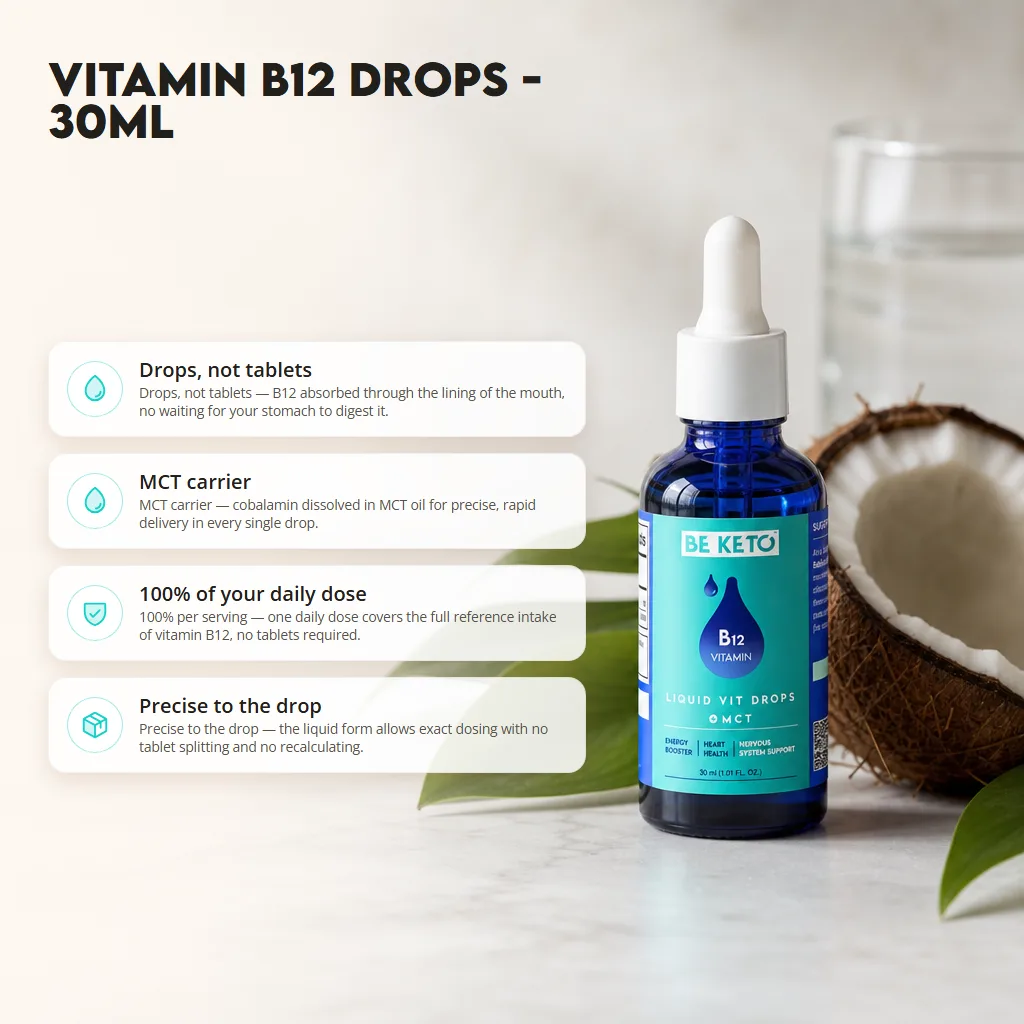
Vitamin B12 in Drops – 30ml
£ 14.90 GBP✔ Stimulates the production of red blood cells
✔ Protects and supports the nervous system
✔ Strengthens the digestive functions
✔ Provides long-lasting energy
✔ 100% of the daily requirement of vitamin B12
✔ Excellent bioavailability - MCT-based vitamin drops
-
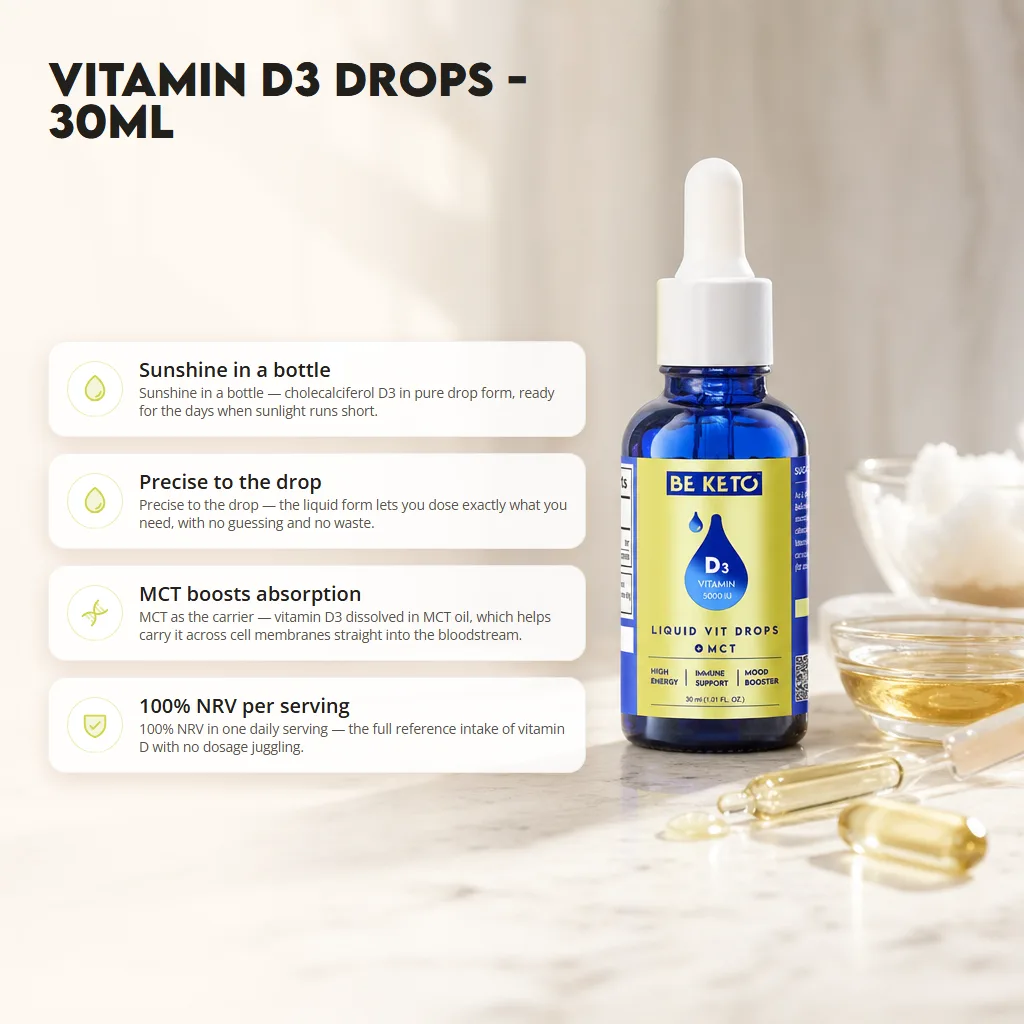
 Vitamin Drops Based On MCT OilBESTSELLER
Vitamin D3 in Drops – 30ml
£ 16.90 GBP✔ Supports the formation and maintenance of healthy bones
✔ Reduces the risk of chronic diseases
✔ Regulates mood and supports mental health
✔ Supports muscle function
✔ 100% of the daily requirement of vitamin D3
✔ Excellent bioavailability - MCT-based vitamin drops
-
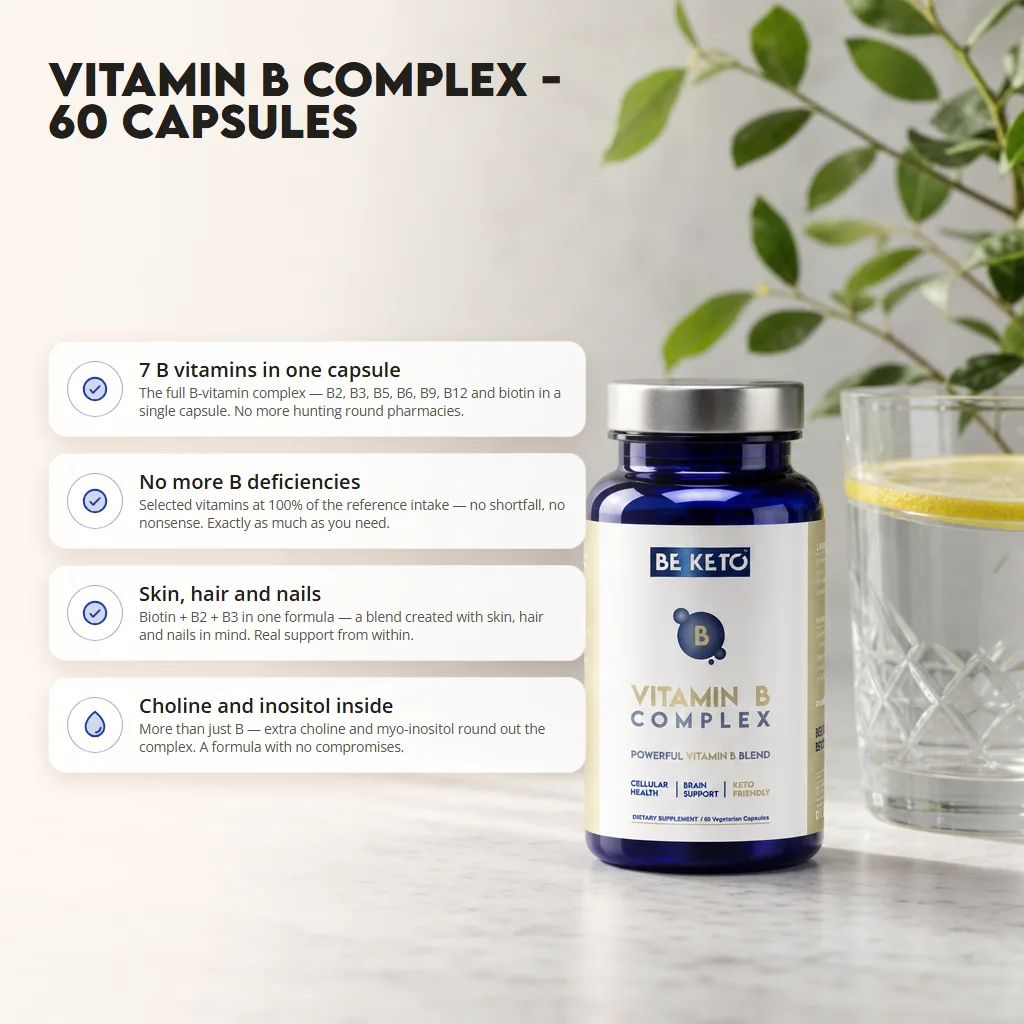
 Excellent Mixture Of B VitaminsBESTSELLER
Vitamin B Complex – 60 Capsules
£ 17.90 GBP✔ Increases energy levels
✔ Supports immune and nervous system function
✔ Helps maintain mental performance
✔ Improves general well-being
✔ Covers the daily requirement of all B vitamins
-
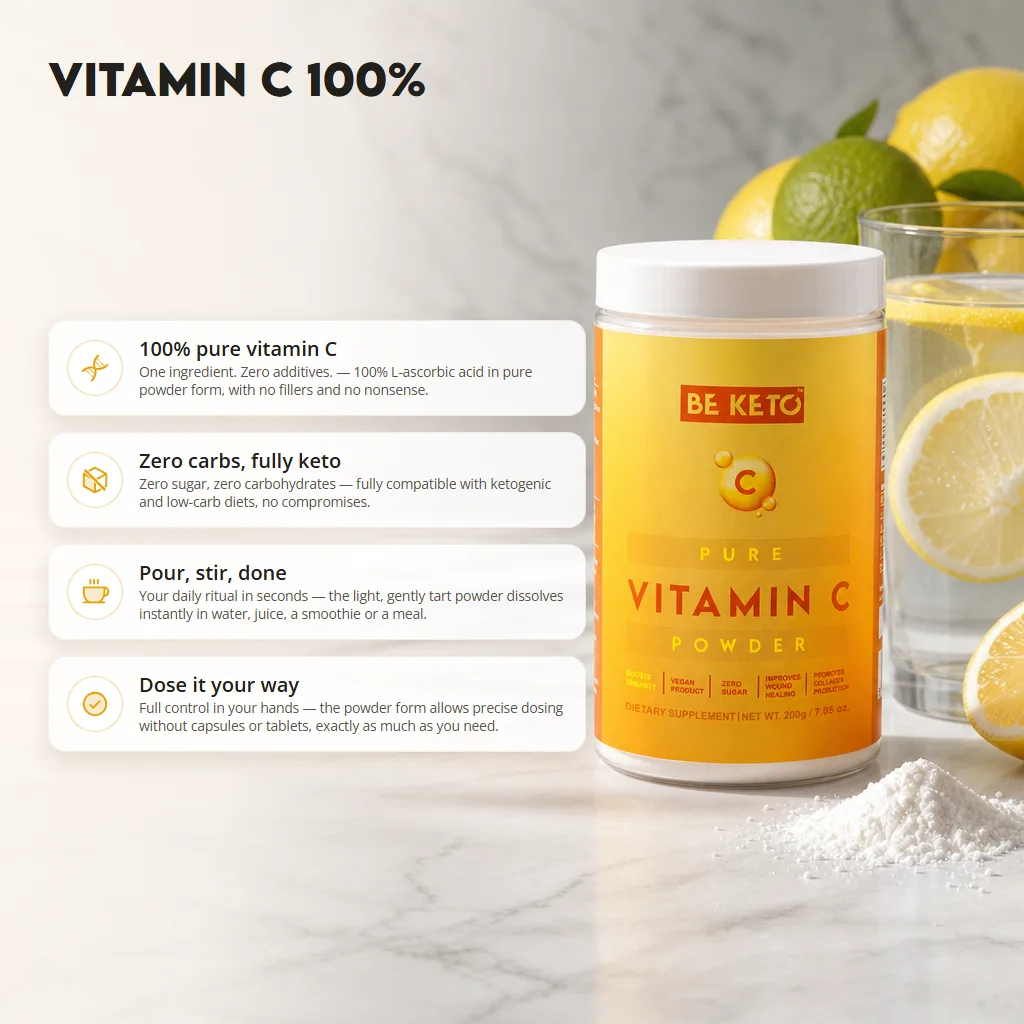
 Mega Immunological Support
Vitamin C 100%
£ 6.90 GBP✔ Builds up the body's natural defences
✔ Regulates the glucose content in the blood
✔ Accelerates collagen synthesis
✔ Delays the ageing process
-
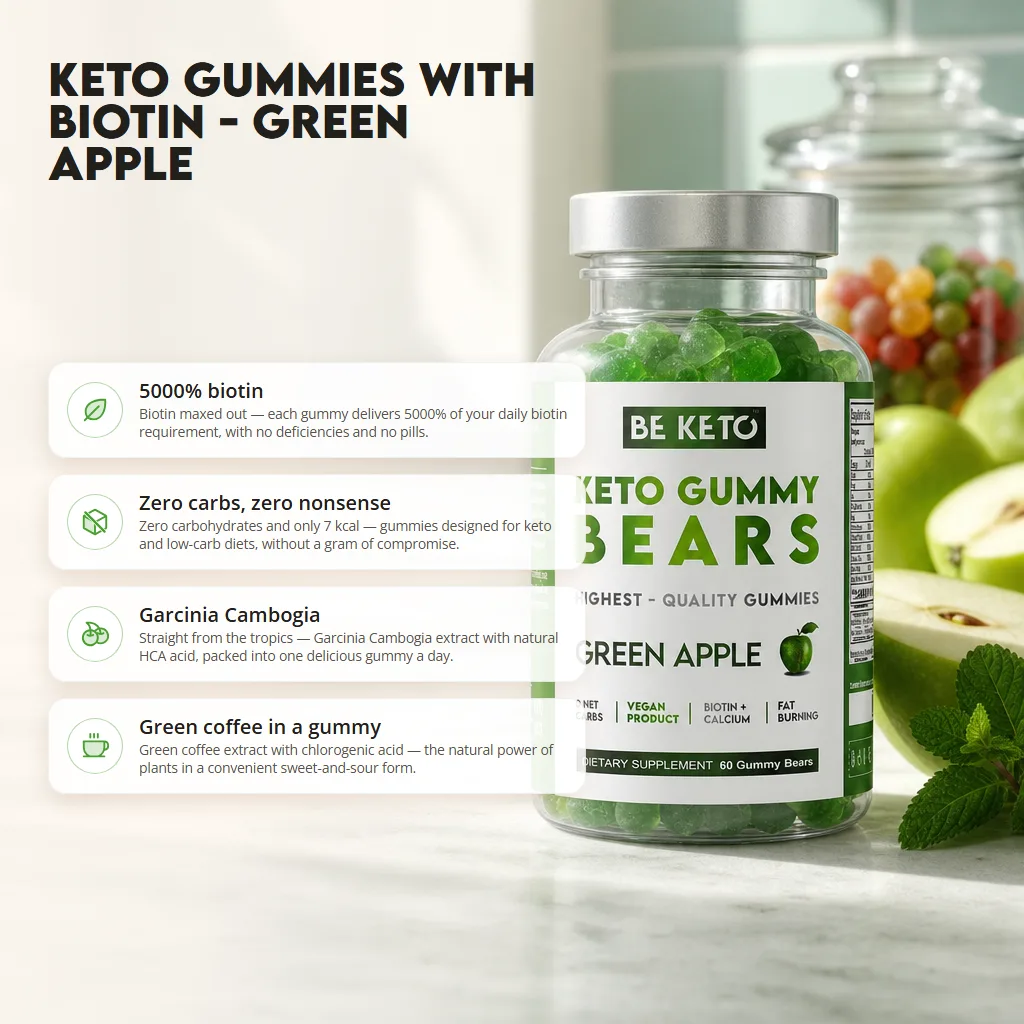
 Supports Health and Beauty
Keto Gummies with Biotin – Green Apple
£ 17.90 GBP✔ Rich in biotin - up to 5000% RI!
✔ Delicious and healthy food supplement for 60 days
✔ Vegan, natural, without preservatives
✔ Only 7 kcal
✔ Contains garcinia cambogie, green coffee extract and calcium
-
 Supports Athletes and Brain Function
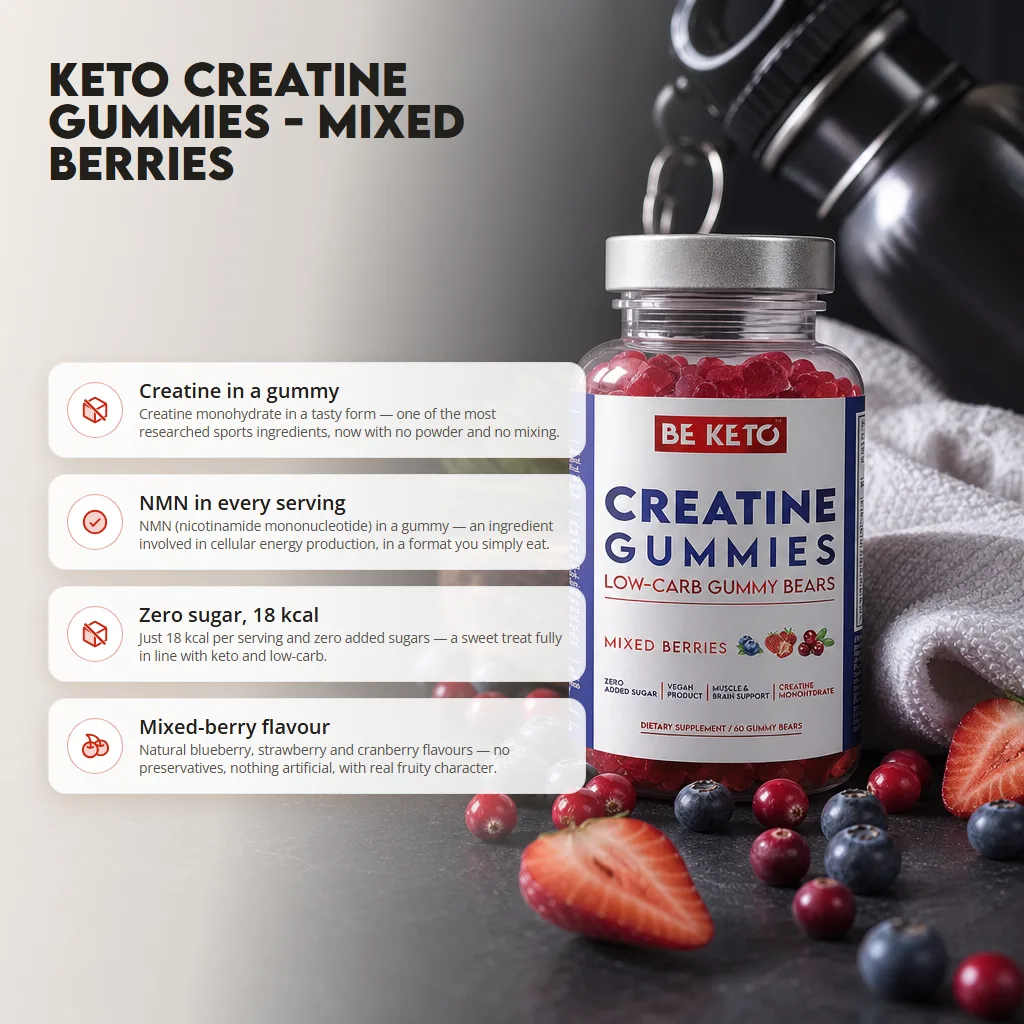
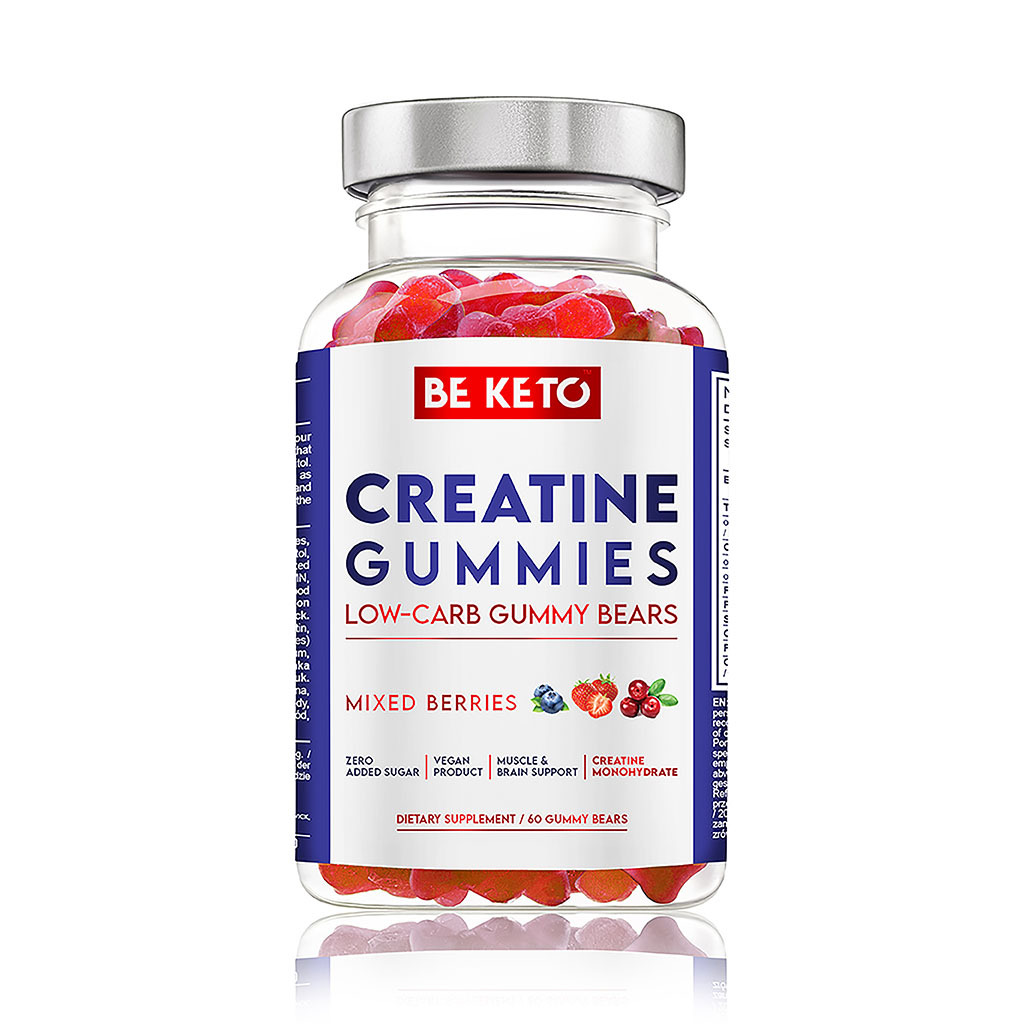
Keto Gummies with Creatine – Mixed Berries
£ 17.90 GBP✔ Contain creatine and NMN – support energy, metabolism, and recovery
✔ Delicious taste of blueberries, strawberries, and cranberries – with no added sugar
✔ Help curb sweet cravings – only 18 kcal per serving
✔ Vegan, natural, and preservative-free
✔ Replenish electrolytes: potassium and calcium
-
Out of stock
 Delayed-Release Technology
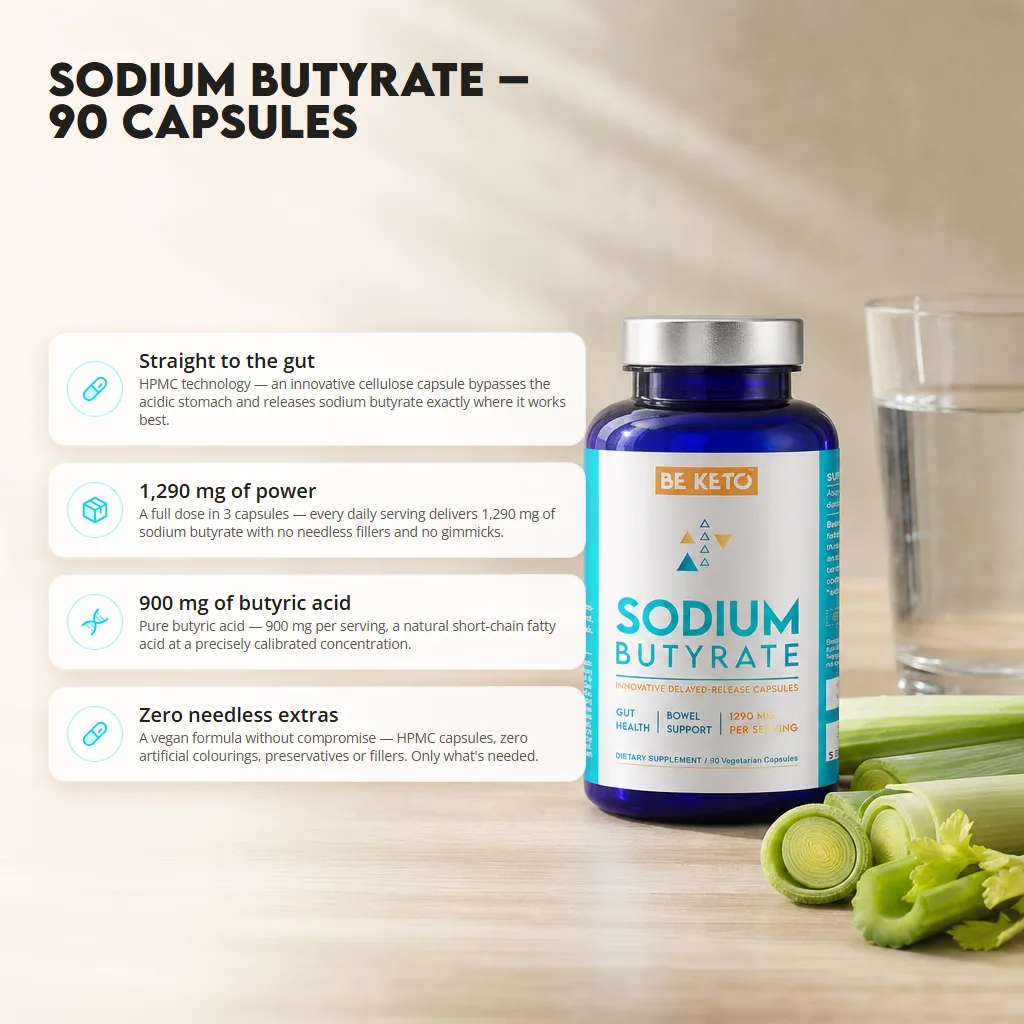
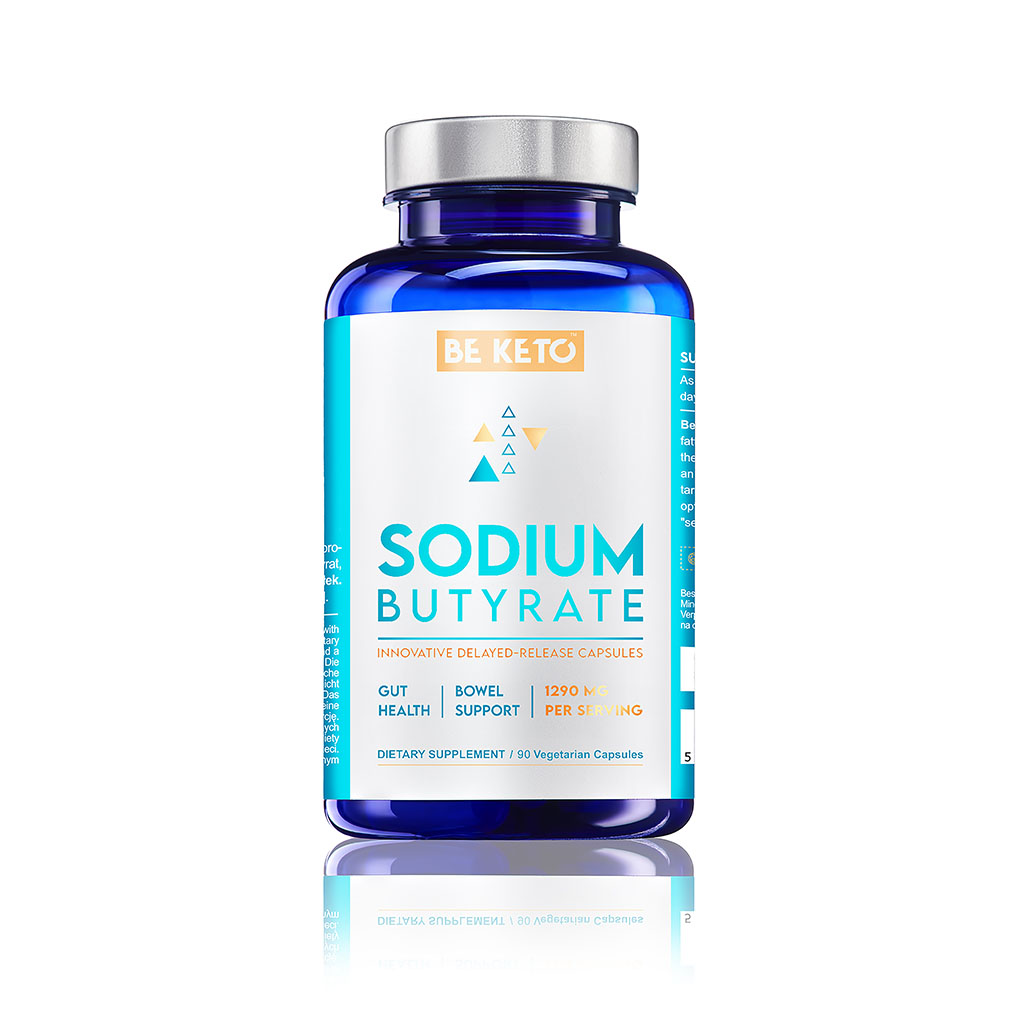
Sodium Butyrate – 90 Capsules
£ 17.90 GBP✔ Supports the health and integrity of the intestinal mucosa
✔ Provides 1290 mg of sodium butyrate in an innovative delayed-release formula
✔ Helps maintain a balanced gut microbiota
✔ Supports the optimal function of the “second brain”
✔ Delivers 900 mg of butyric acid in each daily serving
✔ Provides anti-inflammatory action within the intestines
-
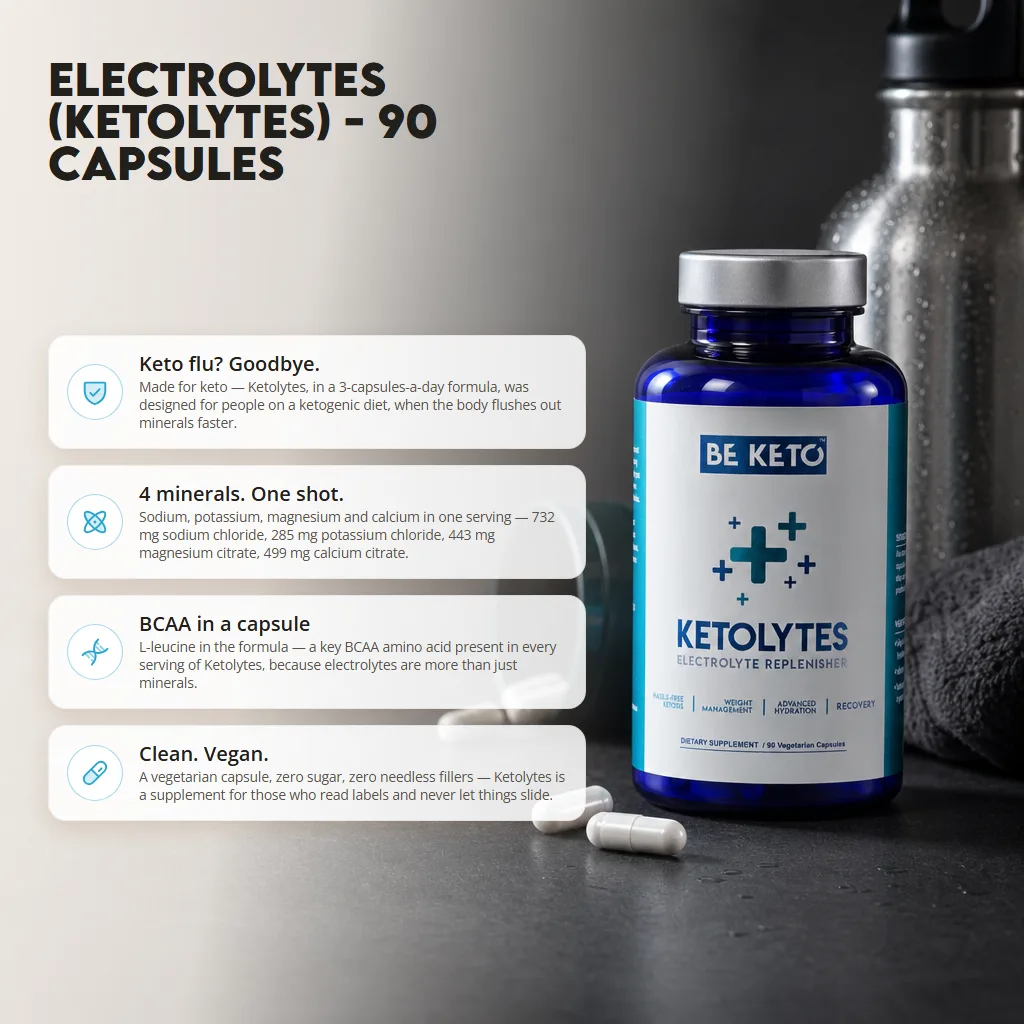
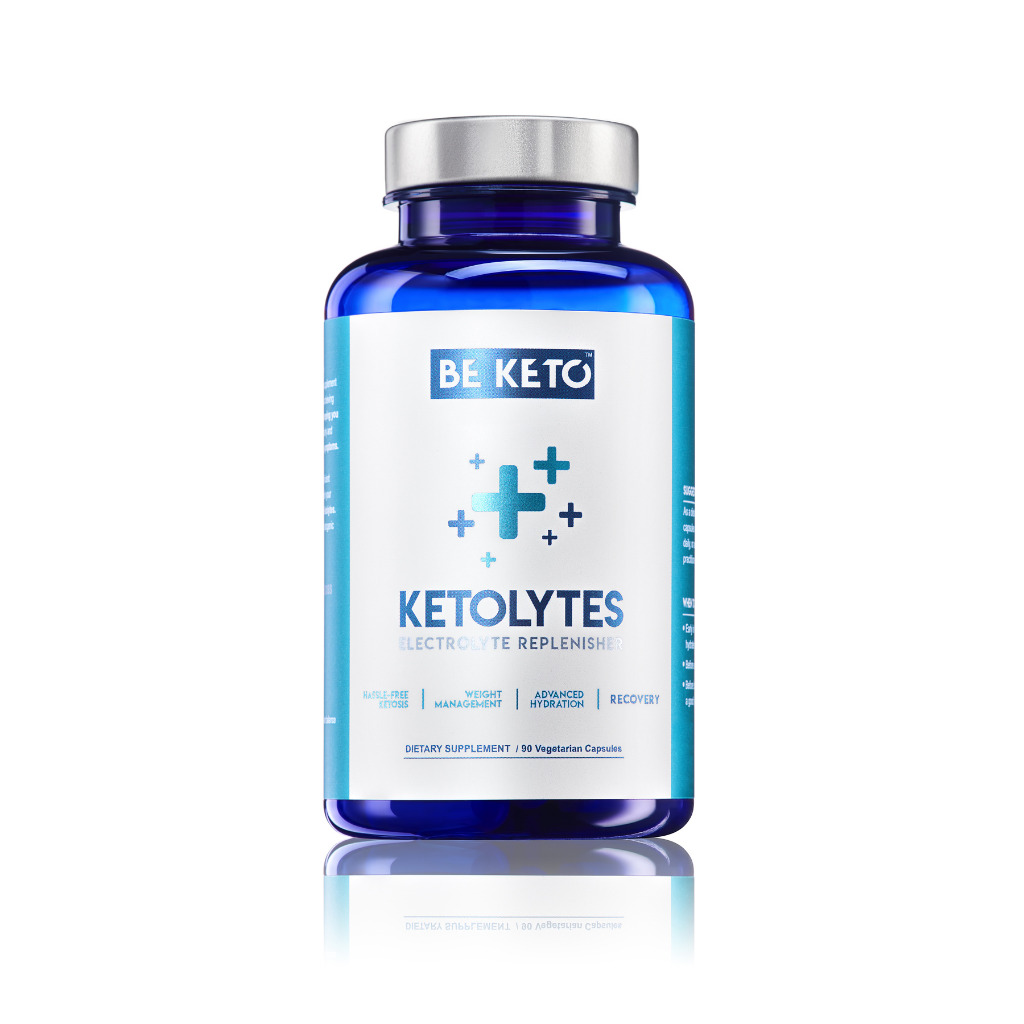 Magnesium, Sodium, Potassium & ZincBESTSELLER
Keto Electrolytes – 90 Capsules
£ 19.90 GBP✔ Supplements necessary minerals
✔ Provides excellent support for the regeneration of the body
✔ Minimises symptoms of the so-called keto flu
✔ Improves general well-being
-
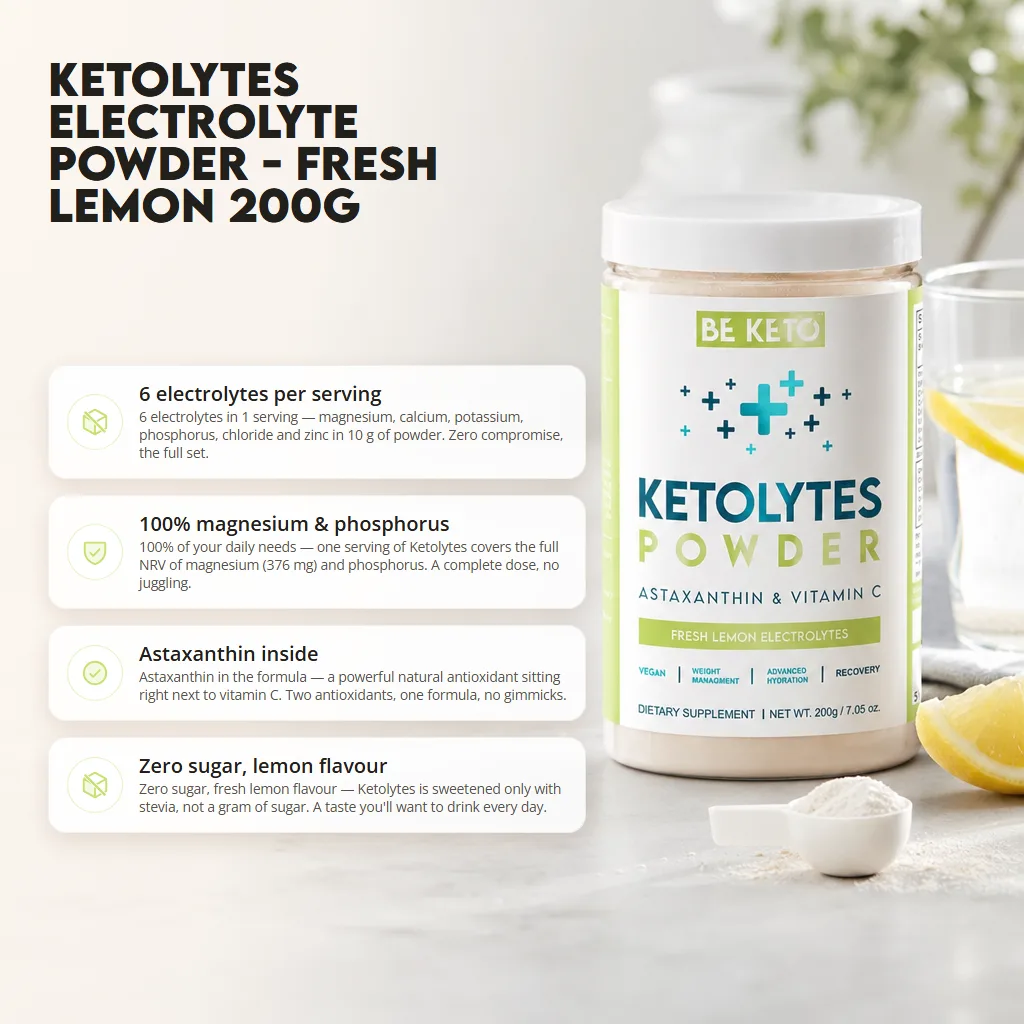
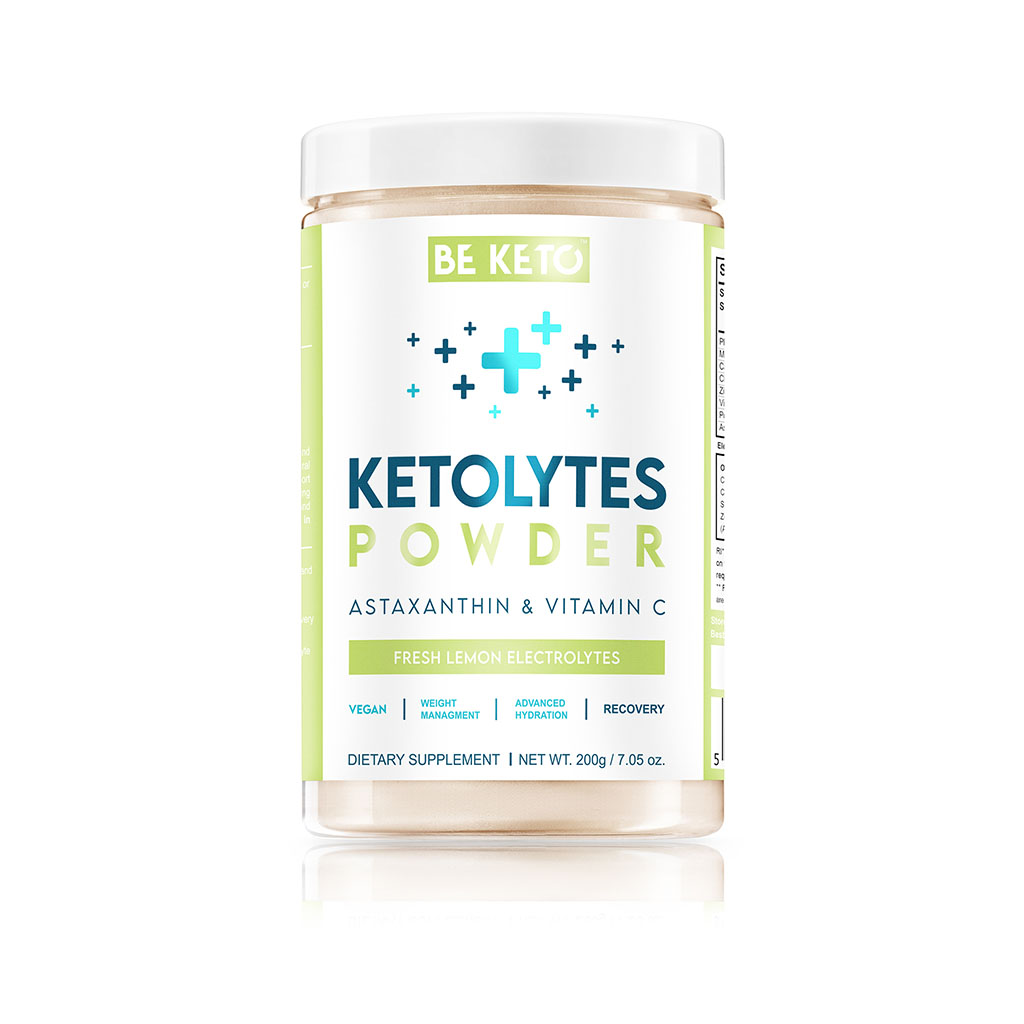 Magnesium, Sodium, Potassium & Zinc
Keto Electrolytes Powder – Fresh Lemon 200g
£ 18.90 GBP✔ Minimise the symptoms of the keto flu
✔ Replenish essential minerals
✔ Support skin health and wrinkle reduction
✔ 100% of the daily requirement of phosphorus and magnesium
✔ Optimum fluid intake - important for low-carb and ketogenic diets
✔ Contains natural astaxanthin from the Atacama Desert - the active ingredient for "eternal youth"
-
 Magnesium, Sodium, Potassium & Zinc
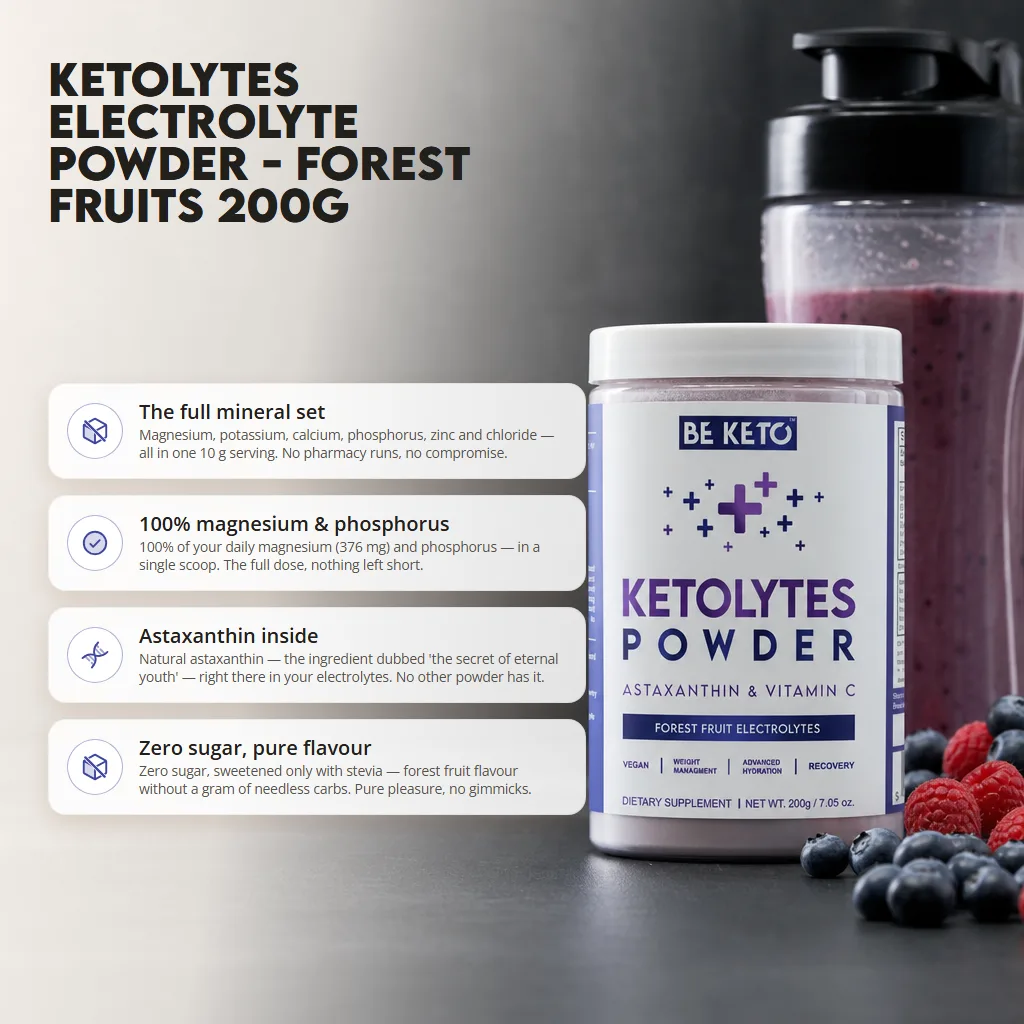
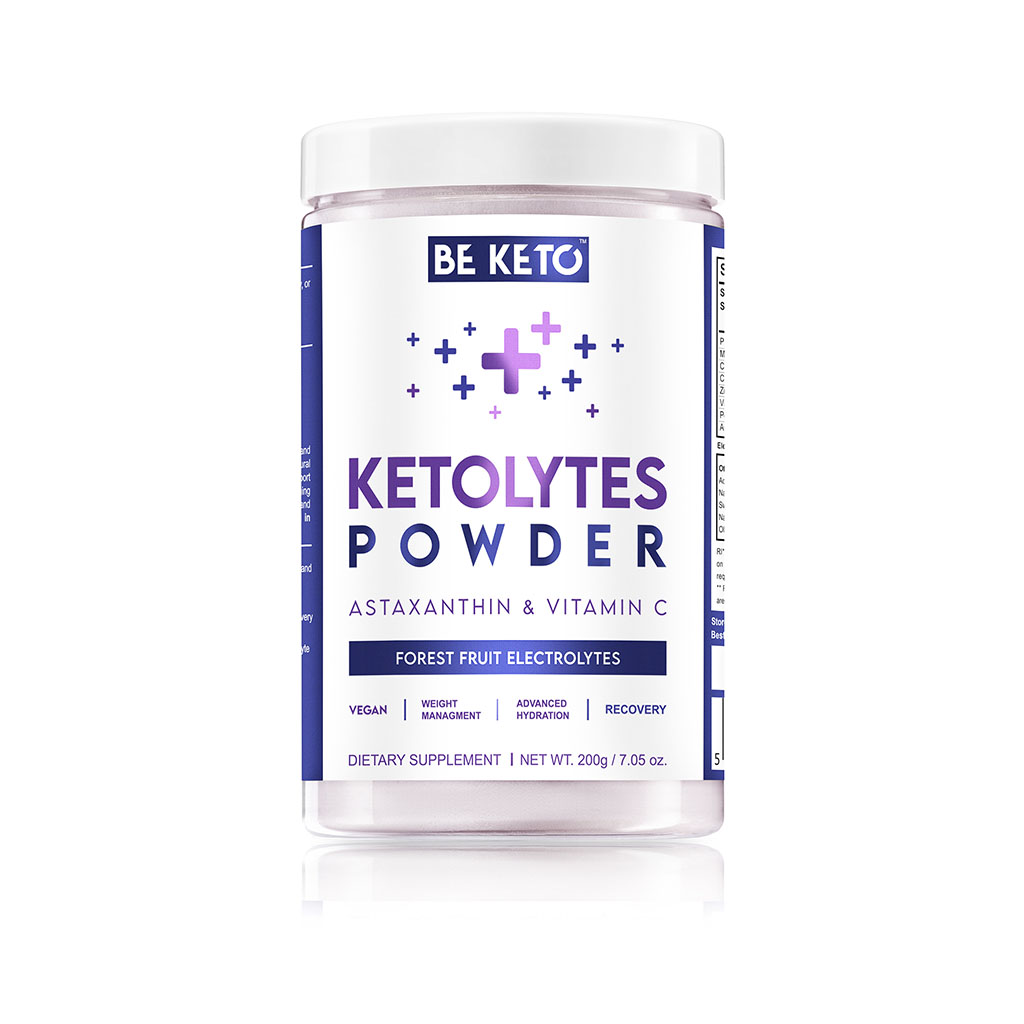
Keto Electrolytes Powder – Forest Fruit 200g
£ 18.90 GBP✔ Minimise the symptoms of the keto flu
✔ Replenish essential minerals
✔ Support skin health and wrinkle reduction
✔ 100% of the daily requirement of phosphorus and magnesium
✔ Optimum fluid intake - important for low-carb and ketogenic diets
✔ Contains natural astaxanthin from the Atacama Desert - the active ingredient for "eternal youth"
-
 Astaxanthin & Vitamin C
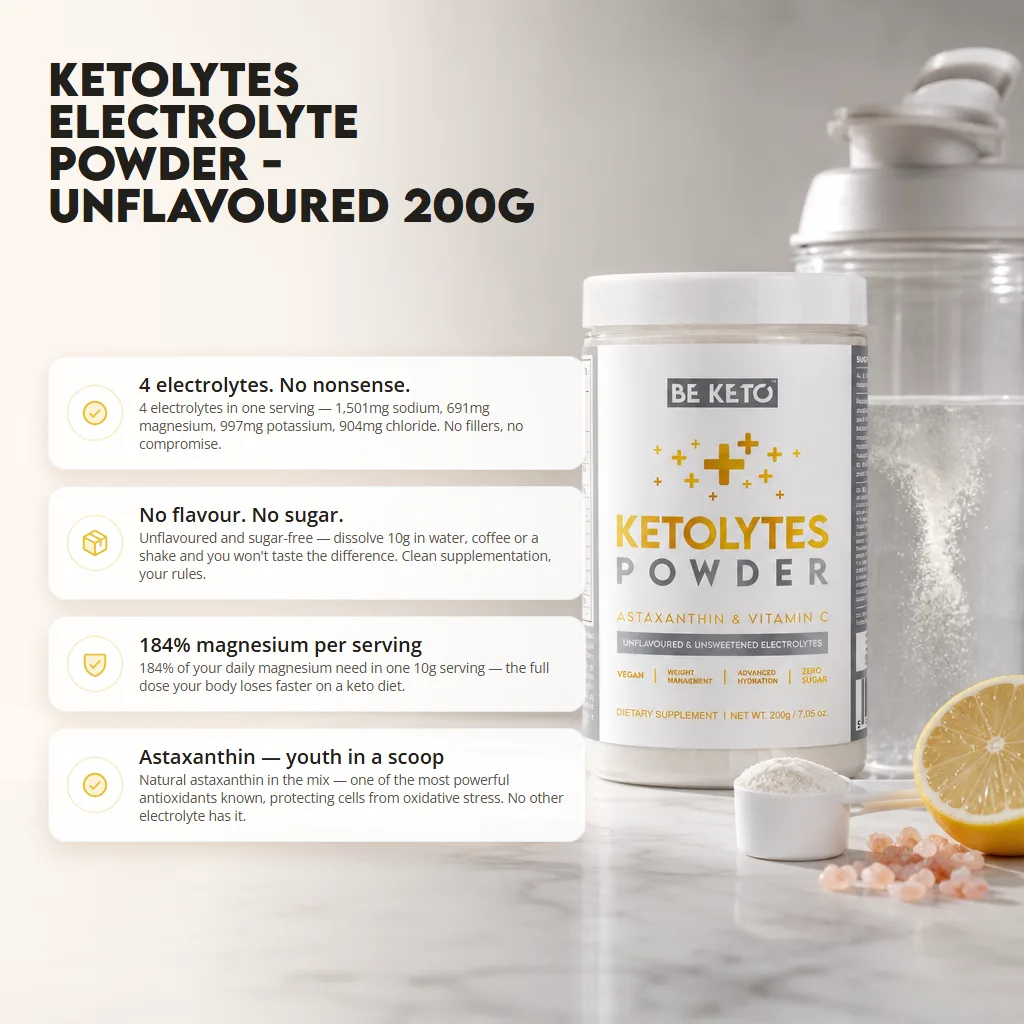
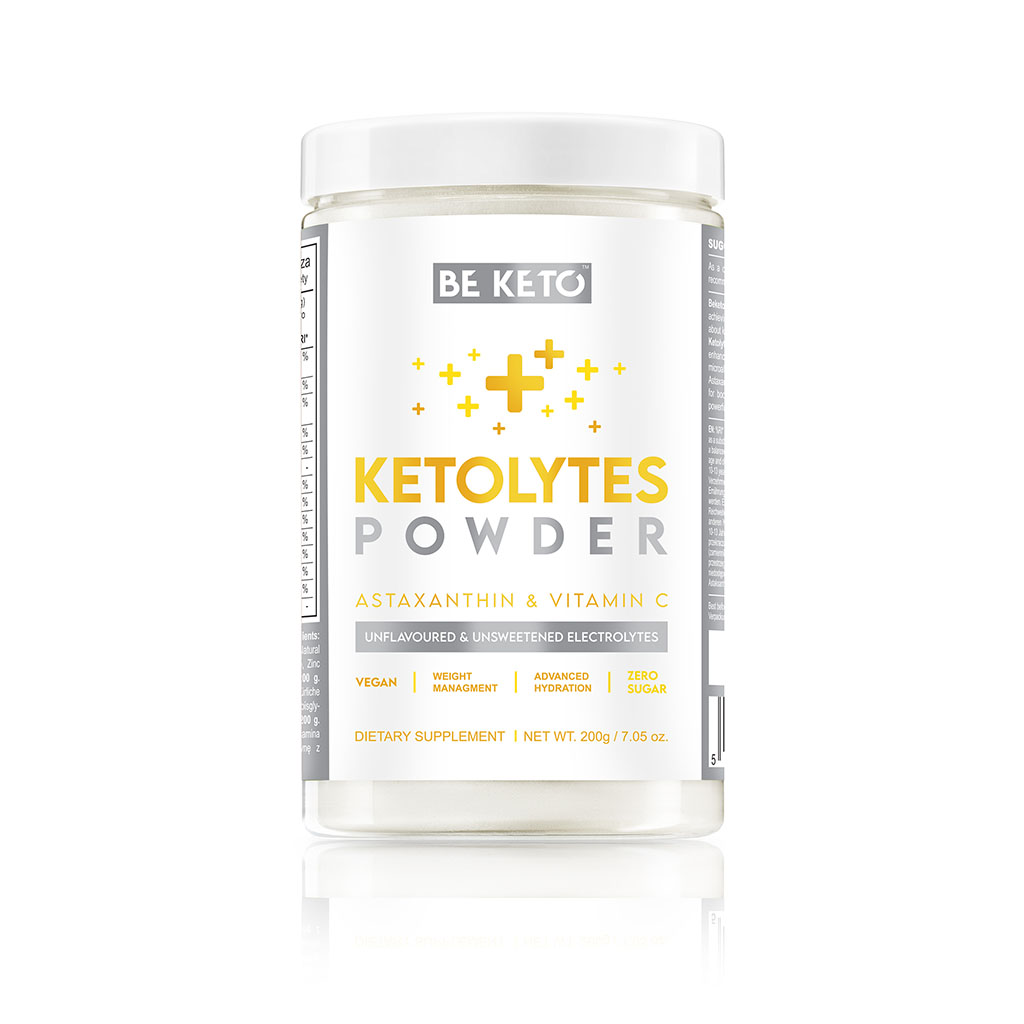
Keto Electrolytes Powder – Unflavoured 200g
£ 18.90 GBP✔ Replenishes essential minerals
✔ Provides 100% of your daily phosphorus and magnesium needs
✔ Contains natural Astaxanthin – the “eternal youth” compound
✔ Supports skin health and reduces the appearance of wrinkles
✔ Helps maintain optimal hydration
✔ Reduces symptoms of the keto flu
-
 Magnesium, Sodium, Potassium & Zinc
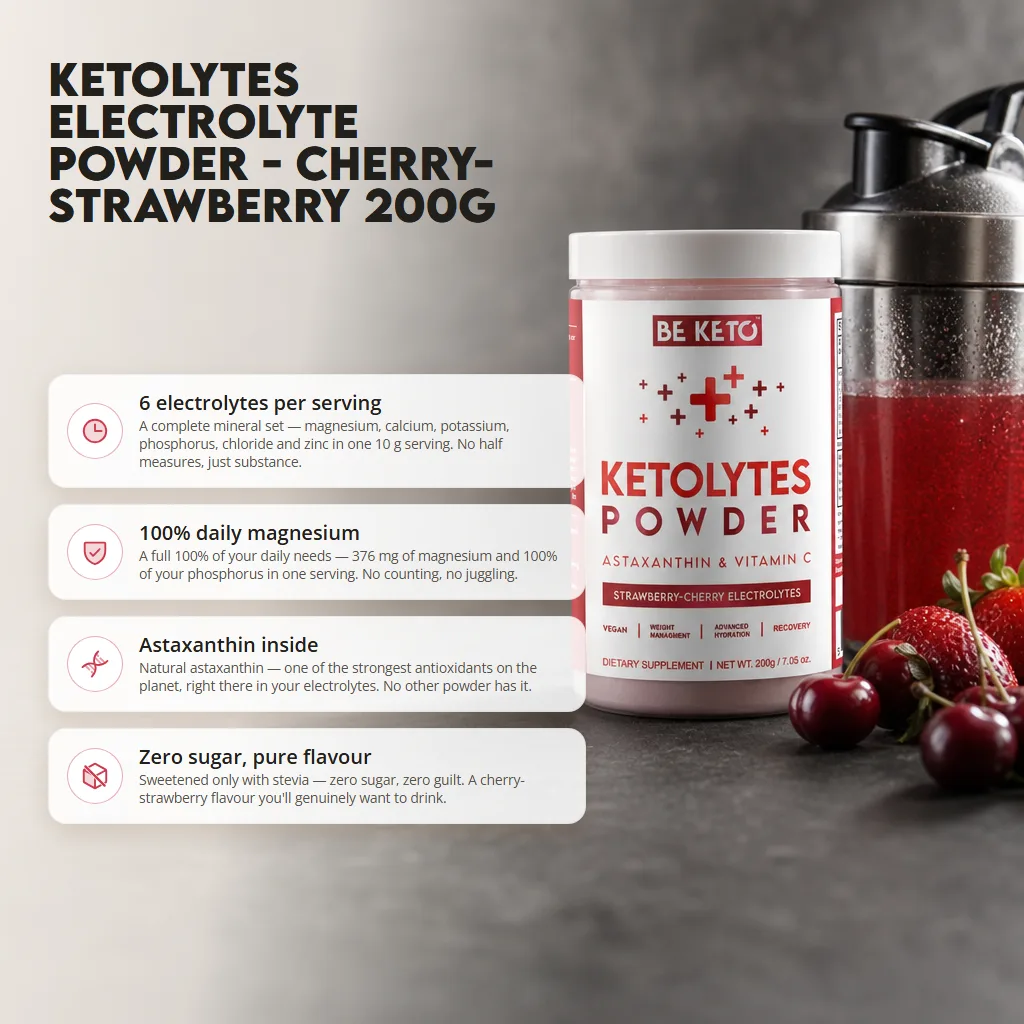
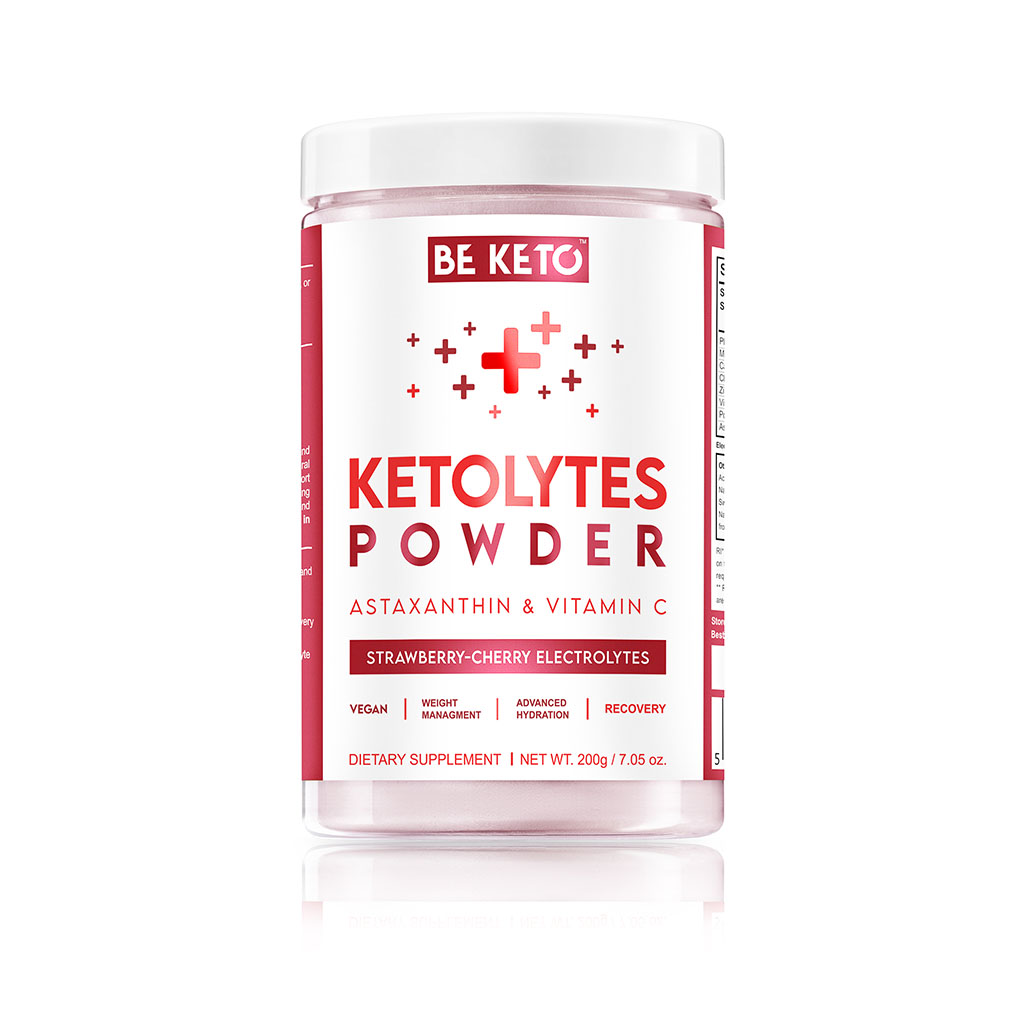
Keto Electrolytes Powder – Strawberry Cherry 200g
£ 18.90 GBP✔ Minimise the symptoms of the keto flu
✔ Replenish essential minerals
✔ Support skin health and wrinkle reduction
✔ 100% of the daily requirement of phosphorus and magnesium
✔ Optimum fluid intake - important for low-carb and ketogenic diets
✔ Contains natural astaxanthin from the Atacama Desert - the active ingredient for "eternal youth"
-
 Magnesium, Sodium, Potassium & ZincBESTSELLER
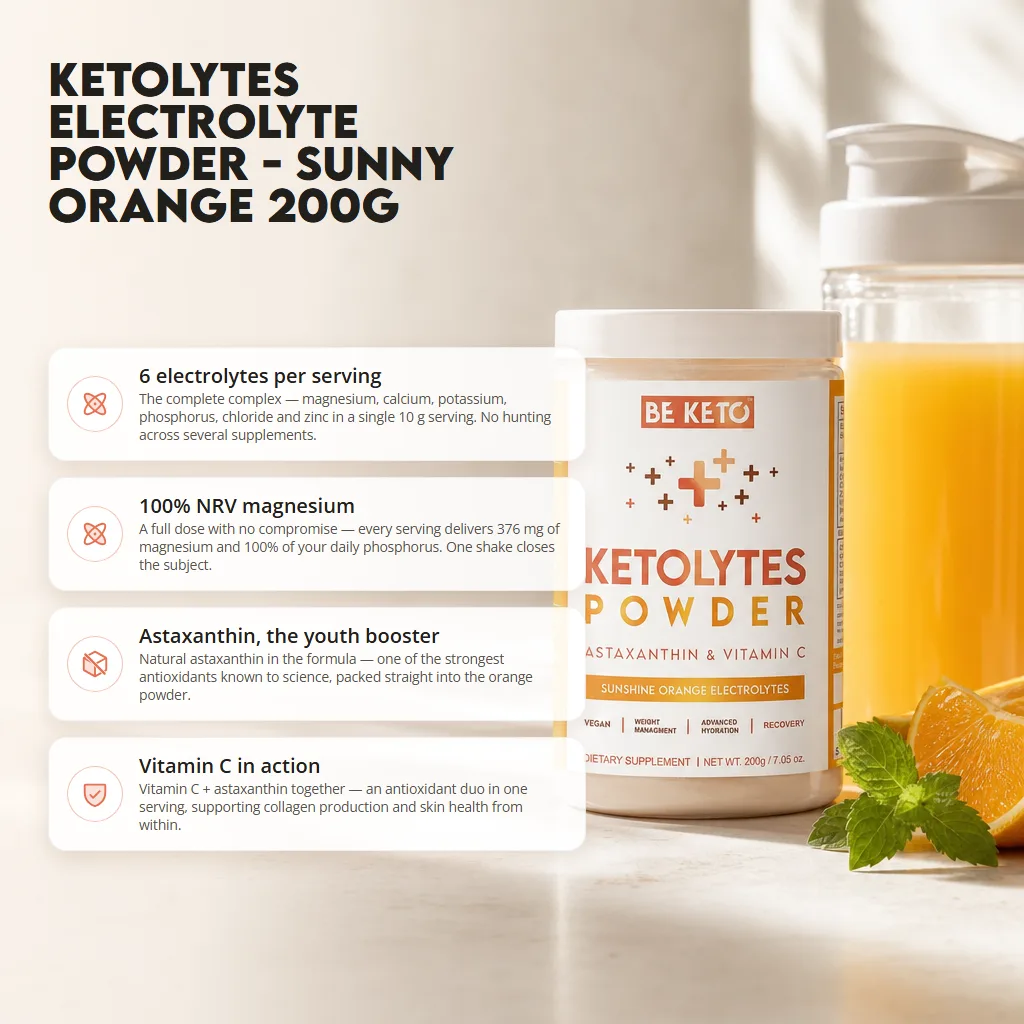
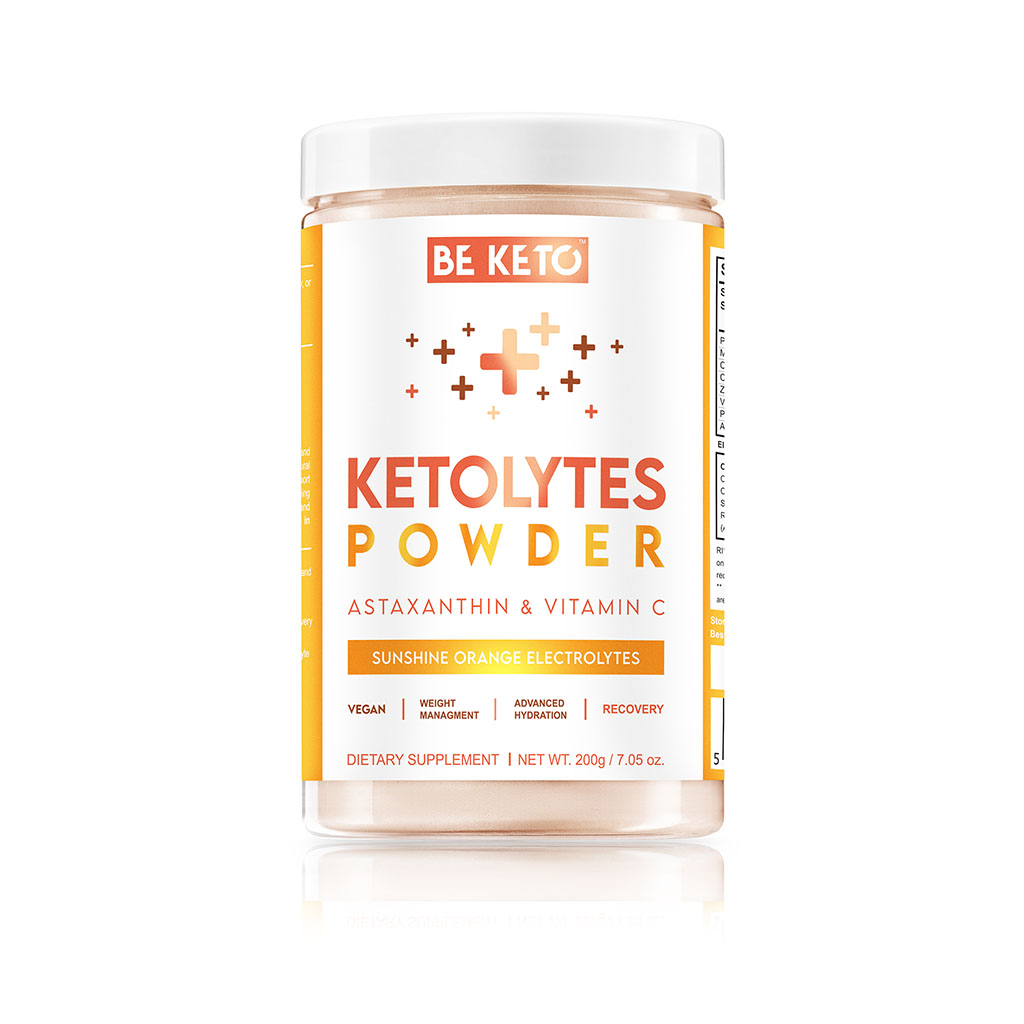
Keto Electrolytes Powder – Sunshine Orange 200g
£ 18.90 GBP✔ Minimise the symptoms of the keto flu
✔ Replenish essential minerals
✔ Support skin health and wrinkle reduction
✔ 100% of the daily requirement of phosphorus and magnesium
✔ Optimum fluid intake - important for low-carb and ketogenic diets
✔ Contains natural astaxanthin from the Atacama Desert - the active ingredient for "eternal youth"
-
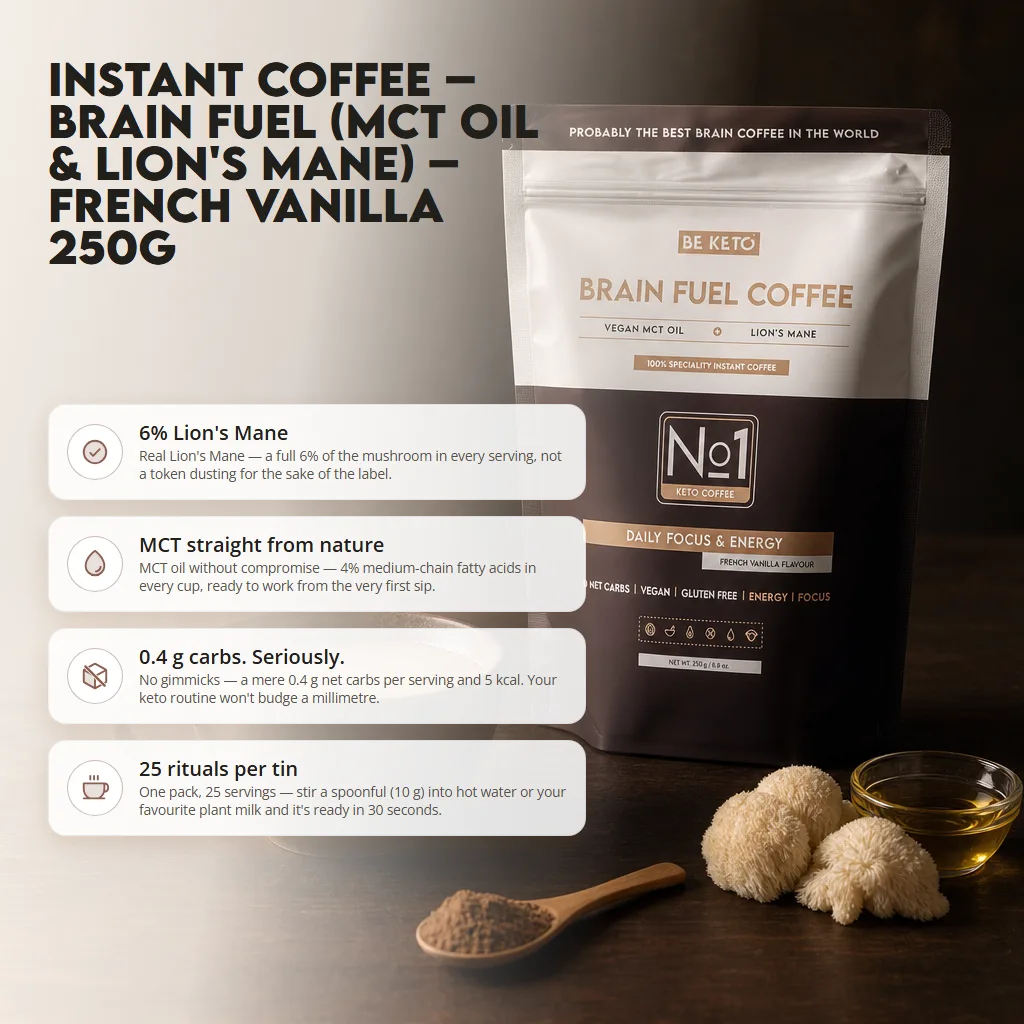
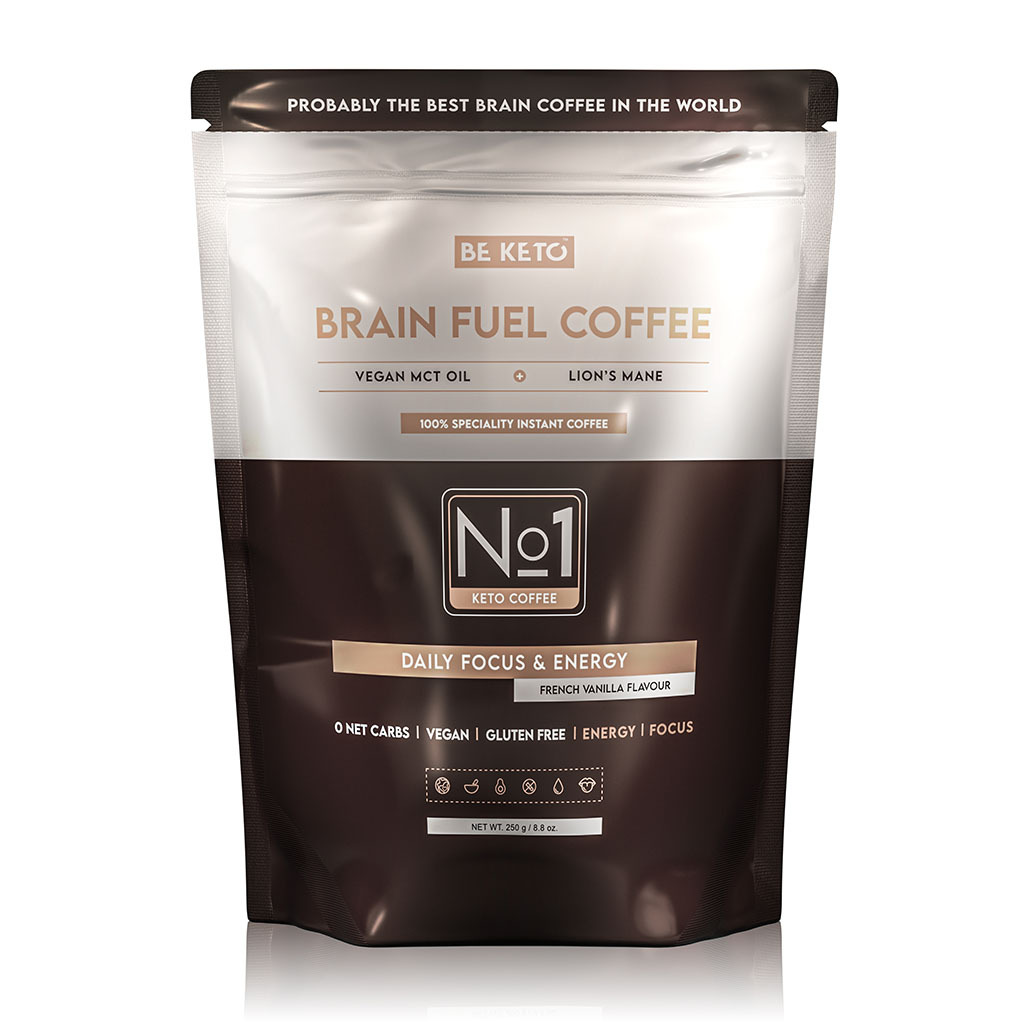 Improves Concentration and Supports Memory
Instant Coffee – Brain Fuel (MCT Oil & Lion’s Mane) – French Vanilla 250g
£ 17.90 GBP✔ Promotes nerve cell regeneration and health
✔ Strengthens the immune system and metabolism
✔ Improves concentration and supports memory
✔ Ideal as a replacement for your traditional coffee
-
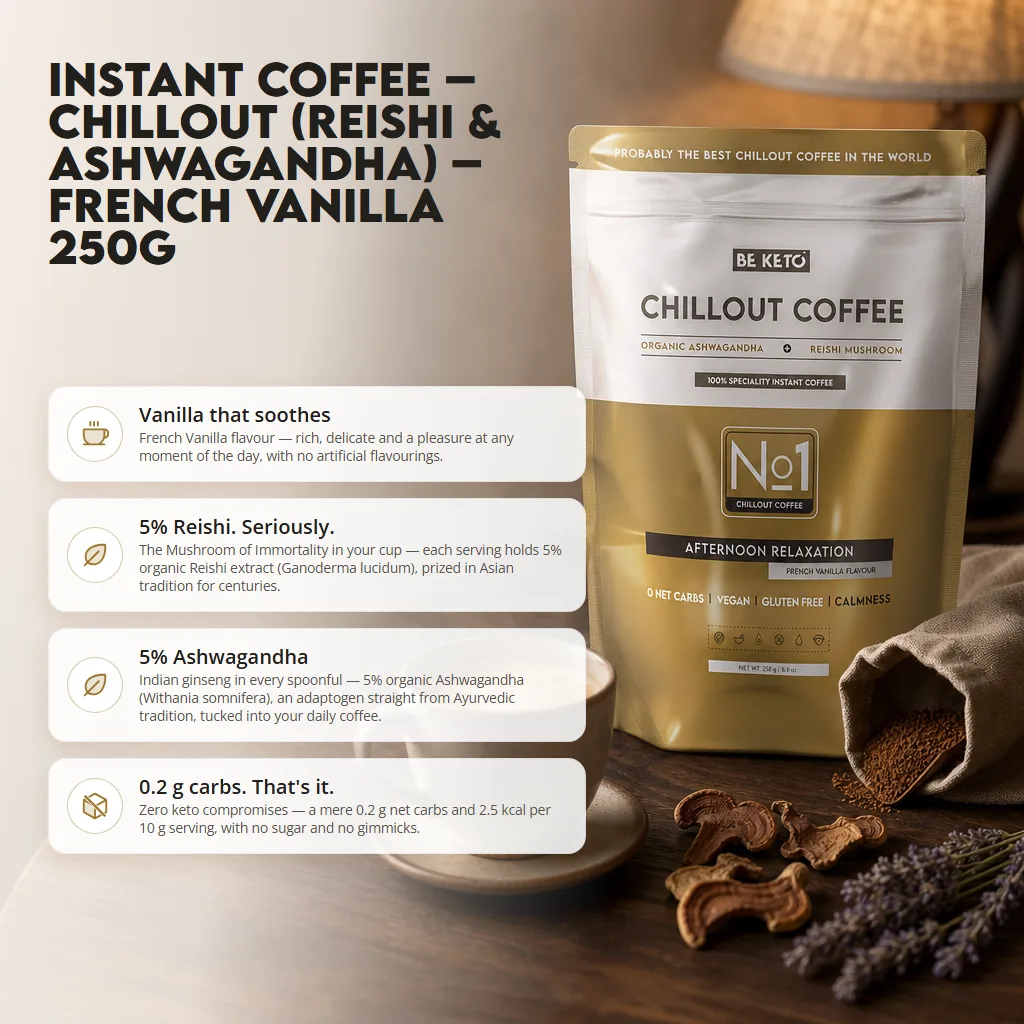
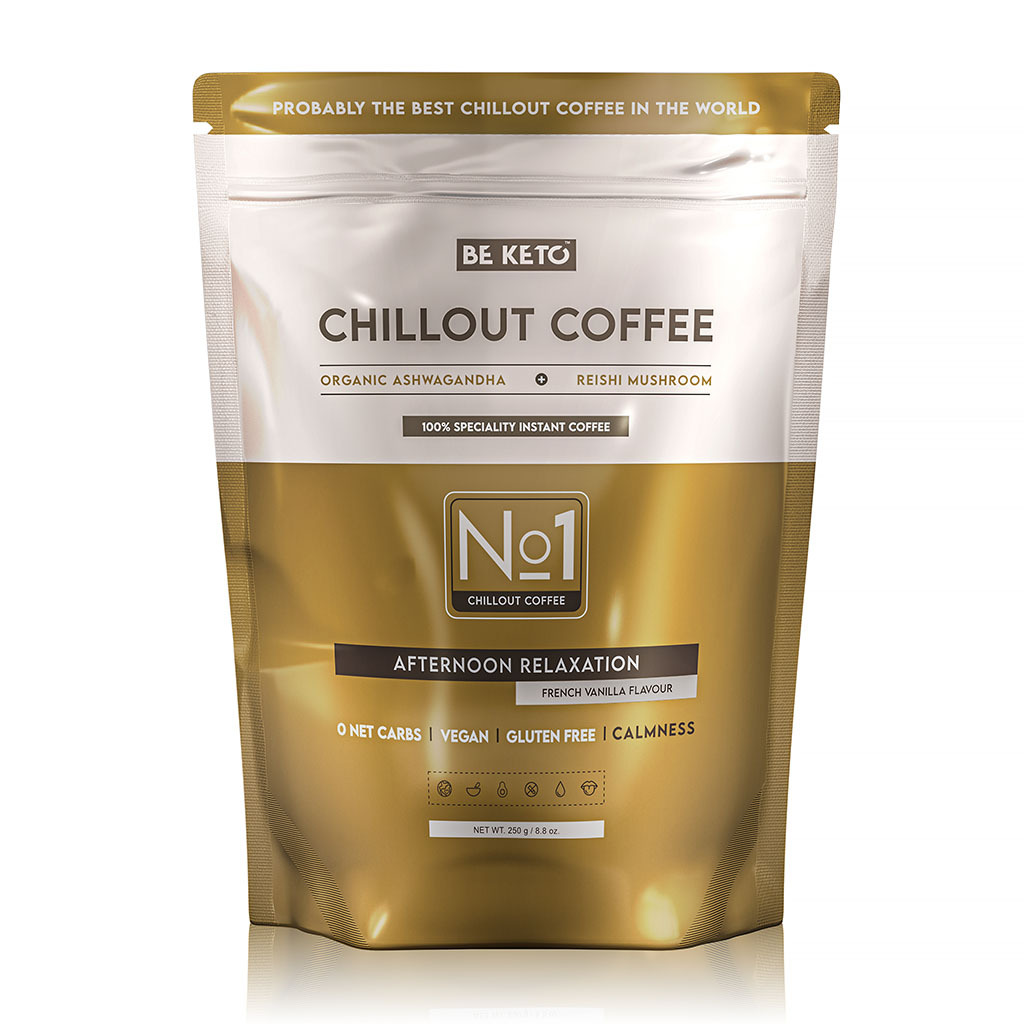 Strengthens Immunity and Internal Balance
Instant Coffee – Chillout (Reishi & Ashwagandha) – French Vanilla 250g
£ 17.90 GBP✔ Relieves stress and improves sleep quality
✔ Promotes heart health and well-being
✔ Strengthens immunity and regulates metabolism
✔ Ideal as a replacement for your traditional coffee
-
Out of stock
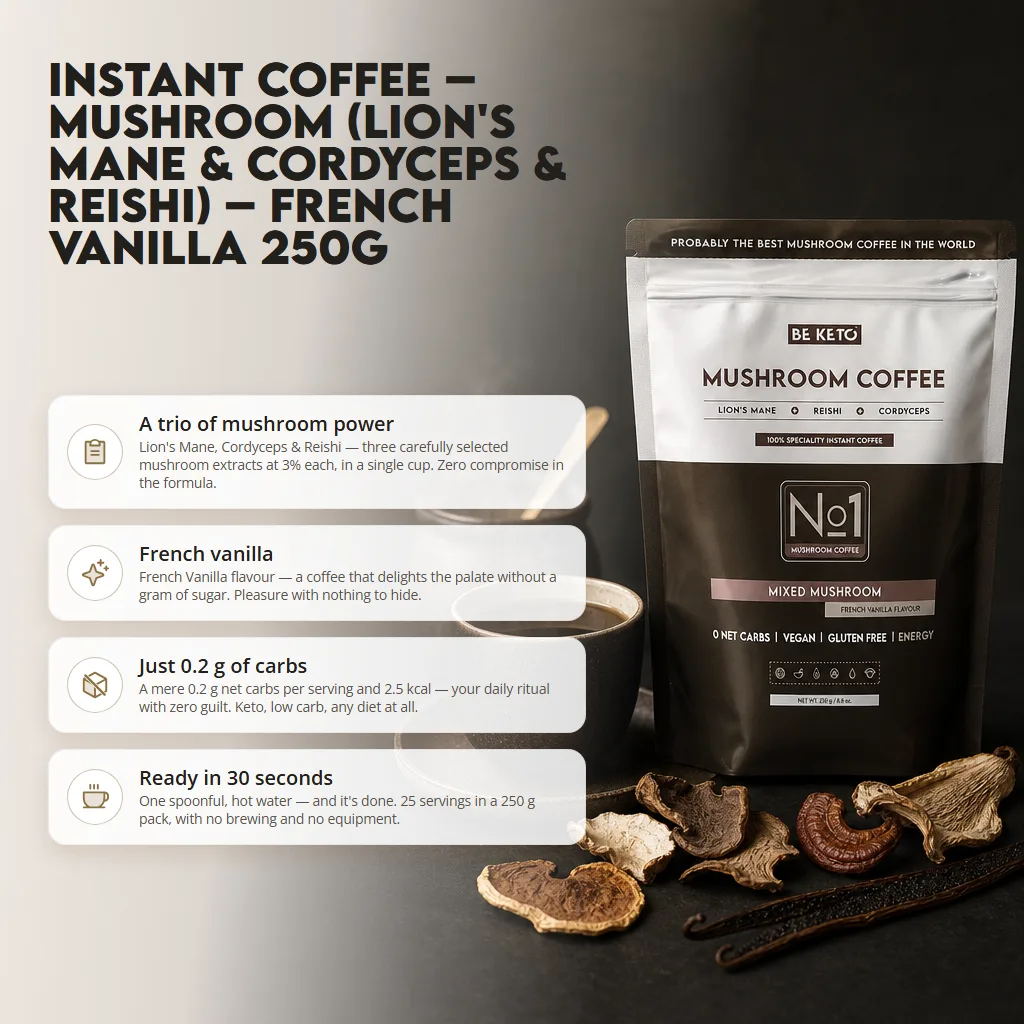
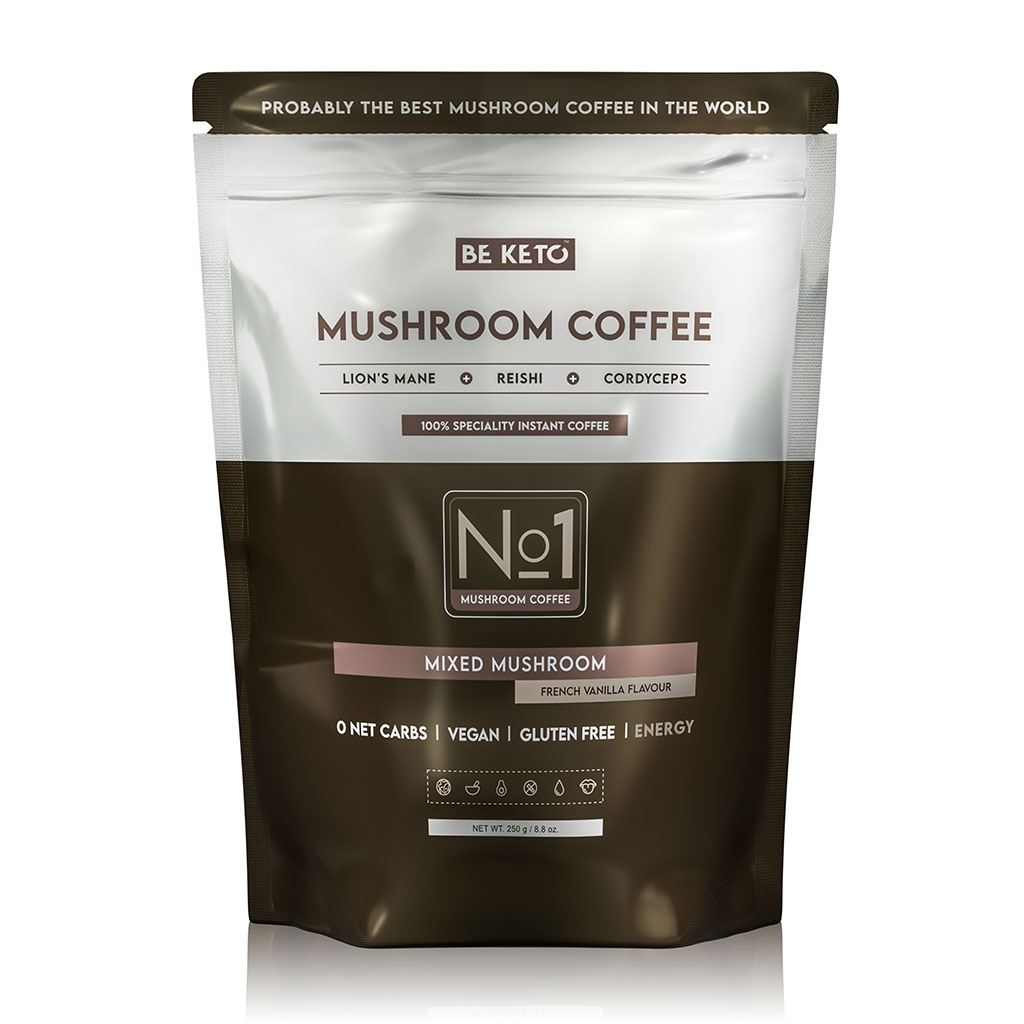 Supports Cognitive Function and Concentration
Instant Coffee – Mushroom (Lion’s Mane & Cordyceps & Reishi) – French Vanilla 250g
£ 17.90 GBP✔ Improves cognitive function, supporting brain health and concentration
✔ Calms the body while boosting energy
✔ Strengthens immunity and reduces stress
✔ Ideal as a replacement for your traditional coffee
-
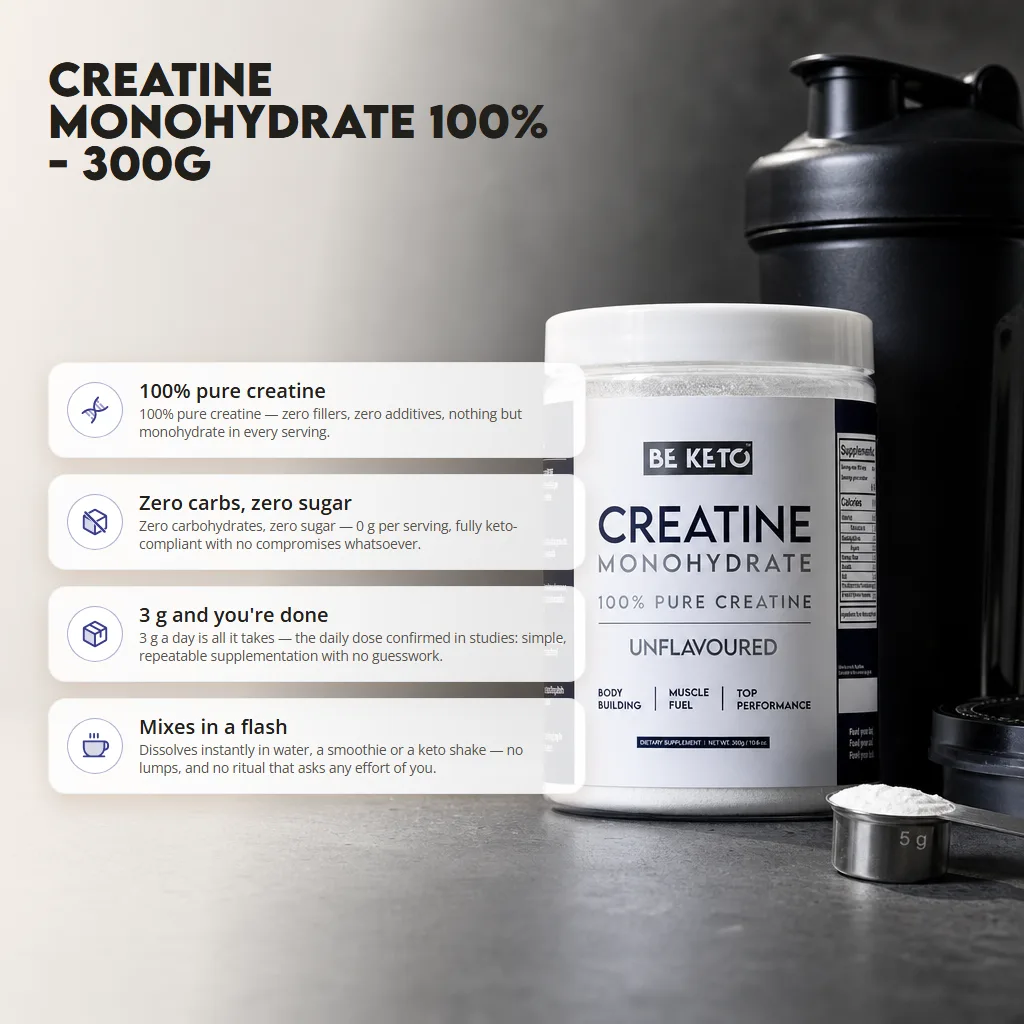
 Fast And Stable Energy Boost
Creatine Monohydrate – 100% Pure 300g
£ 21.90 GBP✔ Accelerates muscle building
✔ Improves athletic performance
✔ Reduces muscle soreness
✔ Easily soluble
-
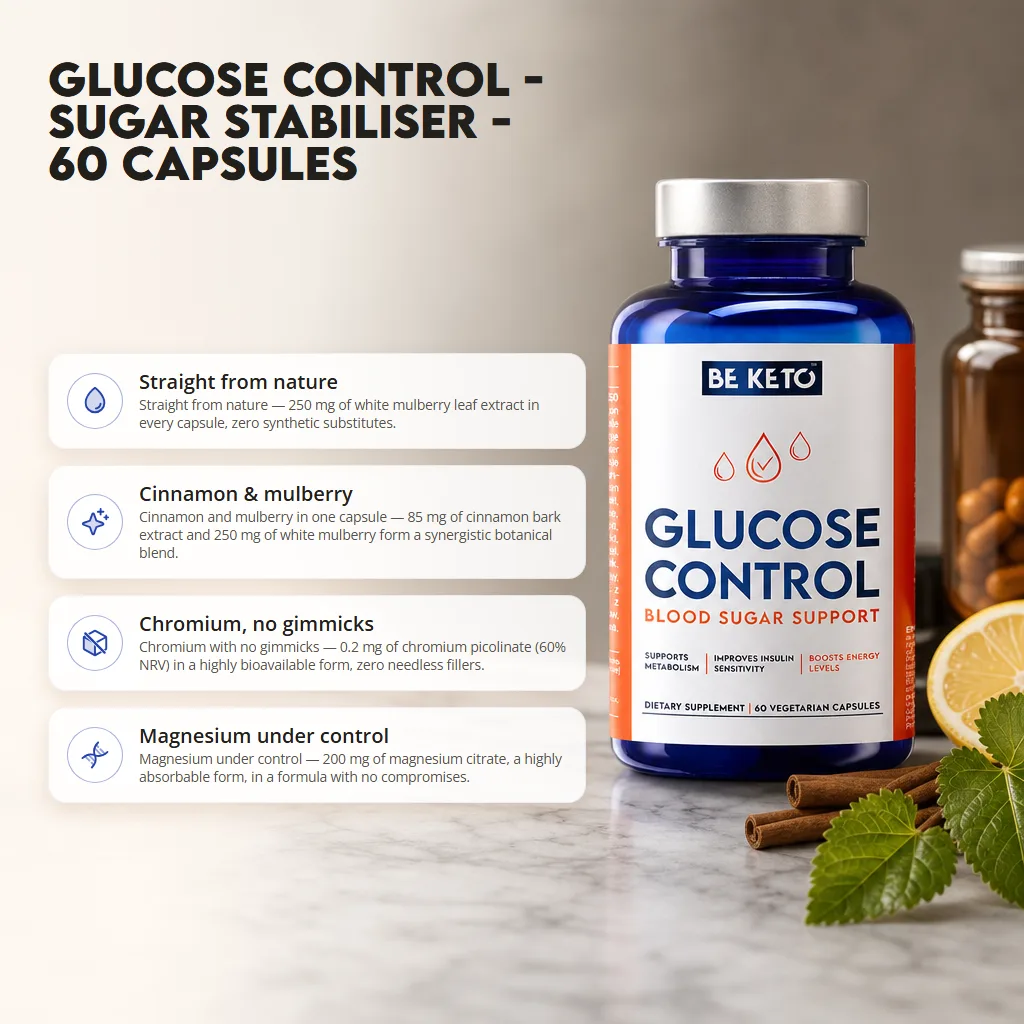
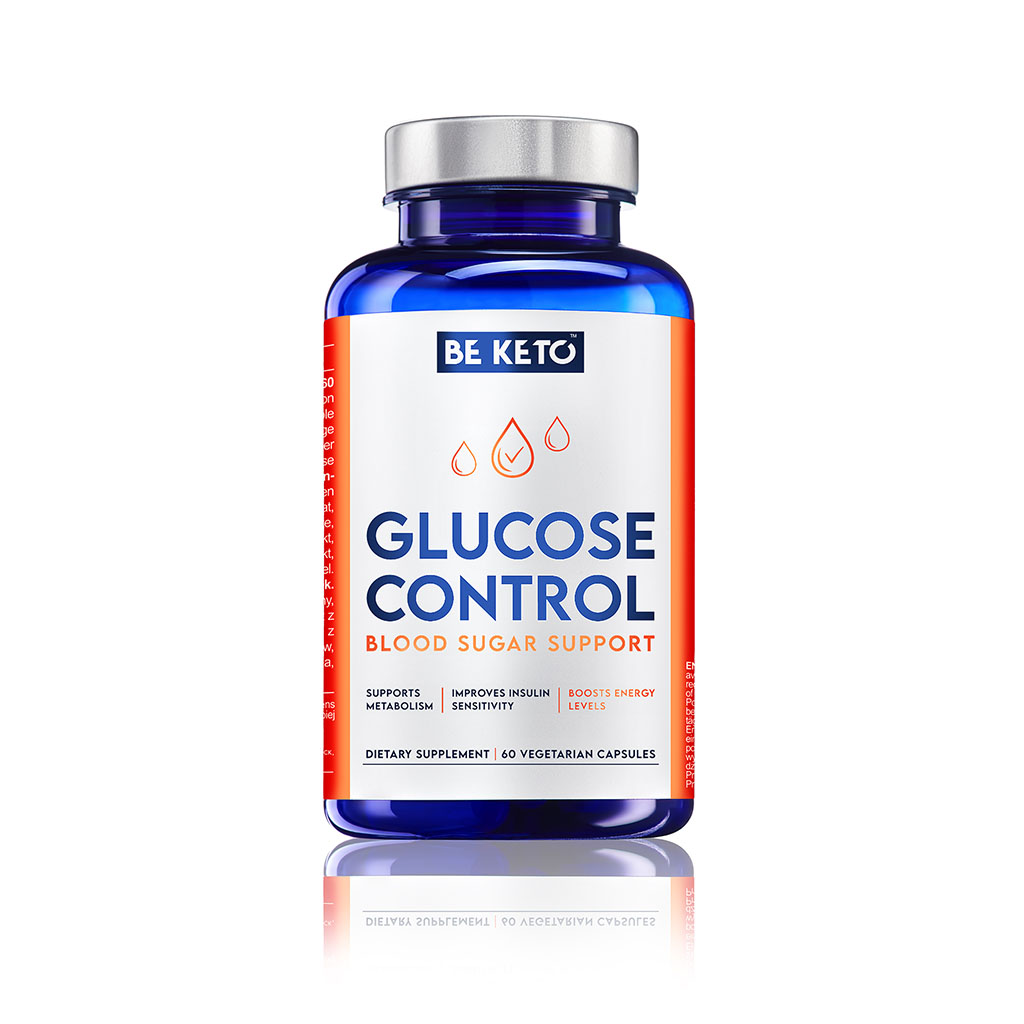 Natural Blood Sugar Stabilizer
Glucose Control – Blood Sugar Stabilizer – 60 Capsules
£ 18.90 GBP✔ Stabilizes blood sugar levels after meals
✔ Increases cellular sensitivity to insulin
✔ Supports healthy carbohydrate metabolism
✔ Reduces fatigue and energy fluctuations
✔ Promotes cardiovascular health
✔ Provides antioxidants that protect against oxidative stress
-
NEW
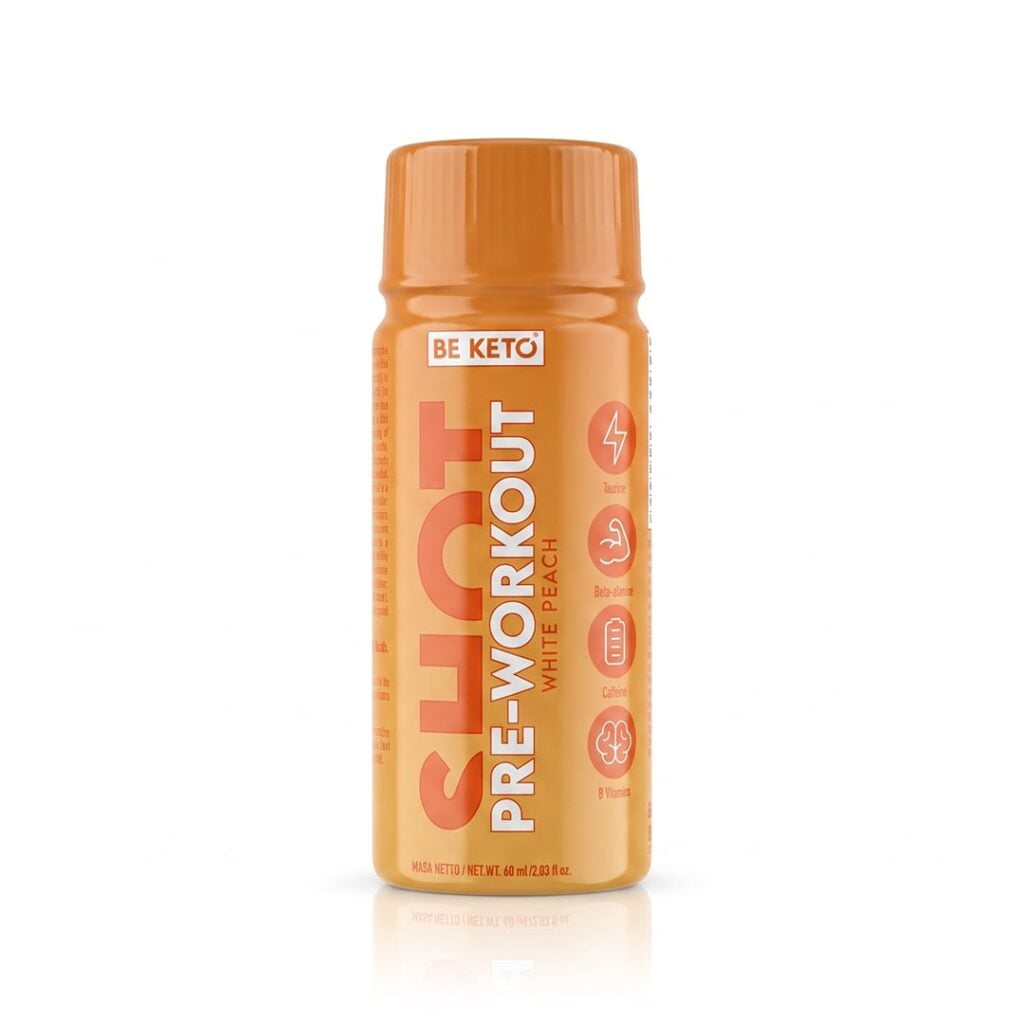
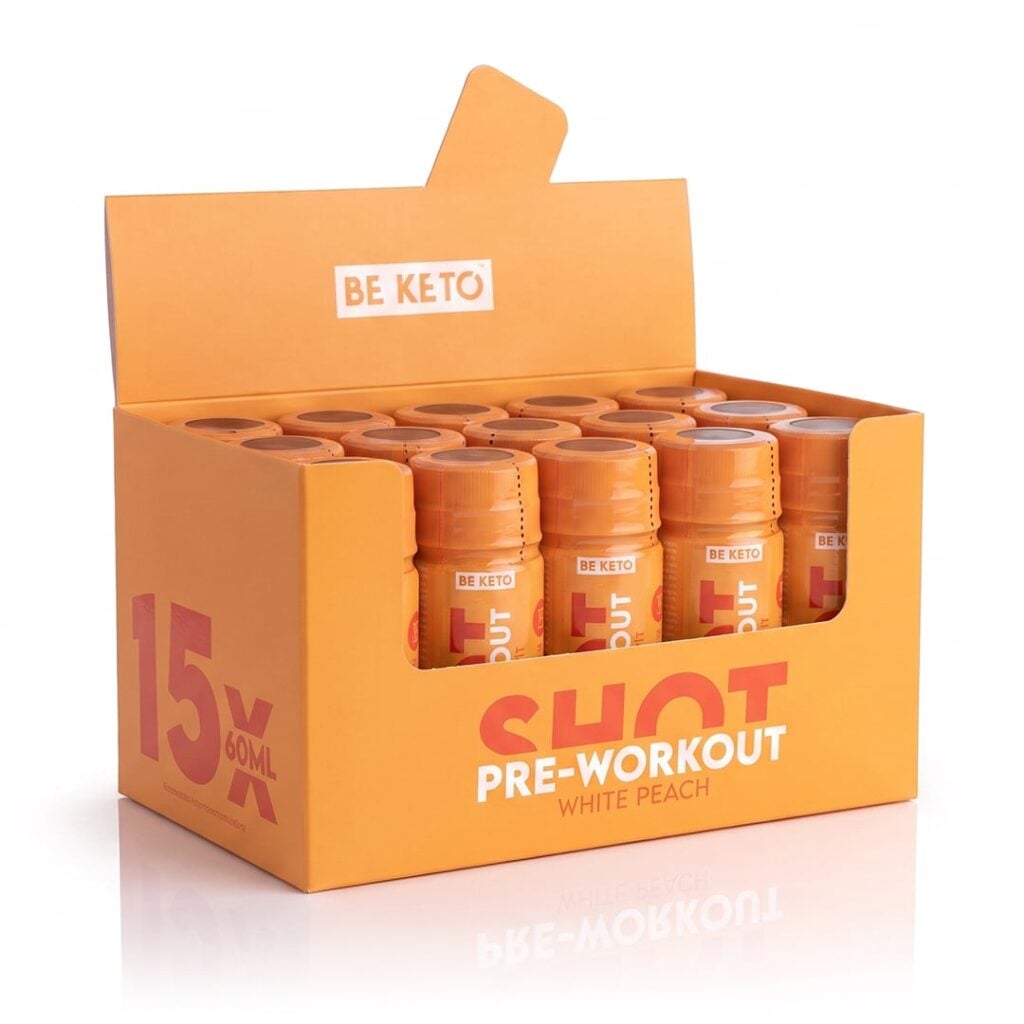 15 x 1000 mg taurine
Preworkout Shot – White Peach – Set of 15 x 60ml
£ 39.99 GBP✔ 15 bottles of 60 ml in one box
✔ 1000 mg taurine and 800 mg beta-alanine per bottle
✔ 85 mg caffeine, about the same as a cup of coffee
✔ High content of vitamins B3, B6 and B12
-
NEW
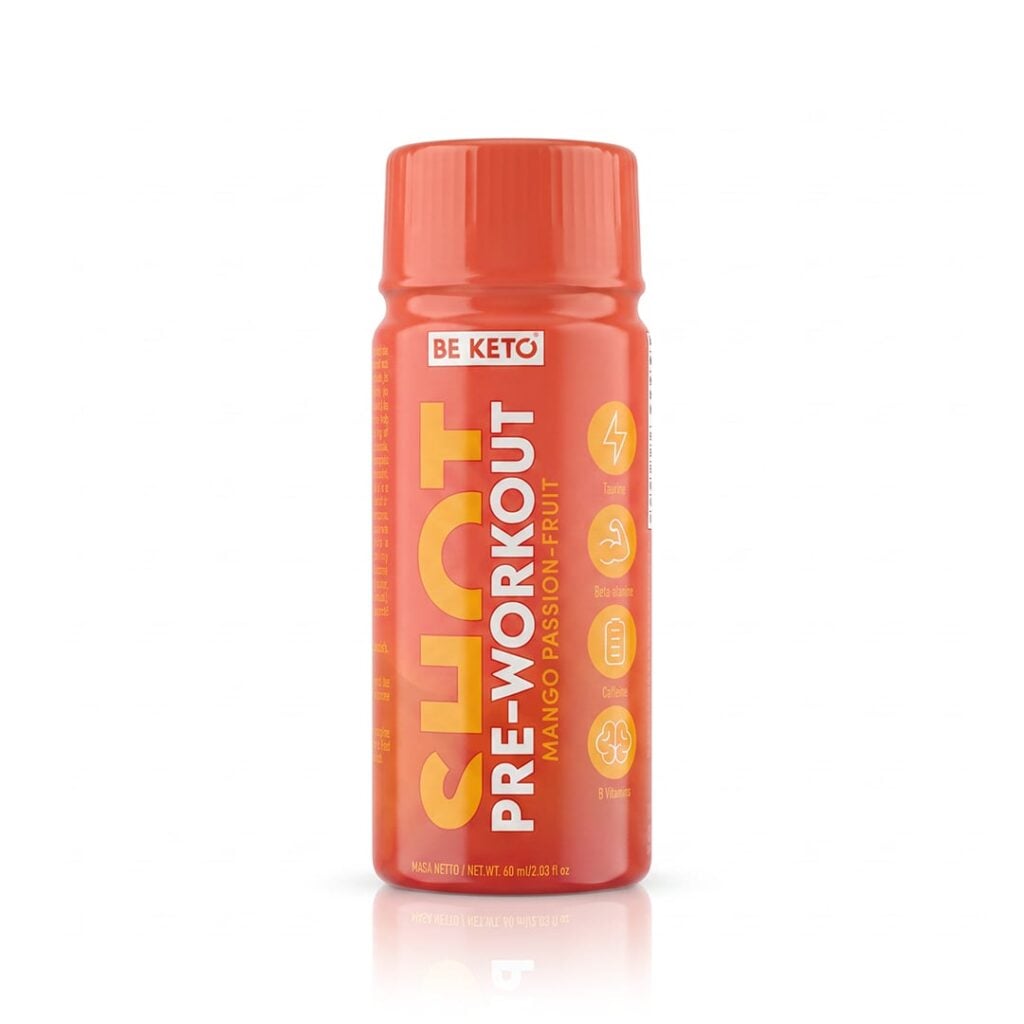
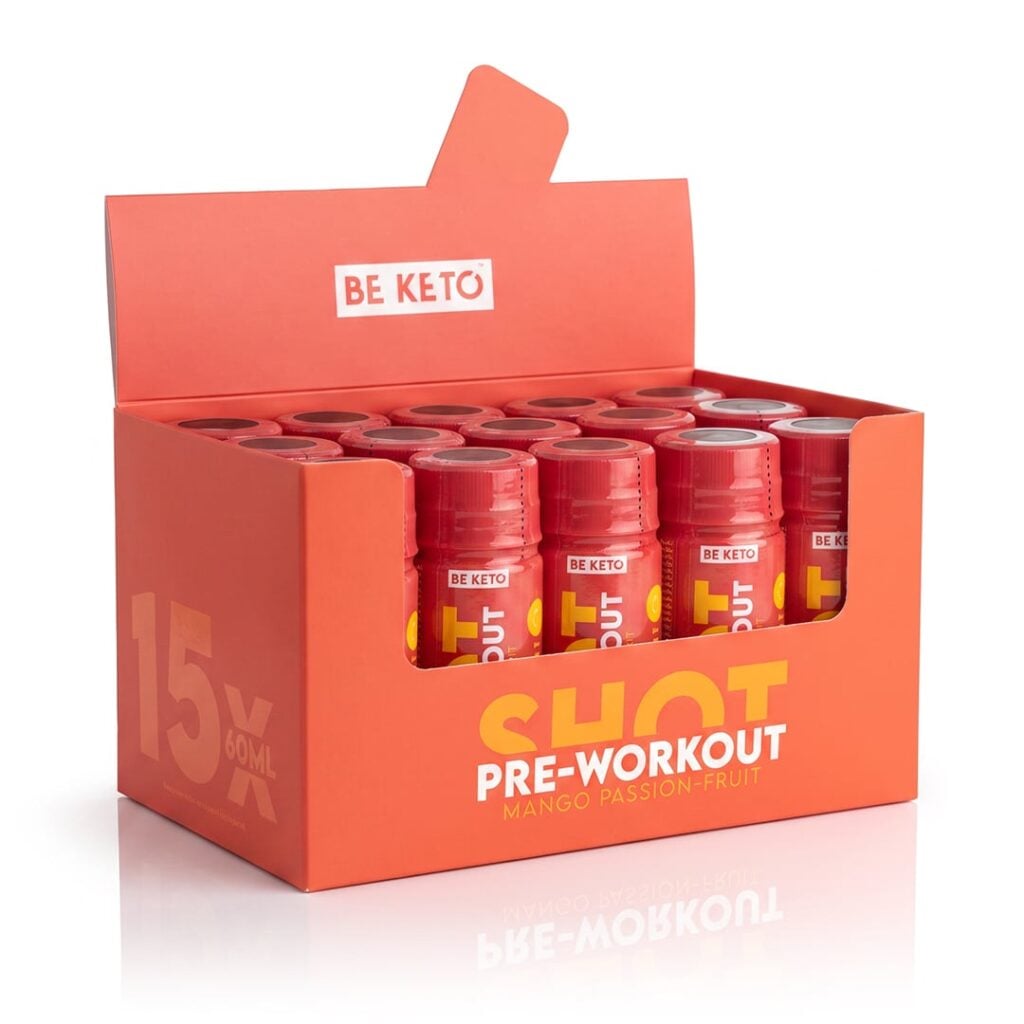 Vitamin B12 at 1280% of the reference intake
Preworkout Shot – Mango & Passion Fruit – Set of 15 x 60ml
£ 39.99 GBP✔ 15 bottles of 60 ml in one box
✔ 1000 mg taurine and 800 mg beta-alanine per bottle
✔ 85 mg caffeine, about the same as a cup of coffee
✔ High content of vitamins B3, B6 and B12
-
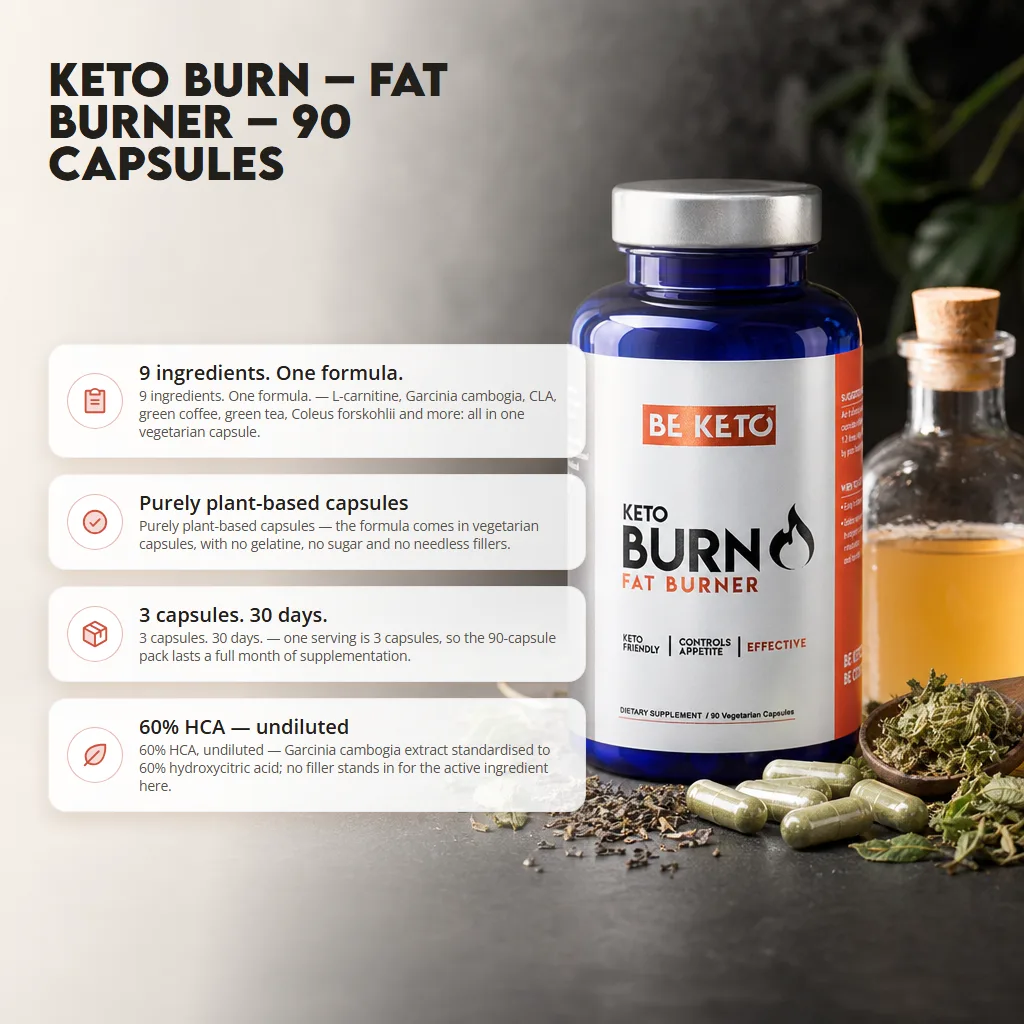
 Reduces AppetiteBESTSELLER
Keto Burn – 90 Capsules
£ 19.90 GBP✔ Prevents the accumulation of fatty tissue
✔ Effectively reduces appetite
✔ Supports weight loss
✔ Stimulates the metabolism and provides energy
-
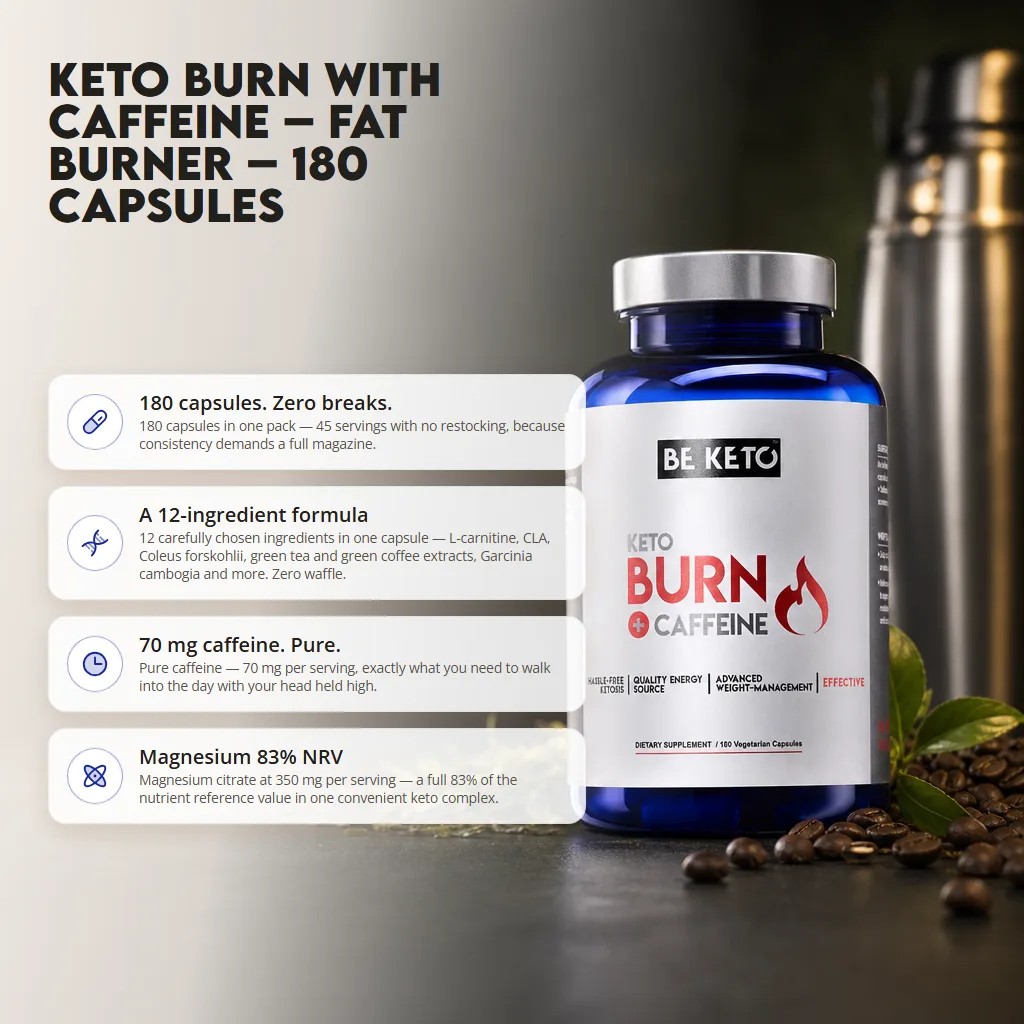
 Stimulates The Metabolism
Keto Burn + Caffeine – 180 Capsules
£ 29.90 GBP✔ Effectively reduces appetite
✔ Boosts the metabolism and provides energy
✔ Prevents the deposition of body fat
✔ Supports weight loss
-
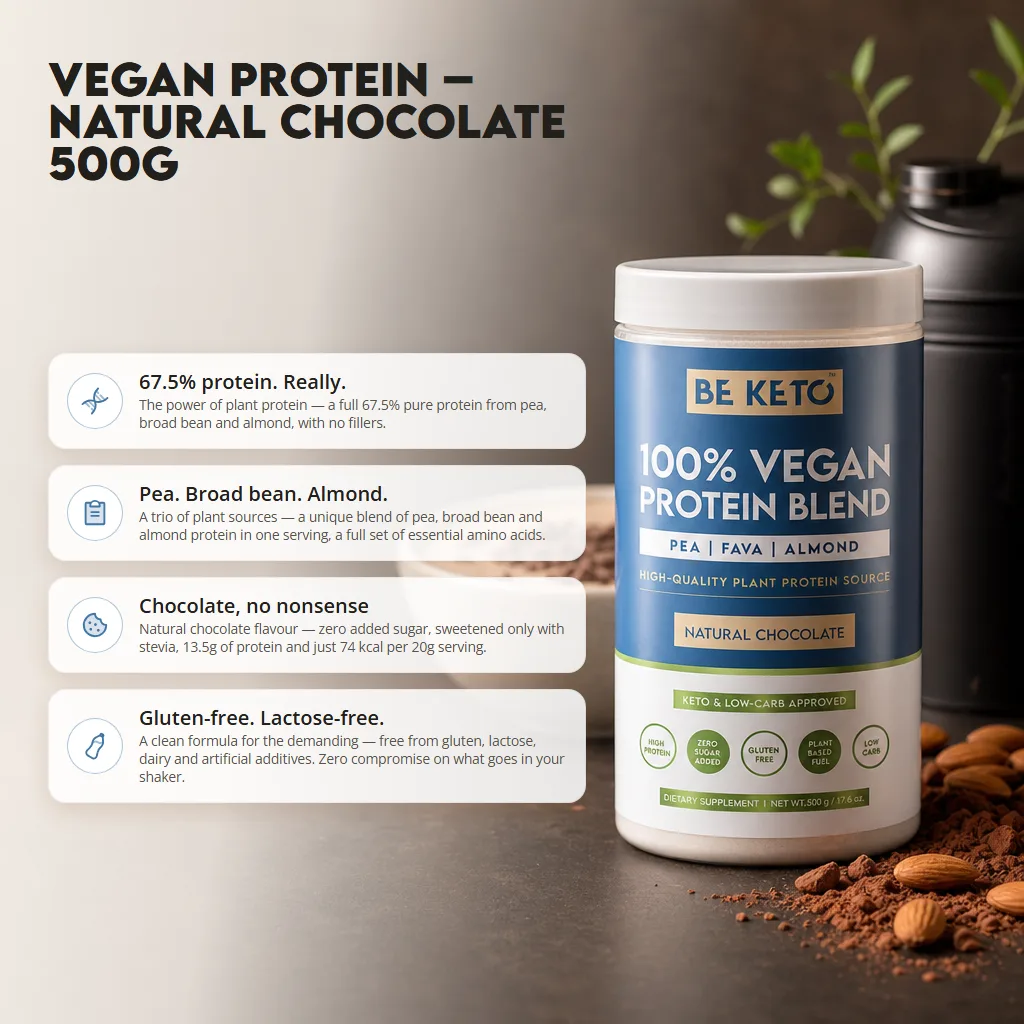
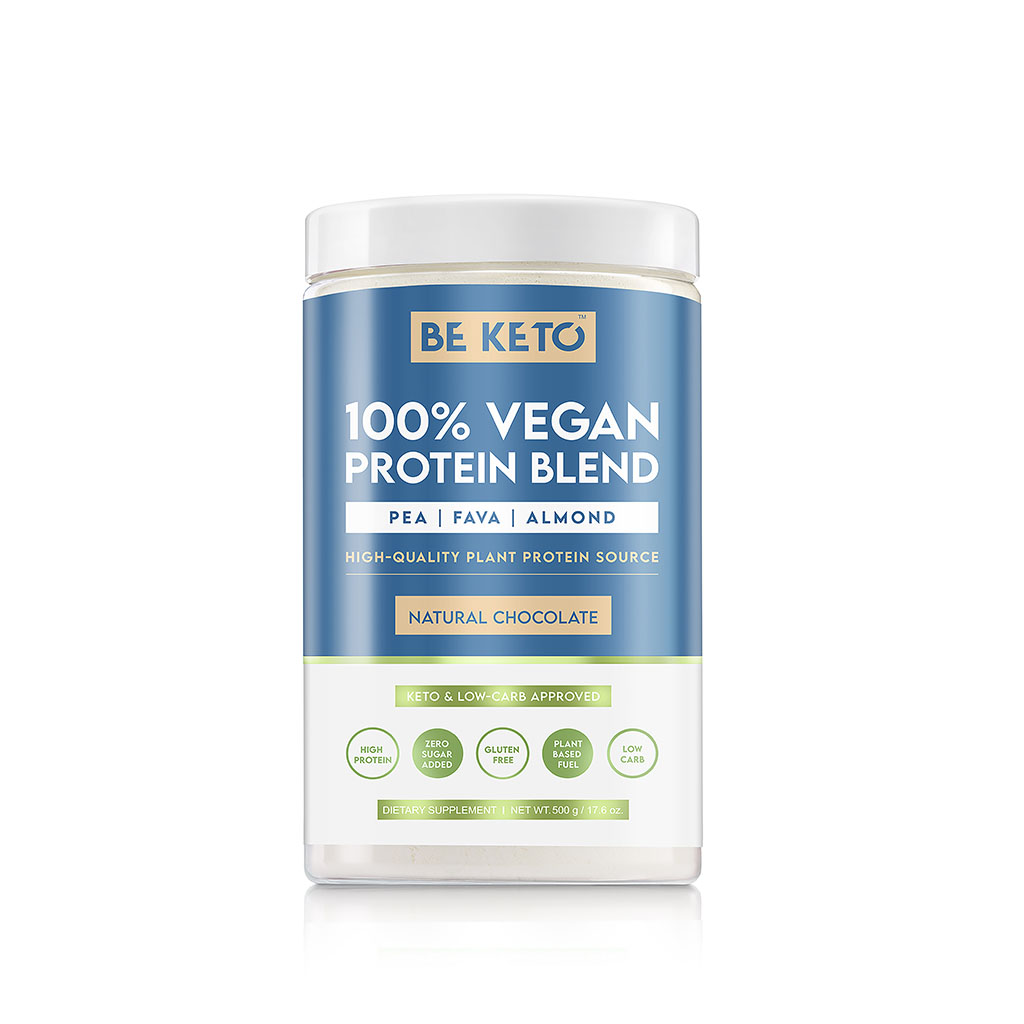 Pure Power of Plant Protein
Vegan Protein – Natural Chocolate 500g
£ 28.90 GBP✔ As much as 67.5% pure, complete plant-based protein
✔ Easily digestible formula – no bloating or heaviness
✔ Rich flavor of natural chocolate
✔ Zero added sugar – sweetened with natural stevia
✔ Free from gluten, lactose, and artificial additives
-
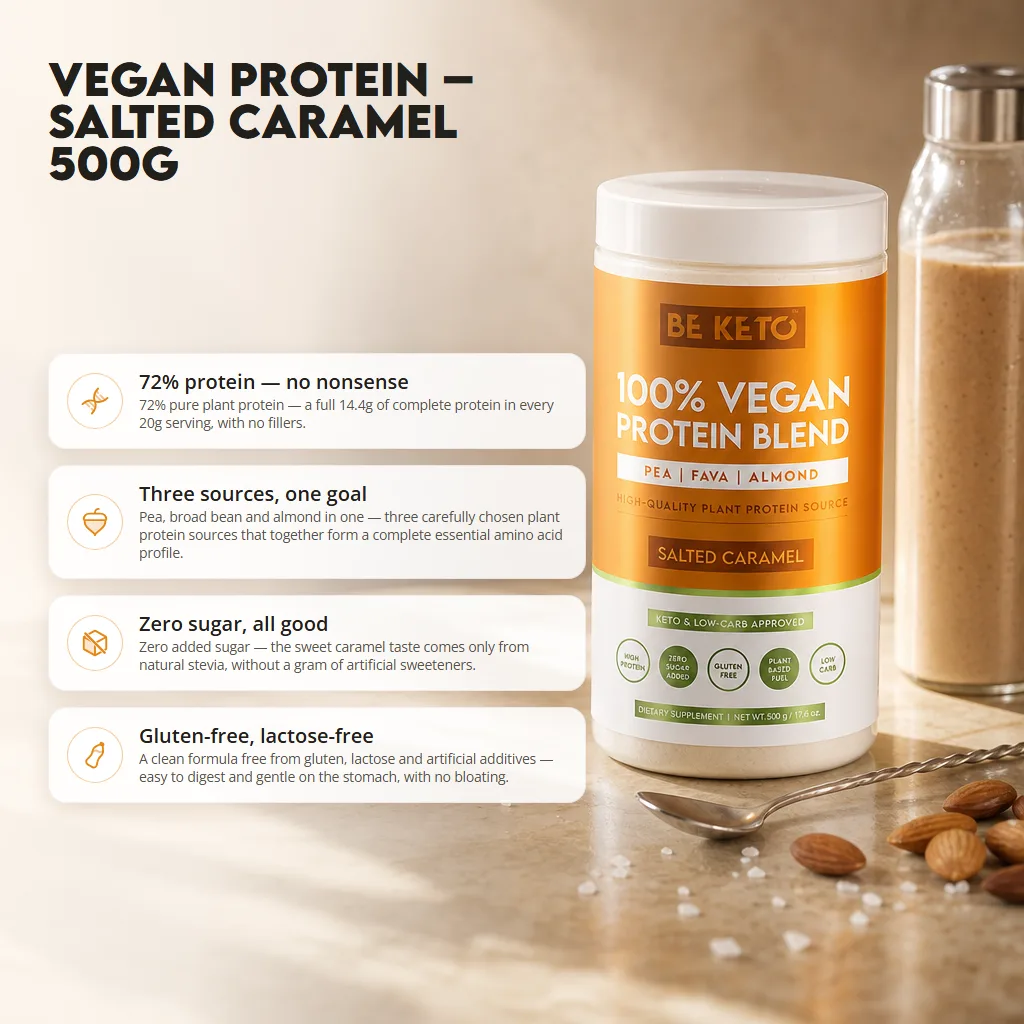
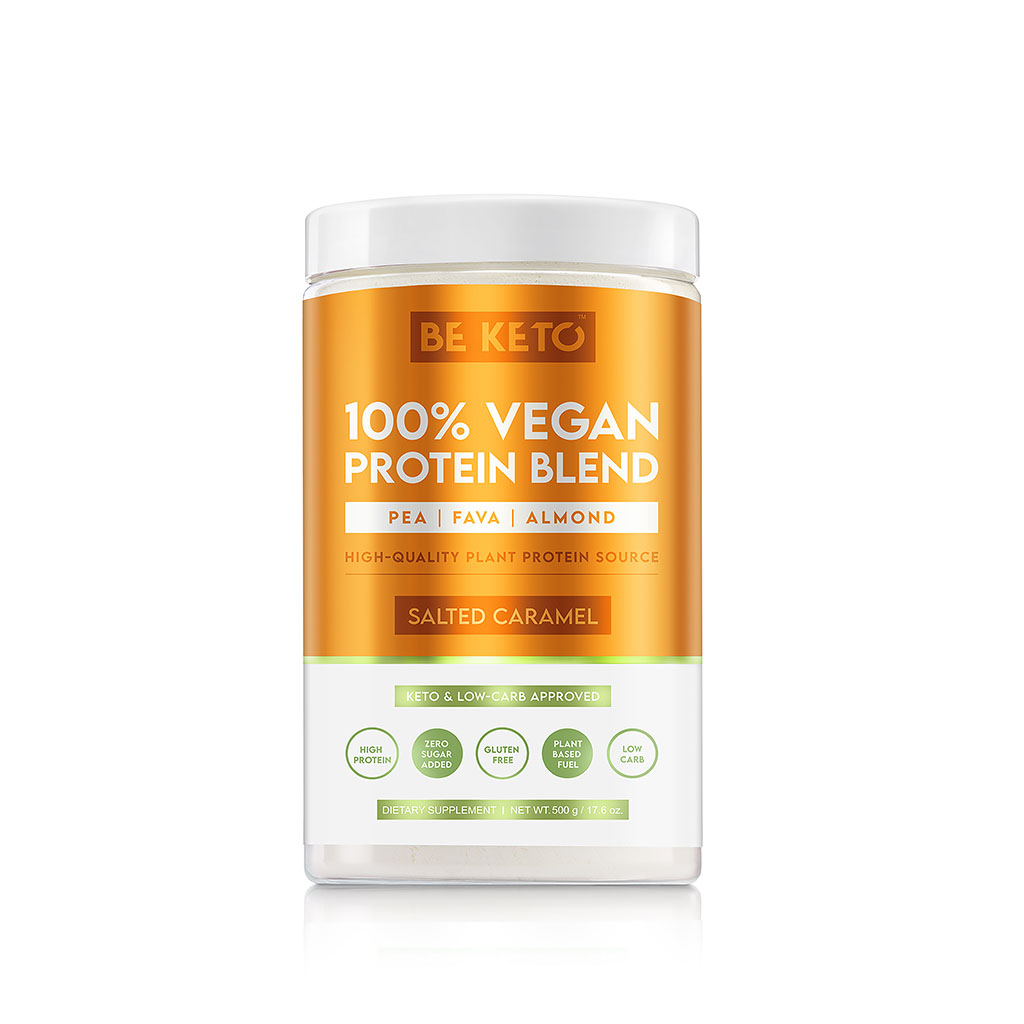 Pure Power of Plant Protein
Vegan Protein – Salted Caramel 500g
£ 28.90 GBP✔ As much as 72% pure, high-quality plant-based protein
✔ Easy-to-digest formula – no bloating or heaviness
✔ Aromatic salted caramel flavor
✔ No added sugar – sweetened naturally with stevia
✔ Gluten-free, lactose-free, and free from artificial additives
-
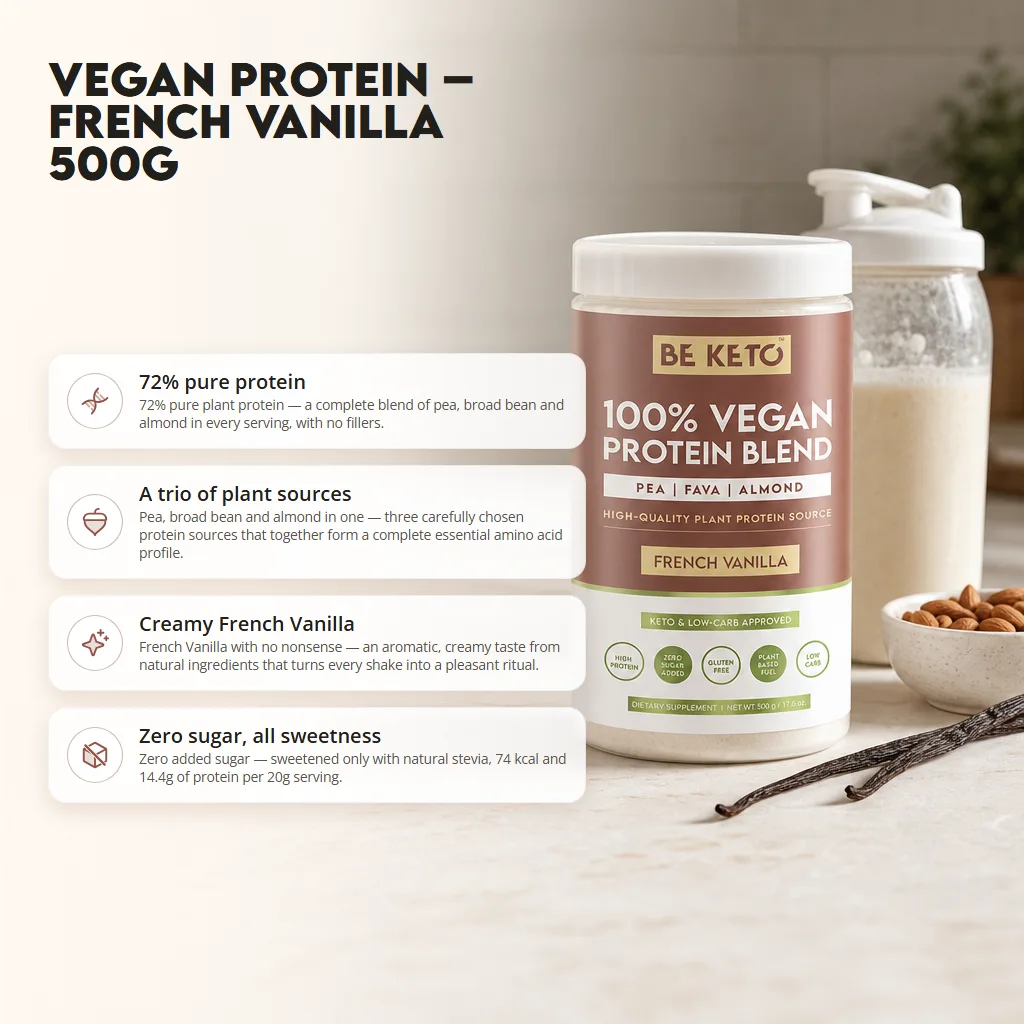
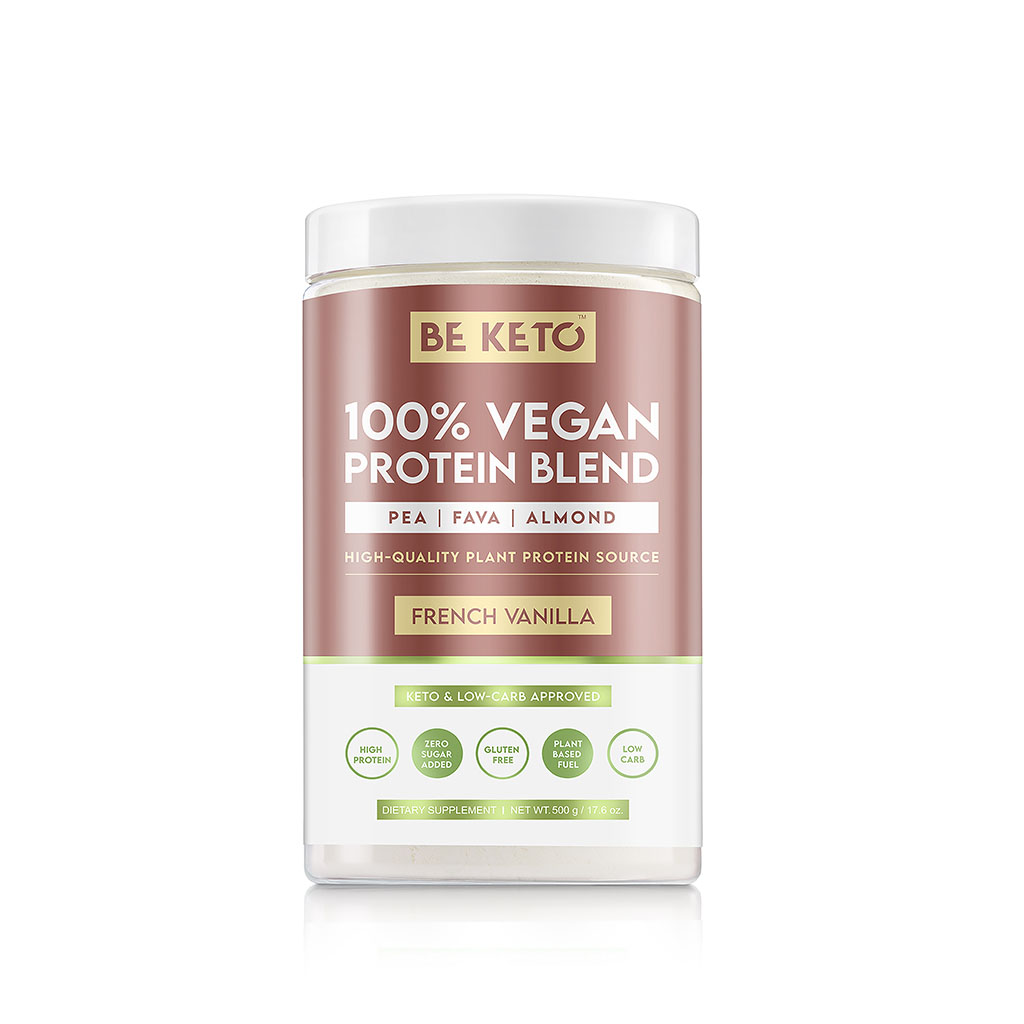 Pure Power of Plant Protein
Vegan Protein – French Vanilla 500g
£ 28.90 GBP✔ As much as 72% pure, high-quality plant protein
✔ Easy-to-digest formula – no bloating or heaviness
✔ Aromatic taste of French vanilla
✔ Zero added sugar – sweetened with natural stevia
✔ Free from gluten, lactose, and artificial additives
-
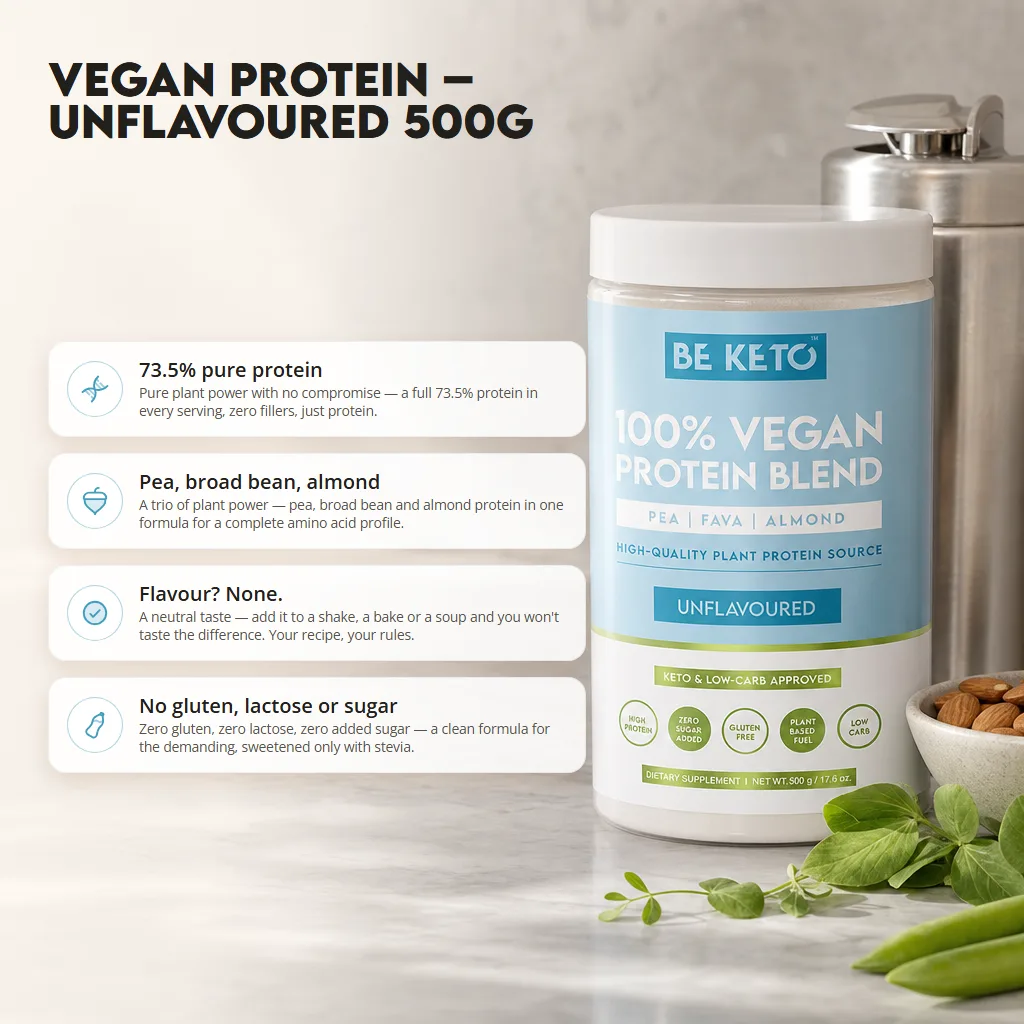
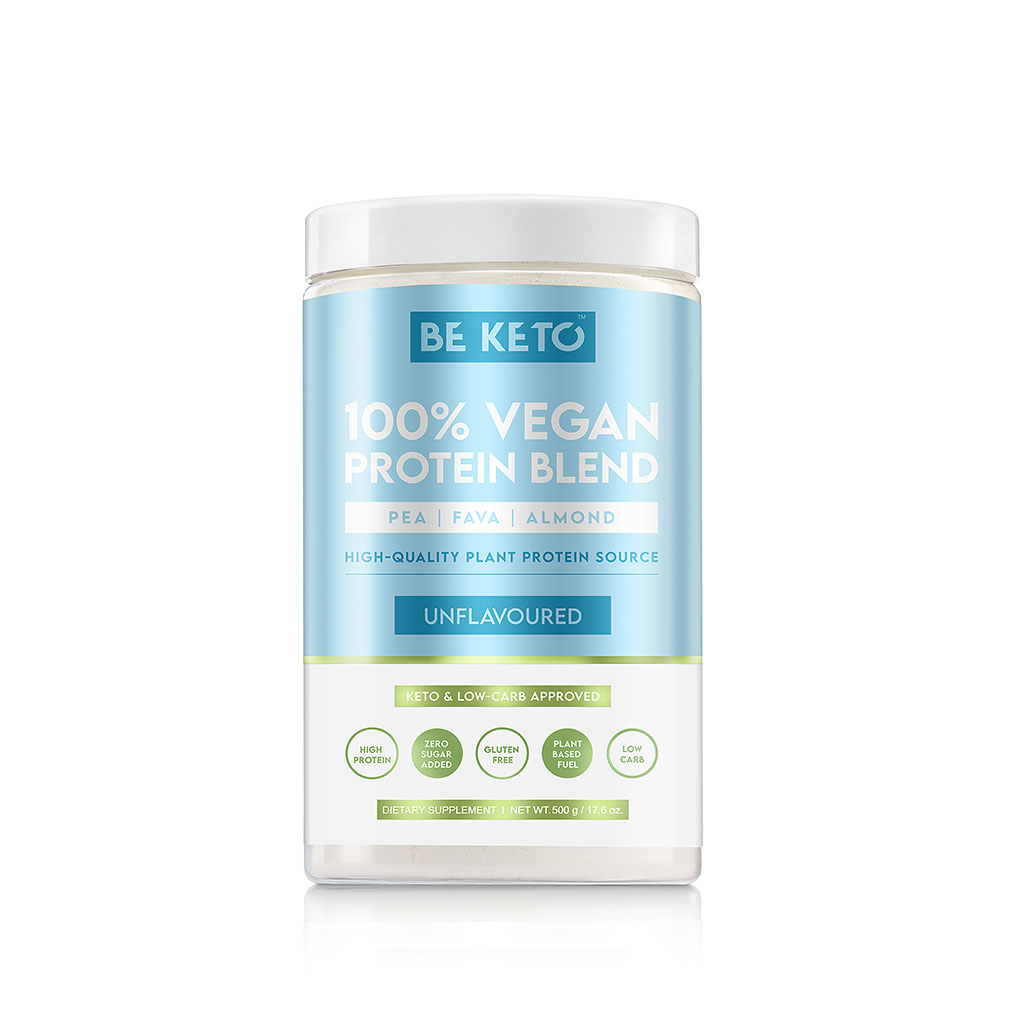 Pure Power of Plant Protein
Vegan Protein – Unflavoured 500g
£ 28.90 GBP✔ As much as 73.5% pure, high-quality plant-based protein
✔ Neutral taste – perfect for sweet and savory recipes
✔ High bioavailability – no heaviness or bloating
✔ Free from sugar, gluten, lactose, and artificial additives
✔ An excellent source of protein for keto, low-carb, and vegan diets
-
Out of stock
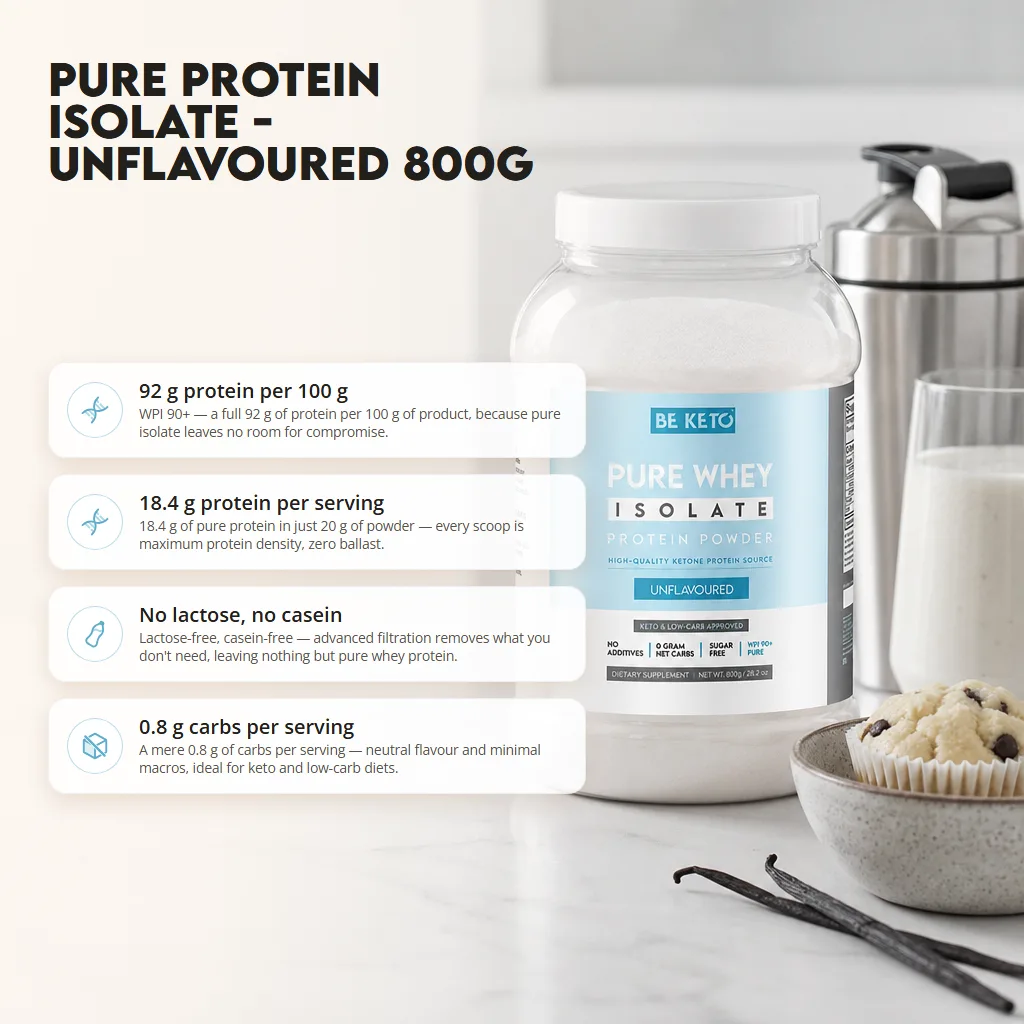
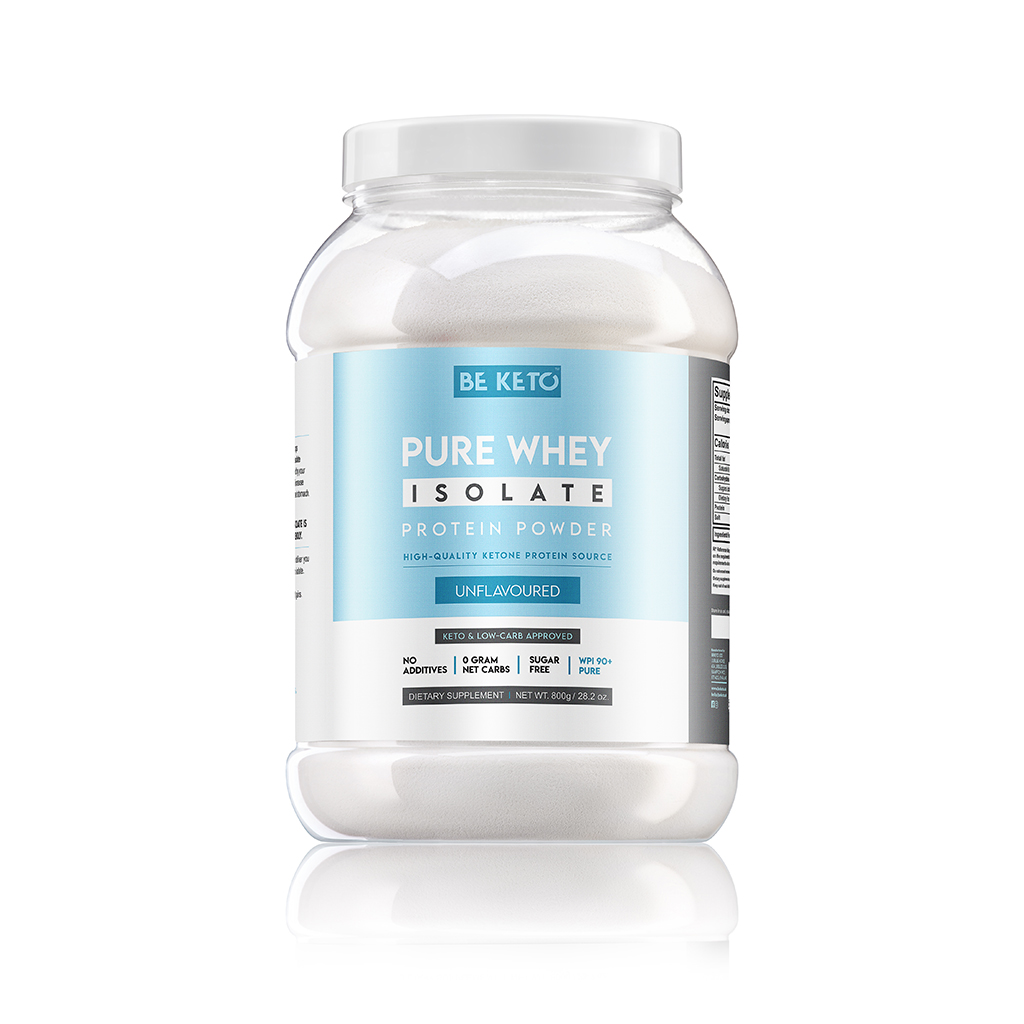 The Purest Form Of Protein
Pure Whey Isolate – Unflavoured 800g
£ 42.90 GBP✔ Highest possible protein content, WPI 90+
✔ Free from additives and sugar, pure protein power
✔ Supports the build-up of muscle mass
✔ Supports muscle recovery
-
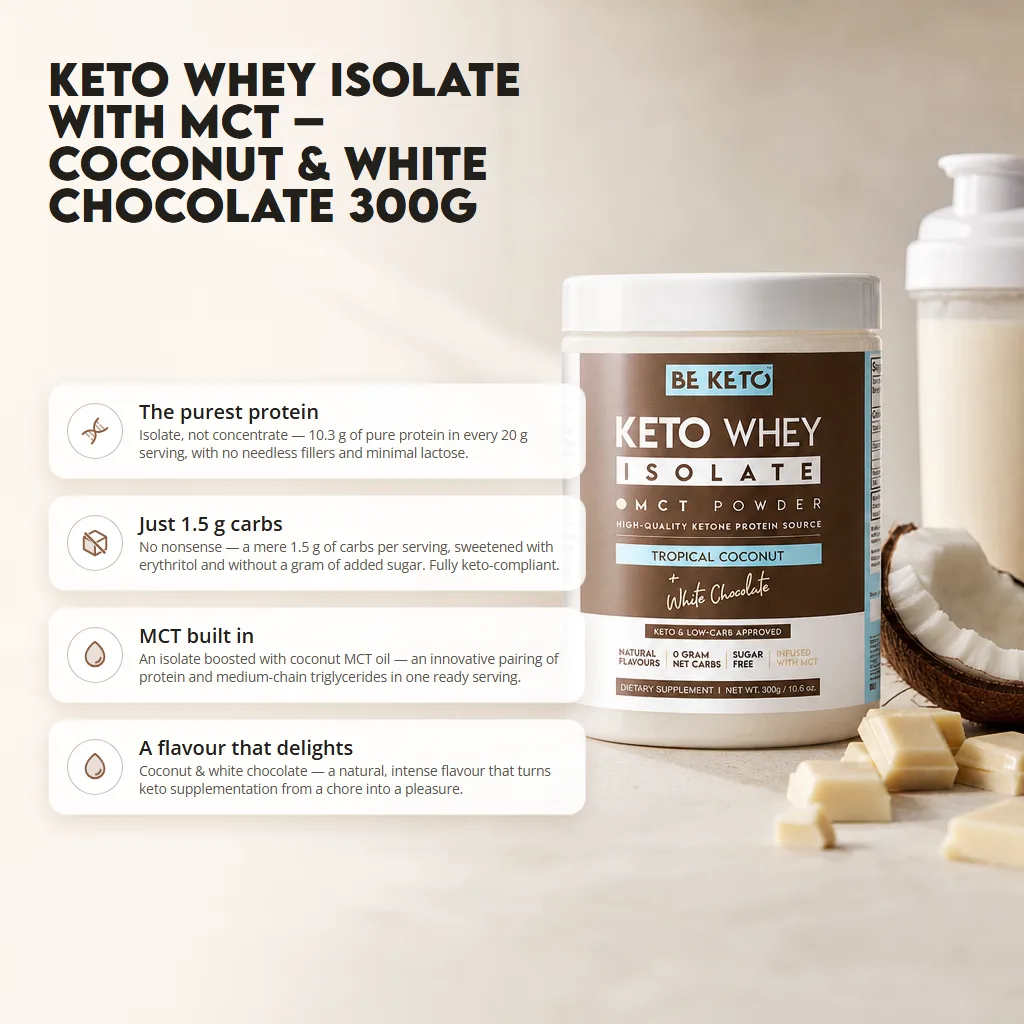
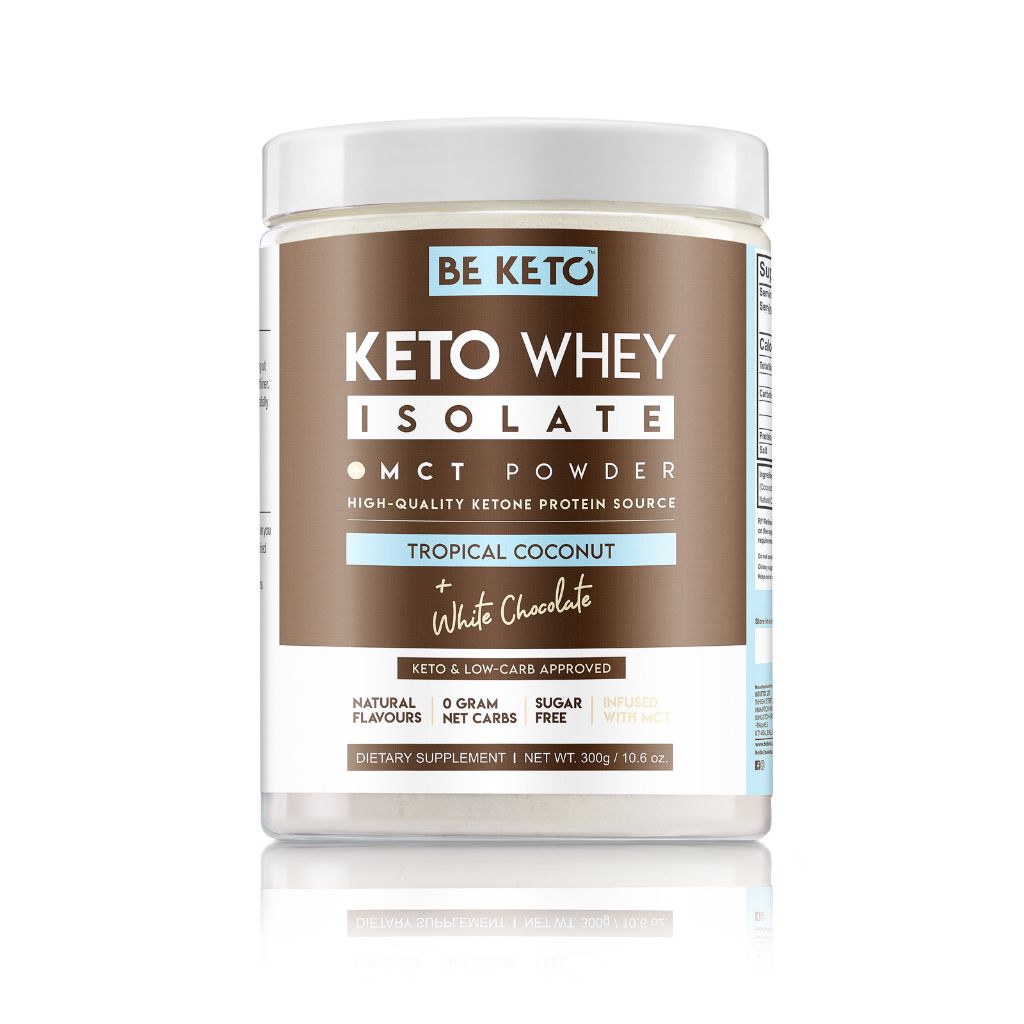 The Purest Form Of Protein + MCTBESTSELLER
Keto Whey Isolate + MCT – Coconut & White Chocolate 300g
£ 22.90 GBP✔ Helps build muscle mass
✔ Helps with muscle recovery
✔ Increases the feeling of satiety
✔ Helps with weight loss
-
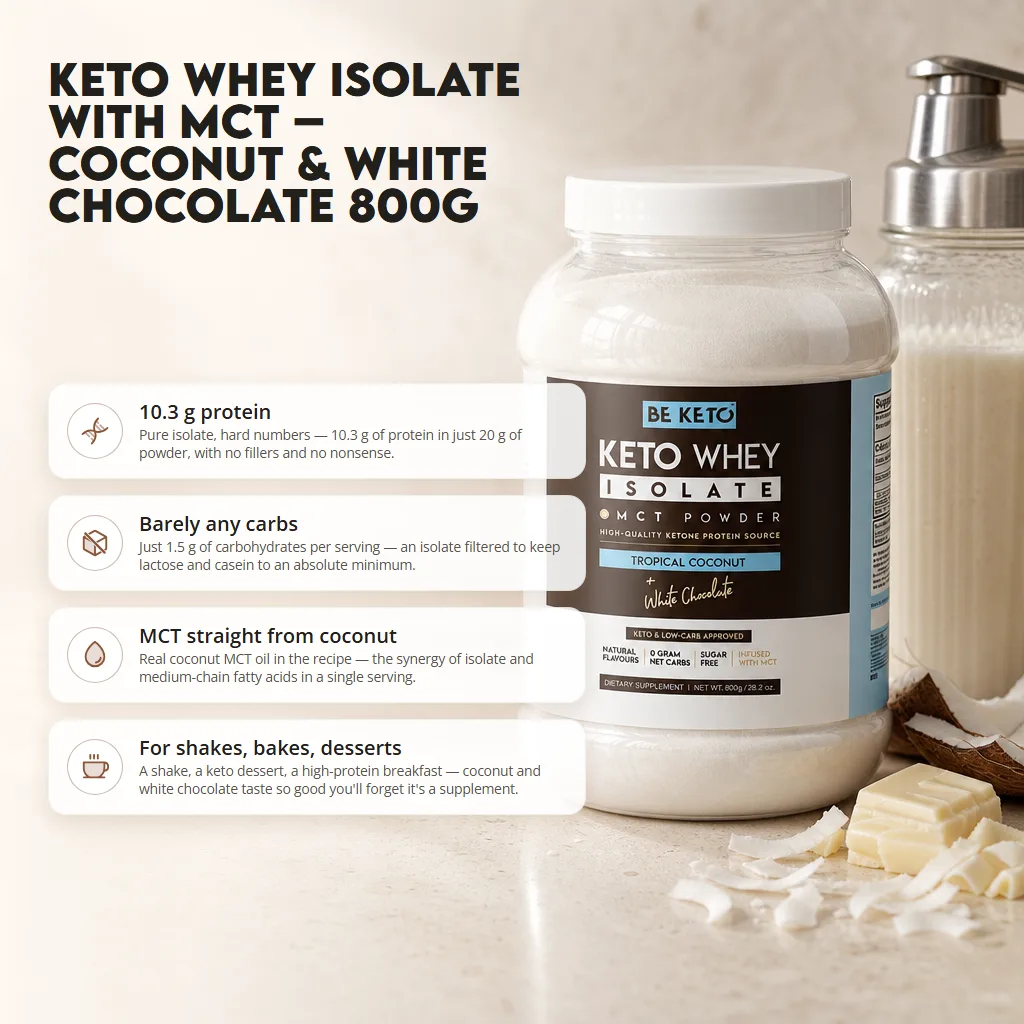
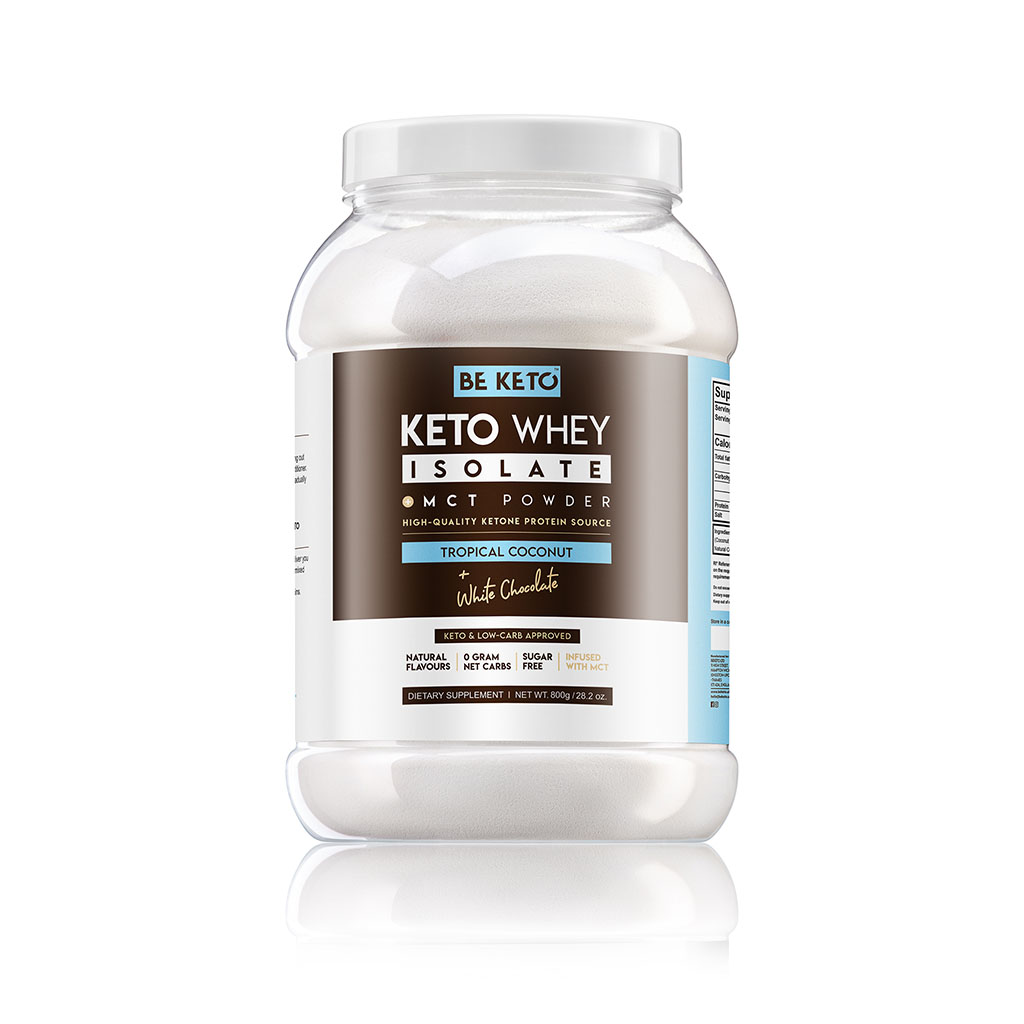 The Purest Form Of Protein + MCT
Keto Whey Isolate + MCT – Coconut & White Chocolate 800g
£ 42.90 GBP✔ Helps build muscle mass
✔ Helps with muscle recovery
✔ Increases the feeling of satiety
✔ Helps with weight loss
-
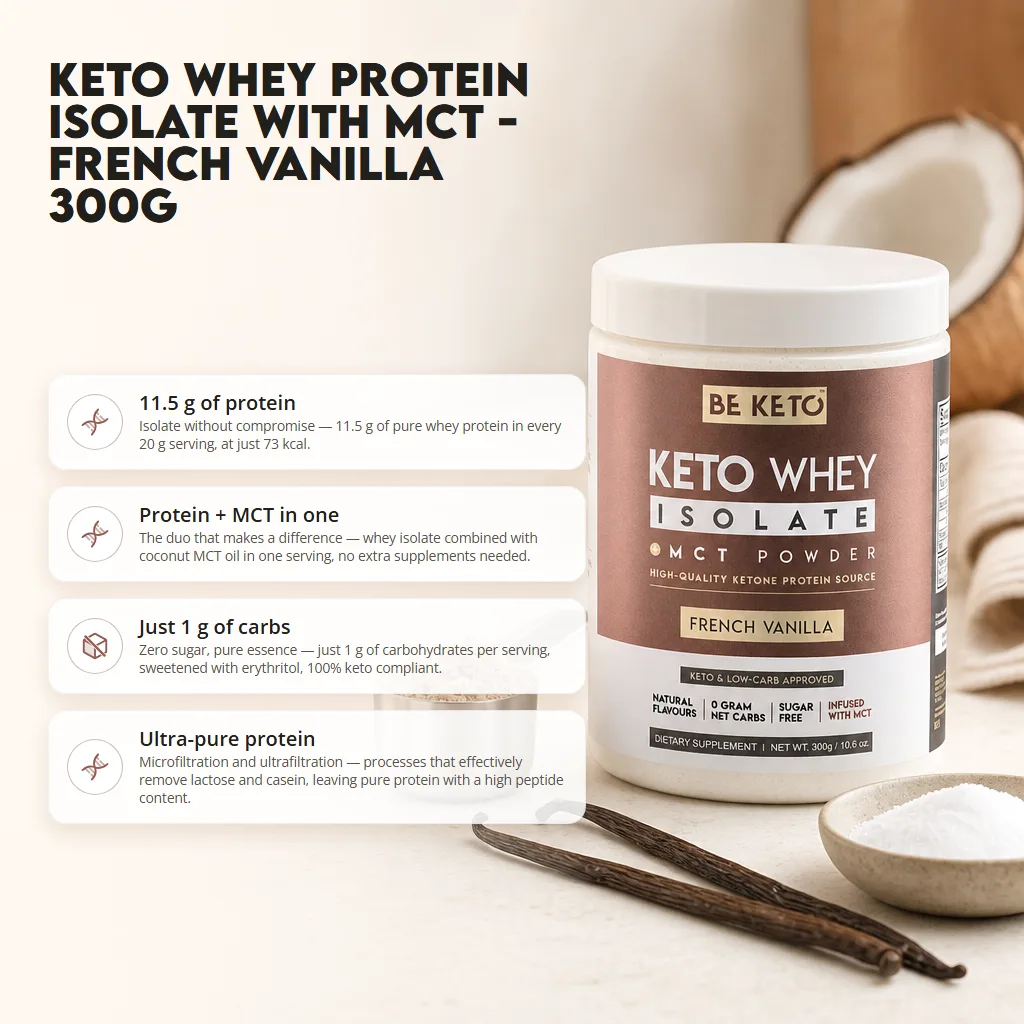
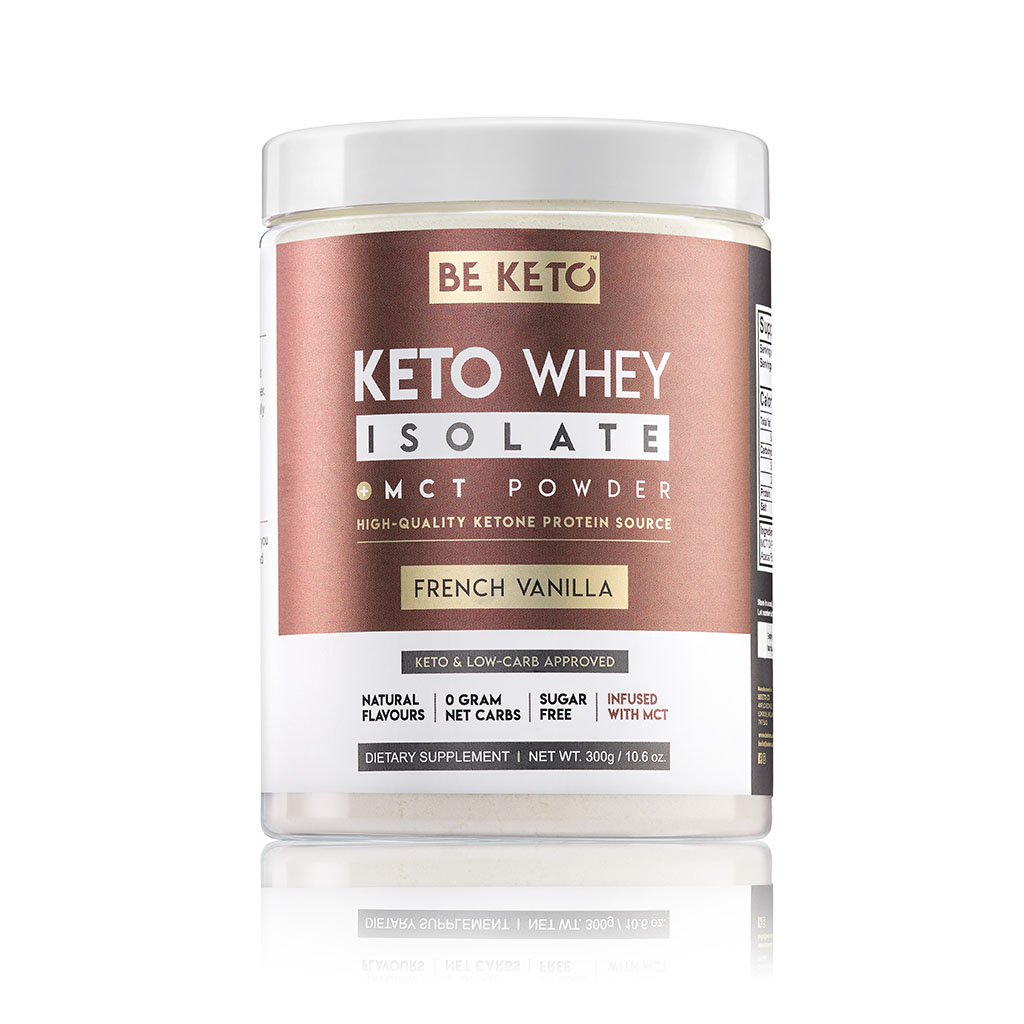 The Purest Form Of Protein + MCTBESTSELLER
Keto Whey Isolate + MCT – French Vanilla 300g
£ 23.90 GBP✔ Supports muscle building
✔ Promotes muscle recovery
✔ Increases the feeling of satiety
✔ Helps with weight loss
-
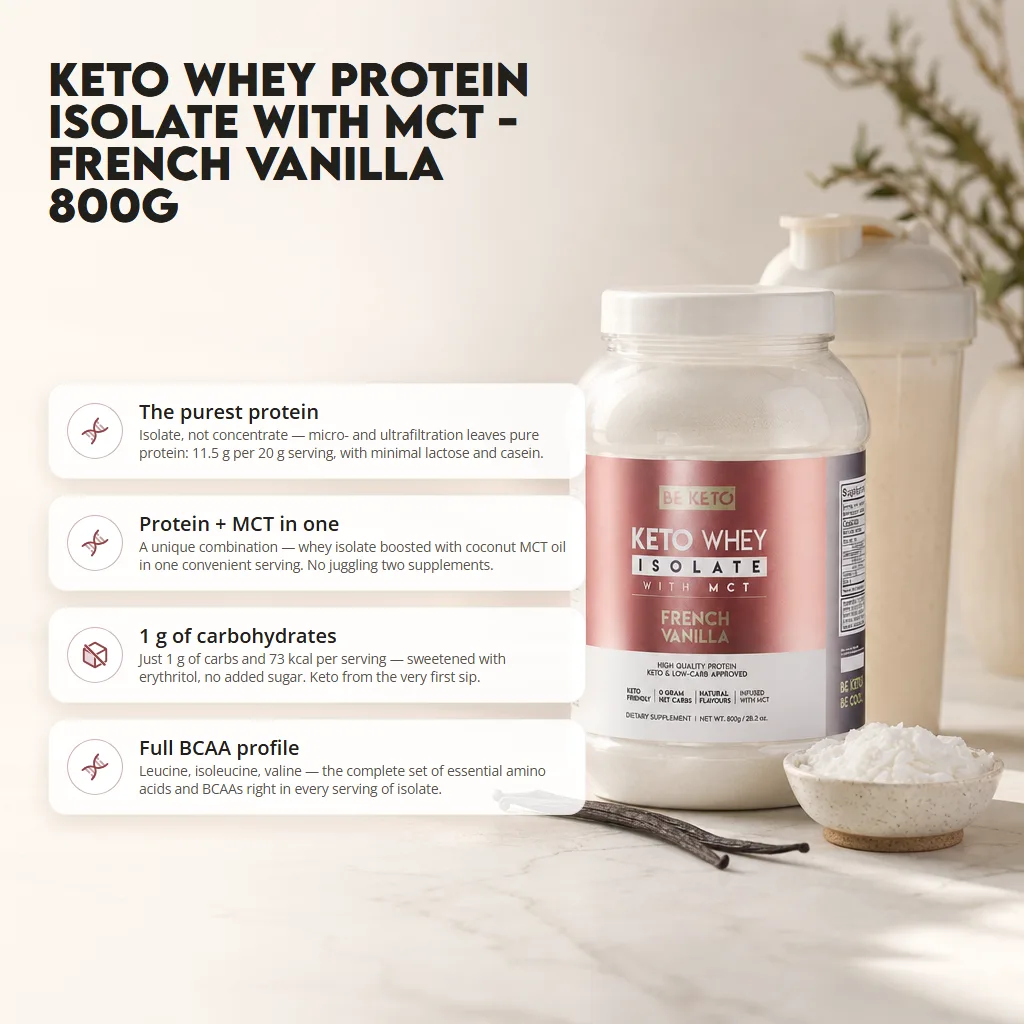
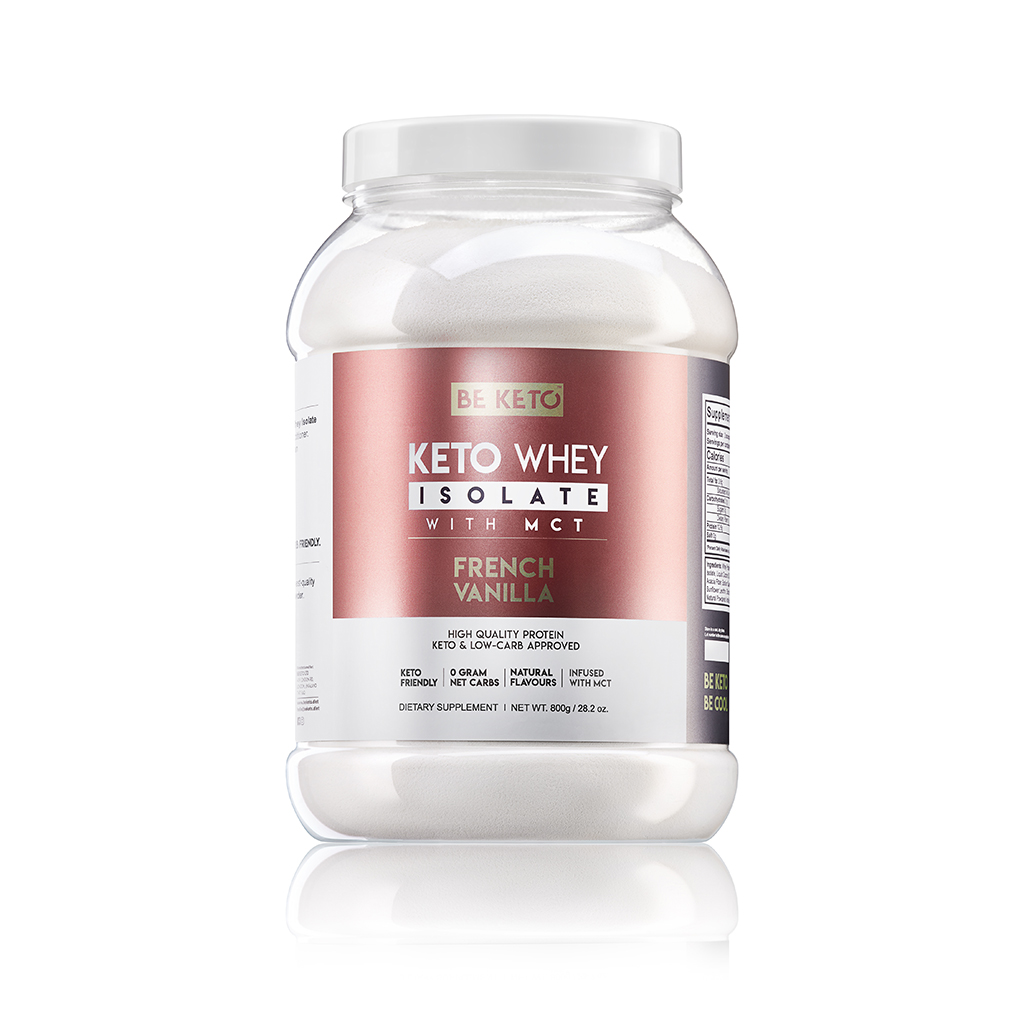 The Purest Form Of Protein + MCTBESTSELLER
Keto Whey Isolate + MCT – French Vanilla 800g
£ 42.90 GBP✔ Supports muscle building
✔ Supports muscle regeneration
✔ Increases the feeling of satiety
✔ Helps with weight loss
-
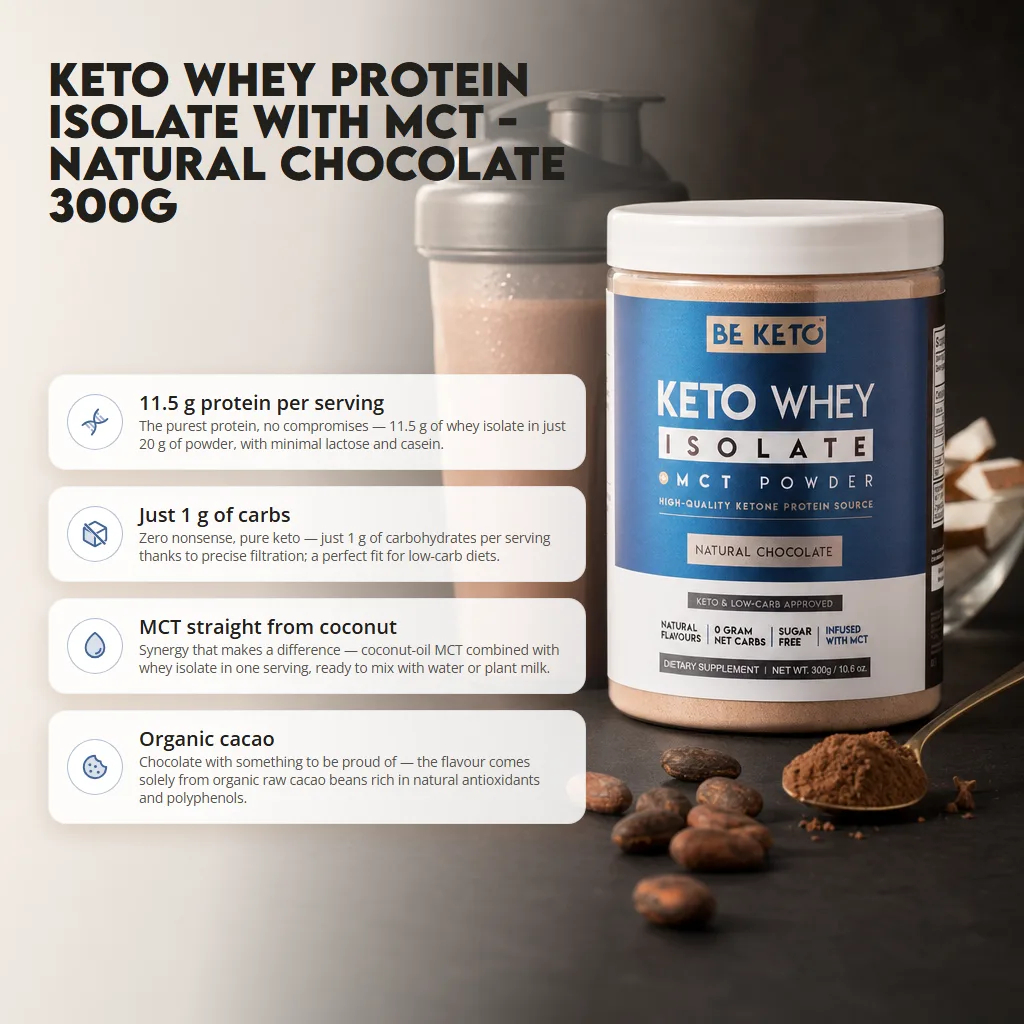
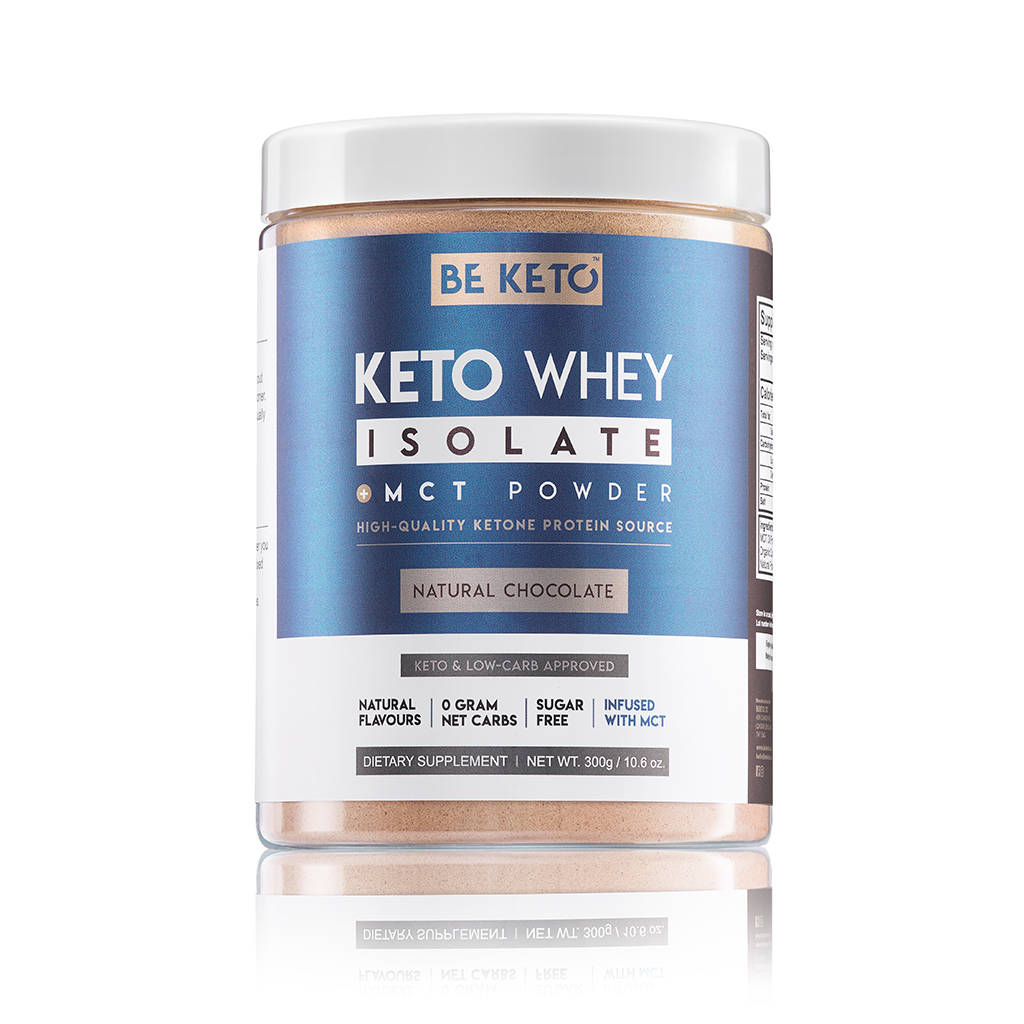 The Purest Form Of Protein + MCT
Keto Whey Isolate + MCT – Natural Chocolate 300g
£ 23.90 GBP✔ Supports muscle building
✔ Supports muscle regeneration
✔ Increases the feeling of satiety
✔ Helps with weight loss
-
Out of stock
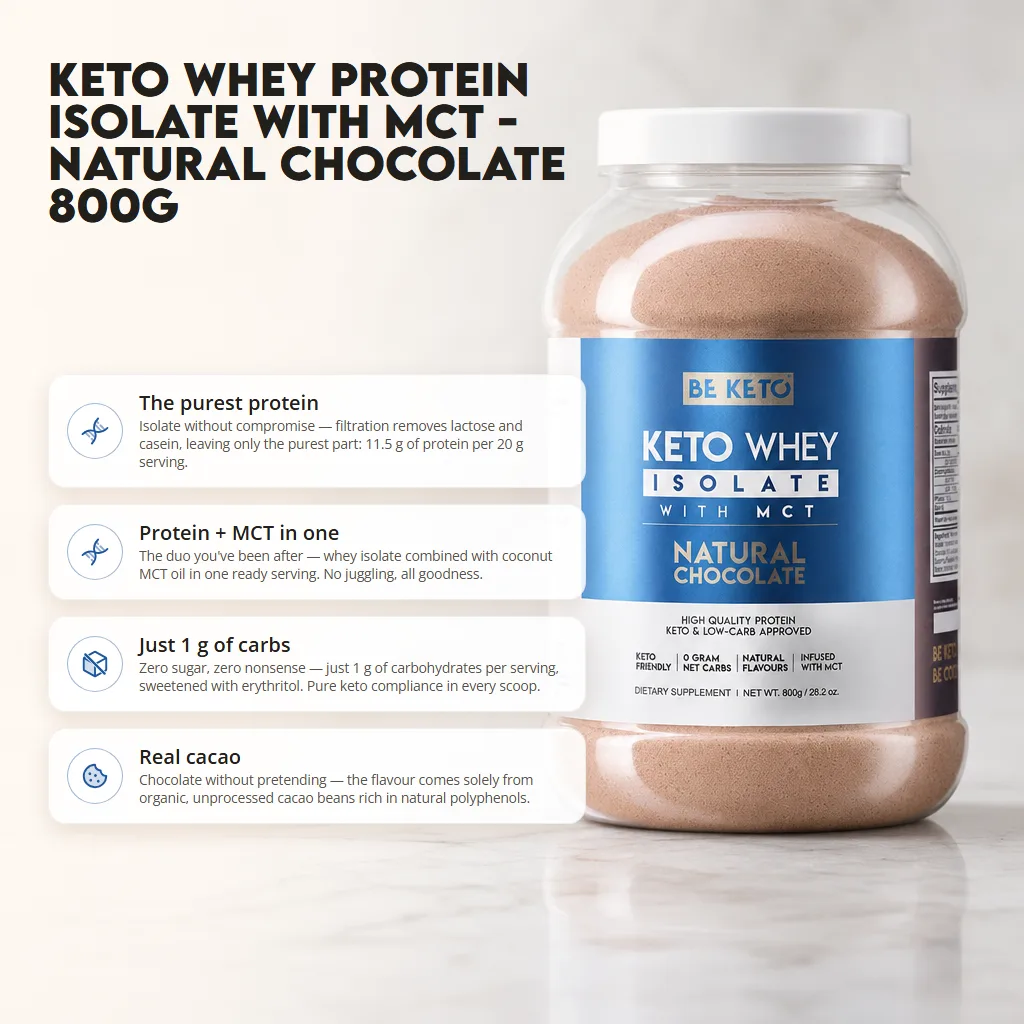
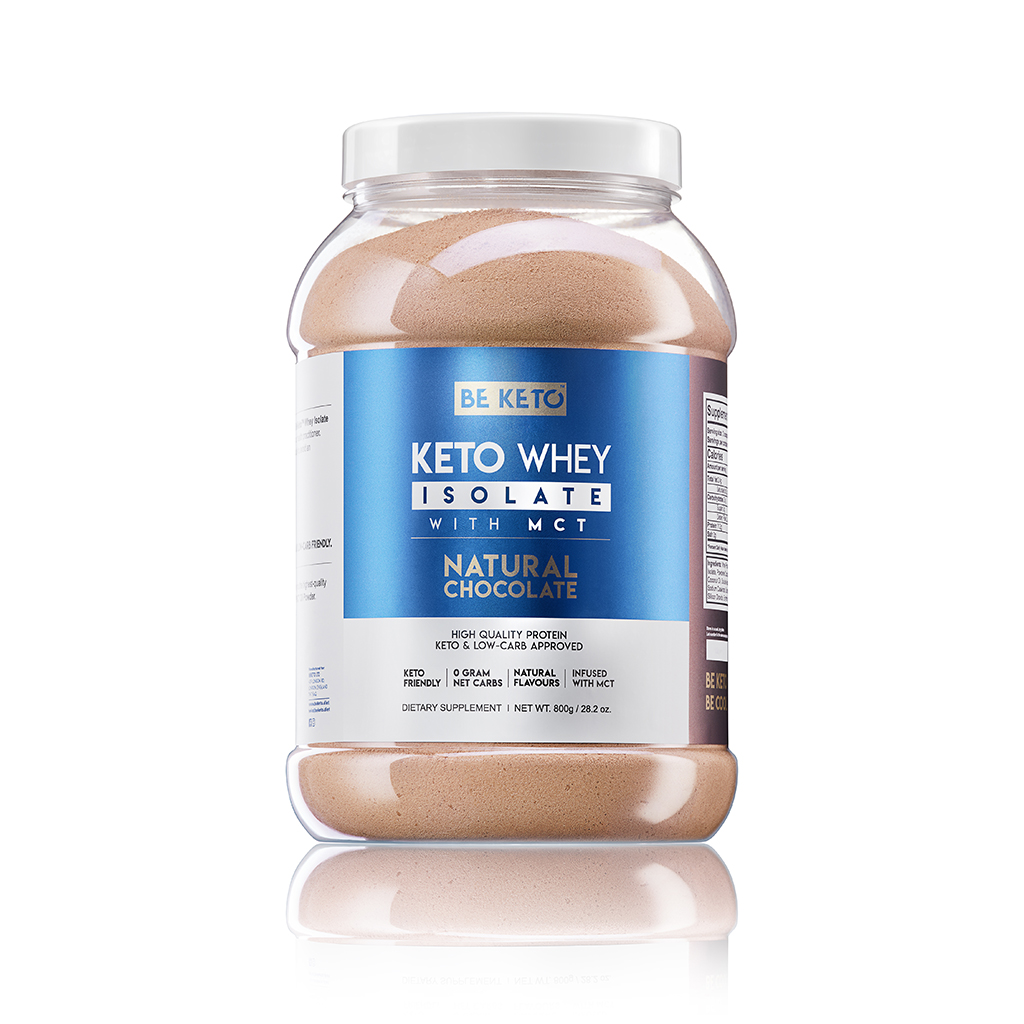 The Purest Form Of Protein + MCT
Keto Whey Isolate + MCT – Natural Chocolate 800g
£ 42.90 GBP✔ Promotes muscle building
✔ Supports muscle regeneration
✔ Increases the feeling of satiety
✔ Helps with weight loss
-
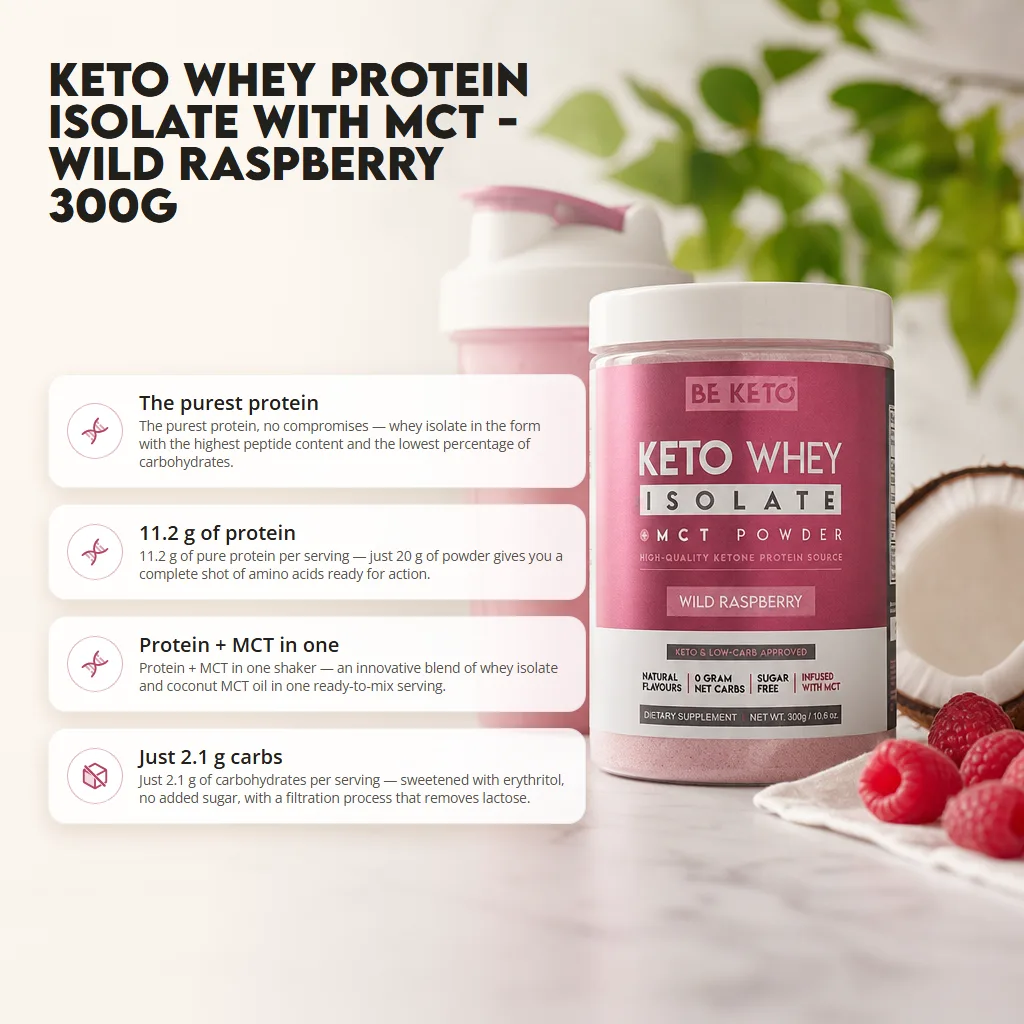
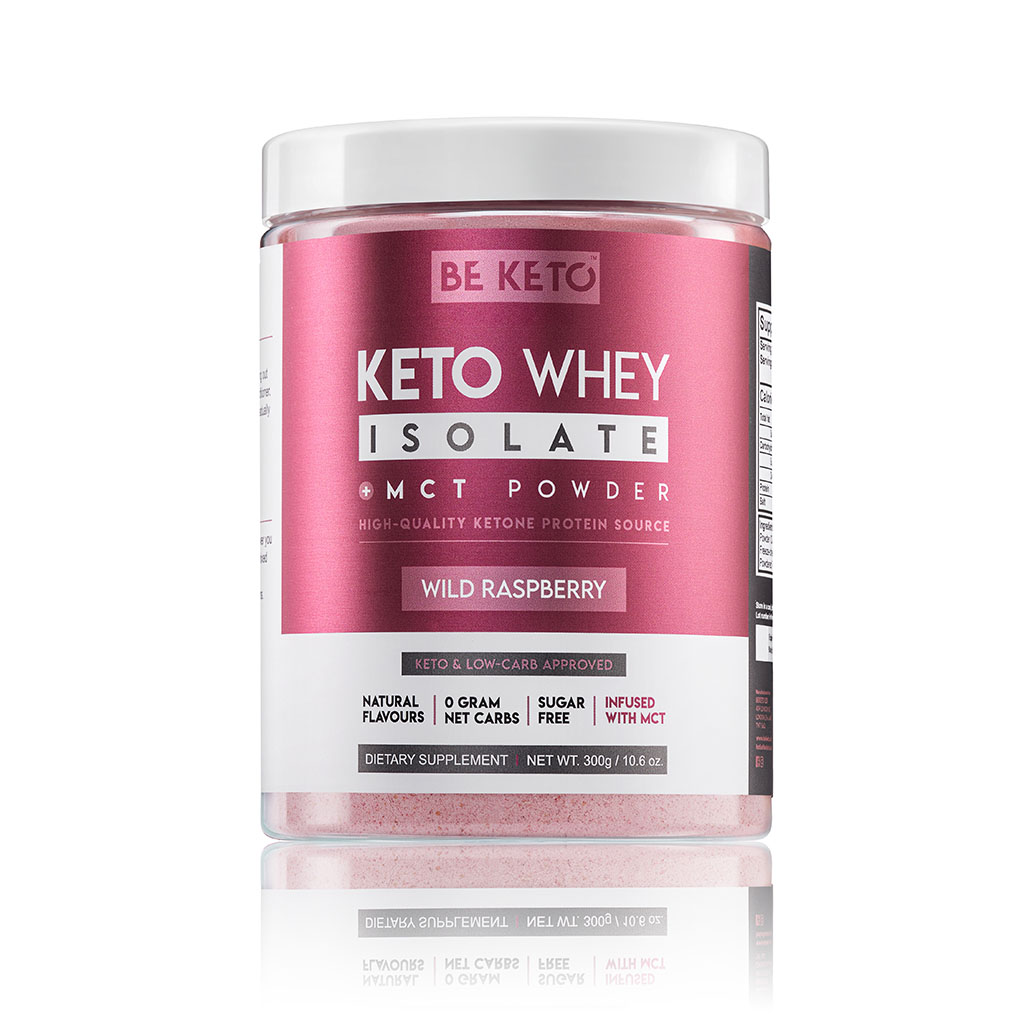 The Purest Form Of Protein + MCT
Keto Whey Isolate + MCT – Wild Raspberry 300g
£ 22.90 GBP✔ Supports muscle building
✔ Supports the regeneration of muscles
✔ Increases the feeling of satiety
✔ Helps with weight loss
-
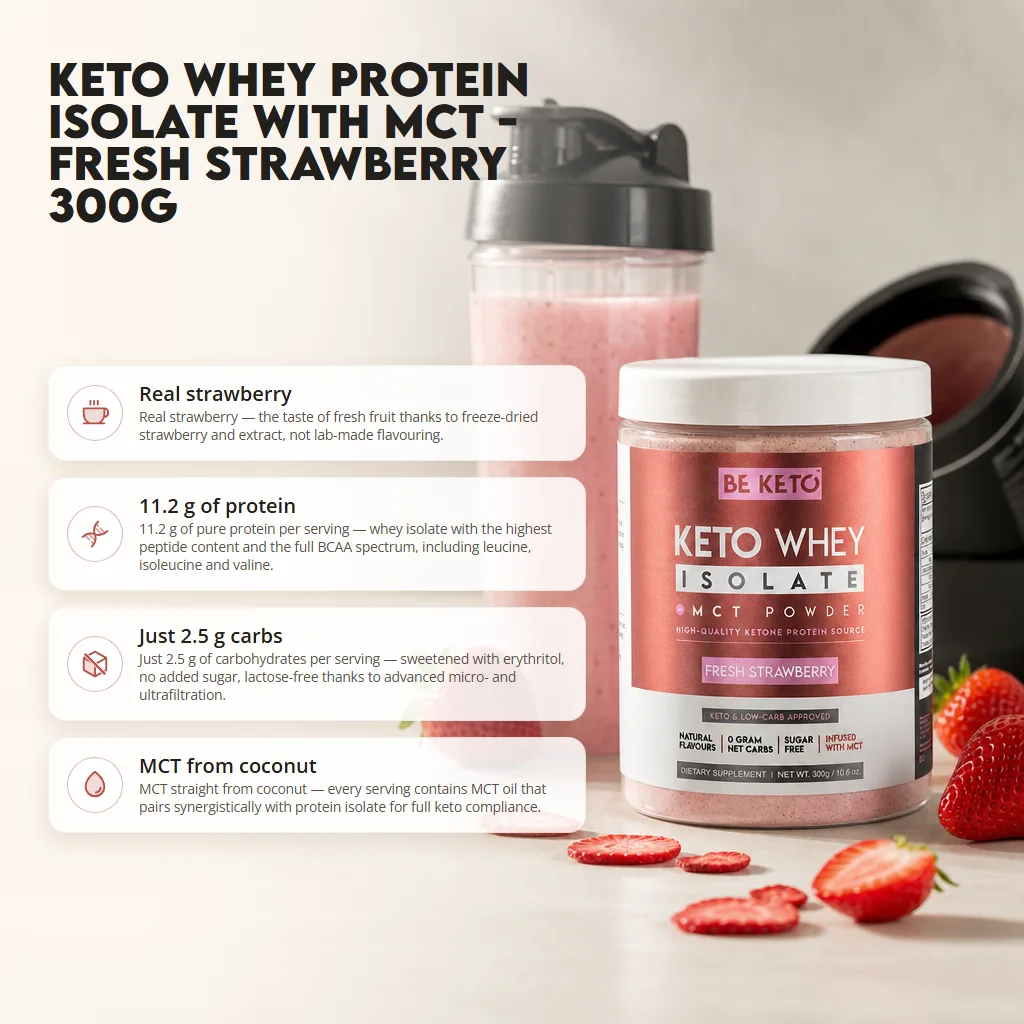
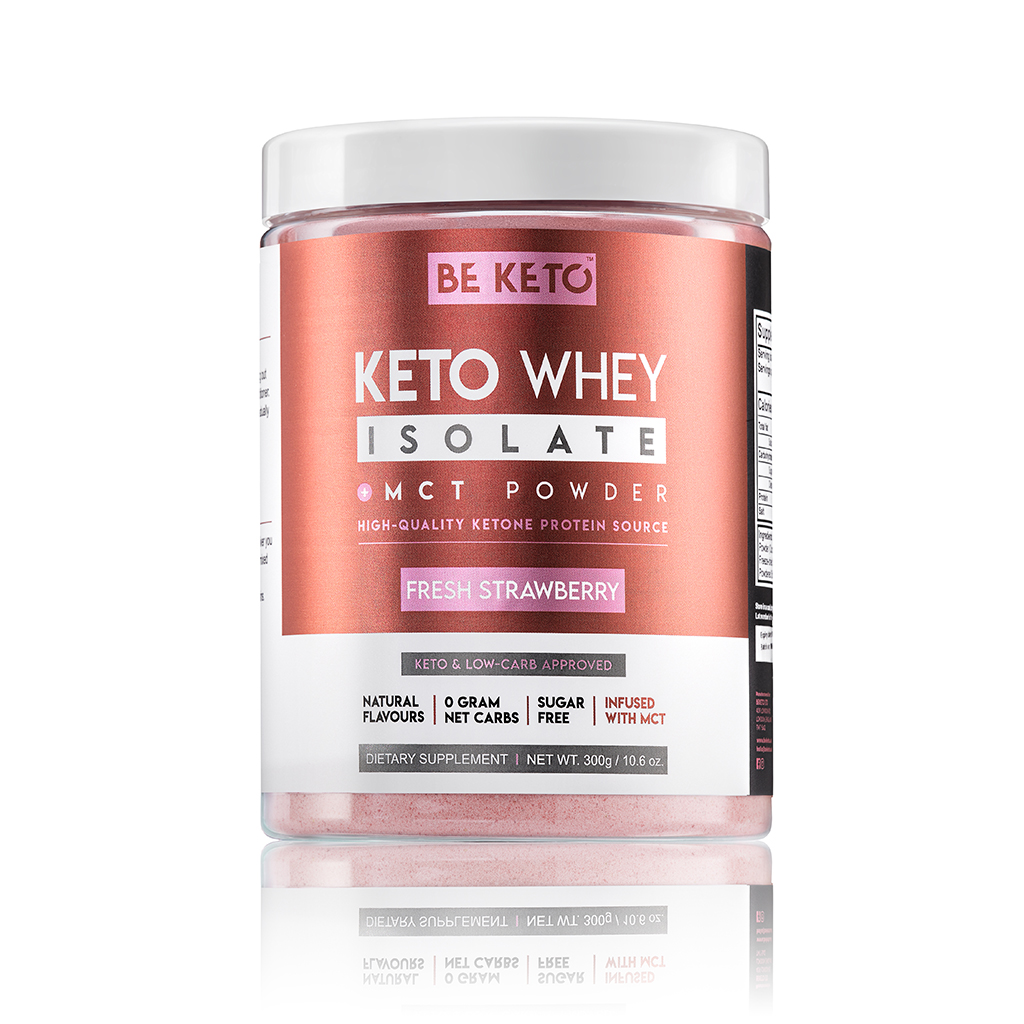 The Purest Form Of Protein + MCT
Keto Whey Isolate + MCT – Fresh Strawberry 300g
£ 22.90 GBP✔ Supports muscle building
✔ Supports the regeneration of muscles
✔ Increases the feeling of satiety
✔ Helps with weight loss
-
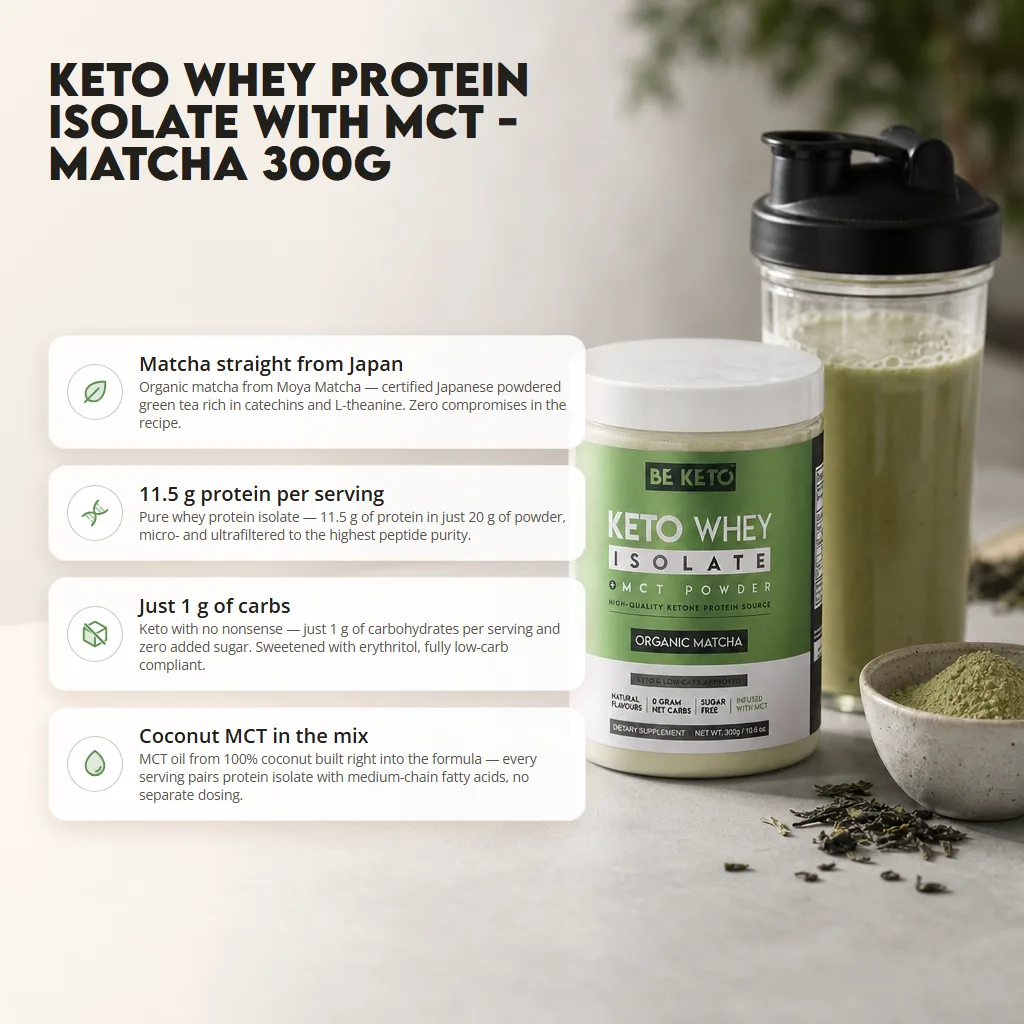
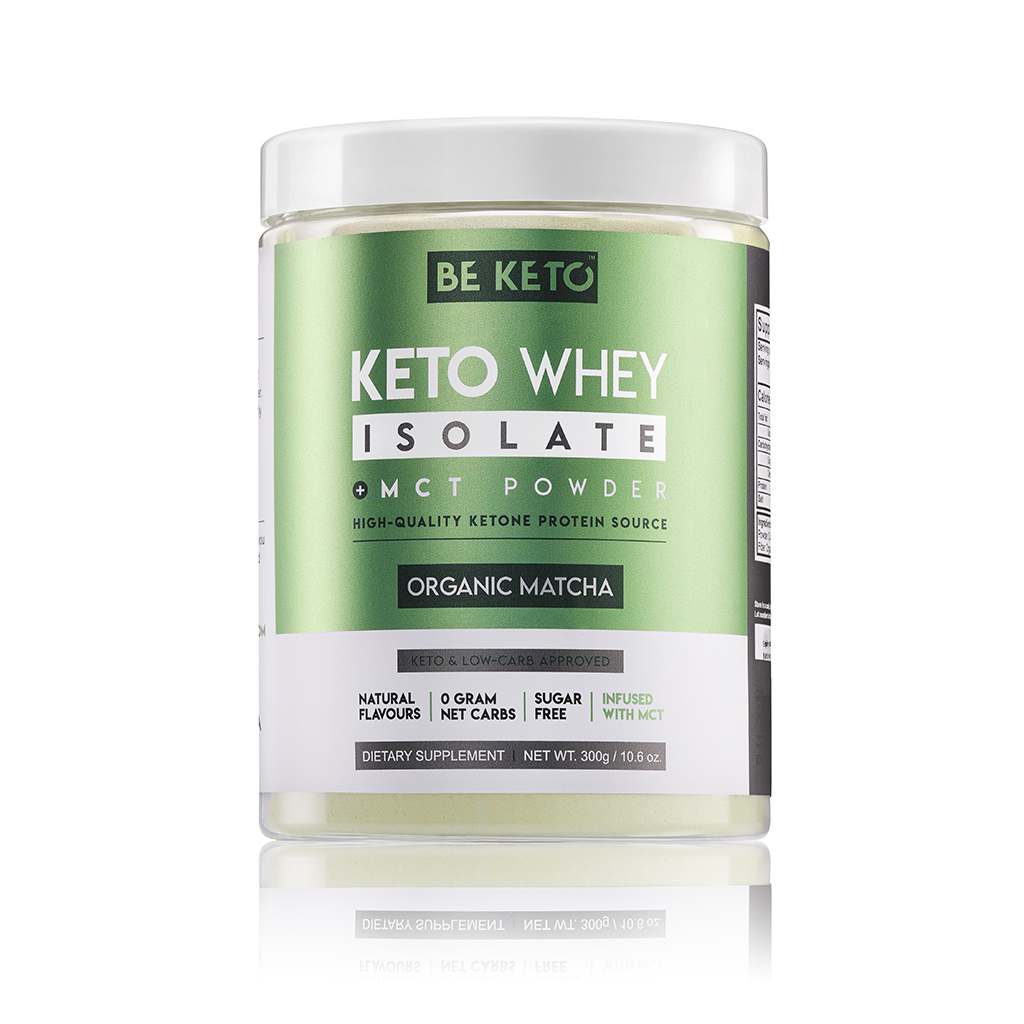 The Purest Form Of Protein + MCT
Keto Whey Isolate + MCT – Organic Matcha 300g
£ 22.90 GBP✔ Supports muscle building
✔ Supports muscle regeneration
✔ Increases the feeling of satiety
✔ Helps with weight loss
-
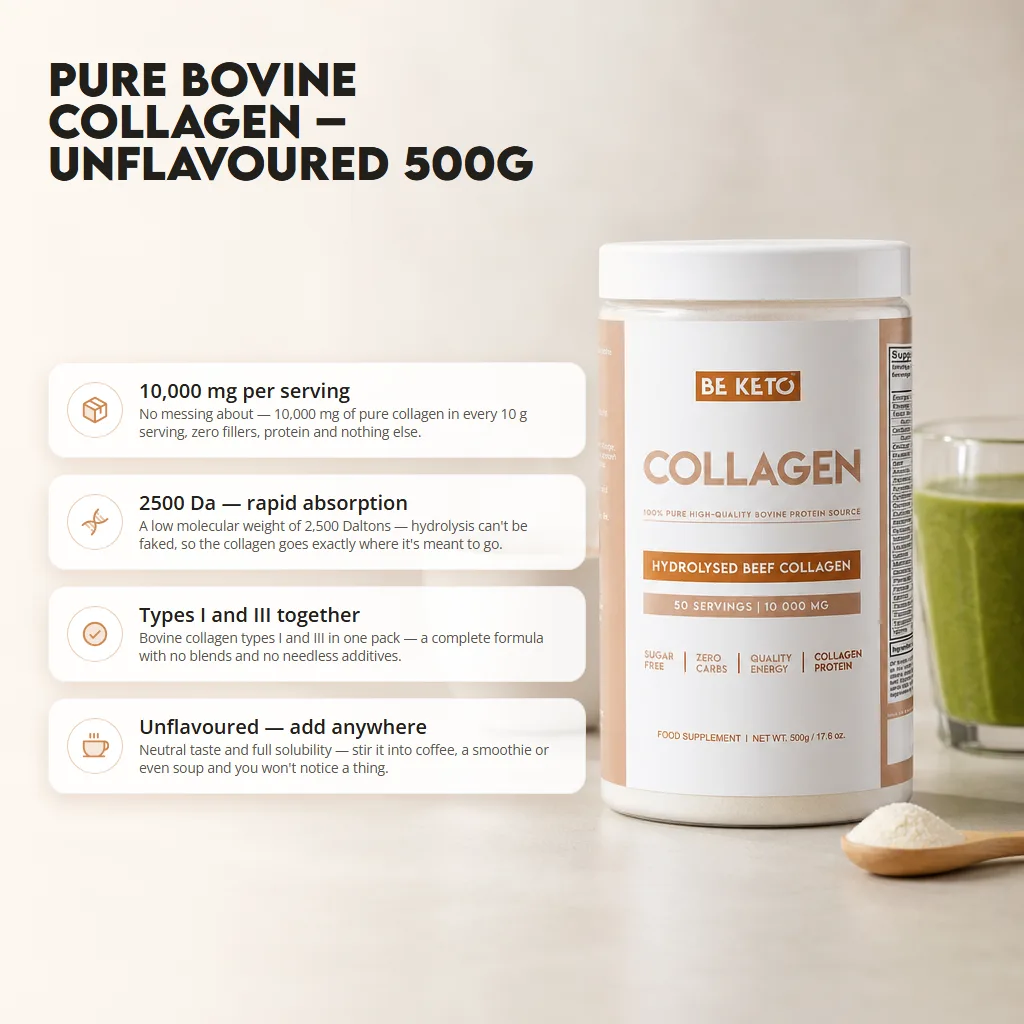
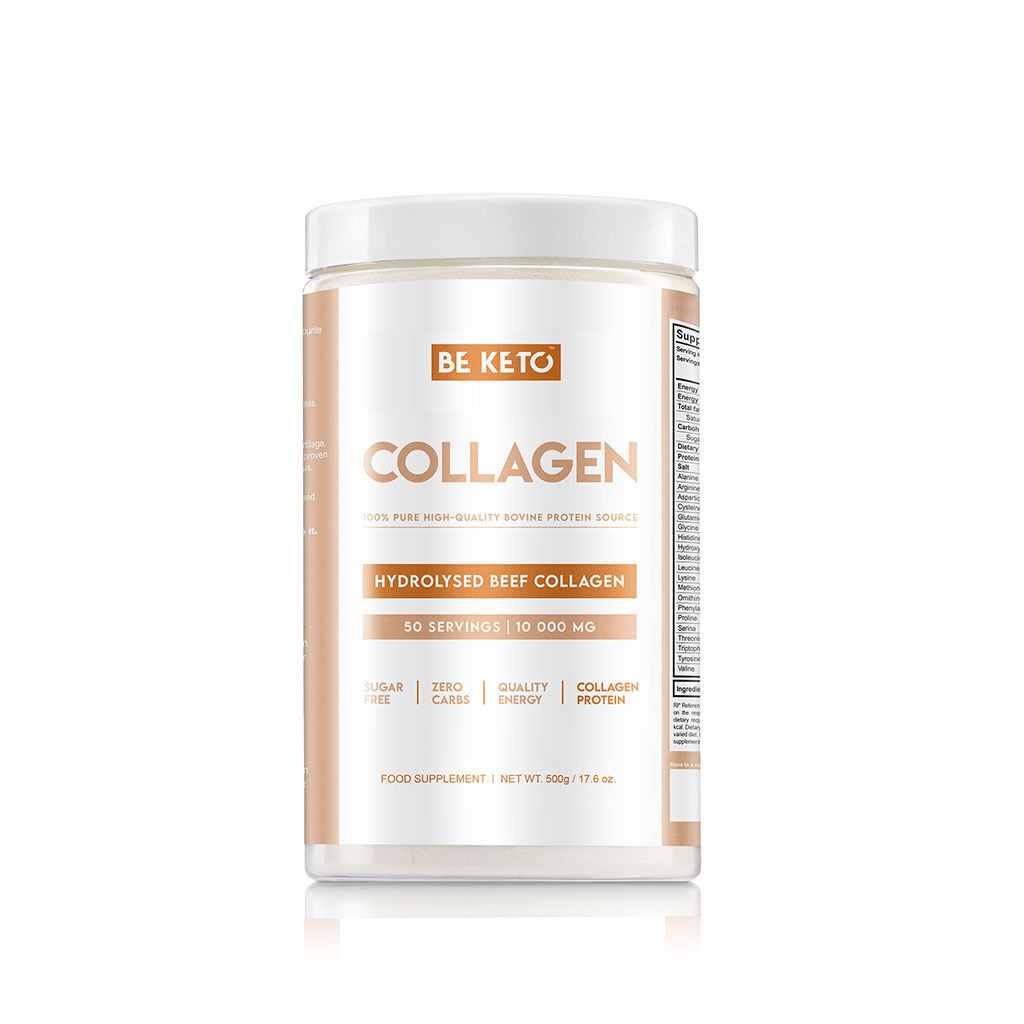 10000 mg of pure collagen per serving
Pure Beef Collagen – Unflavoured 500g
£ 34.90 GBP✔ Contains as much as 10,000 mg of collagen per serving
✔ Hydrolysed bovine collagen = better assimilability
✔ Source of collagen types I and III
✔ 50 portions per pack
✔ Low molecular weight 2500 Daltons
✔ Strengthens hair, skin and nails
✔ Supports joint and bone health
-
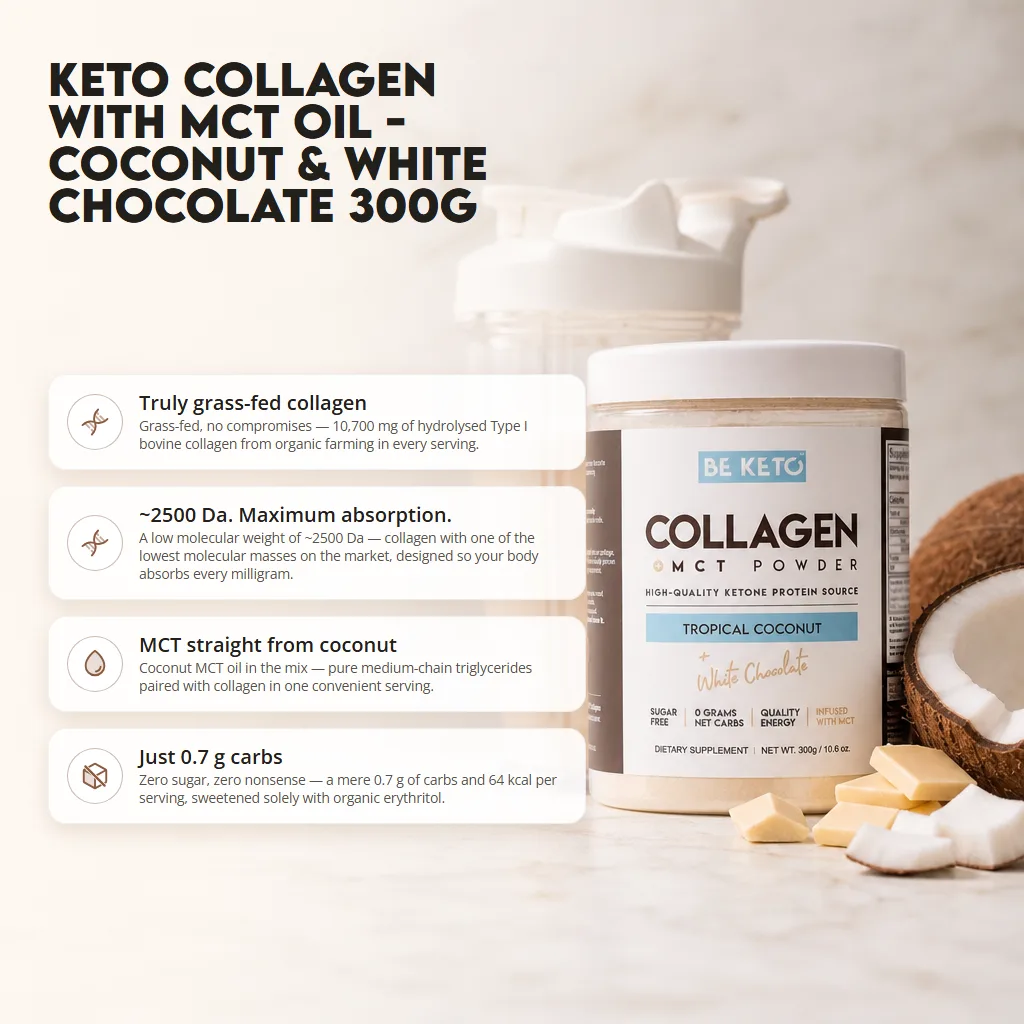
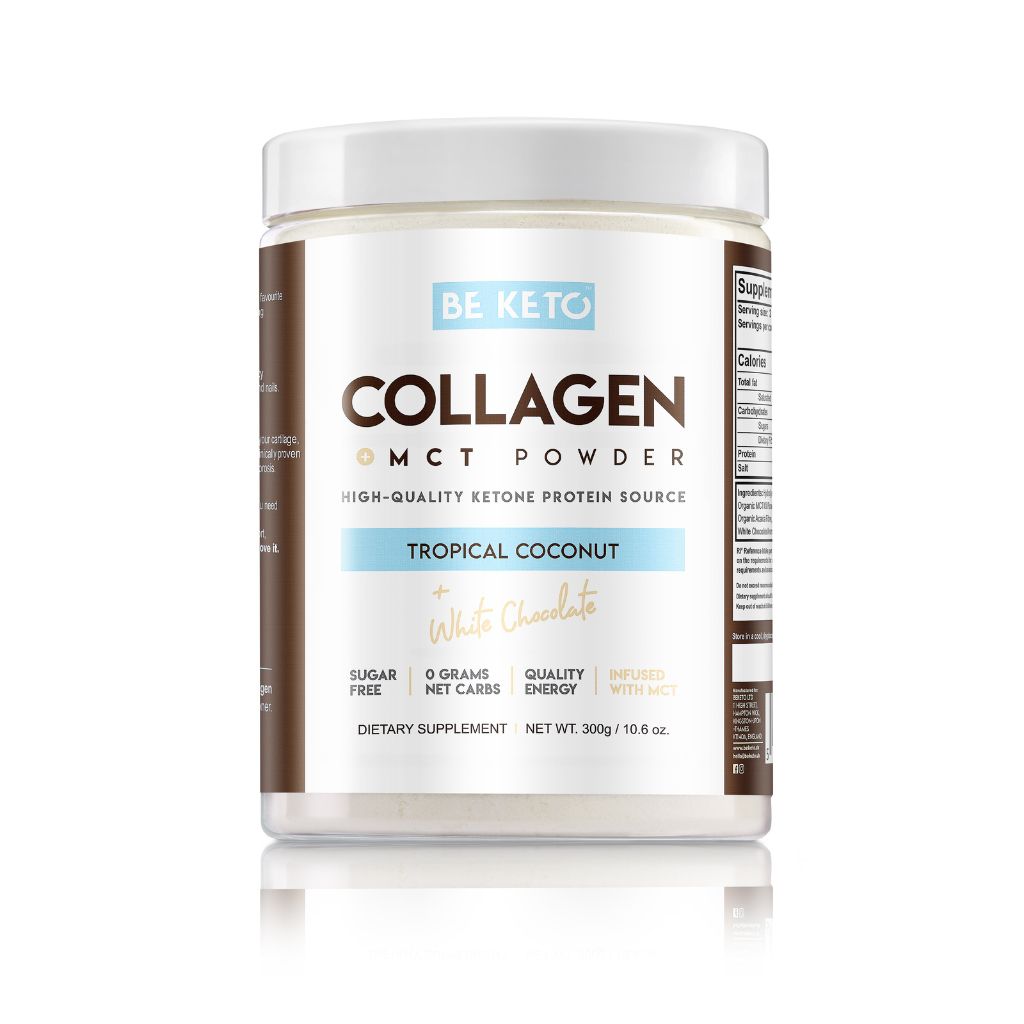 12000 mg Collagen per Portion
Keto Collagen + MCT Oil – Coconut & White Chocolate 300g
£ 28.90 GBP✔ Strengthens hair, skin and nails
✔ Supports the DNA formation process
✔ The healthiest source of protein and fat
✔ Provides a stable energy boost
-
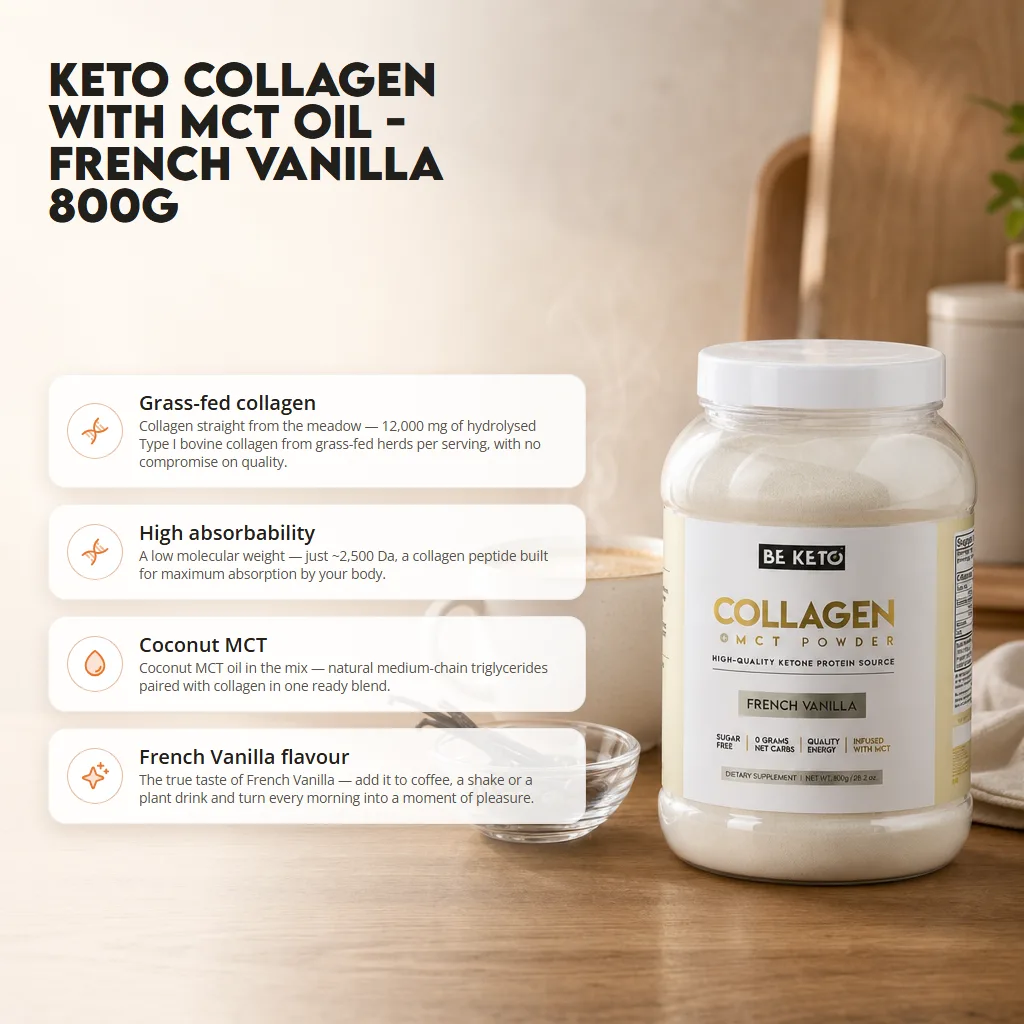
 12000 mg Collagen per PortionBESTSELLER
Keto Collagen + MCT Oil – French Vanilla 800g
£ 67.90 GBP✔ Strengthens hair, skin and nails
✔ Supports the DNA formation process
✔ The healthiest source of protein and fat
✔ Provides a stable energy boost
✔ Low molecular weight = high absorption capacity
What is the best supplement to start with on keto?
The best keto supplements are the ones that put back what the diet takes out. A ketogenic day drops bread, fruit and starch, and with them a large part of the water and minerals that came along with those foods. That puts an electrolyte blend first and protein second.
One 10 g serving of Keto Electrolytes Powder supplies 376 mg of magnesium, 200 mg of potassium, 110 mg of sodium and 100 mg of calcium in the four flavoured tubs. A 200 g tub holds 20 servings and costs £18.90.
The magnesium figure is the one that earns a claim on this powder: 376 mg covers the full daily reference intake, and magnesium contributes to electrolyte balance, to normal muscle function and to a reduction of tiredness and fatigue.
Protein is the second step, and only if meals are short on it. Everything else on this shelf, from exogenous ketone salts to mushroom extracts, answers a narrower question, so it is worth adding one item at a time rather than a whole stack.
Do keto pills and tablets for weight loss really work?
Keto pills and tablets sold for weight loss carry no authorised weight loss claim in Great Britain. The register turned down every claim submitted for exogenous ketones, MCT, L-carnitine and caffeine, so nothing on this shelf may be offered as a weight loss pill.
That leaves the label. A keto capsule can be described by what it contains and how much of it, which is the part a buyer can actually check: the milligrams per serving, the number of servings and the form.
The capsules here fall into three groups: fat burner blends such as Keto Burn with 375 mg of L-carnitine tartrate and a Garcinia cambogia extract standardised to 60% HCA, electrolyte capsules with sodium, calcium, potassium and magnesium, and raspberry ketone capsules.
What no capsule does is decide whether you are in ketosis. That follows from how much carbohydrate you eat over the day, which is why the carbohydrate per serving is printed on every product page in this category.
What is in each type of keto supplement?
Each type of keto supplement supplies one thing: minerals, ketone salts, protein, fatty acids, vitamins or mushroom extract. The groups differ less in what they promise than in what one serving weighs and what it carries in carbohydrate.
Exogenous ketone powders are calcium, magnesium and sodium salts of beta-hydroxybutyrate, flavoured with natural fruit powder, stevia and erythritol. A serving carries 7 kcal and 2.7 g of carbohydrate.
Protein and collagen blends run from 9 g to 18.4 g of protein per serving: 18.4 g in a 20 g scoop of Pure Whey Isolate at 92 g per 100 g, 14.4 g in Vegan Protein and 9 g in a 10 g scoop of Pure Beef Collagen.
All three are sources of protein under the labelling rules, and protein contributes to the maintenance of muscle mass. Nothing of the sort may be said about the collagen itself, so the pages give hydrolysed bovine collagen in milligrams and leave it there.
Fatty acids come as MCT powder inside the protein blends and as algae oil. One 5 ml serving of MEGA Omega 3 Vegan carries at least 750 mg of omega 3, of which 570 mg is DHA and 185 mg EPA, with no fish in the bottle.
DHA contributes to maintenance of normal brain function, and the beneficial effect is obtained with a daily intake of 250 mg of DHA. The plain oils sit on the separate MCT oils shelf, where the same fat comes without flavouring or protein.
Mushroom sachets hold a 4:1 extract of lion's mane, cordyceps or reishi with 7 kcal and 1.3 g of carbohydrate a sachet, and creatine monohydrate is a single ingredient with 0 g of carbohydrate in a 5 g serving.
How do you take keto supplements during the day?
Most keto supplements here are taken as a drink, with servings from 3 capsules to 20 g of powder. The form decides the moment more than the ingredient does.
Powders go into water or into a shake: electrolytes and Keto Greens in 10 g scoops, protein and collagen in 20 g scoops, creatine in 5 g. Sachets of mushroom extract dissolve in hot water, and the Preworkout Shot comes ready to drink in a 60 ml bottle.
Capsules and drops go with a meal. Keto Electrolytes capsules and Sodium Butyrate are both 3 capsules per serving, which makes 30 servings a pack, and Vitamin D3 comes as drops in MCT oil so the dose can be counted out.
Caffeine is worth knowing by the number rather than by the feeling: each 60 ml Preworkout Shot holds 85 mg of it alongside 1,000 mg of taurine and 800 mg of beta alanine, and Keto Burn comes in a caffeine version as well.
What changes in the first days of a ketogenic diet?
In the first days of a ketogenic diet the body sheds water and the minerals dissolved in it. That is a shift in fluid balance, and it is the reason mineral intake is the part of the plan most people adjust first.
Nothing here changes that arithmetic. What an electrolyte blend does is put sodium, potassium, magnesium and calcium back on the plate in weighed amounts, so the figures on the tub matter more than the name on the front.
How much sodium depends on the tub, not on the category: the unflavoured Keto Electrolytes Powder carries 1,501 mg of sodium per 10 g serving against 110 mg in the four flavoured versions, at the same 376 mg of magnesium.
That makes the unflavoured tub the one to count against the salt in the rest of the day, while the flavoured tubs leave that choice open.
Compare this shelf on three numbers before you add anything to your basket: the carbohydrate per serving, the milligrams of each active, and the price per serving, which runs from £0.37 for creatine to £1.86 for flavoured collagen.
Frequently asked questions
What are 7 signs your body is in ketosis?
A blood reading is the only reliable check. Thirst, appetite change or a different breath odour are clues, not measurements: nutritional ketosis is defined as blood beta-hydroxybutyrate of 0.5 mmol/L or more, which a meter or ketone test strips read directly. The clues are gone through one by one in our note on signs of ketosis without testing.
Do you need supplements on a keto diet?
You do not need supplements by default. The foods dropped when carbohydrate goes down decide what, if anything, is worth adding, which in practice means minerals first and protein only when meals are short on it.
Can a supplement put you into ketosis?
No supplement puts you into ketosis. Ketosis follows from how much carbohydrate you eat, and a serving of exogenous ketone powder carries 2.7 g of carbohydrate itself, so it supplies ketone salts rather than standing in for the diet.
How much do keto supplements cost per serving?
Prices here run from £0.37 a serving. A 5 g serving of creatine monohydrate works out at £0.37 from a £21.90 tub, a 10 g serving of electrolyte powder at £0.95 from £18.90, and a 20 g serving of vegan protein at £1.16 from £28.90.
Are keto supplements suitable for vegans?
Some are, and the label says which. The pea, faba bean and almond protein, the algae oil omega 3 and the mushroom sachets are suitable for vegans, while whey isolate and bovine collagen are not. Several capsules use an HPMC shell, which is vegetarian rather than gelatine.
Can you buy keto supplements at Holland and Barrett or on Amazon?
Yes, and the label decides, not the shop. Whichever shelf you buy from, the three things worth comparing are the carbohydrate per serving, the milligrams of each active per serving and the number of servings per pack, because a low pack price with 20 servings is not the cheaper one.
Who should not take keto supplements?
Pregnancy, breastfeeding and prescribed medicine call for advice. Anyone in those situations, or under medical care, should speak to a doctor before adding any of these, and no supplement replaces a varied diet.
Are keto supplements regulated in the UK?
They are regulated as food, not as medicine. Only wording from the Great Britain nutrition and health claims register may be used about them, which is why these pages give milligrams per serving instead of promises for MCT, collagen, L-carnitine, caffeine and BHB.
Over 26500+ excellent reviews
BeKeto is known for outstanding service and the highest product quality. This can be experienced by #BeKetonians in 29 countries!
Every day, we send out hundreds of parcels and receive fantastic reviews from you. Thank you!
Every day, we send out hundreds of parcels and receive fantastic reviews from you. Thank you!