What is bovine collagen powder made from?
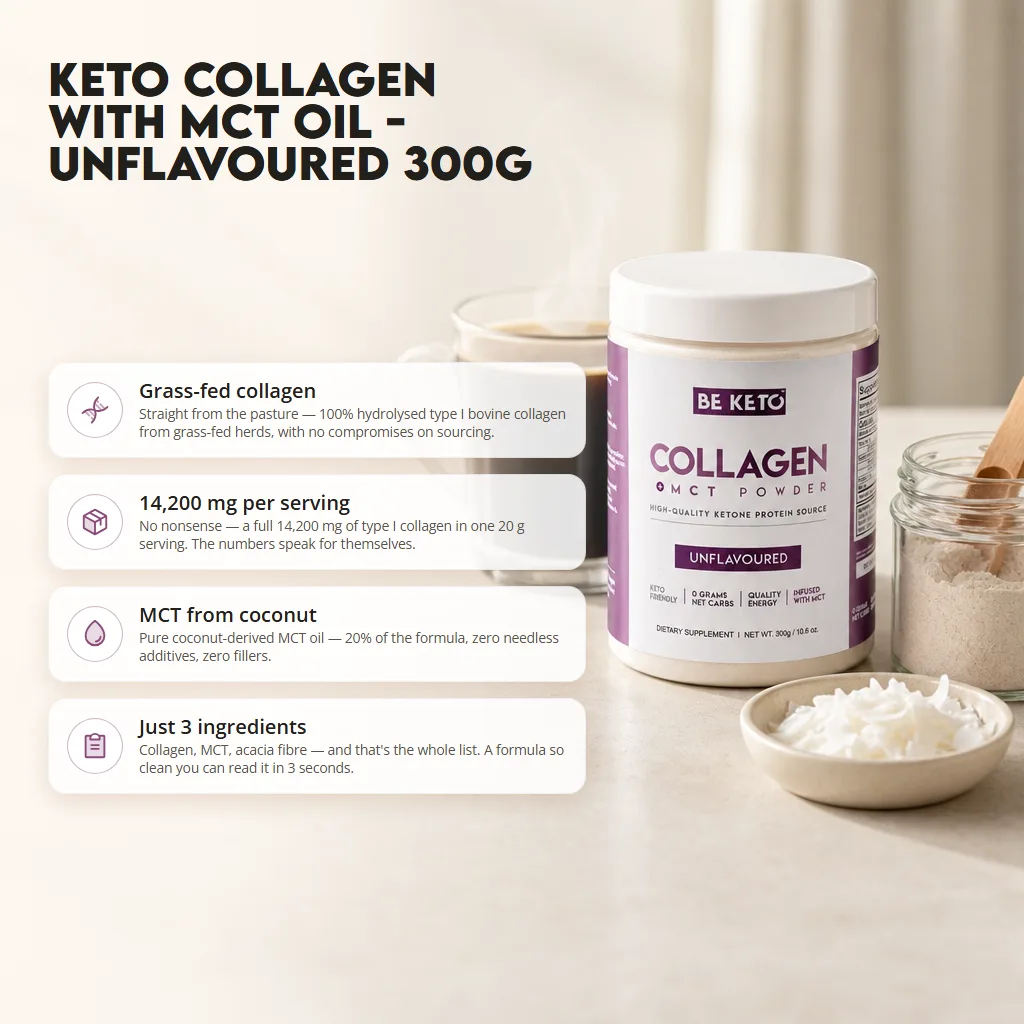
Bovine collagen powder is made from the connective tissue of cattle, broken into short peptides by hydrolysis. The ingredient list of the pure powder reads hydrolysed bovine collagen and nothing else, one ingredient on the whole label.
Whole collagen is a long protein that does not dissolve in water. Hydrolysis cuts it into short chains, which is why every label here reads hydrolysed bovine collagen.
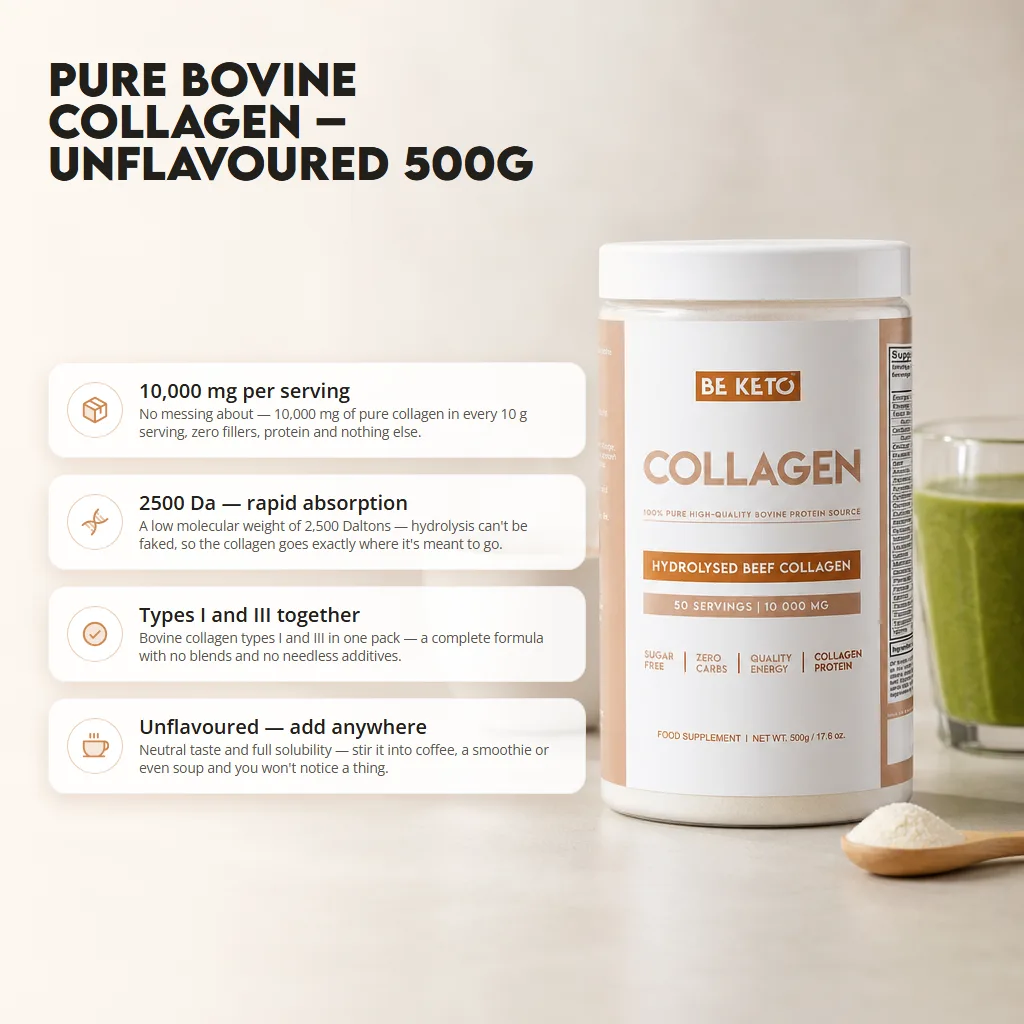
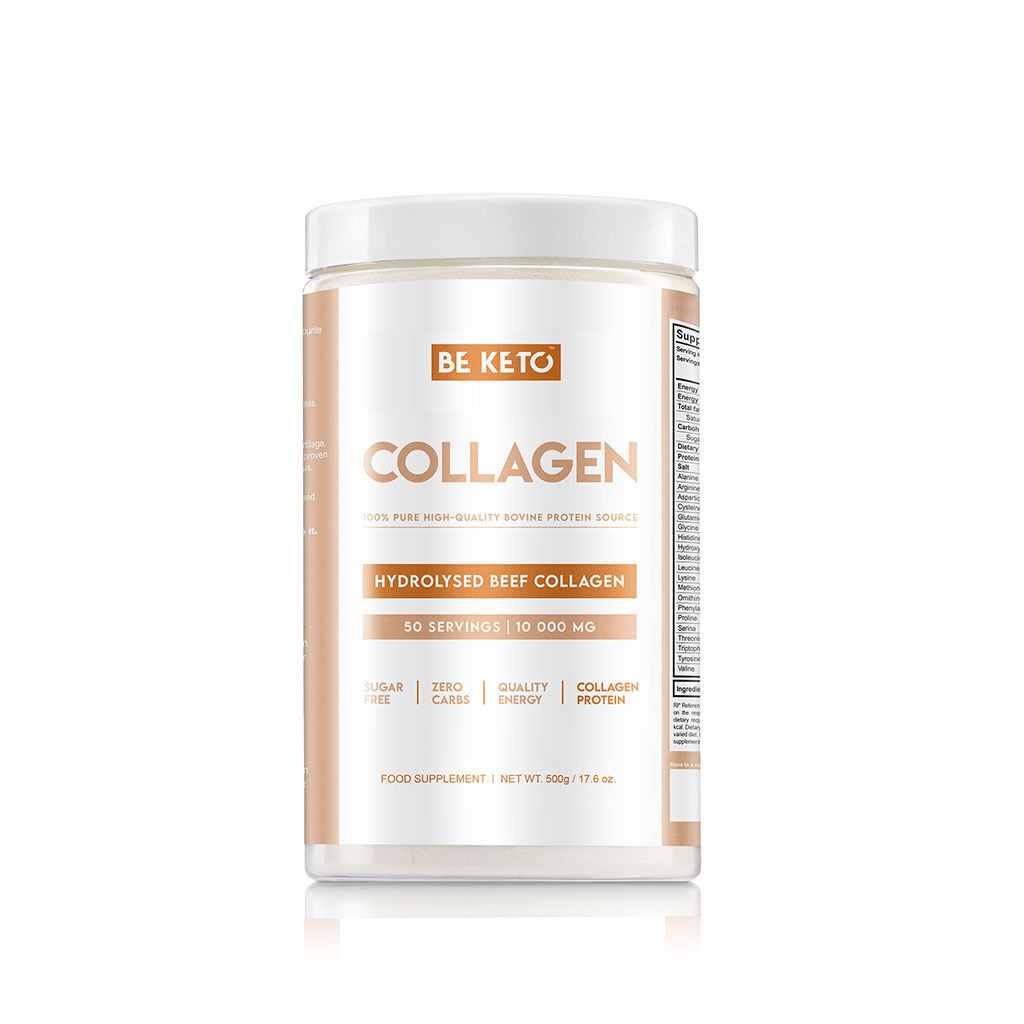
The 500 g pure pack declares a molecular weight of 2,500 Daltons and collagen types I and III. That declaration is printed on that pack alone.
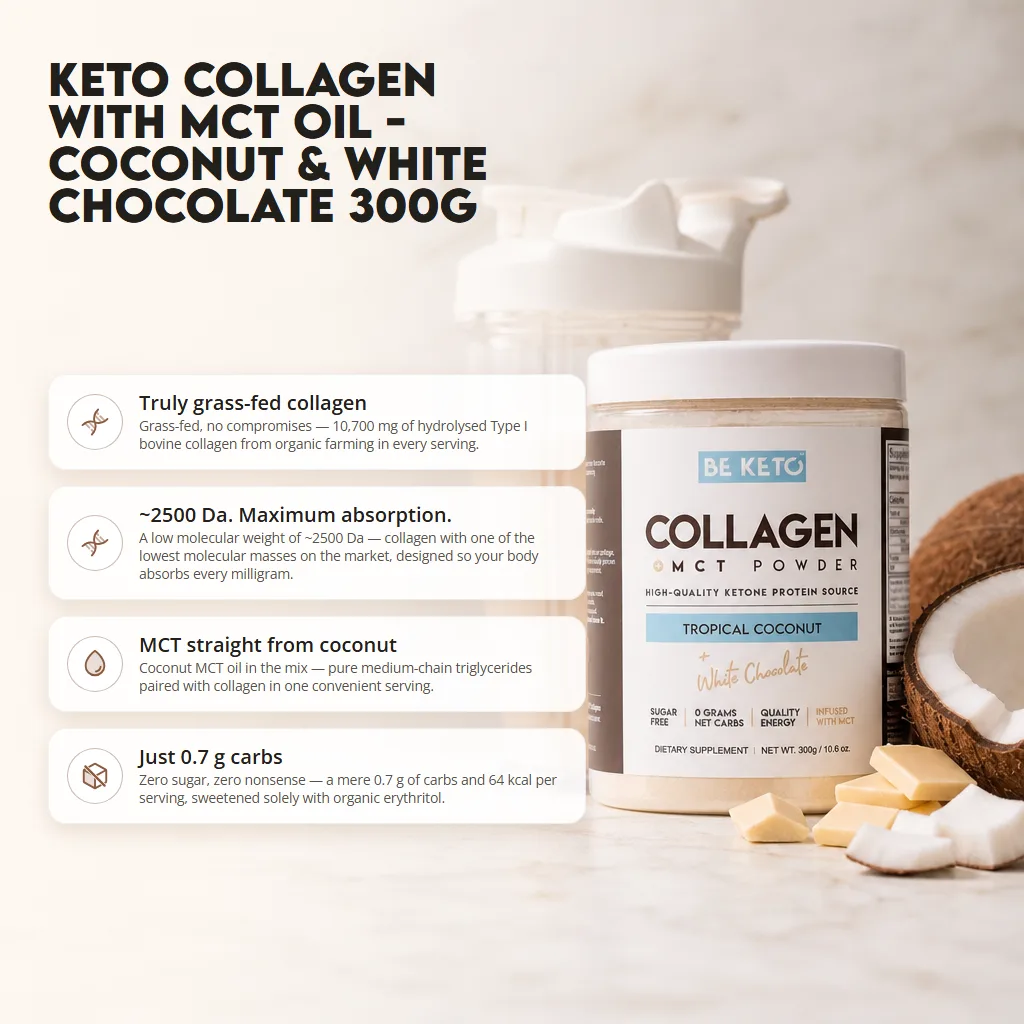
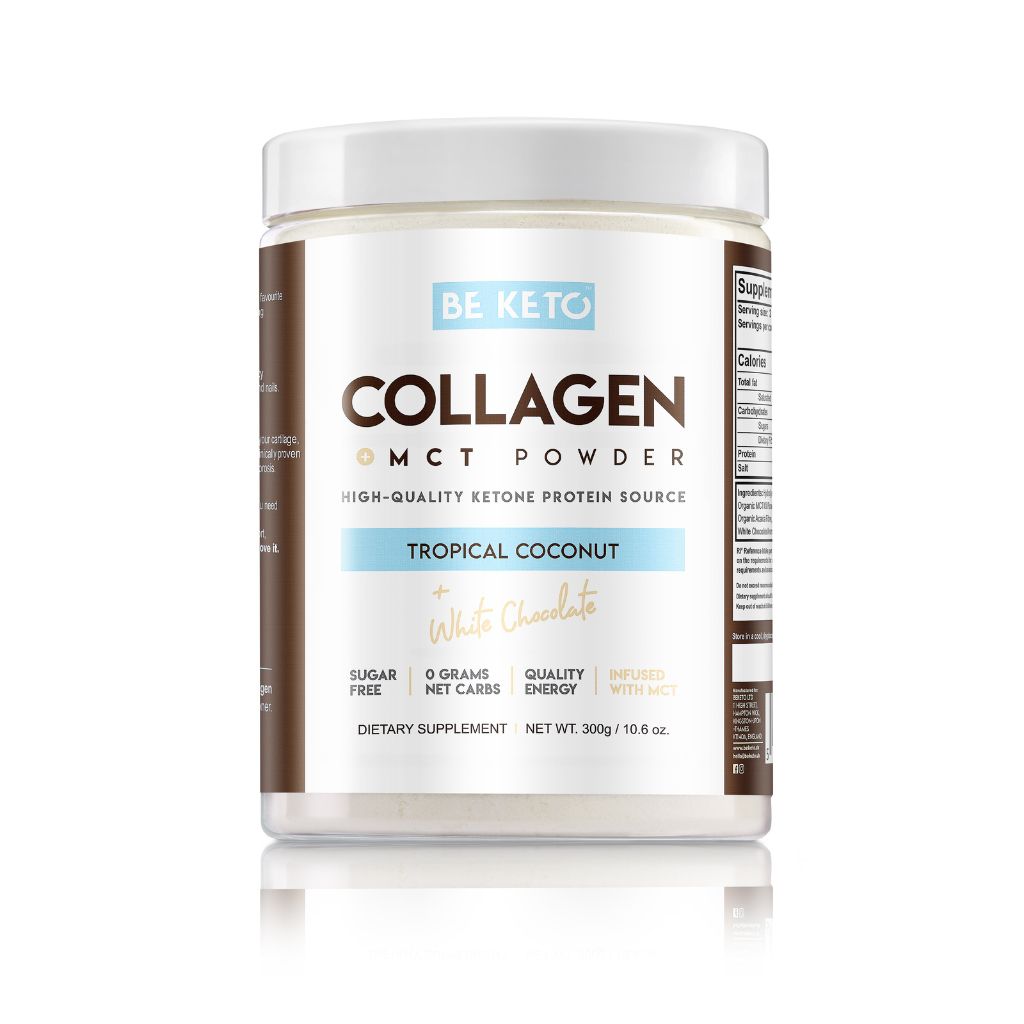
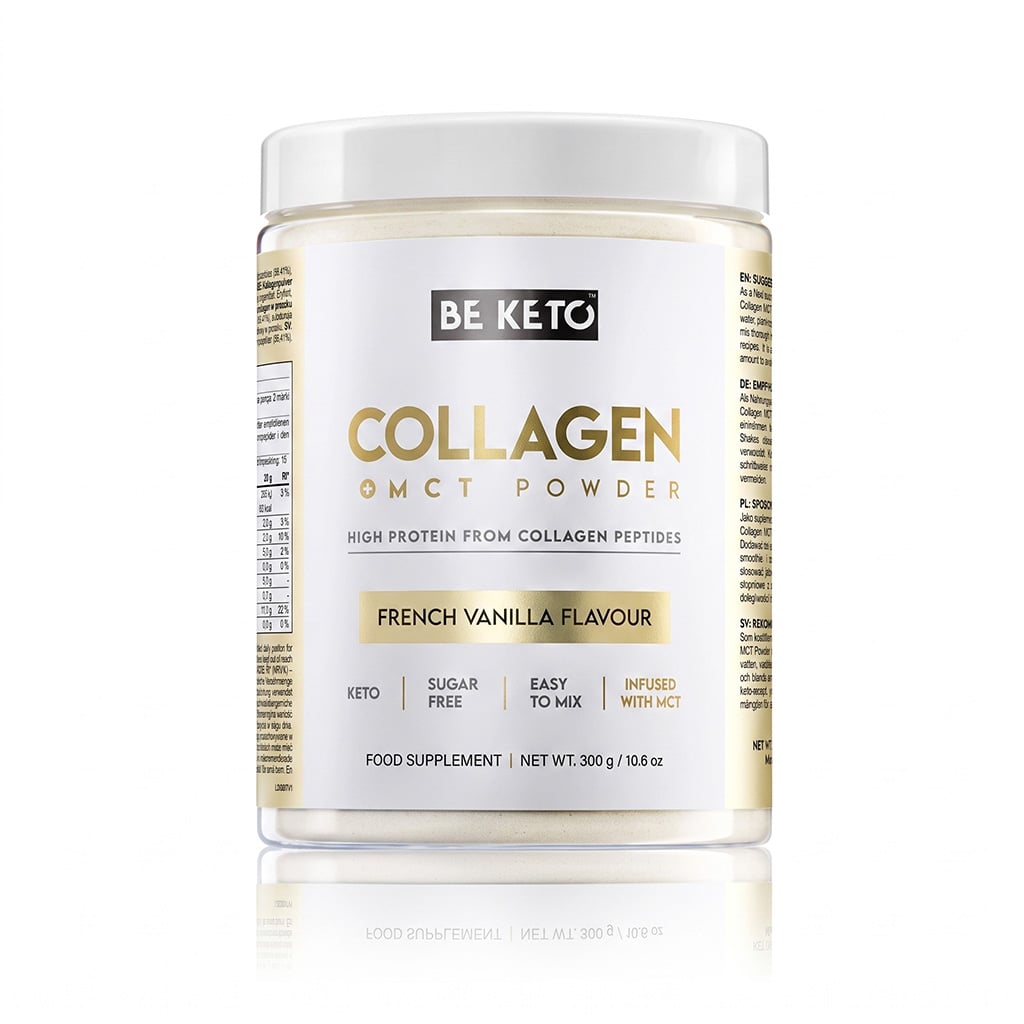
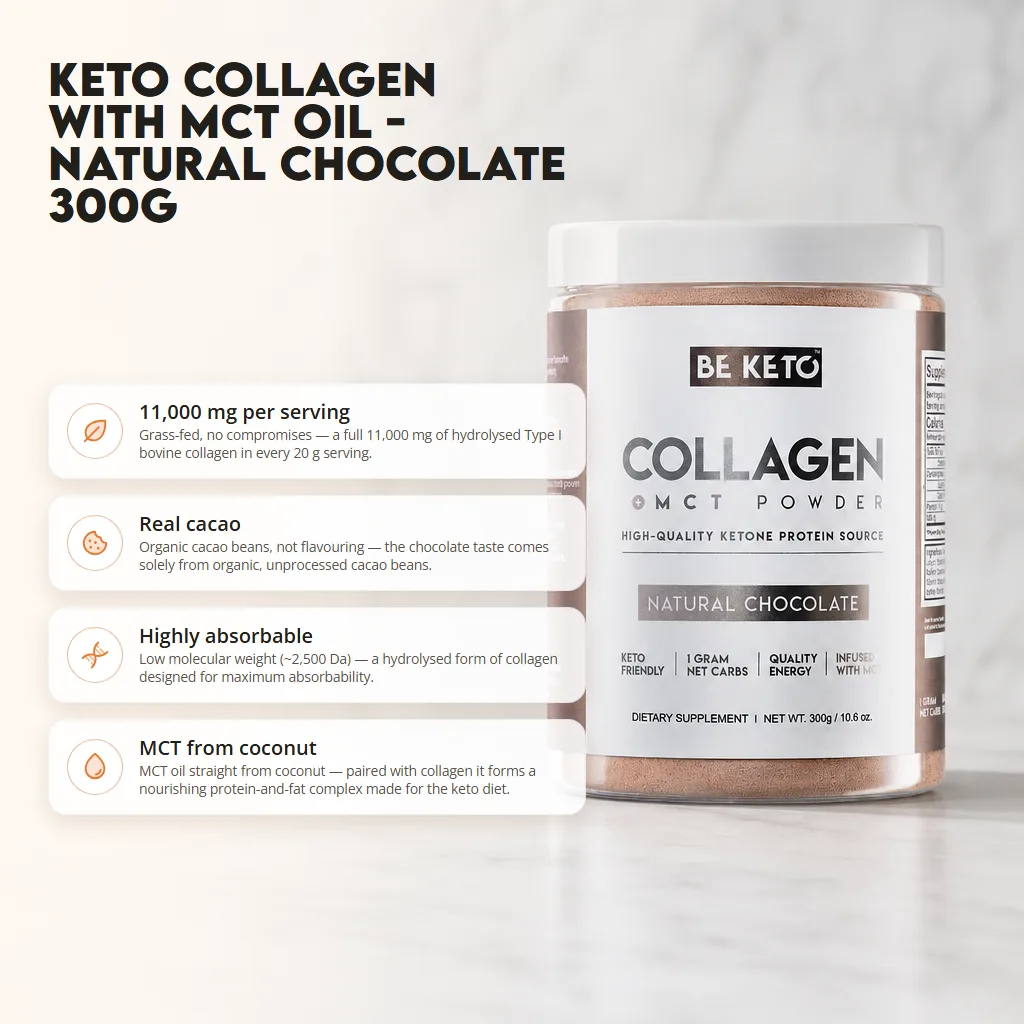
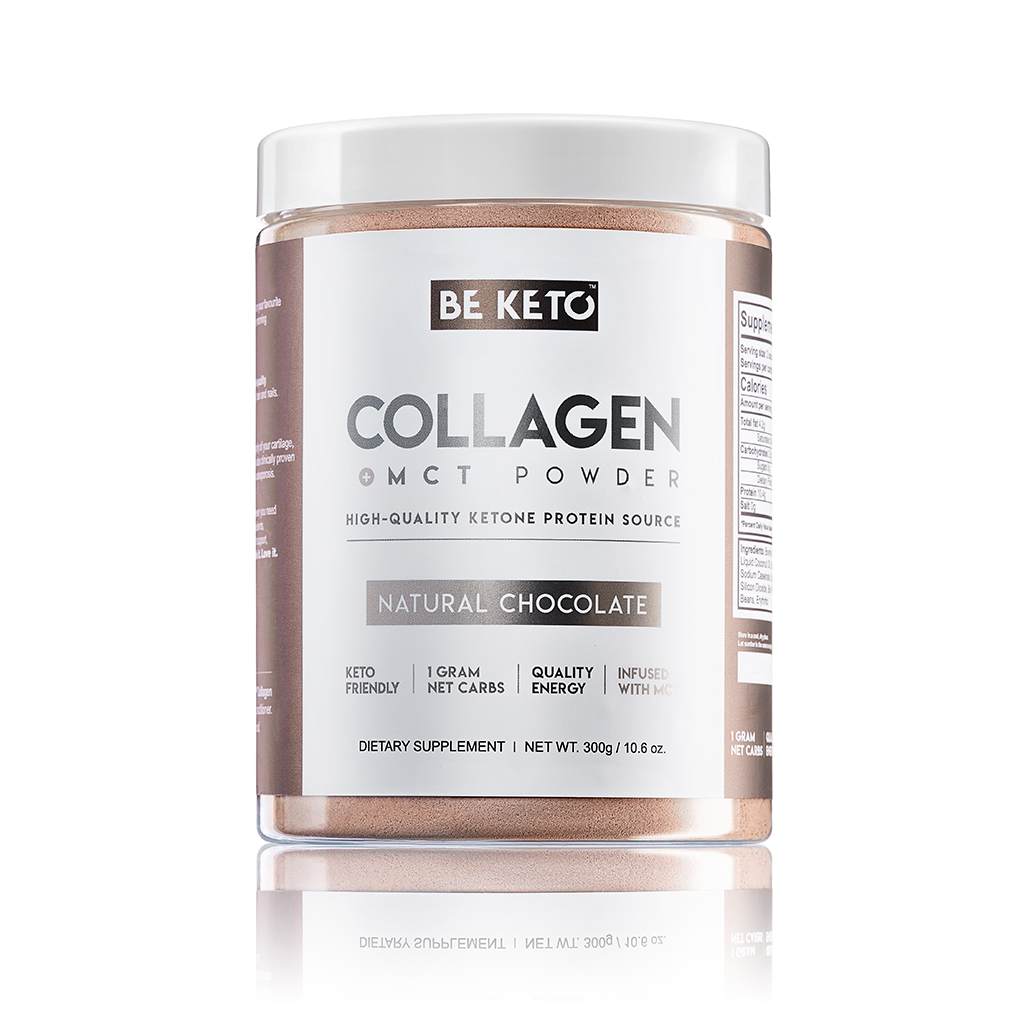
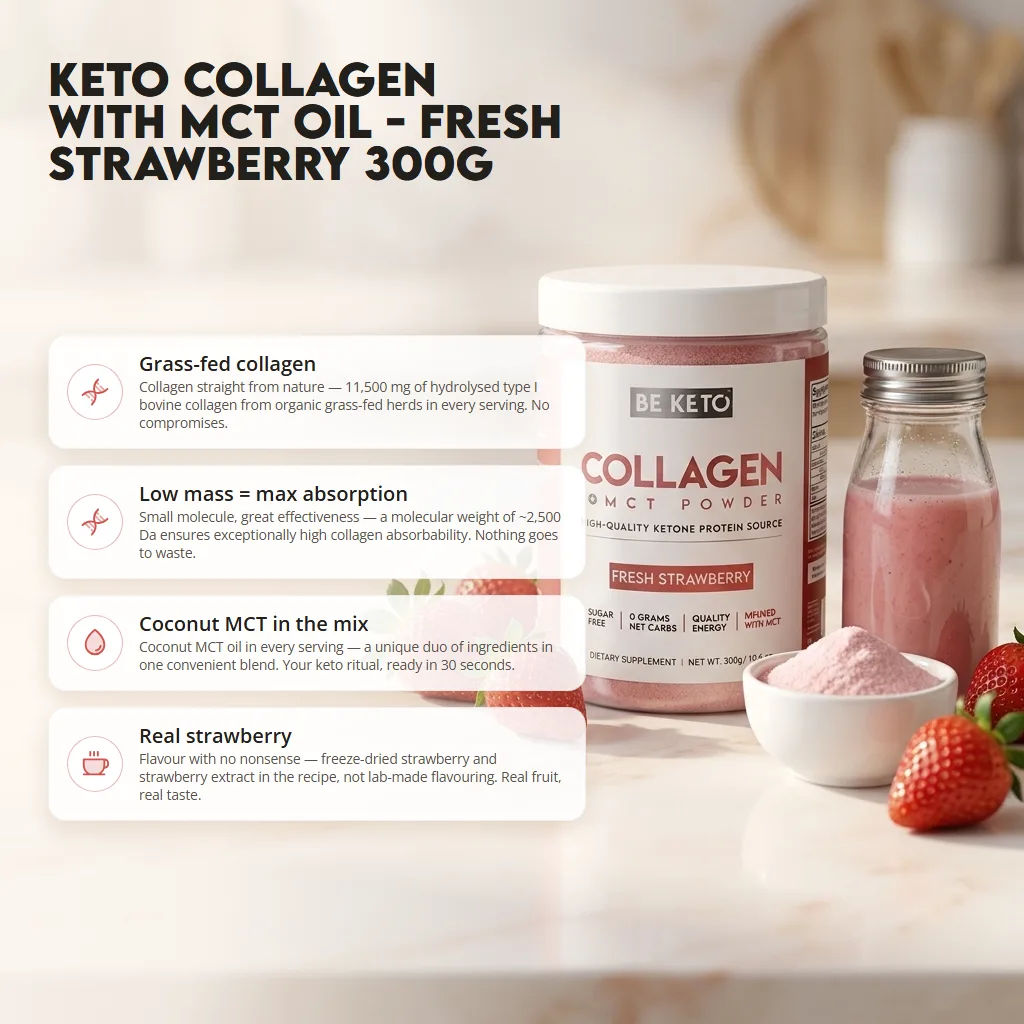
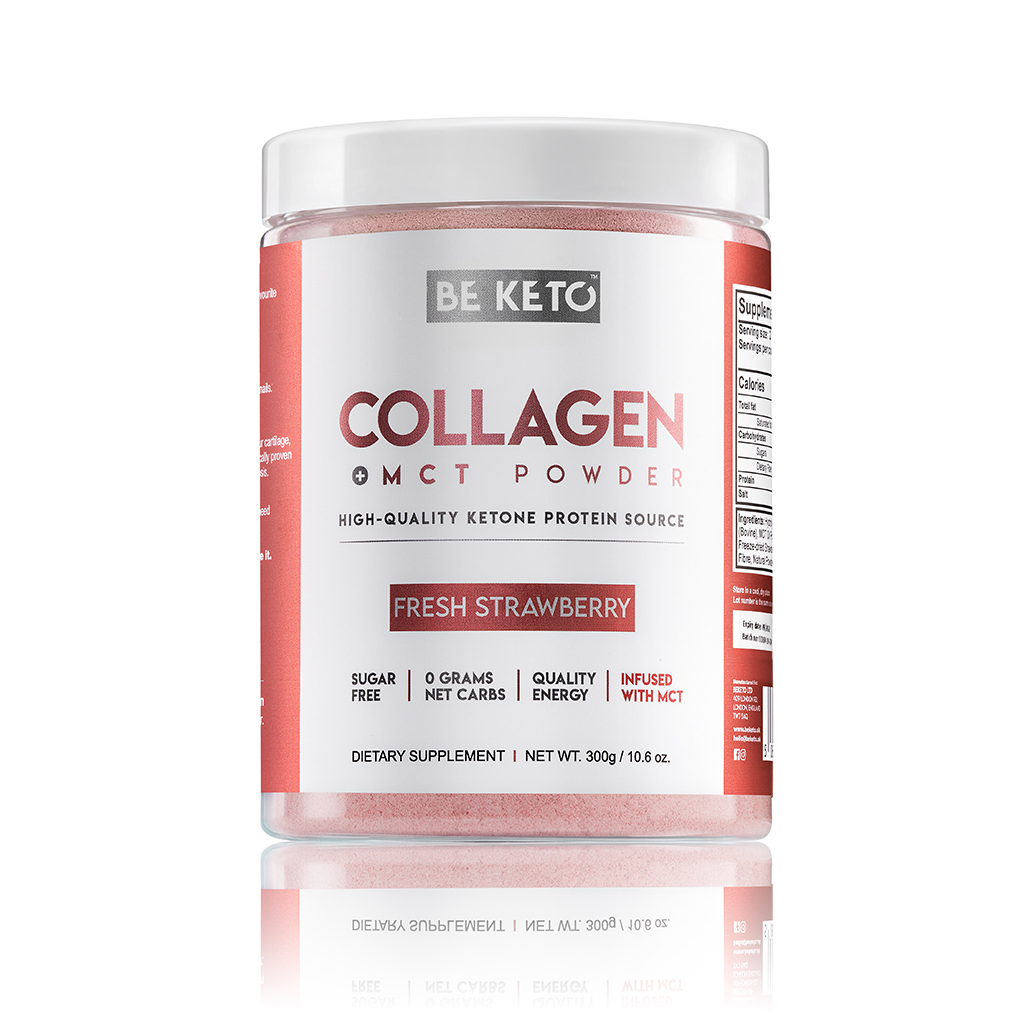
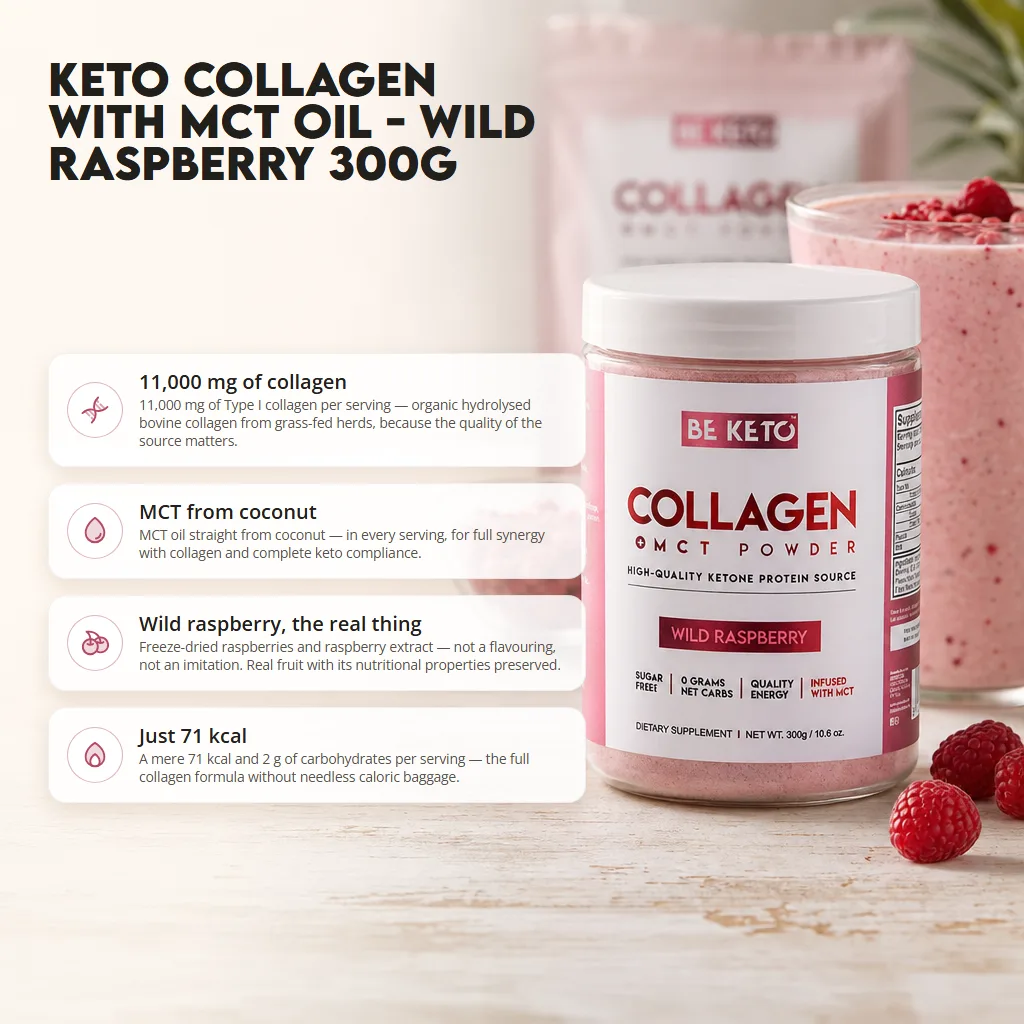
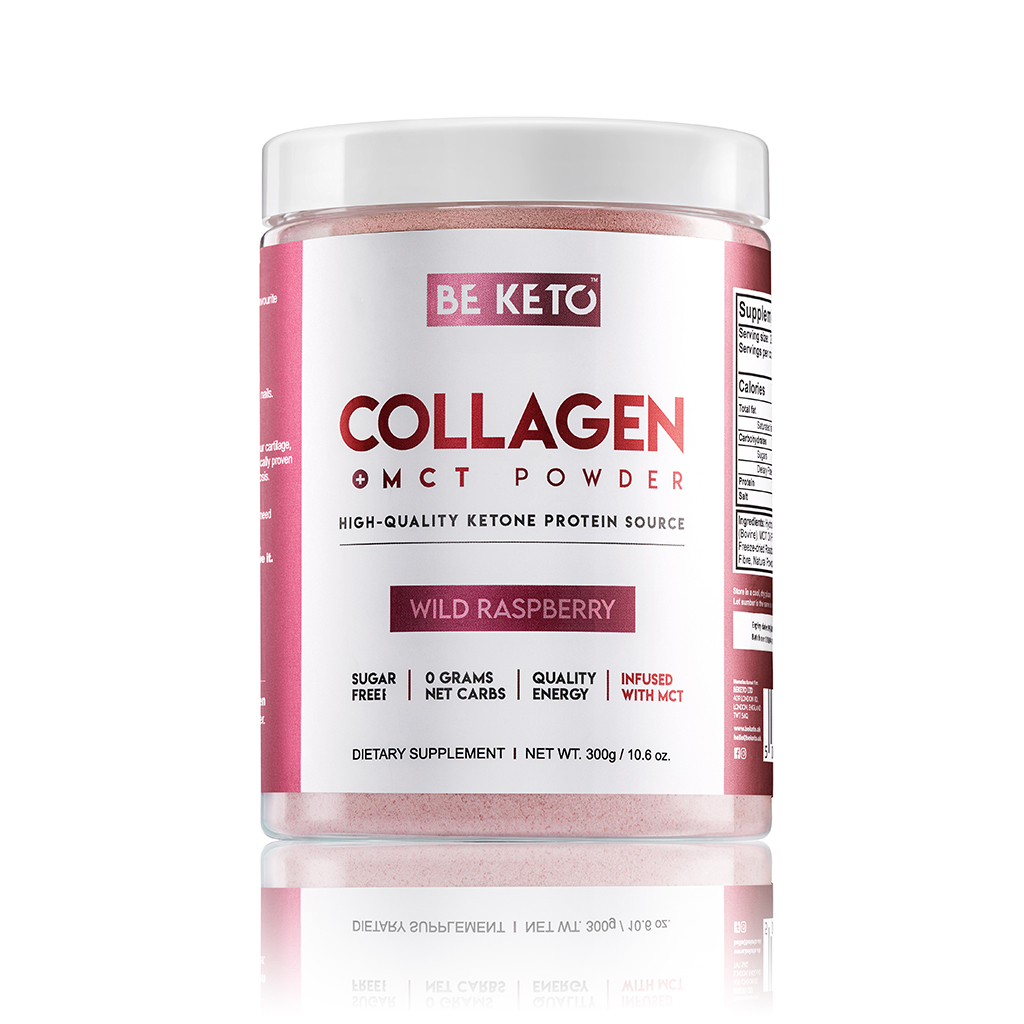
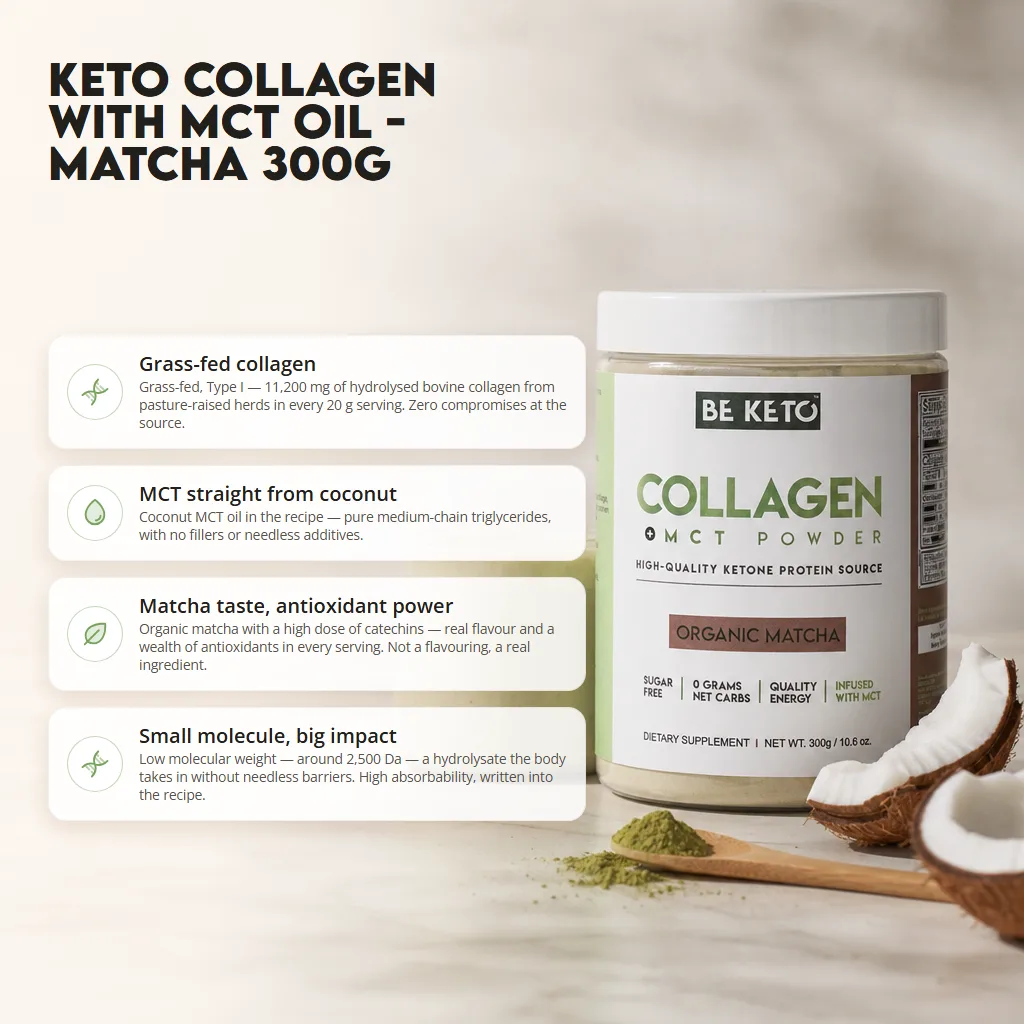
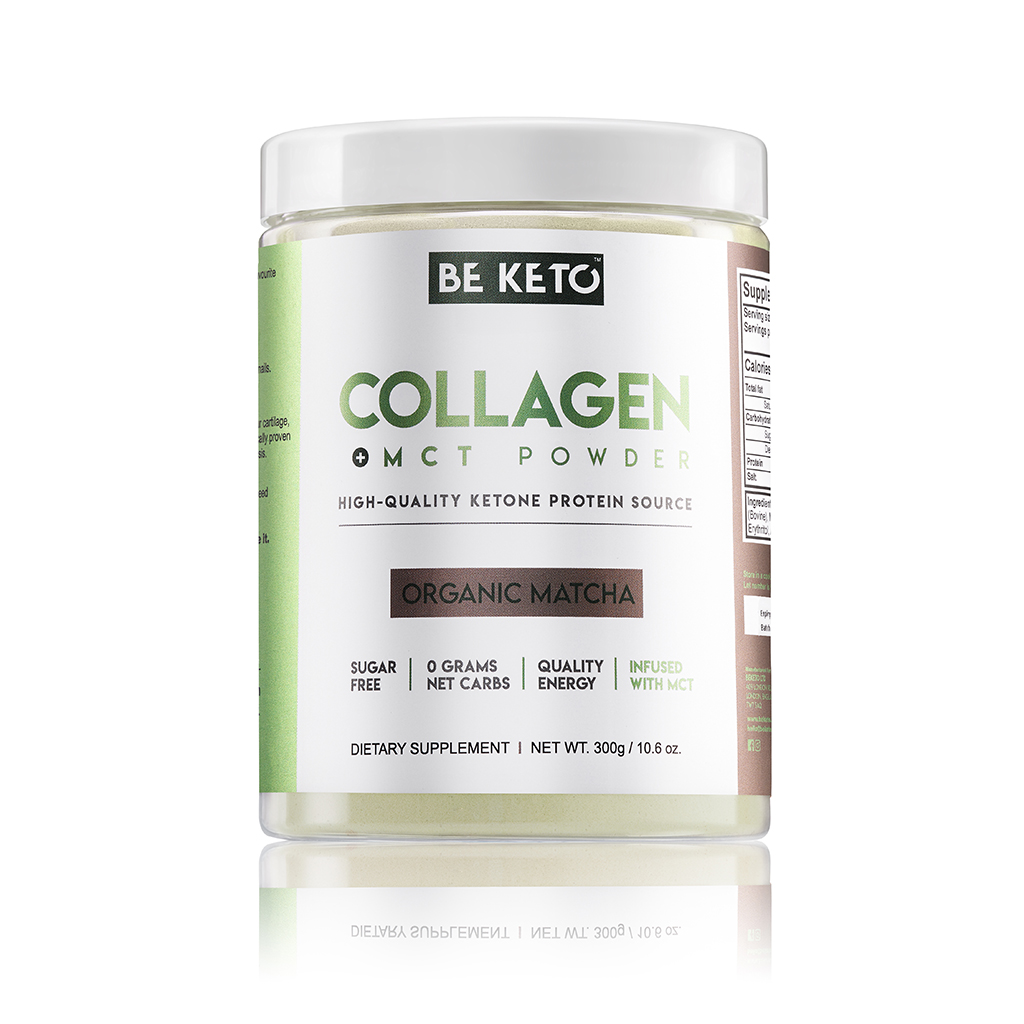
The eight blends start from the same hydrolysed bovine collagen and add coconut MCT oil powder, organic erythritol and acacia fibre. Collagen is still the first ingredient on each of them.
What does bovine collagen powder do?
Bovine collagen powder is a food, not a medicine, and collagen has no authorised health claim in Great Britain. So this page describes what the powder is and what it contains. A serving carries 9 g to 14.2 g of protein.
The register holds four entries for collagen: joint function, skin firmness and elasticity, cartilage regeneration and joint health in active people. All four are recorded as refused.
That leaves the measurable part, which here is protein. High in protein is a nutrition claim rather than a health claim, and every powder on this page clears its threshold with room to spare.
It also leaves what the ingredient list says on its own terms: one ingredient in the pure powder, four to six in the blends, and no sugar and no maltodextrin on any of them.
How much protein is in a serving of bovine collagen powder?
The pure powder carries 9 g of protein a serving, the blends 10.3 g to 14.2 g. That is a 10 g serving of the pure powder and 20 g of a blend, straight from the nutrition table on each pack.
Per 100 g the pure powder works out at 90 g of protein and the blends declare 51.5 g to 71 g. The difference is the coconut MCT oil powder.
High in protein has a fixed threshold: protein must supply at least 20 per cent of the energy. Here it supplies 58 to 97 per cent, and a serving runs from 37 kcal to 87 kcal.
- Pure Beef Collagen 500 g: 9 g protein a 10 g serving, 50 servings, £0.70 a serving
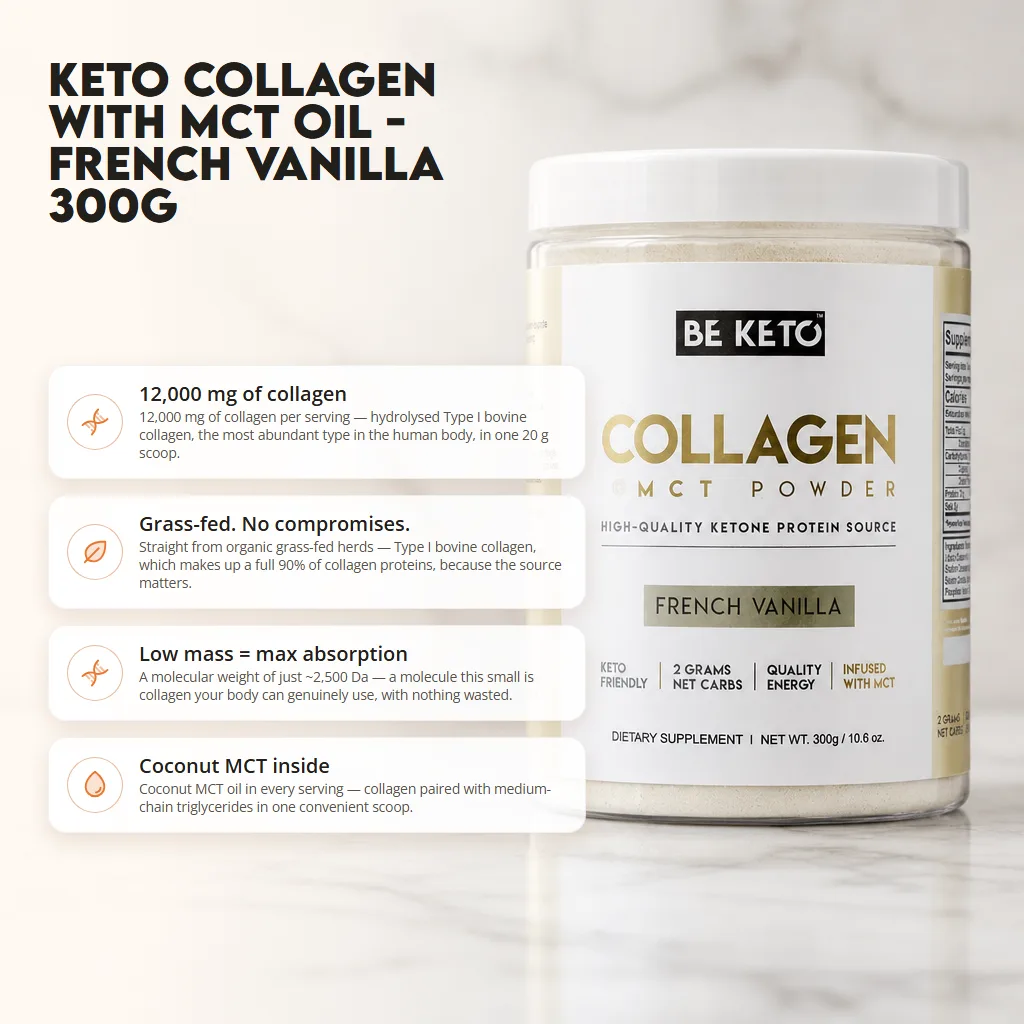
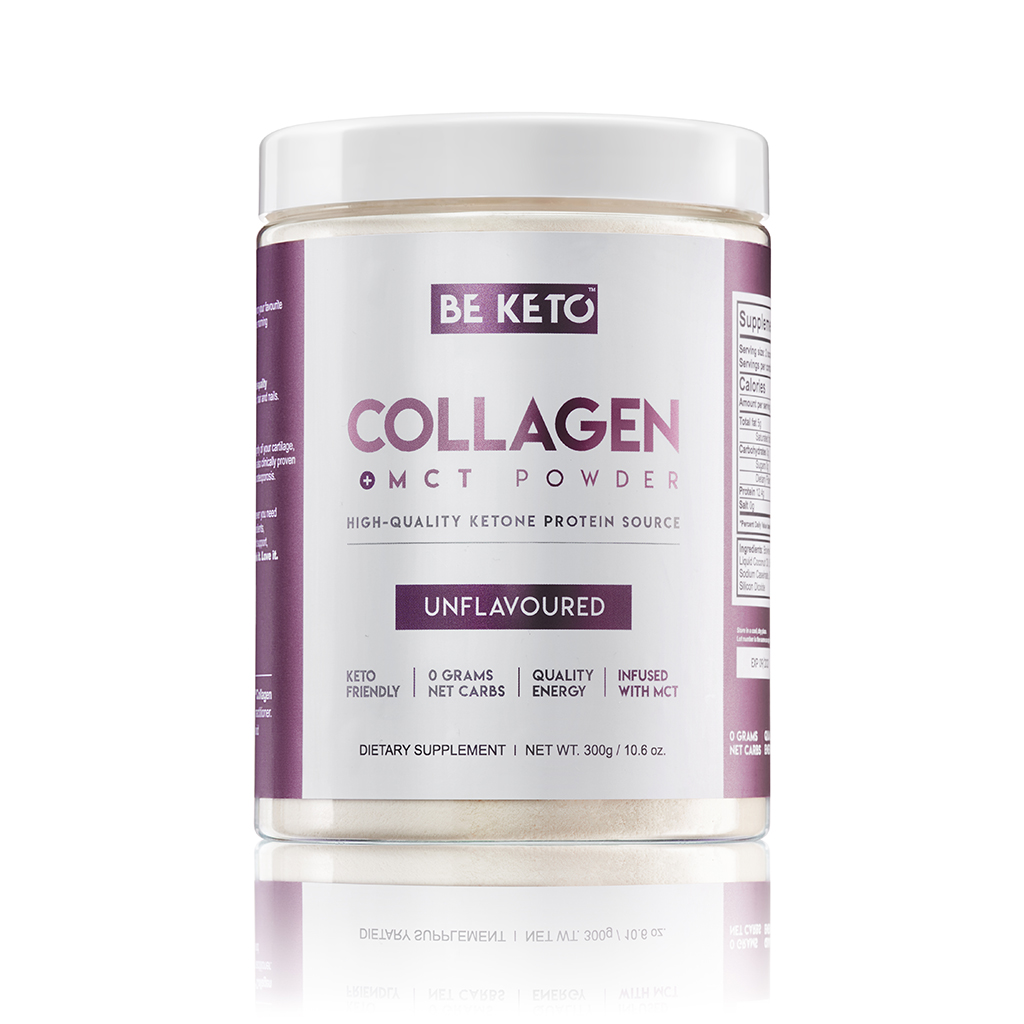
- Unflavoured blend 300 g: 14.2 g protein a 20 g serving, 15 servings, £1.93 a serving
- Flavoured blends 300 g: 10.3 g to 11.2 g protein a 20 g serving, 15 servings, £1.86 to £1.93 a serving
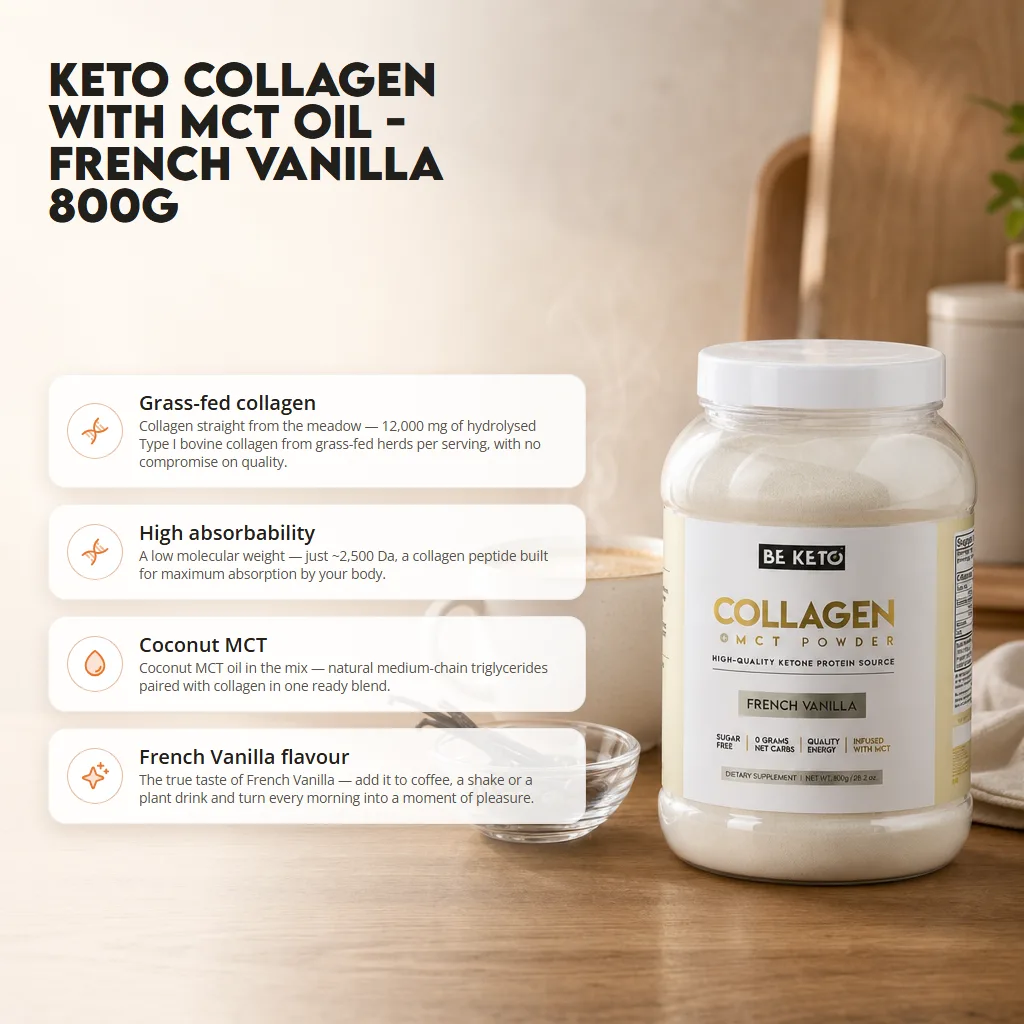
- Blend 800 g: 11 g protein a 20 g serving, 40 servings, £1.70 a serving
Protein for training is a separate purchase. Whey and plant blends are built for that job and sit under keto protein powders.
Pure bovine collagen or collagen blended with MCT oil?
The pure powder is collagen and nothing else at £0.70 a serving, while the blends add coconut MCT oil powder. The blends also carry organic erythritol and acacia fibre, and they cost £1.70 to £1.93 a serving.
Price per gram of protein is where the two builds separate. The pure powder works out at £0.078 a gram of protein against £0.136 for a blend.
What the extra buys is the coconut MCT oil powder in the same spoonful, already sweetened and ready to stir. If you want that ingredient on its own, our MCT oil powder is sold separately.
The pure powder answers the opposite question: one ingredient, no sweetener, no flavouring, and a 10 g serving instead of 20 g.
Bovine collagen powder vs marine collagen powder?
Bovine collagen carries types I and III, while marine collagen is mostly type I and is taken from fish skin. Every powder on this page is bovine.
The types are printed on the pure 500 g pack: collagen types I and III. The blend packs do not repeat that declaration.
The choice is often settled before the types are. Marine collagen is the usual route for a pescatarian diet and for anyone avoiding beef, while bovine collagen is not suitable for vegetarians, vegans or anyone avoiding beef on religious grounds.
Past the source, both are read from the same label lines: type, protein a serving, price a serving.
How do you take bovine collagen powder?
Stir 10 g of the pure powder, or 20 g of a blend, into any hot or cold drink. Hydrolysed collagen dissolves in hot drinks as well as cold, so 200 to 300 ml of coffee or tea works as readily as water.
The serving differs between the two builds and the scoop follows it: 10 g for the pure powder, 20 g for a blend, which is two scoops on the blend packs.
No time of day is printed on these packs, and nothing here has to be taken with food or away from it. One serving a day is the size the packs are built around.
The pure powder is unflavoured and carries no sweetener at all, so it goes into soup, coffee or a smoothie without bringing a taste of its own.
Which is the best bovine collagen powder for you?
Three printed numbers settle the choice: protein a serving, servings a pack and price a serving. They run from 9 g, 50 servings and £0.70 for the 500 g pure pack to 14.2 g, 15 servings and £1.93 for the unflavoured blend.
Pack price on its own misleads, because the packs differ in weight and in serving size. £34.90 for 500 g is 50 servings, while £28.90 for 300 g is 15.
If protein for the money decides it, the pure powder wins at £0.078 a gram against £0.136. If you want the coconut MCT oil powder in the same scoop, the 800 g pack brings a blend down to £1.70 a serving.
Check the protein and the price on each card above, then order the build you will actually drink: the pure 500 g pack at £0.70 a serving, or a blend at £1.70 to £1.93.
Frequently asked questions
Who should not take bovine collagen?
It is a beef product. So it is not suitable for vegetarians, vegans or anyone avoiding beef, and none of these packs is marked halal or kosher. The blends also contain coconut in the MCT oil powder and erythritol.
What are the benefits of bovine collagen powder?
The lawful claim is nutritional: high in protein. Collagen has no authorised health claim in the Great Britain register, so this page describes what the powder is and what it contains. A serving carries 9 g to 14.2 g of protein for 37 kcal to 87 kcal.
Does bovine collagen powder have side effects?
The ingredient list is the place to look. The pure powder has one ingredient, hydrolysed bovine collagen. The blends add coconut MCT oil powder, organic erythritol and acacia fibre, and none of the nine lists sugar or maltodextrin.
Is bovine collagen powder organic?
The collagen itself is not organic here. What carries an organic label in the blends is the MCT oil powder and the erythritol. The pure 500 g powder has a single ingredient and it is not organic either.
Is cow collagen the same as bovine collagen?
Yes, three names for one ingredient. Cow collagen, beef collagen and bovine collagen all mean collagen taken from cattle. The pack on this page that uses the beef wording is the 500 g pure powder.
Can you take bovine collagen powder with vitamin C?
None of these powders contains added vitamin C. Whatever vitamin C reaches the cup comes from the drink you mix the powder into or from the rest of the day's food.
What should you avoid when taking collagen powder?
Nothing on a UK label needs avoiding. Heat is not a reason to skip coffee, because hydrolysed collagen dissolves in hot drinks. The list worth checking is your own: beef, coconut in the MCT oil powder, erythritol if you avoid polyols.
How many servings are in a pack of bovine collagen powder?
Fifty, forty or fifteen, by pack size. A 500 g pack gives 50 servings of 10 g, the 800 g pack gives 40 servings of 20 g and a 300 g pack gives 15 servings of 20 g.
Where can you buy bovine collagen powder in the UK?
Direct from this shop, shipped within the UK. Prices run from £27.90 for a 300 g blend to £67.90 for the 800 g pack, with the 500 g pure powder at £34.90.
 United KingdomCurrent regionDelivery within the United KingdomCurrency: Pound Sterling (£)
 GermanyDelivery within Germany and AustriaCurrency: Euro (€)
 FranceDelivery within France and BelgiumCurrency: Euro (€)
 ItalyDelivery within ItalyCurrency: Euro (€)
 PolandDelivery within Poland and EuropeCurrency: Zloty (PLN)
 Czech RepublicDelivery within the Czech Republic and SlovakiaCurrency: Czech Koruna (Kč)
 SpainDelivery within SpainCurrency: Euro (€)