Why take electrolytes on keto?
Keto electrolytes replace the sodium, potassium, magnesium and calcium a ketogenic diet flushes out with water. Cutting bread, fruit and starch empties the glycogen stores, and each gram of glycogen holds roughly three grams of water. The water leaves over the first days and takes dissolved minerals with it.
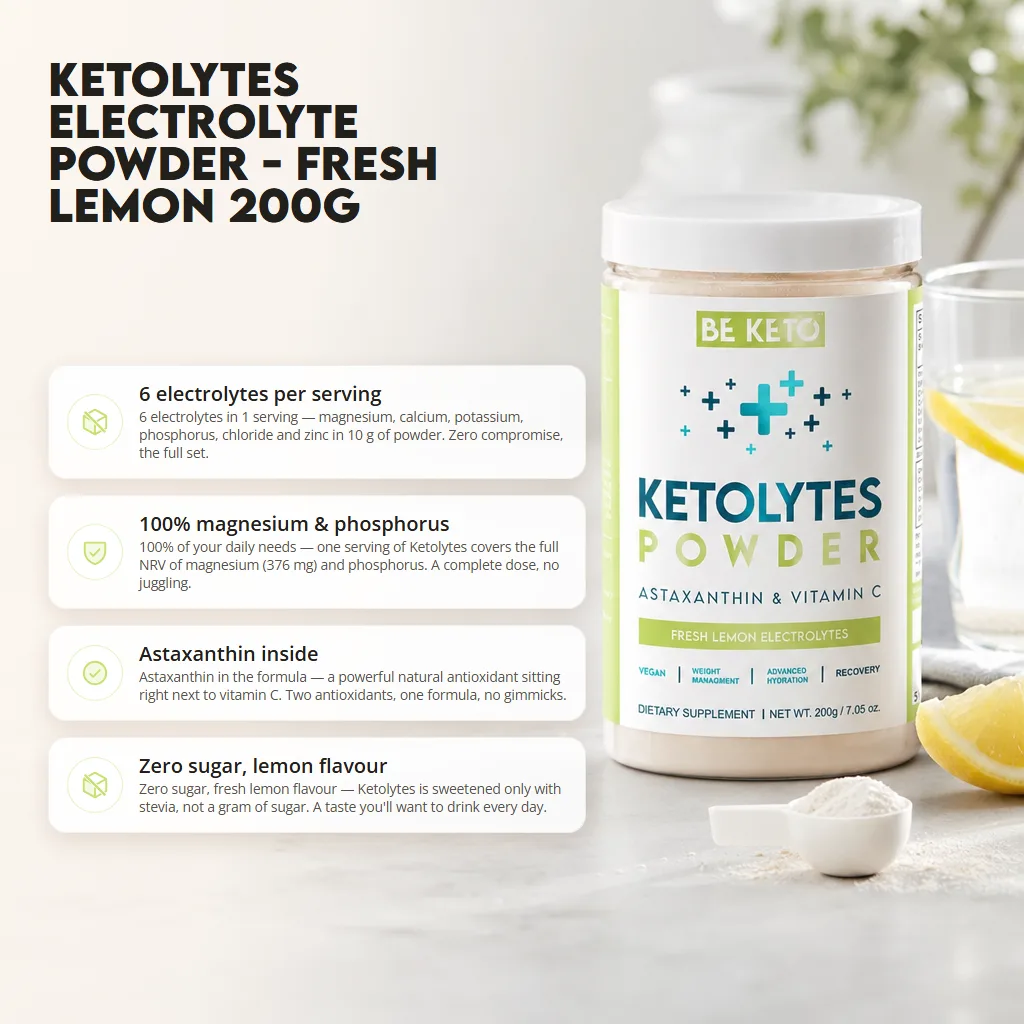
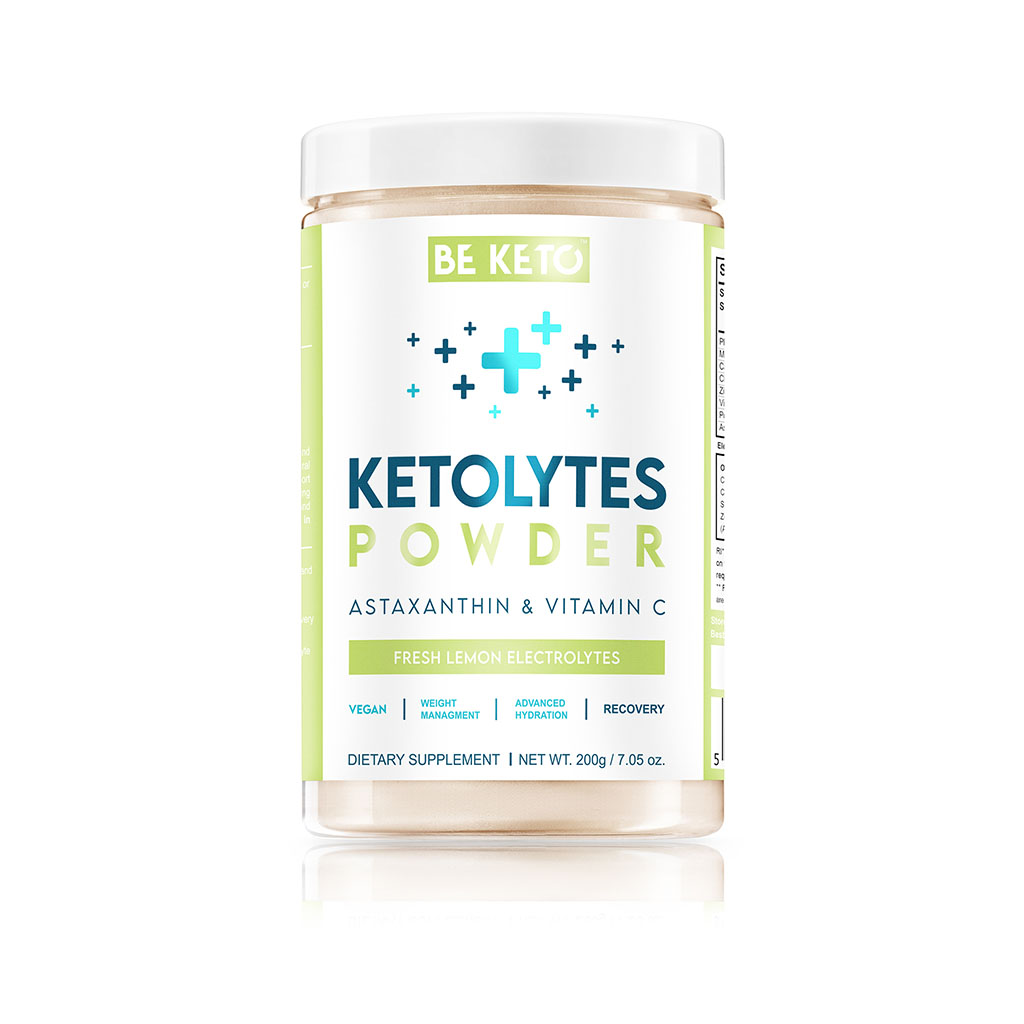
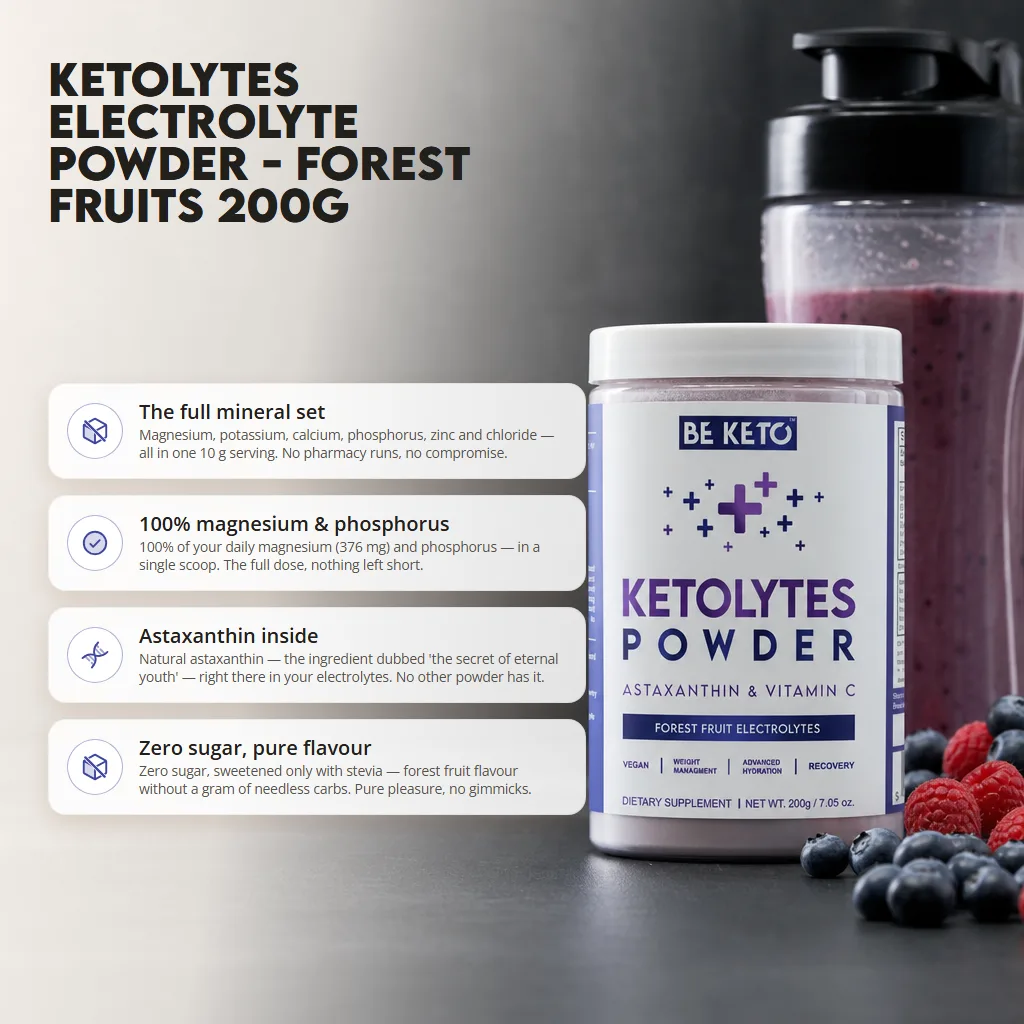
One 10 g serving carries 376 mg of magnesium, which is the full daily reference intake. Magnesium contributes to electrolyte balance, to normal muscle function and to a reduction of tiredness and fatigue, and the amount in a serving is what allows that wording to be used here.
The same first days are when people describe headaches, tiredness and cramps, a cluster the diet's own literature calls keto flu. That belongs to the change in diet rather than to any supplement, and our note on keto flu and how to avoid it sets out what shifts in that week.
What electrolytes are best for keto?
The best keto electrolytes are the ones that print the milligrams of each mineral per serving. A name on the front tells you nothing you can compare, and two tubs described in the same words can differ more than tenfold in one mineral.
Every powder on this shelf runs to the same magnesium and potassium, 376 mg and 200 mg a serving. Sodium and calcium are where the tubs part company.
- Magnesium: 376 mg per 10 g serving, in every powder
- Potassium: 200 mg per 10 g serving, in every powder
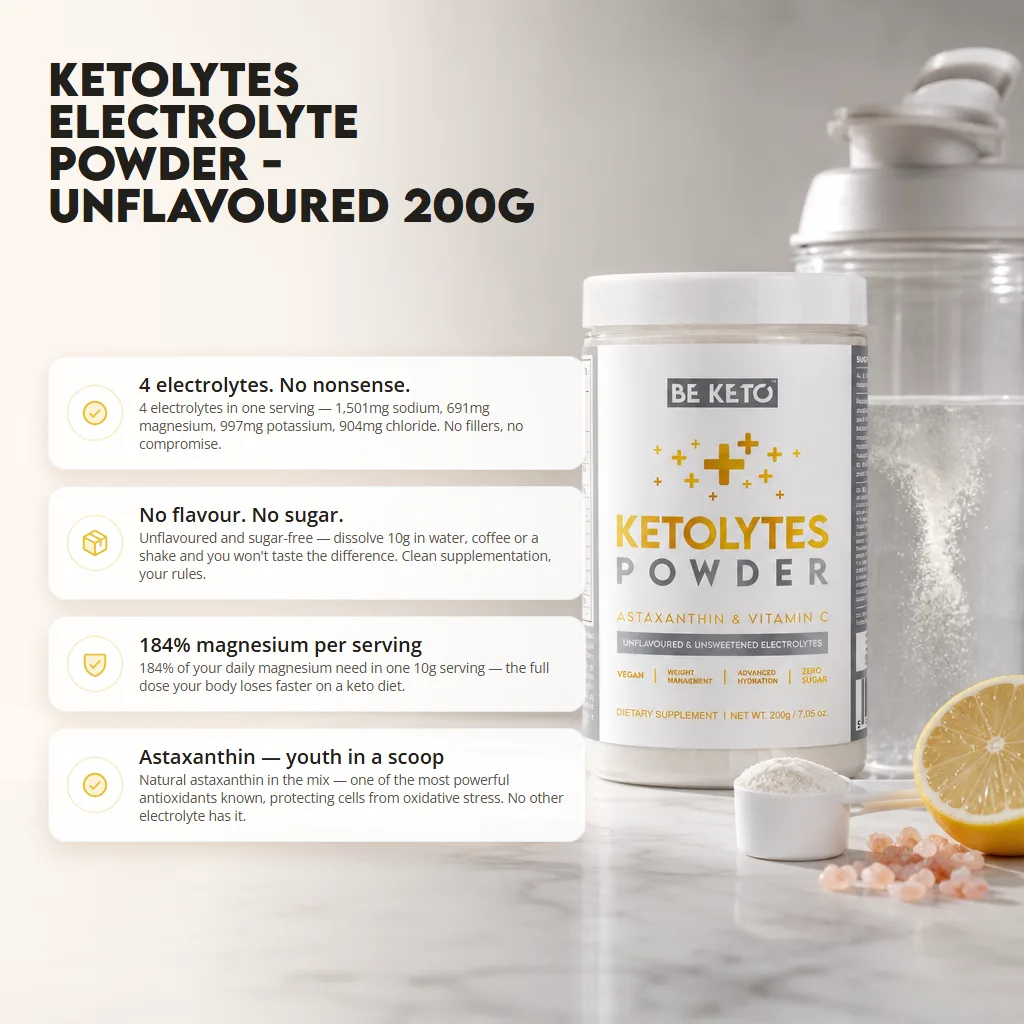
- Sodium: 110 mg in the four flavoured tubs, 1,501 mg in the unflavoured tub
- Calcium: 100 mg in the four flavoured tubs, from dicalcium phosphate
- Serving: 10 g, 20 servings a 200 g tub, £0.95 a serving
Two of those figures sit below the level at which any wording about a mineral is allowed. 200 mg of potassium is 10% of the daily reference intake and 100 mg of calcium is 12.5%, against a threshold of 15%, so below that line the pack carries the number and nothing else.
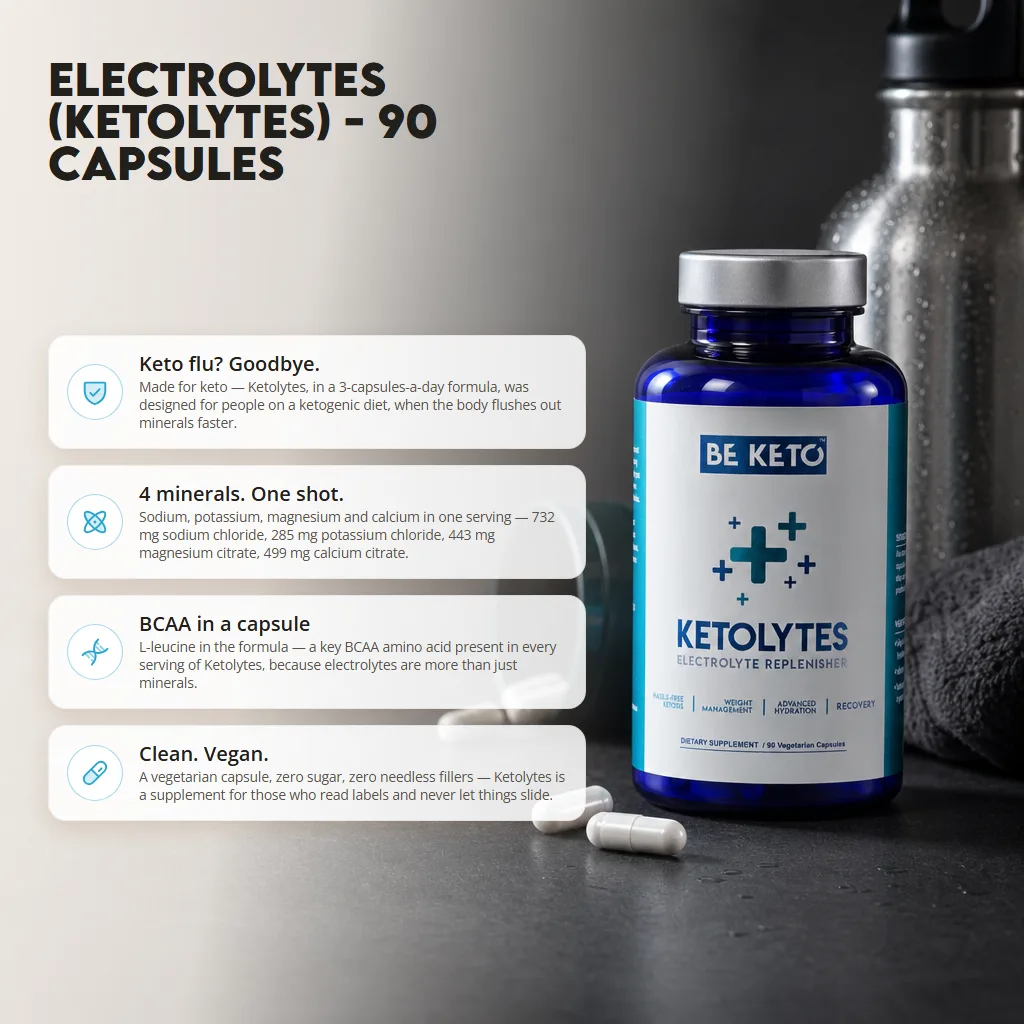
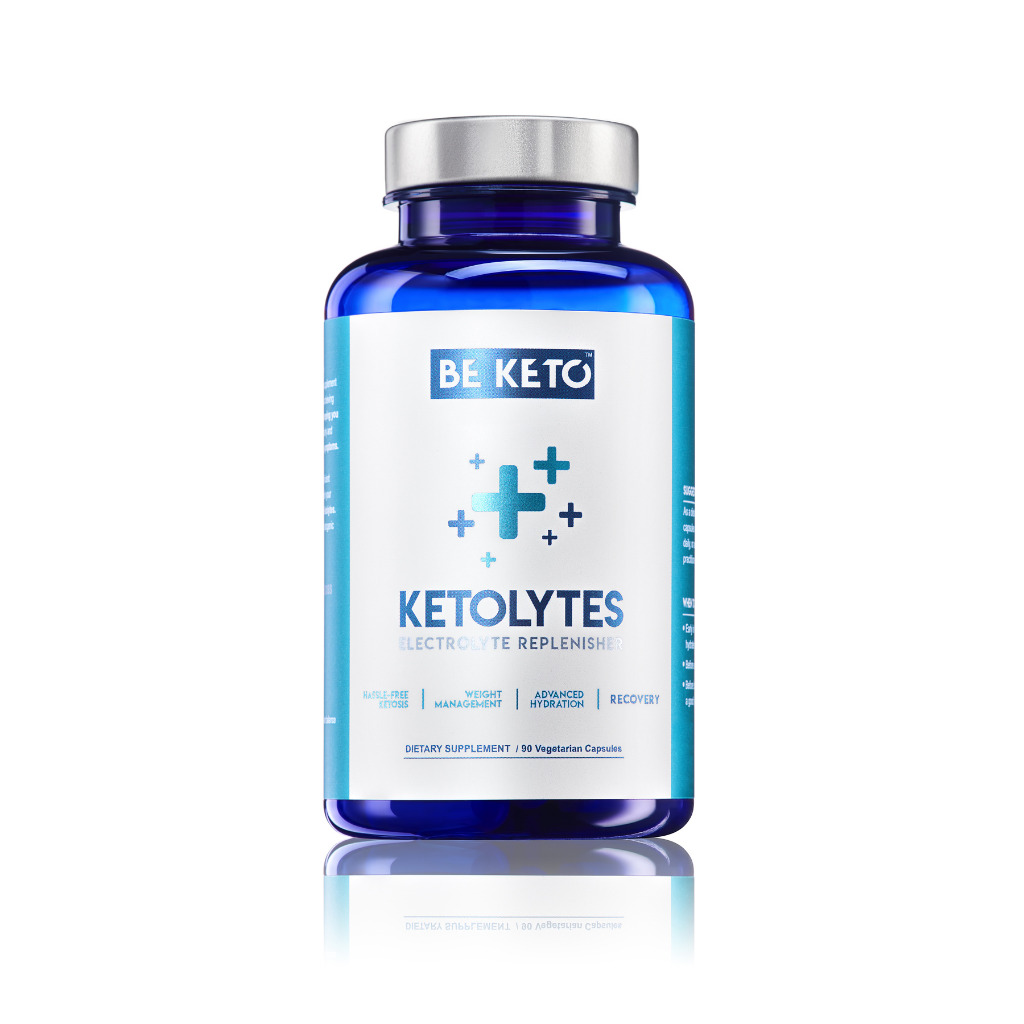
The capsules are the exception on this shelf. Their label names sodium, calcium, potassium and magnesium but puts no milligram figure against them, so they are described here by what is in them rather than by how much.
What is the best no-carb electrolyte drink?
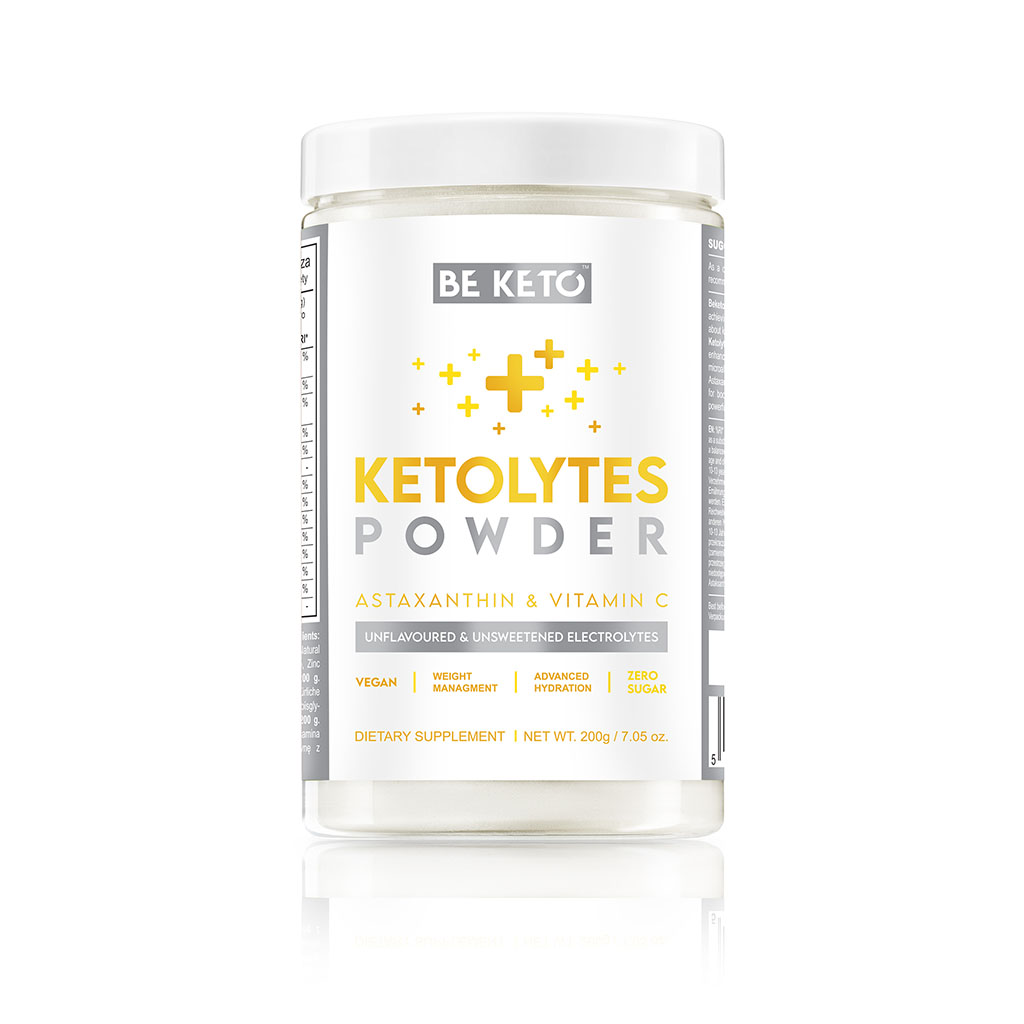
The unflavoured Keto Electrolytes Powder carries 0 g of carbohydrate and 2 kcal per 100 g. That is the figure from its nutrition table, and it is the only tub here for which the carbohydrate line is confirmed.
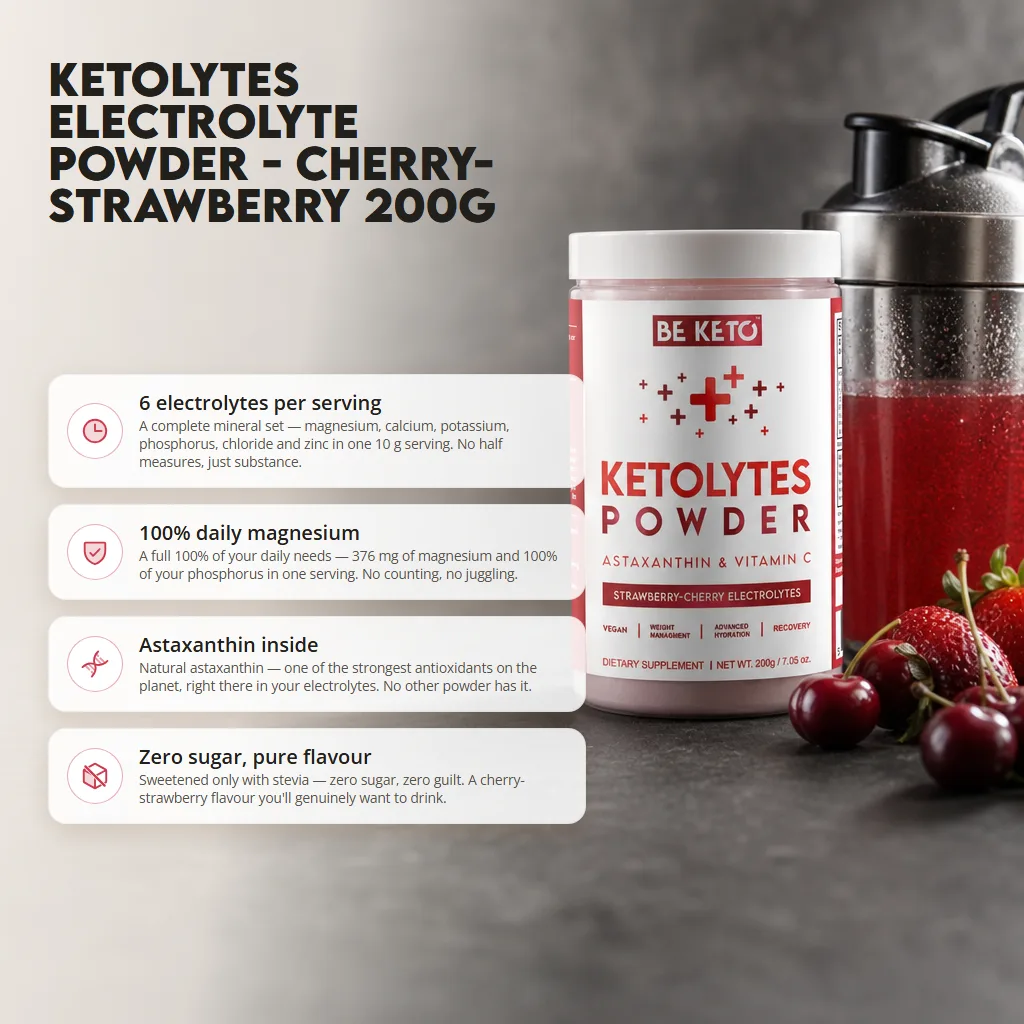
The flavoured tubs do not state a carbohydrate figure per serving on the pack, so the 0 g above belongs to the unflavoured tub alone. What their ingredient list does show is that no sugar is added and the sweetener is stevia.
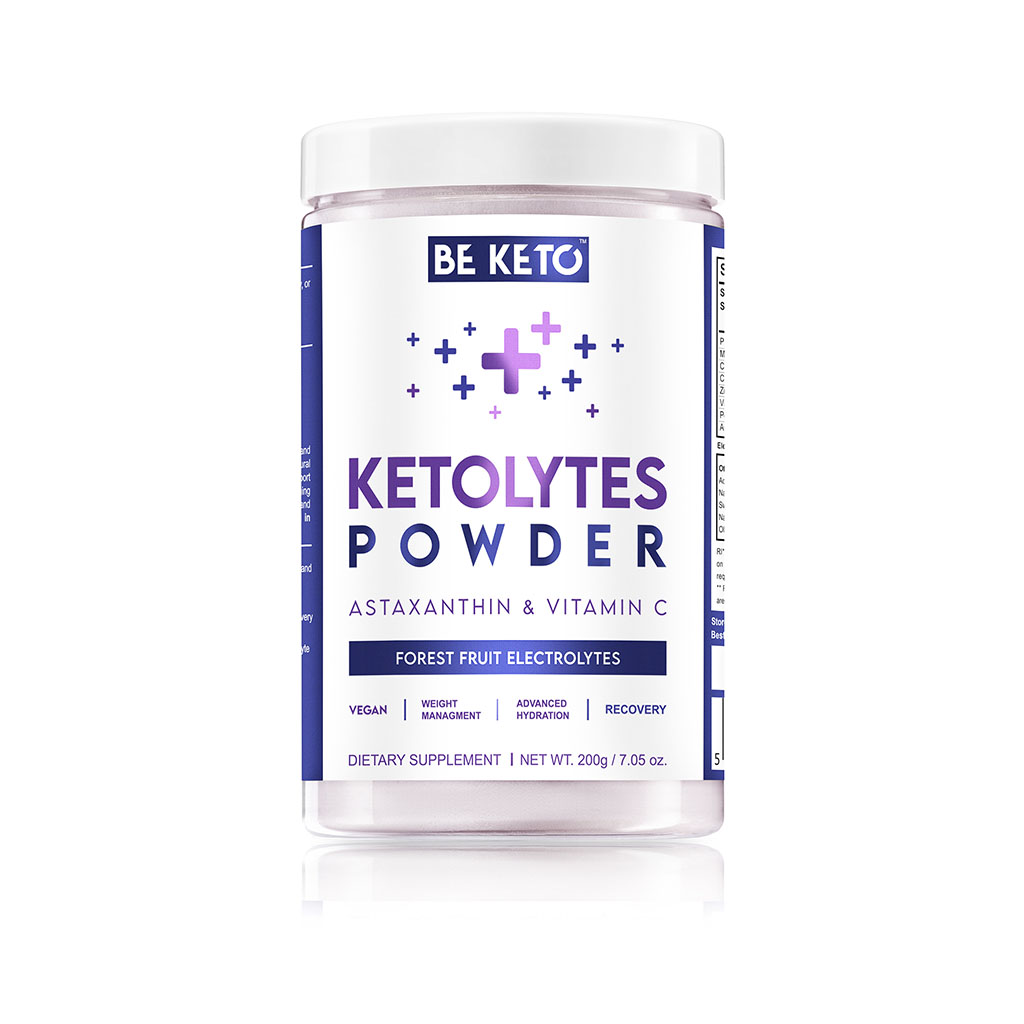
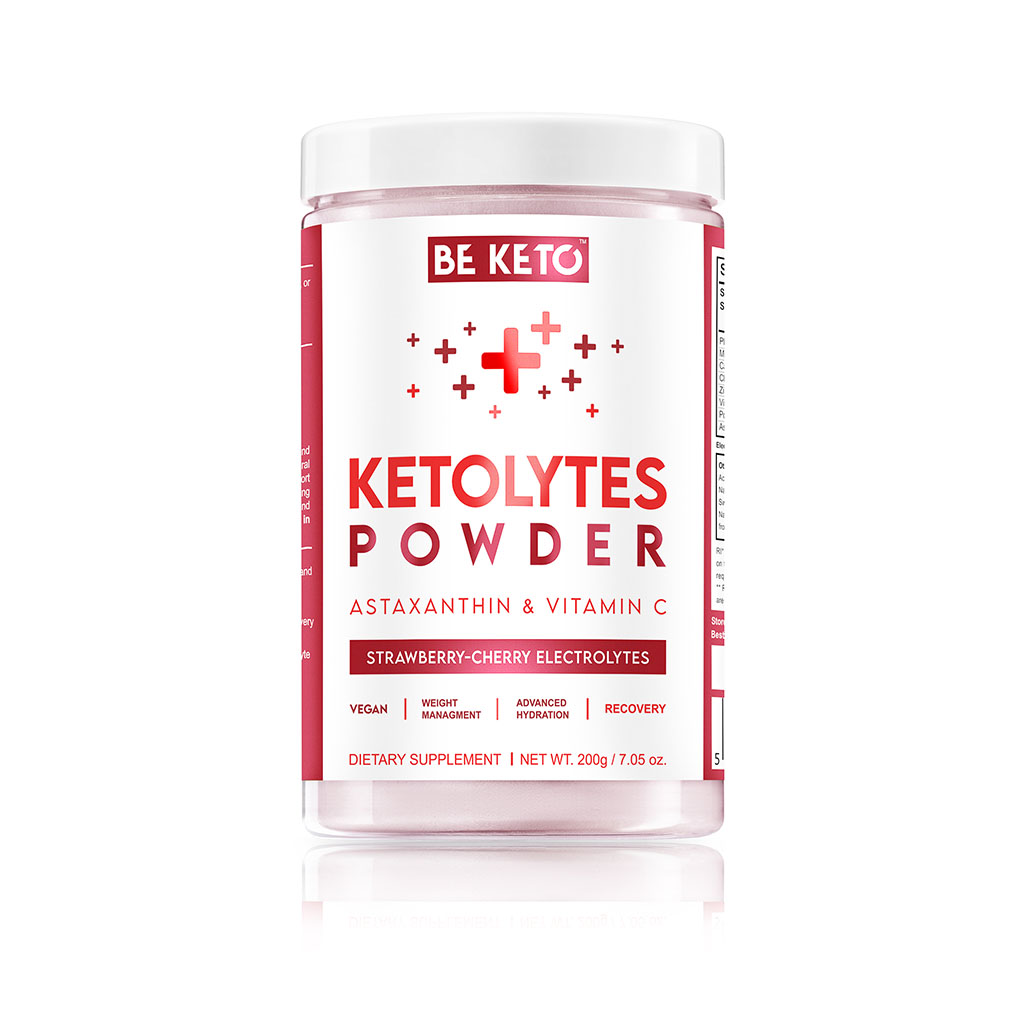
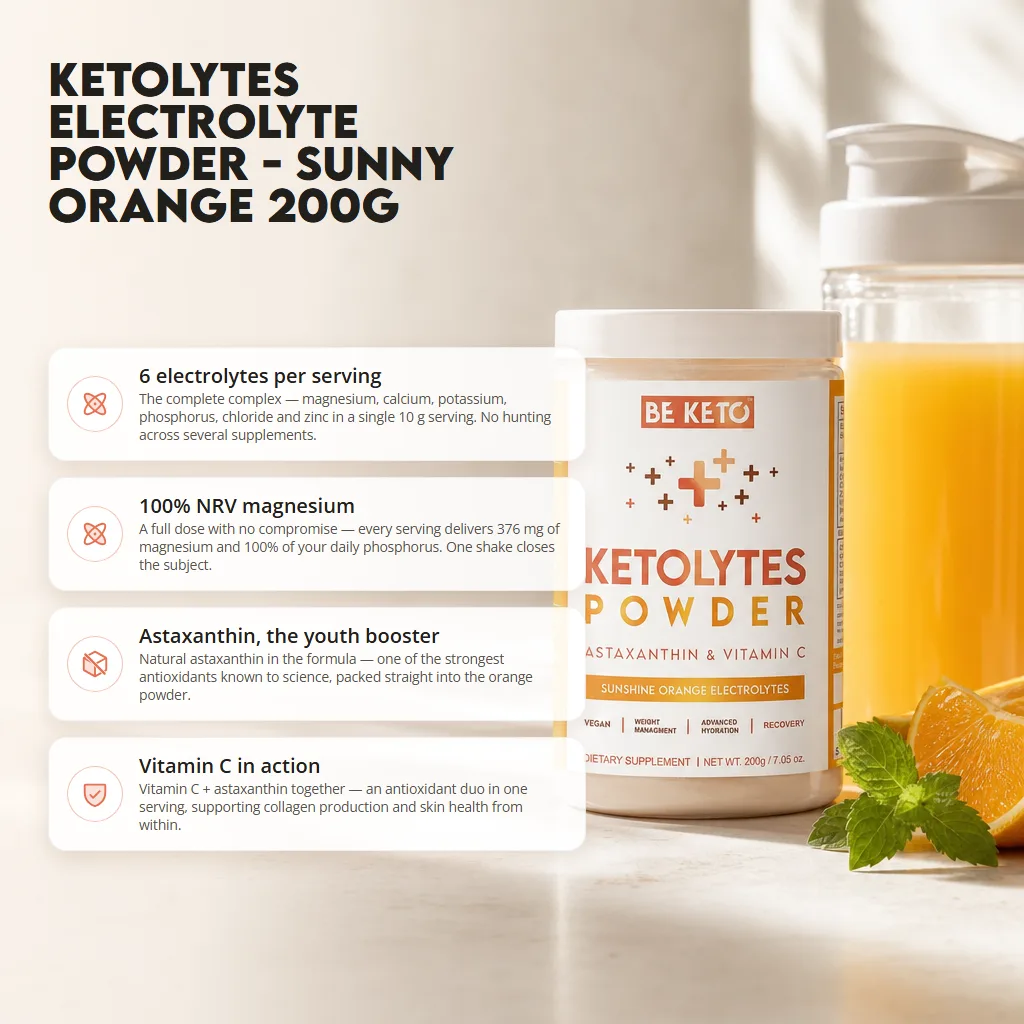
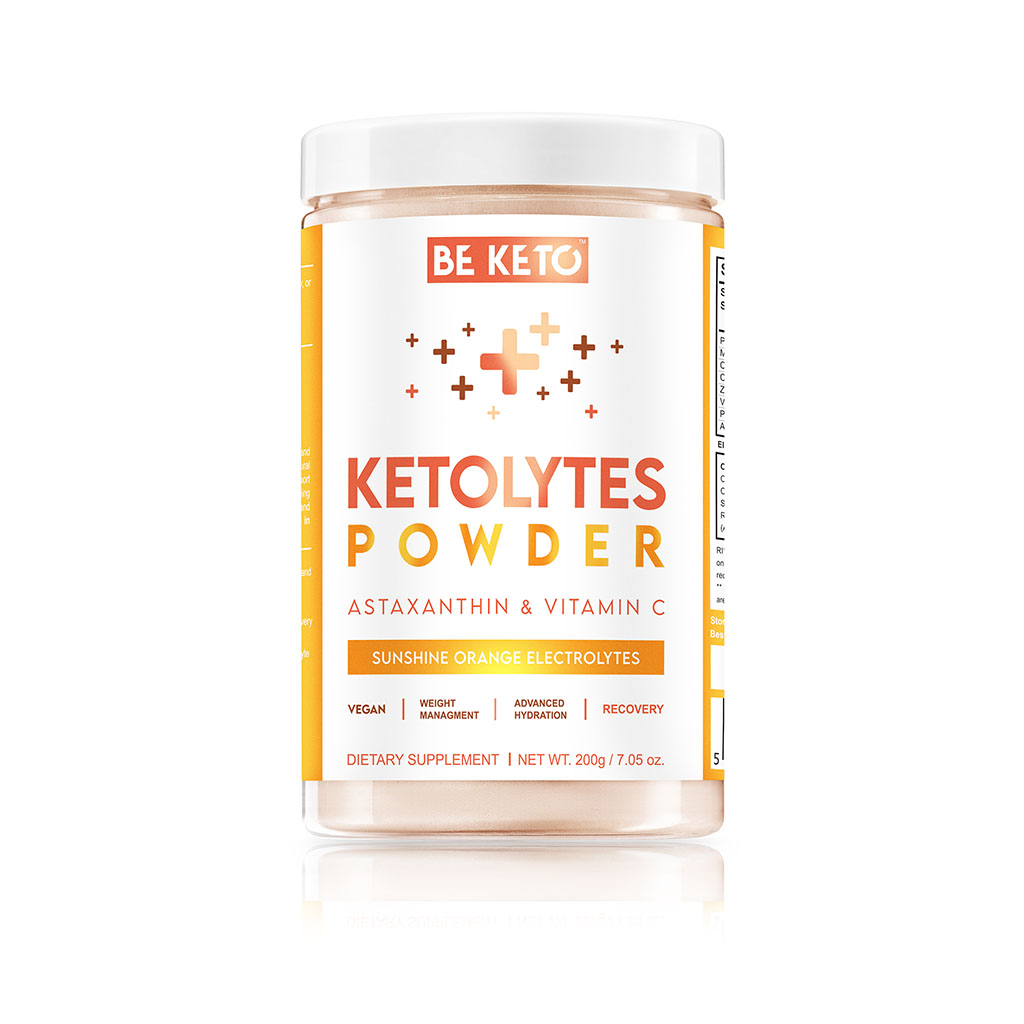
Sweetness in those four comes from steviol glycosides, with citric and malic acid as the acidity regulator, so they taste tart rather than sweet. The flavours are Sunshine Orange, Fresh Lemon, Strawberry Cherry and Forest Fruit.
Mixed into water the unflavoured powder makes a salty drink rather than a soft one, because a serving carries 1,501 mg of sodium. That is the tub to count against the salt in the rest of your day.
Should you take electrolyte powder or capsules?
Powder lets you set the strength of the drink, capsules give a fixed serving of three. Both carry the Ketolytes name on the label, and the difference shows up in the price per serving and in what the label states.
A 200 g tub costs £18.90 and holds 20 servings, which works out at £0.95 a serving. The 90 capsule pack costs £19.90 for 30 servings of three capsules, so £0.66 a serving from the more expensive pack.
The capsule shell is HPMC, which is vegetarian rather than gelatine, and the capsules hold sodium chloride, calcium citrate, magnesium citrate, potassium chloride and zinc gluconate with L leucine and microcrystalline cellulose. The label names those minerals without a milligram figure, so the powder is the one to read if you want the numbers.
Neither form decides whether you are in ketosis, because that follows from how much carbohydrate you eat. If the question is what else belongs in the first weeks, exogenous ketones answer a different one, supplying beta hydroxybutyrate salts rather than minerals.
How much keto electrolyte powder do you use a day?
One 10 g scoop stirred into water is a serving, and one serving a day is the stated amount. That makes 20 days from a 200 g tub and 30 days from a 90 capsule pack taken three at a time.
Timing is a matter of preference rather than a rule. Many people take the powder in the morning or around training, when they are drinking anyway, and the capsules with a meal.
The unflavoured tub has a second use the flavoured ones do not, because it tastes of salt: it goes into broth, soup or a savoury dish rather than into a glass. Do not exceed one serving a day, and keep it out of reach of children.
Pick the tub by how much sodium you want beside your meals: 110 mg a serving in the four flavoured ones, 1,501 mg in the unflavoured. Compare the milligrams, the 20 servings and the £0.95 a serving, then order the flavour you will actually drink.
Frequently asked questions
What are the best electrolytes for keto in the UK?
Compare them on three numbers. Milligrams of each mineral per serving, servings per pack and price per serving. On this shelf that is 376 mg of magnesium and 200 mg of potassium a serving, 20 servings a tub and £0.95 a serving.
Are keto electrolyte tablets the same as these capsules?
No, a tablet is pressed powder. A capsule holds loose powder inside a shell. Ketolytes come as 90 capsules with an HPMC shell, three to a serving, and there is no tablet version on this shelf.
Can you buy keto electrolytes at Holland and Barrett or on Amazon?
Yes, and the label decides, not the shop. Both stock electrolyte products sold for keto diets. Check the milligrams of each mineral per serving and the number of servings per pack before you compare pack prices.
Do keto electrolytes have side effects?
Taken at the stated serving, rarely. Mineral powders taken in excess can upset the stomach, which is why the pack gives one 10 g serving a day. Anyone on prescribed medicine, pregnant or breastfeeding should speak to a doctor first.
Can you get enough electrolytes from food on keto?
Often yes, and salt covers the sodium. Leafy greens, nuts and seeds carry magnesium and potassium, and salt on food covers sodium. A weighed serving simply makes the amount countable rather than guessed.
Do keto electrolytes break a fast?
The unflavoured powder carries 2 kcal. That is per 100 g, so a 10 g serving adds next to nothing, and its carbohydrate line reads 0 g. The flavoured tubs use stevia rather than sugar.
What do keto electrolyte powders taste like?
Tart rather than sweet. Citric and malic acid sit alongside the stevia in the four flavoured tubs, which come as Sunshine Orange, Fresh Lemon, Strawberry Cherry and Forest Fruit. The unflavoured tub tastes of salt, at 1,501 mg of sodium a serving.
How long does a tub of keto electrolytes last?
Twenty days at one serving a day. A 200 g tub holds 20 servings of 10 g. The 90 capsule pack holds 30 servings of three capsules, so it lasts 30 days.

 United KingdomCurrent regionDelivery within the United KingdomCurrency: Pound Sterling (£)
 GermanyDelivery within Germany and AustriaCurrency: Euro (€)
 FranceDelivery within France and BelgiumCurrency: Euro (€)
 ItalyDelivery within ItalyCurrency: Euro (€)
 PolandDelivery within Poland and EuropeCurrency: Zloty (PLN)
 Czech RepublicDelivery within the Czech Republic and SlovakiaCurrency: Czech Koruna (Kč)
 SpainDelivery within SpainCurrency: Euro (€)