What types of protein powder are there?
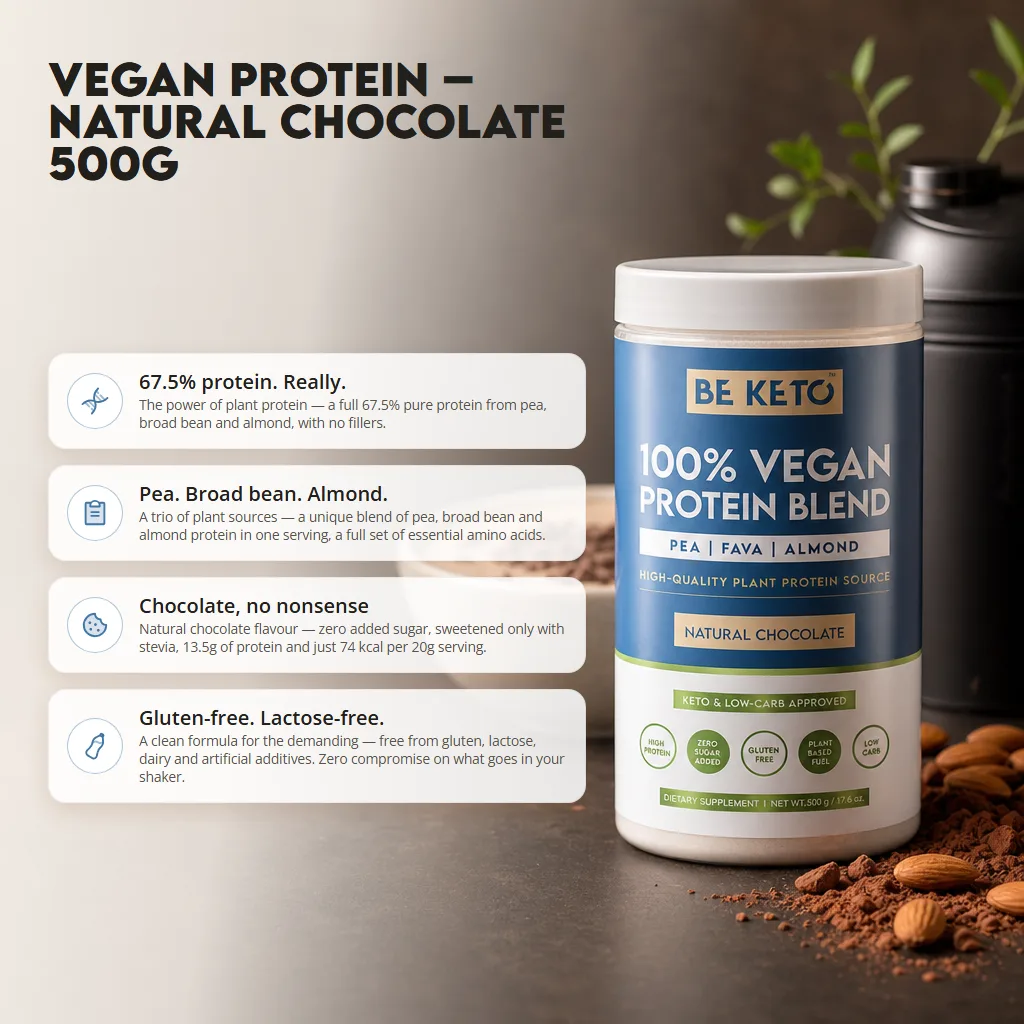
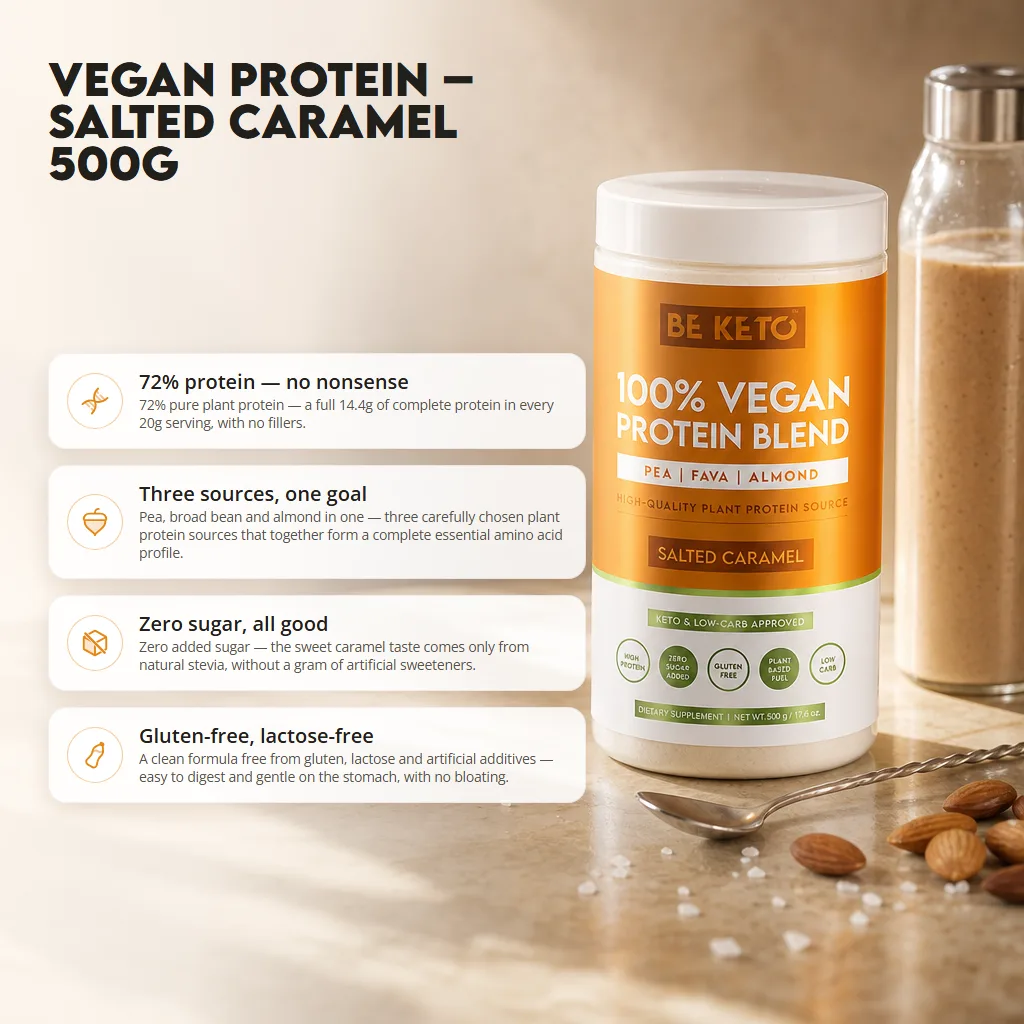
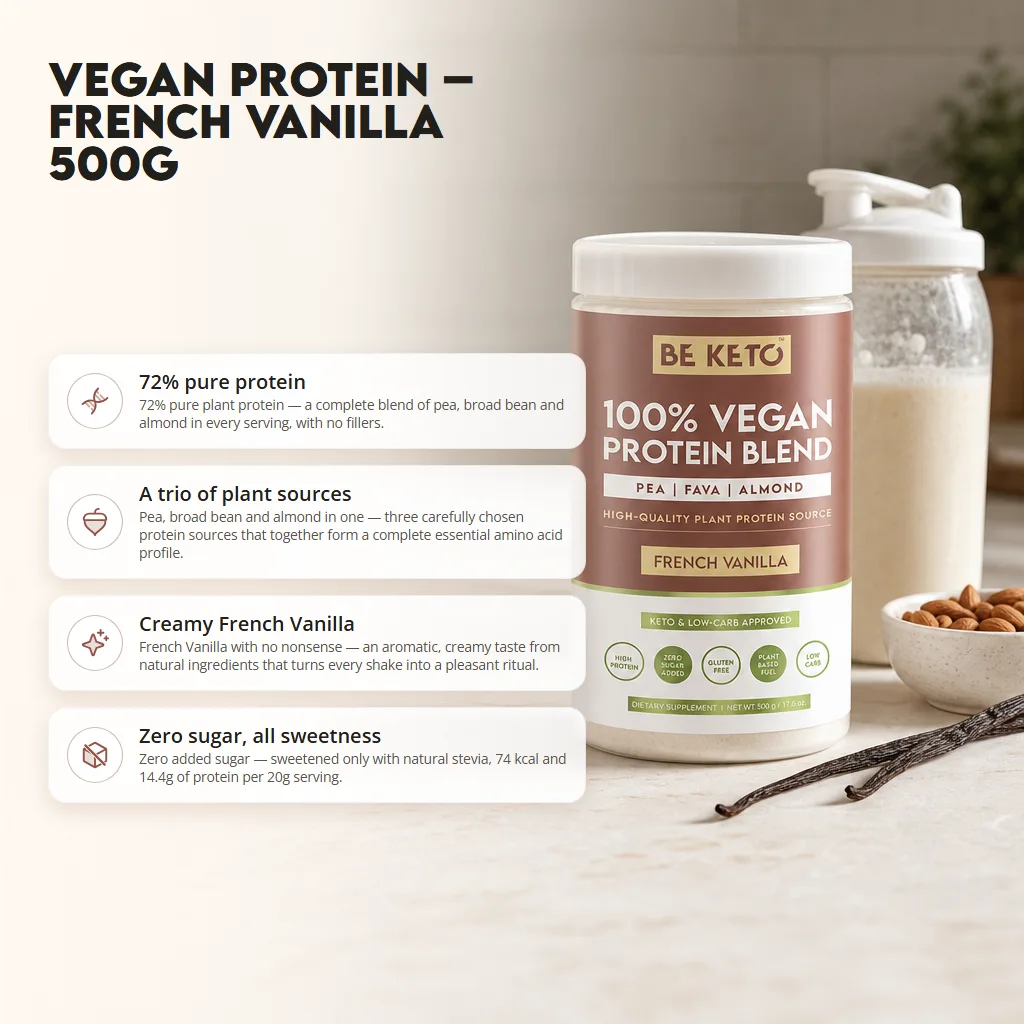
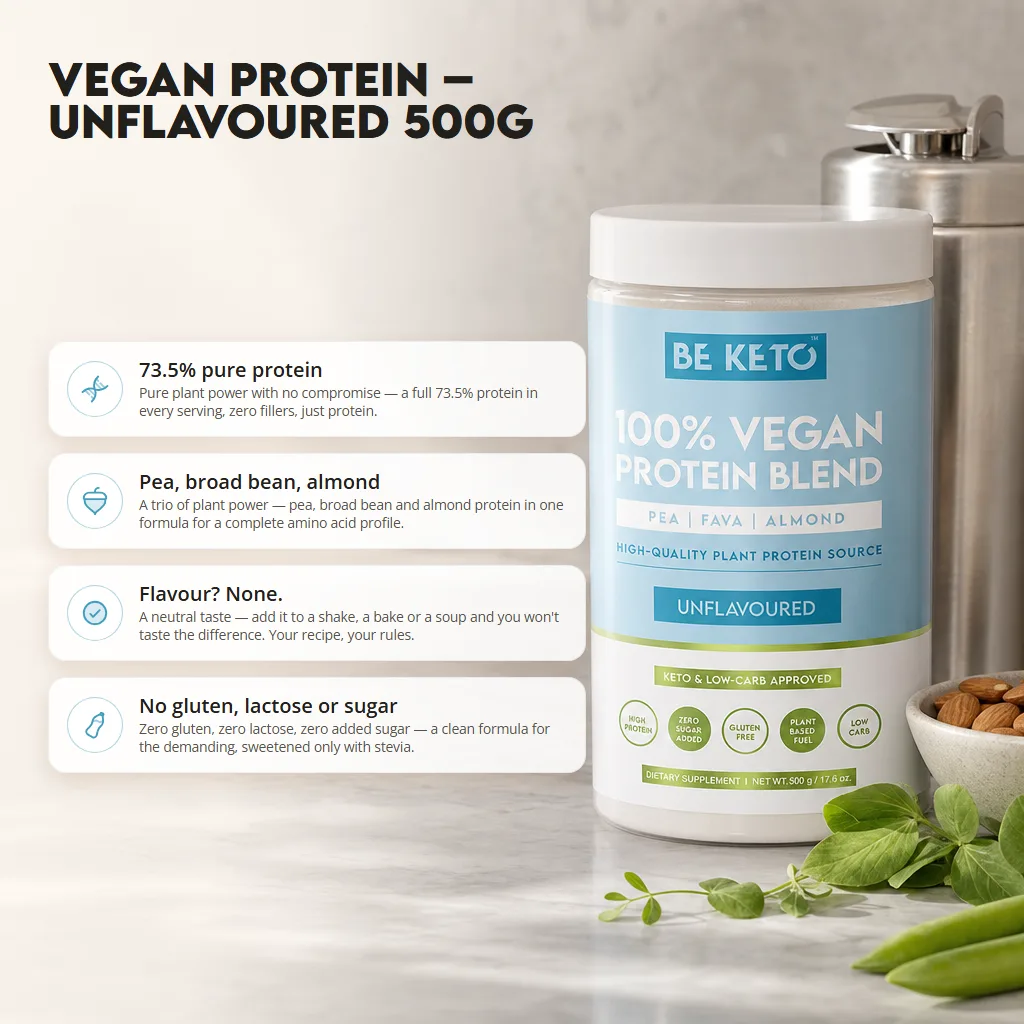
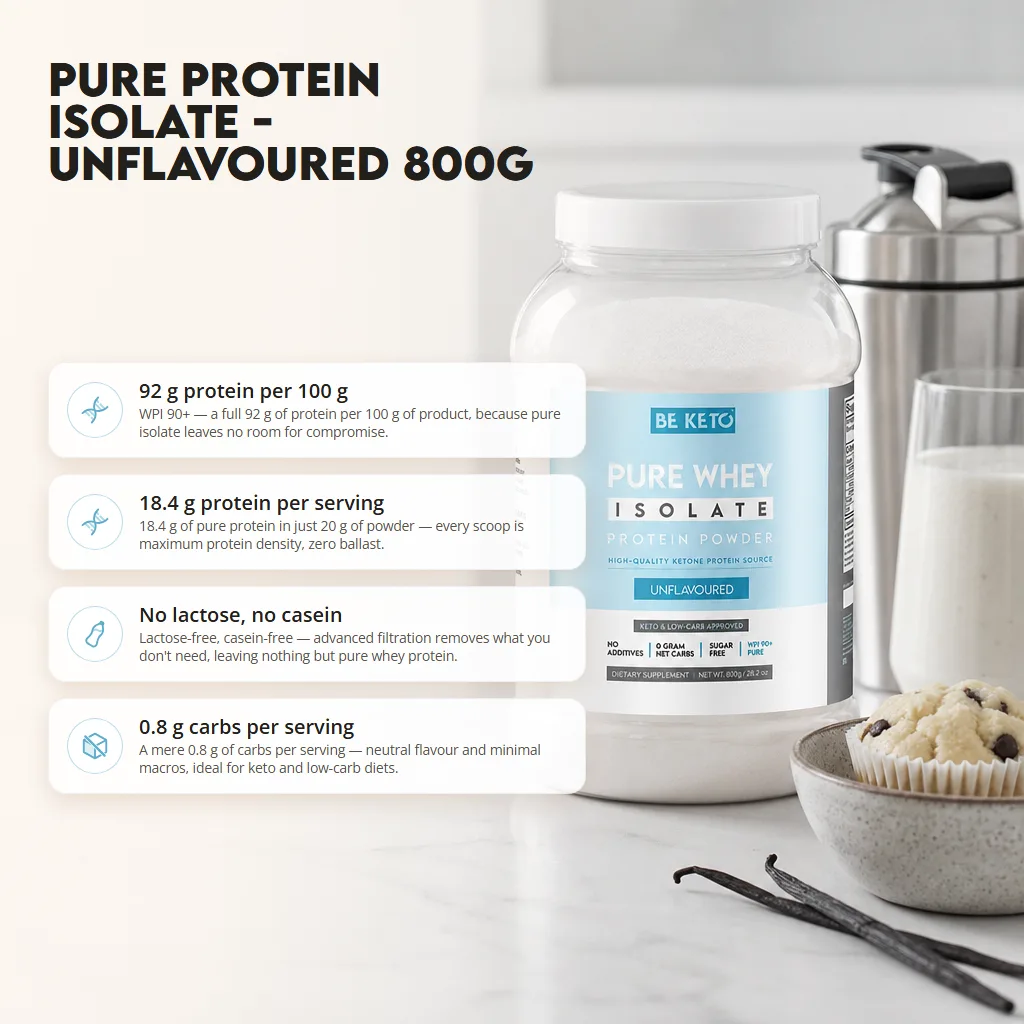
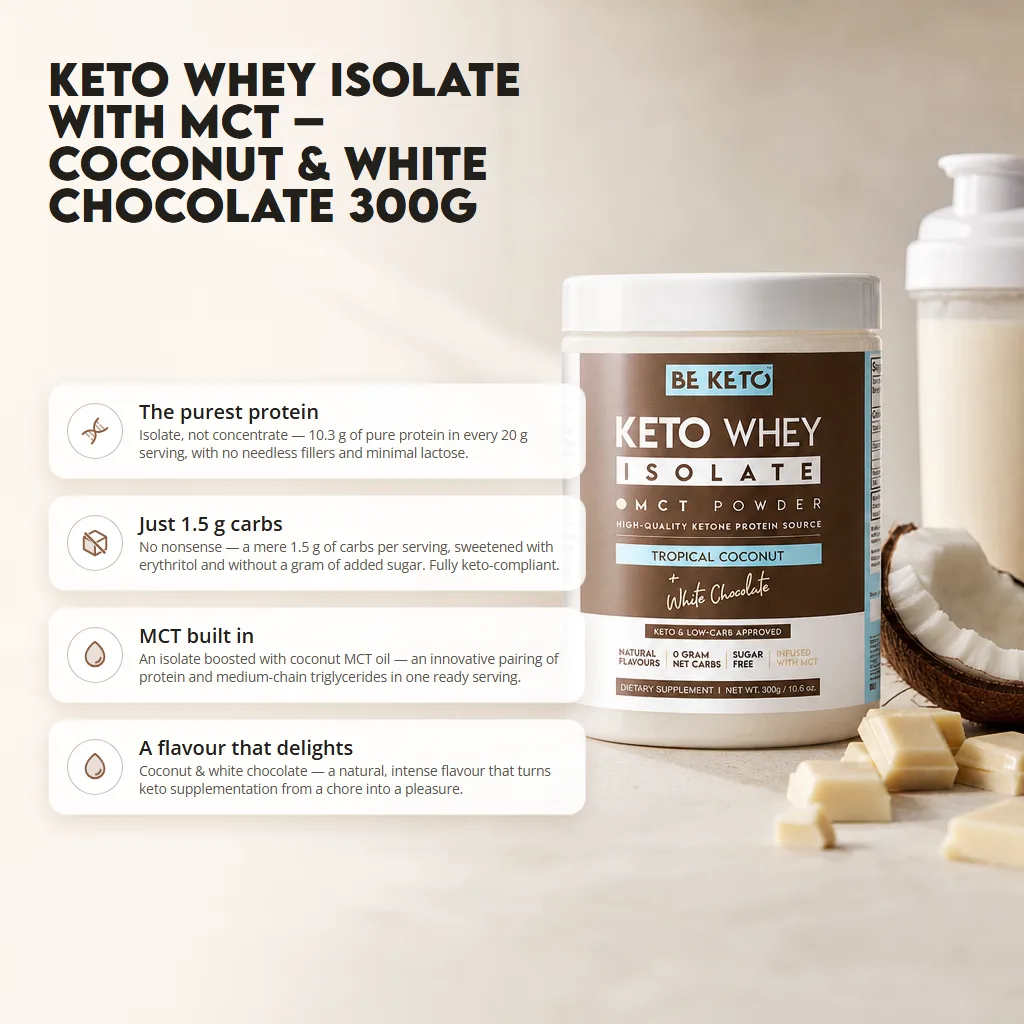
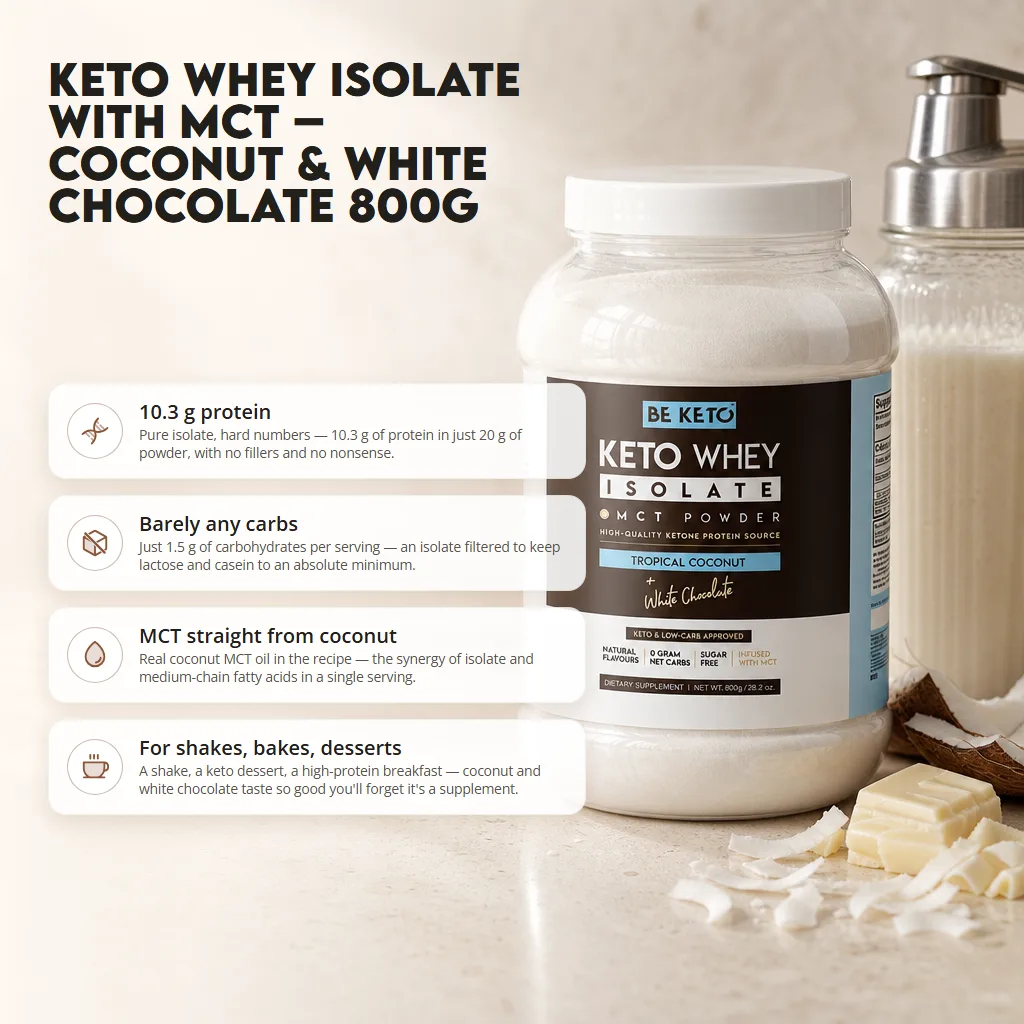
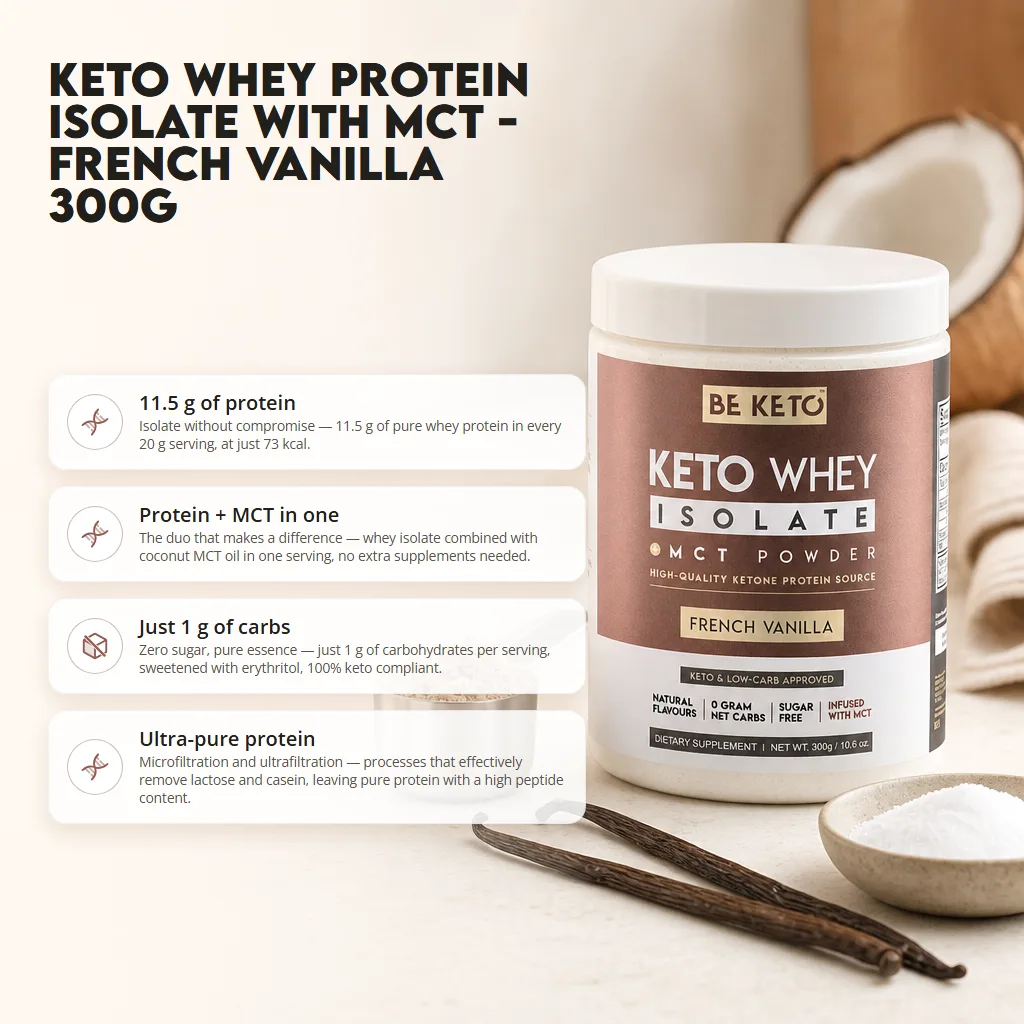
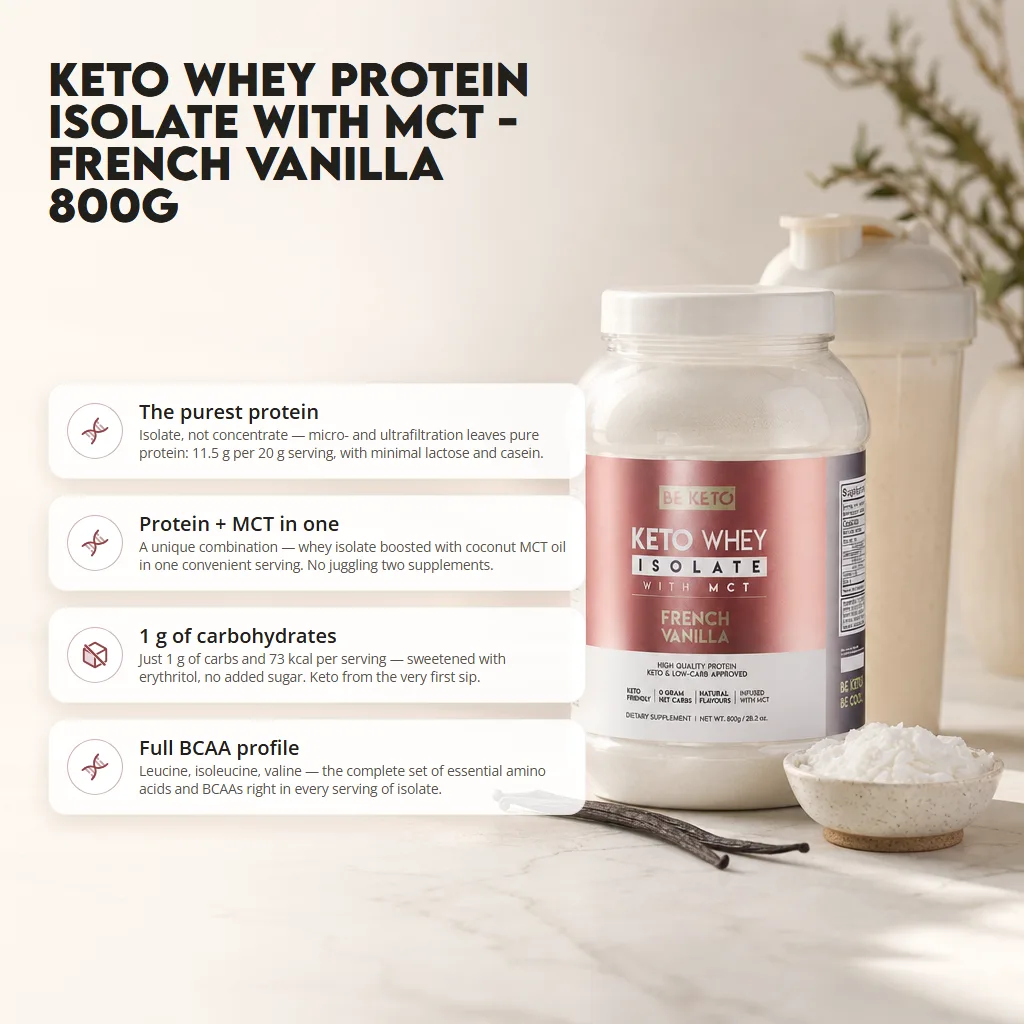
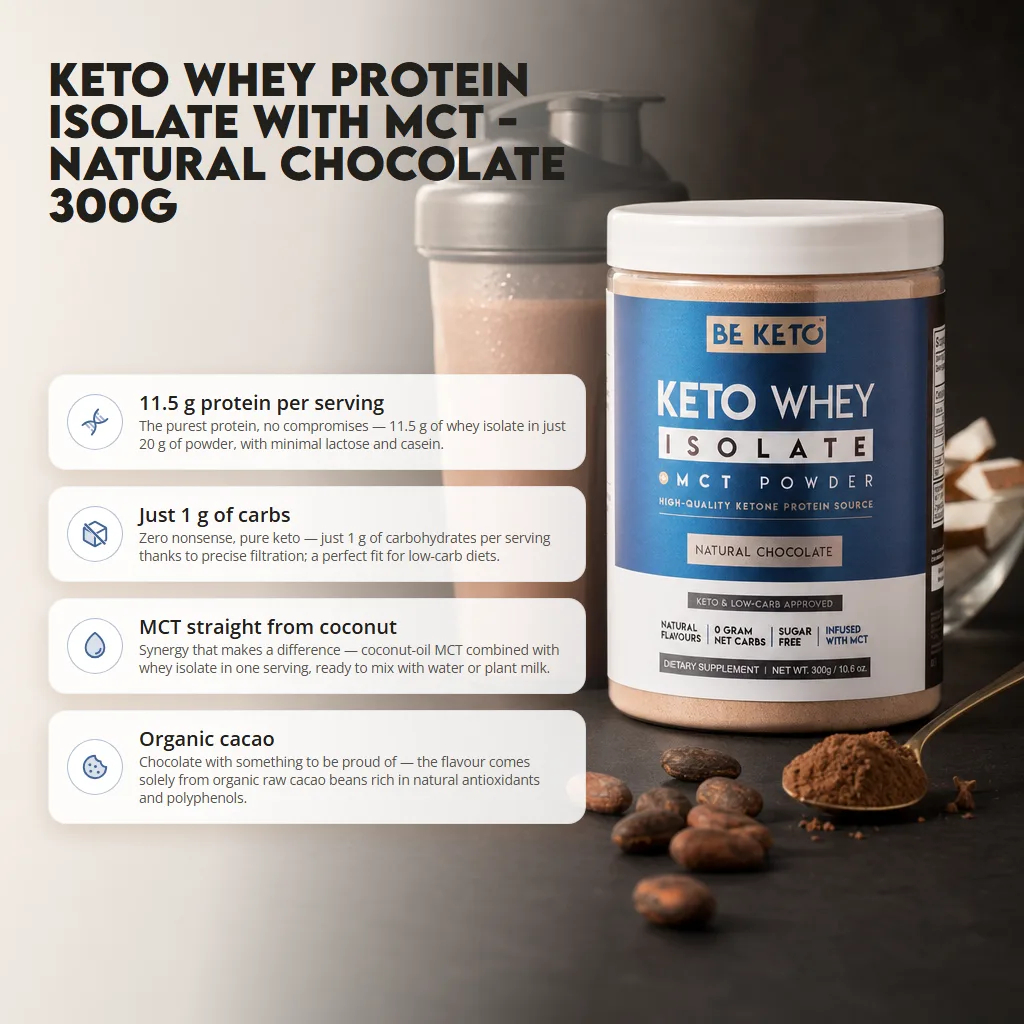
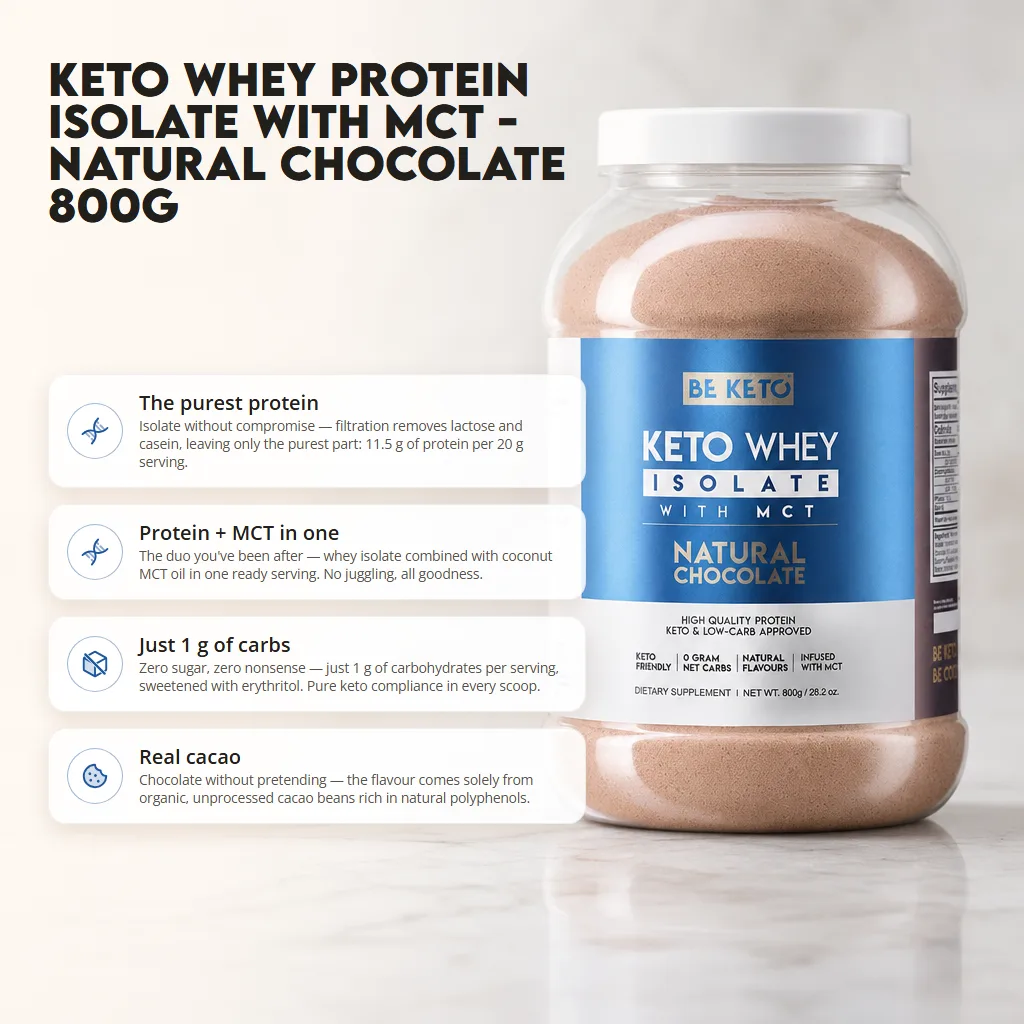
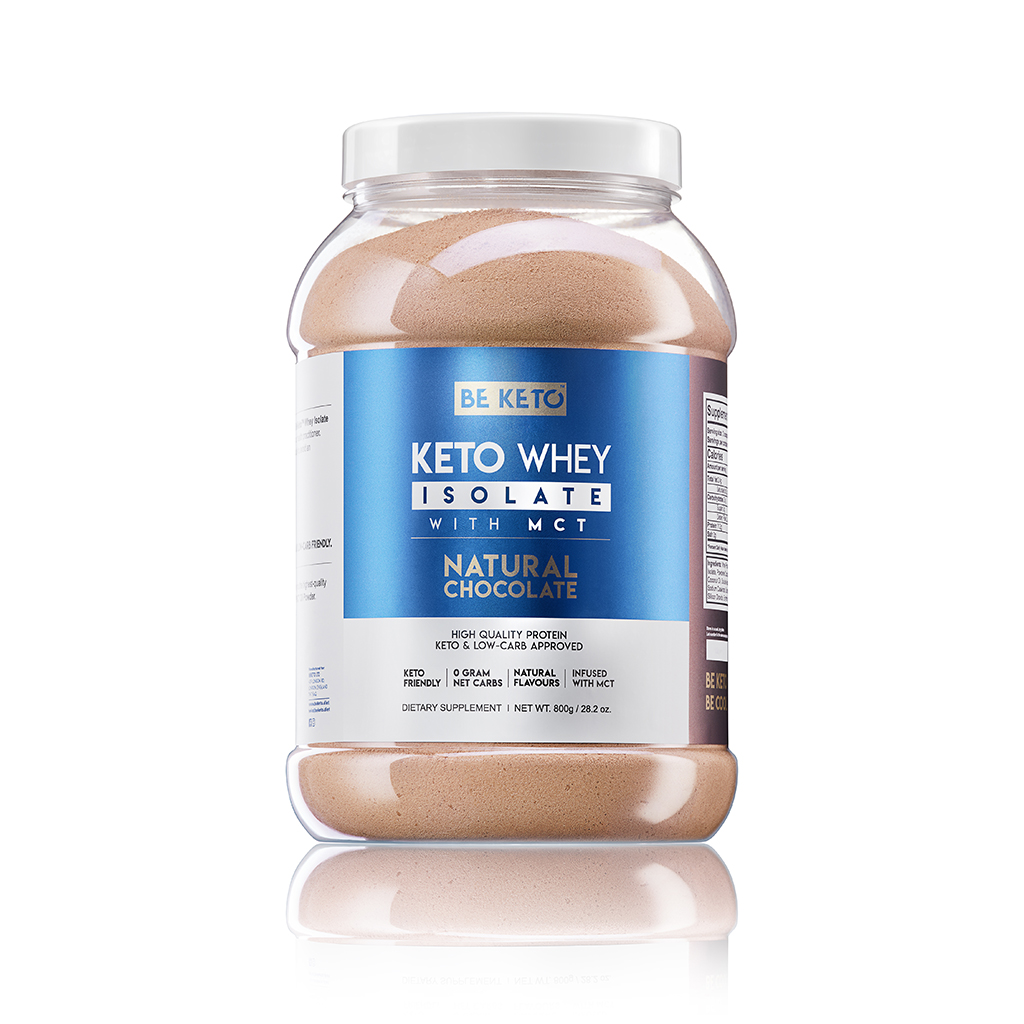
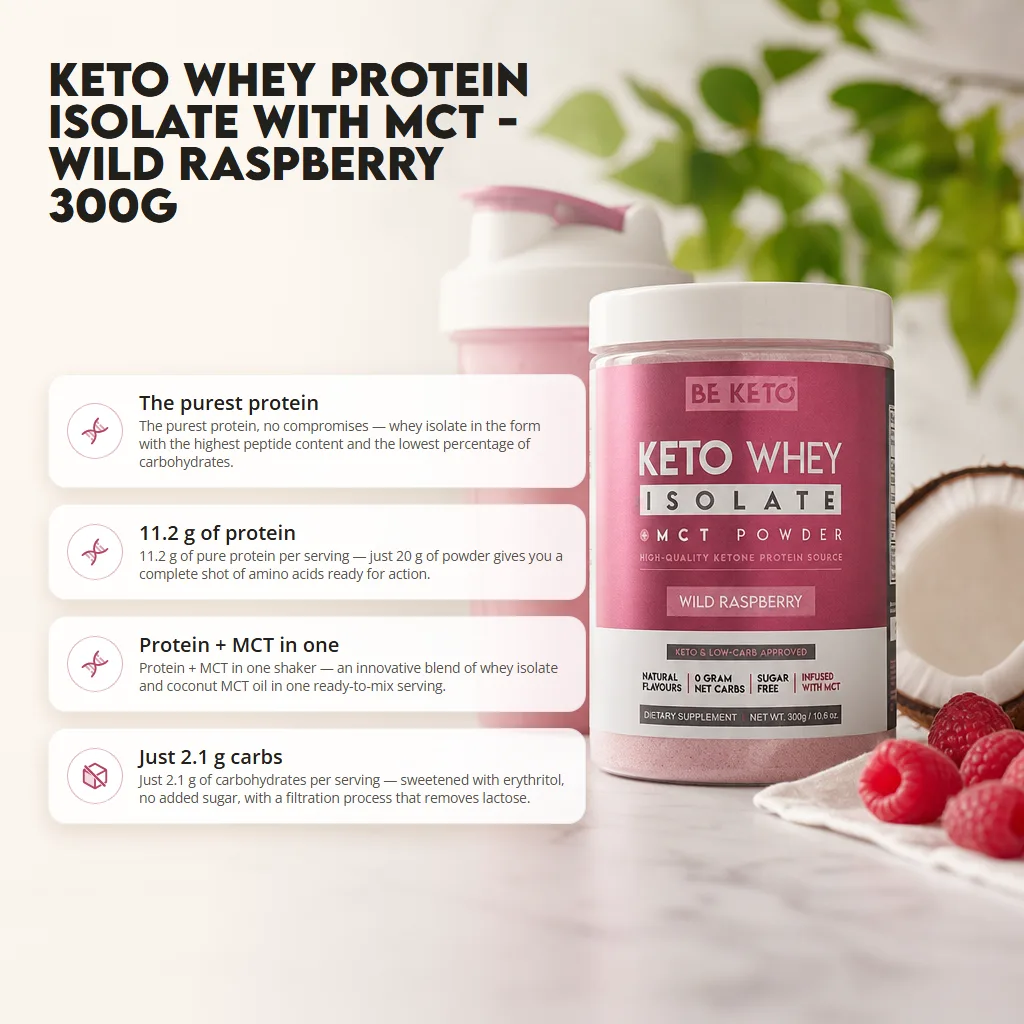
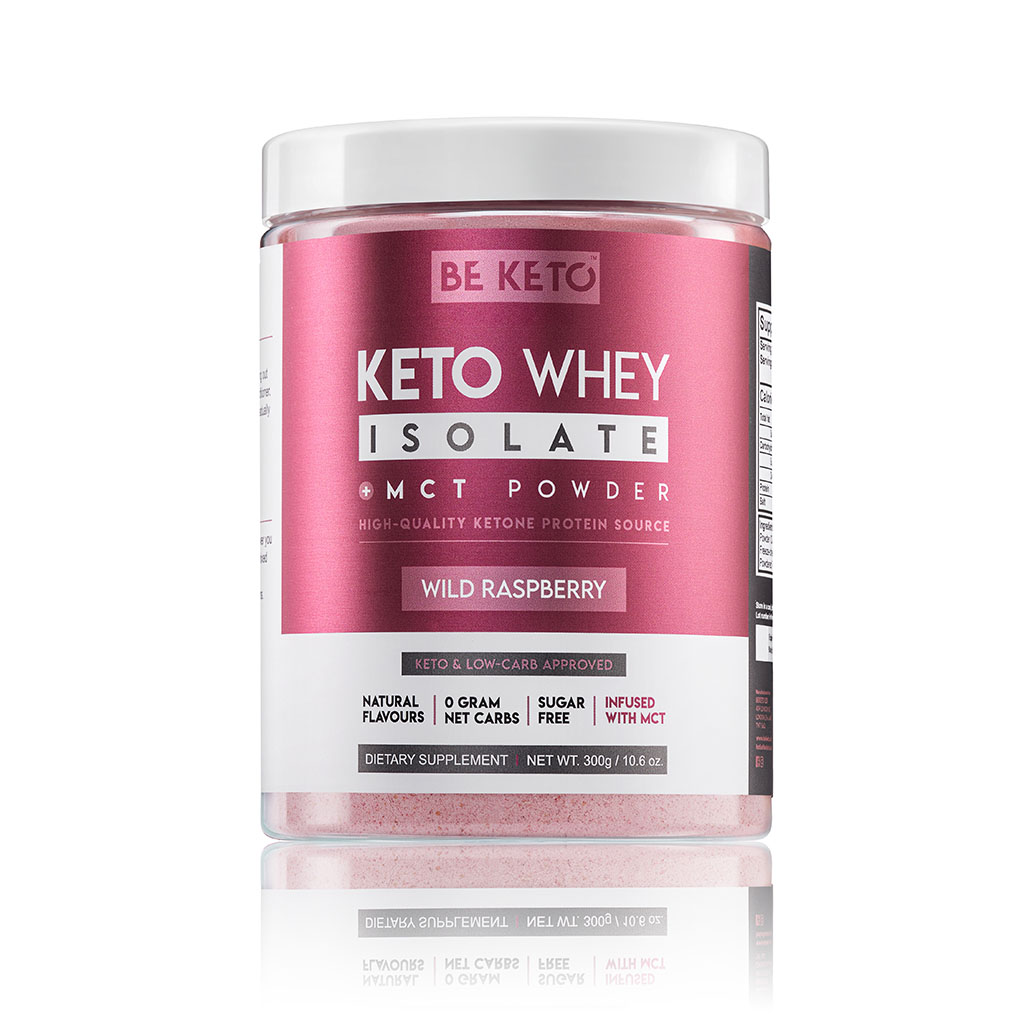
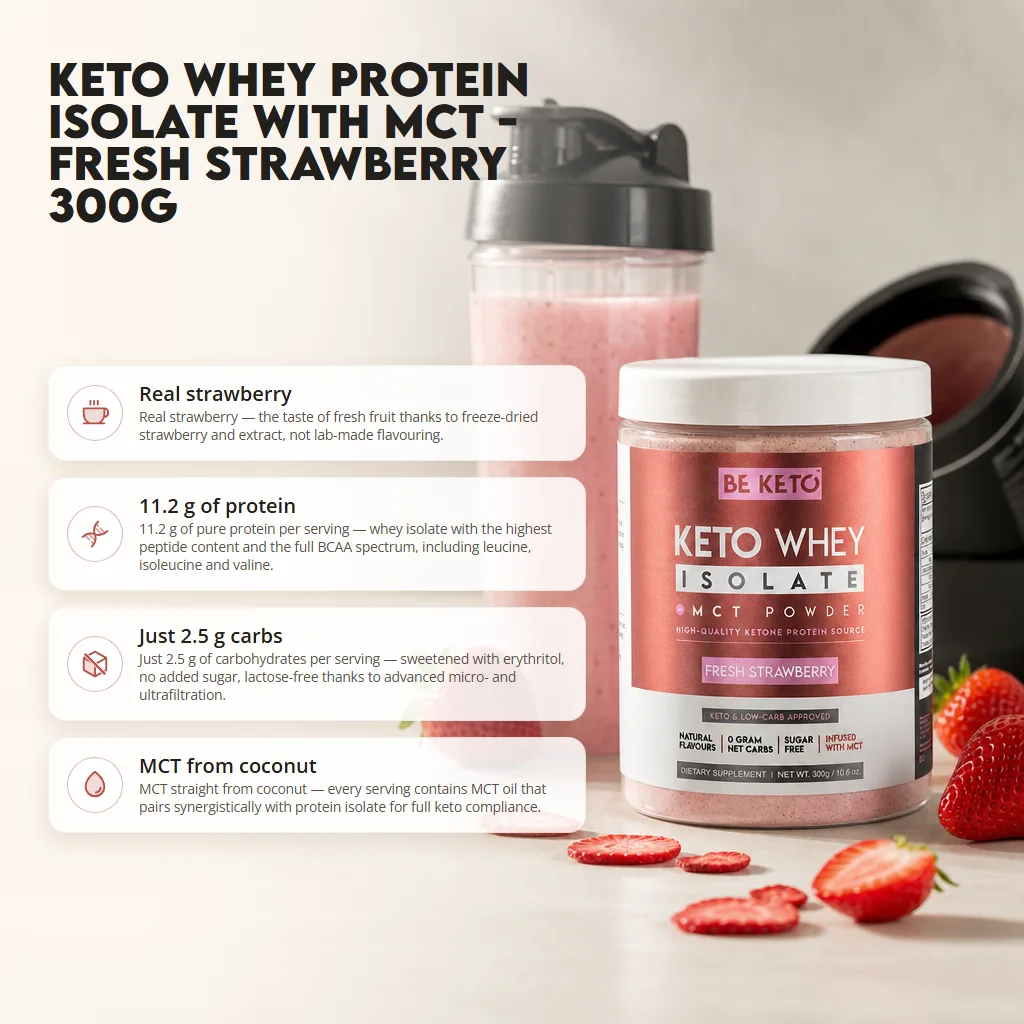
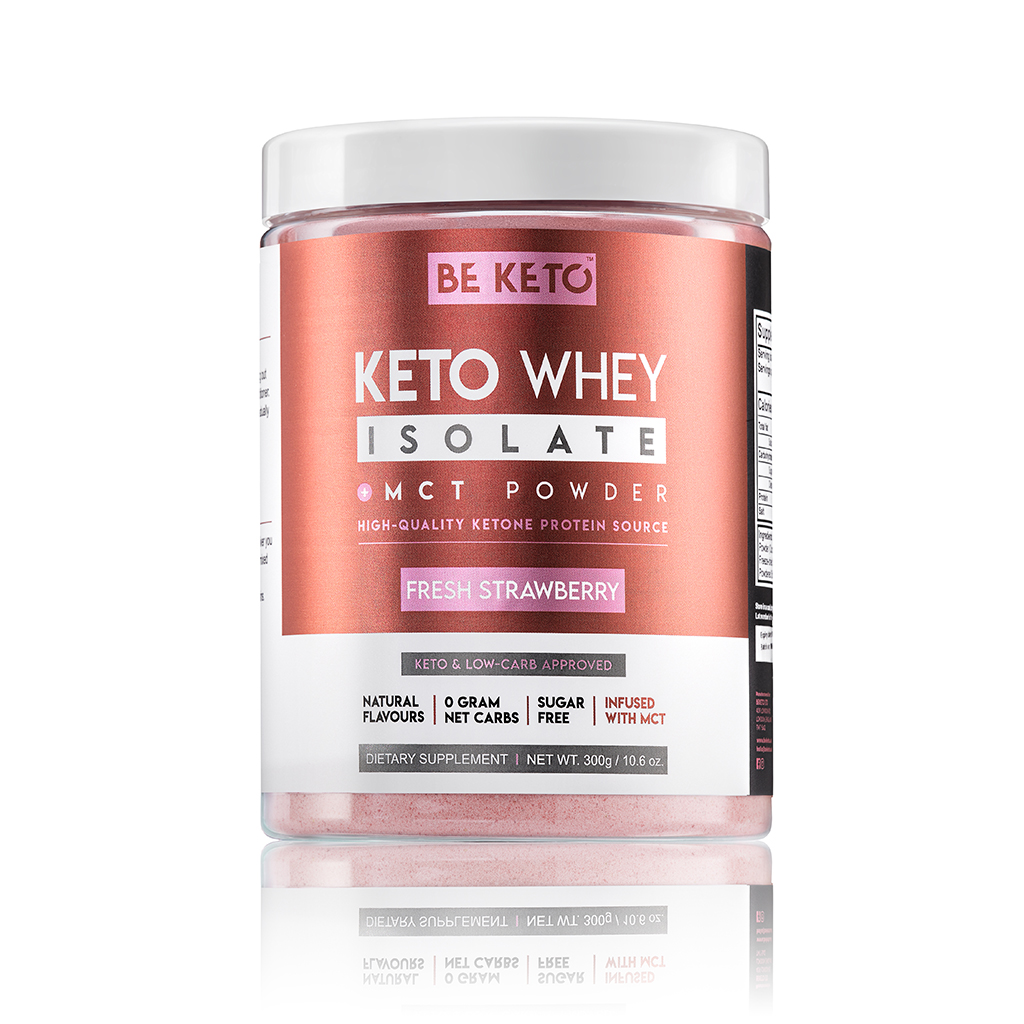
Protein powder comes in three forms here, and protein per 100 g separates them. Whey protein isolate holds 92 g per 100 g, a plant blend of pea, faba bean and almond protein holds 67.8 g to 72.2 g, and whey isolate blended with MCT oil powder holds 51.7 g to 57.5 g.
What is absent from the shelf matters as much. There is no whey concentrate, no casein, no clear whey and no mass gainer, so every powder here is an isolate or a plant blend rather than a milled mix of protein and starch.
Isolate means the milk protein has been filtered further than concentrate, which takes out most of the milk sugar and fat and leaves a denser powder. The plant powders reach their figure another way, by blending three protein sources instead of filtering one.
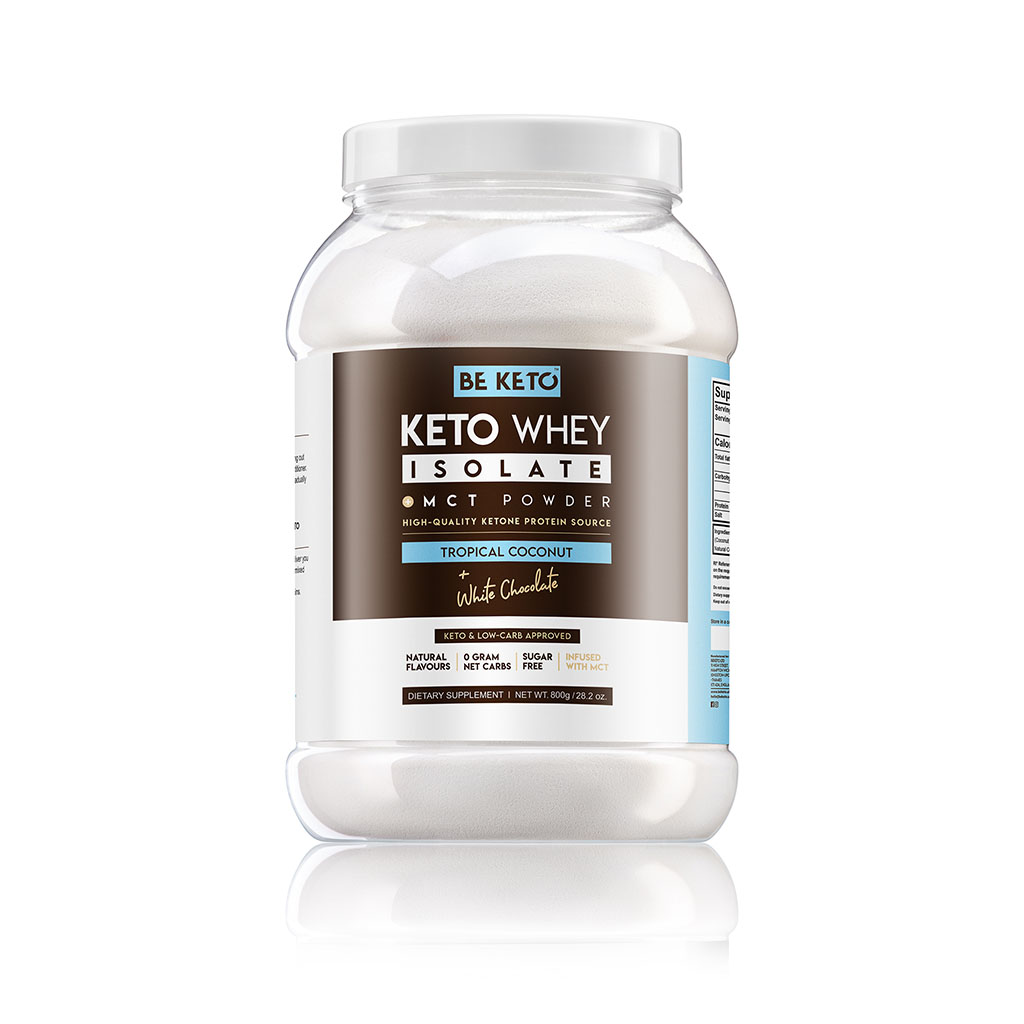
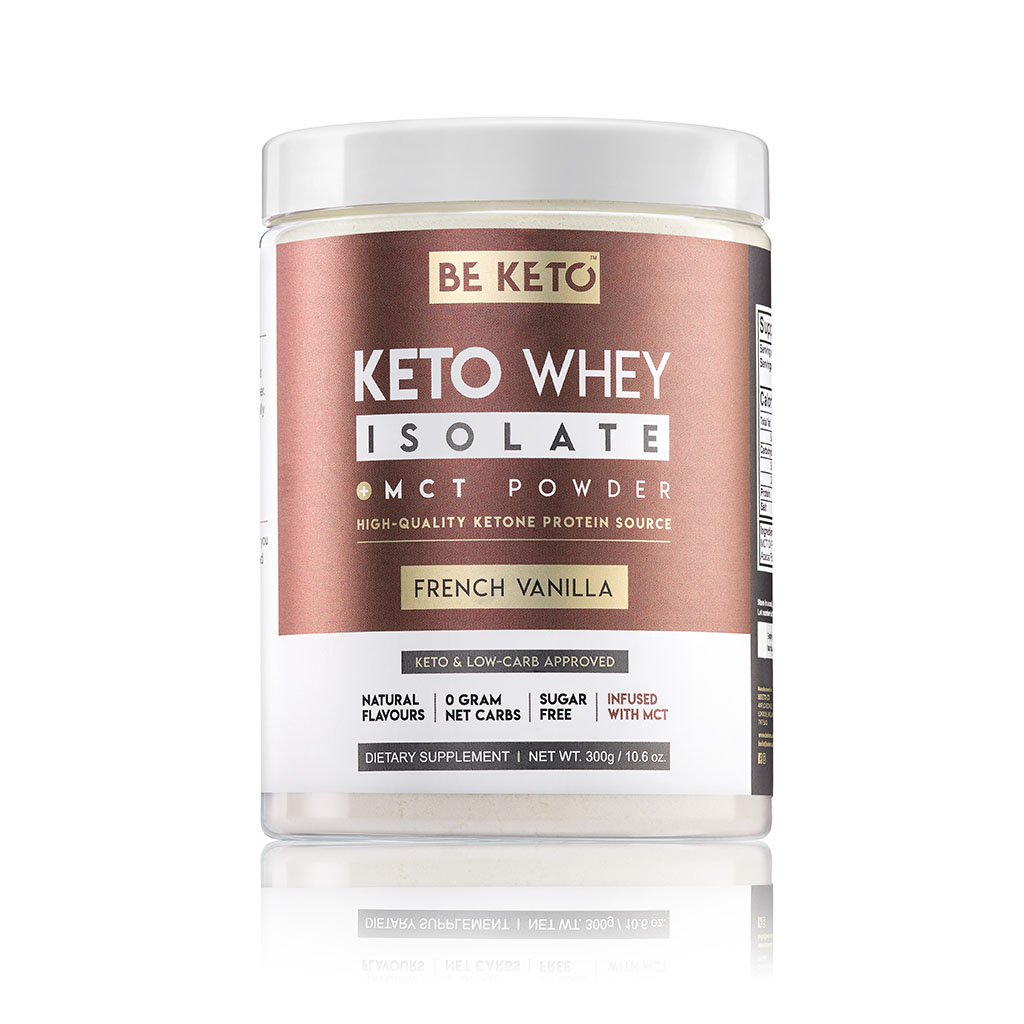
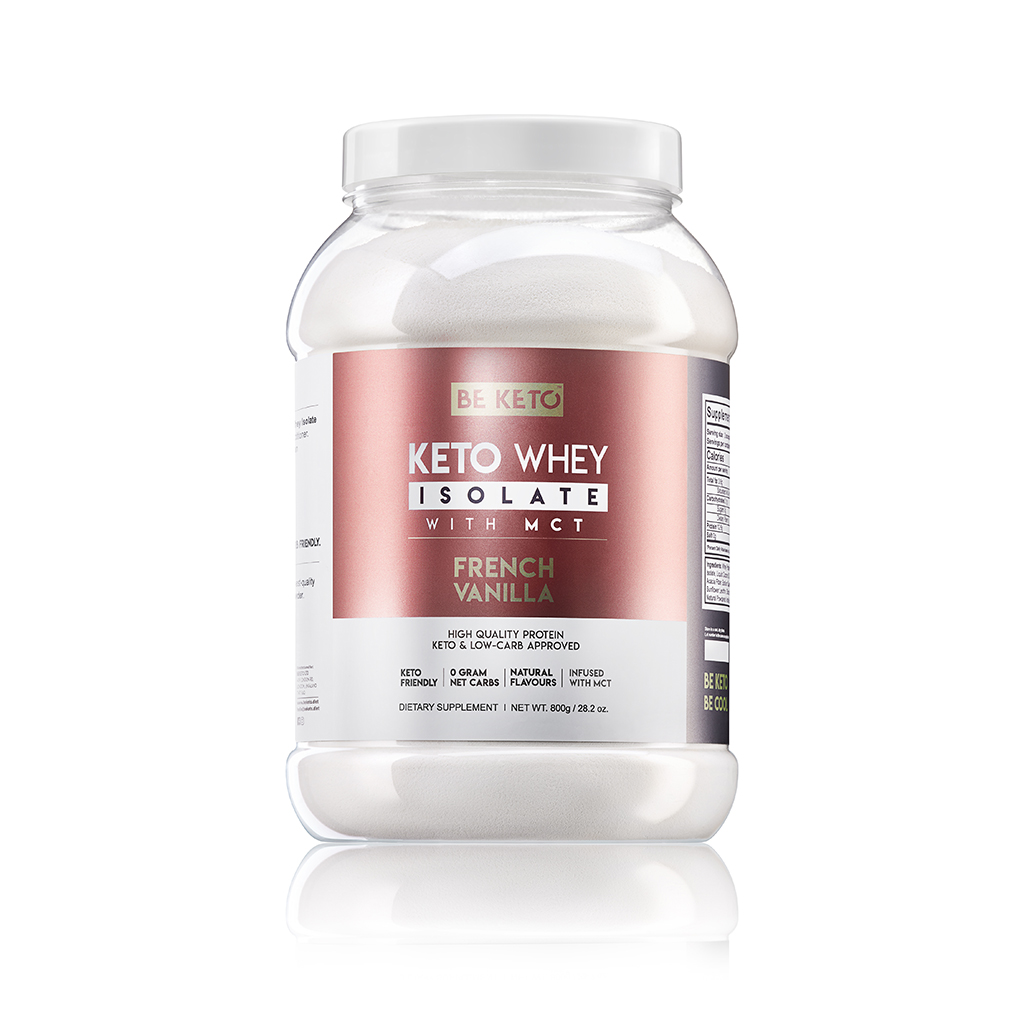
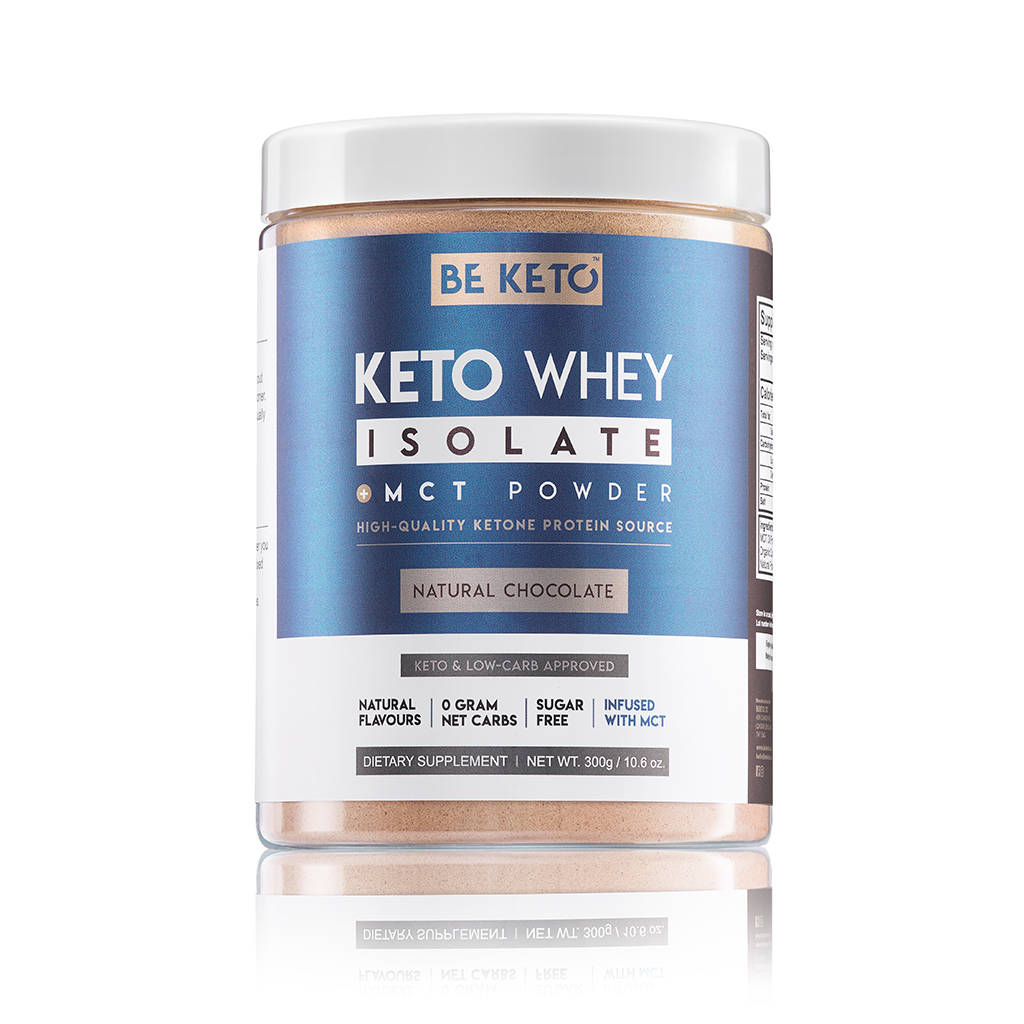
Pack sizes follow the recipe rather than the flavour: the 300 g tubs hold 15 servings, the plant tubs hold 500 g and 25 servings, and the 800 g packs hold 40 servings of the same powder that is in the small tub.
How much protein do you need in a day?
The label reference intake for protein in the United Kingdom is 50 g a day. UK dietary reference values put the reference nutrient intake at 0.75 g per kilogram of body weight, which works out at about 53 g for a 70 kg adult.
Powder is the top-up rather than the source. At 5.8p to 14.8p a gram of protein, covering the whole 50 g from powder alone would cost £2.90 to £7.40 a day, which is why a scoop goes alongside meals instead of replacing them.
A 500 g plant tub carries around 350 g of protein in total, roughly a week of that reference figure, and the 800 g whey packs carry more than 400 g. That is the number worth comparing between tubs, not the weight printed on the front.
Food comes first in the arithmetic. Chicken, eggs, dairy and pulses do most of the work in an ordinary day, and a scoop is what closes the gap when a meal turns out light on protein.
Whey protein or plant protein: which one suits you?
Whey isolate carries 92 g of protein per 100 g, the plant blend 67.8 g to 72.2 g. That gap is the whole of the difference in protein between the two, and the rest of the choice is about what you can drink.
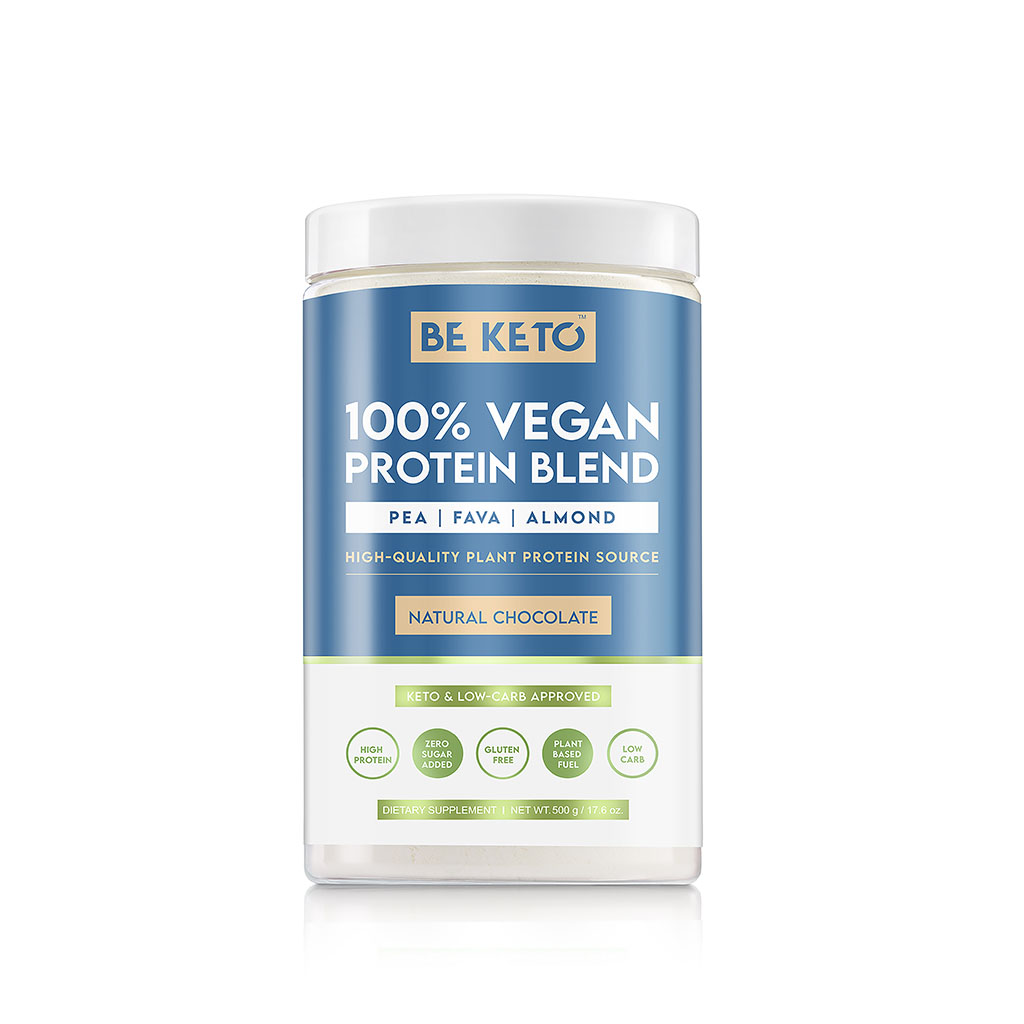
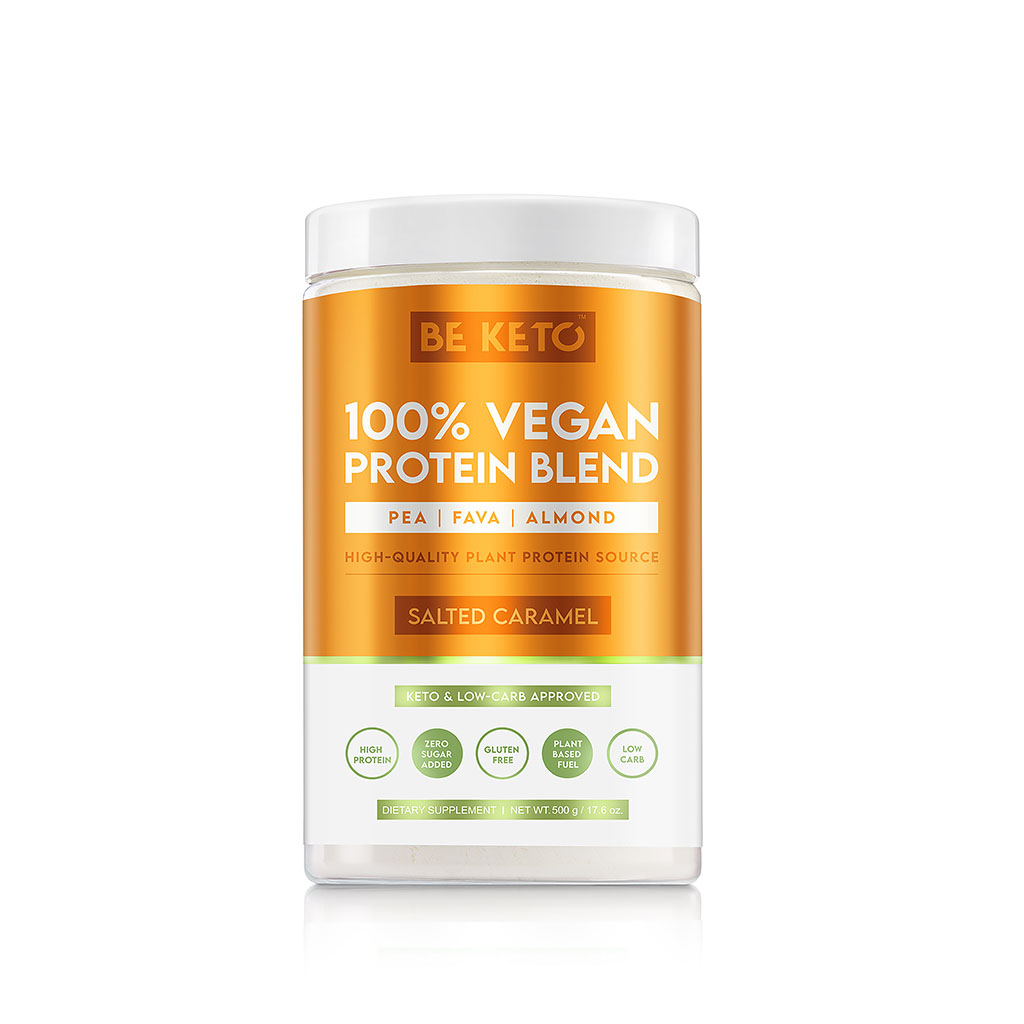
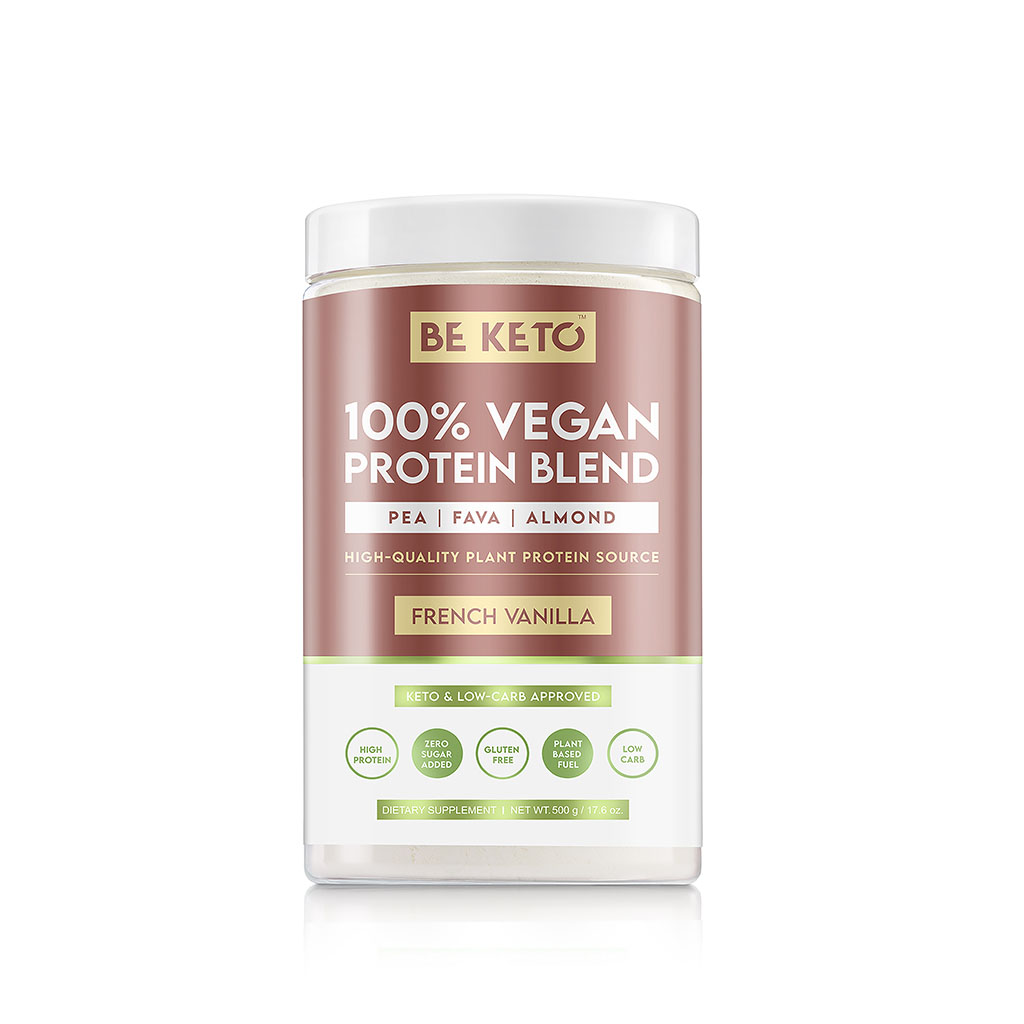
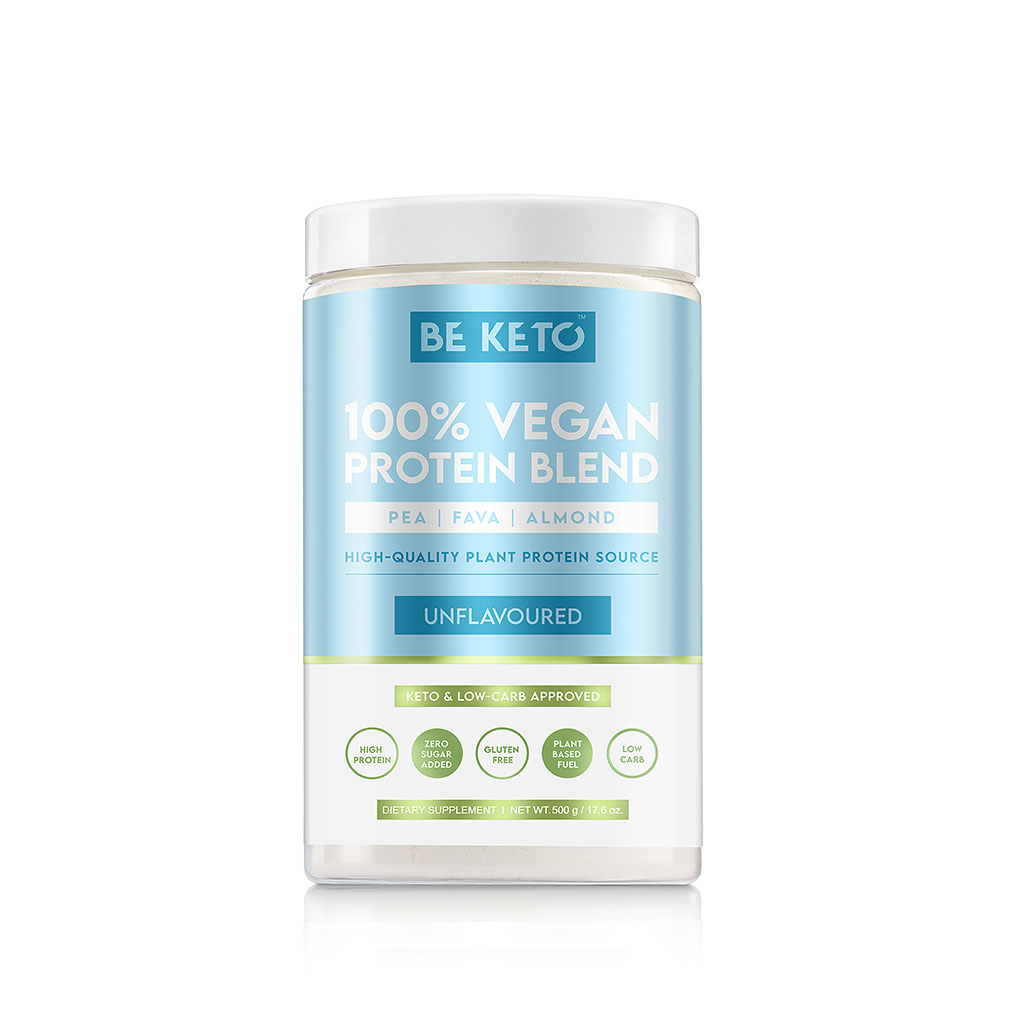
The plant blends are built from pea, faba bean and almond protein, which makes them the dairy free and vegan option and also means they carry a nut allergen. The whey powders carry milk.
Whey protein isolate is filtered further than concentrate, so little of the milk sugar stays behind: the unflavoured isolate declares 4 g of sugars per 100 g, and that is lactose left in the protein rather than sugar added to the tub.
Blending three plant sources is how a plant powder covers the amino acids that any single plant protein is short of, which is why these tubs list pea, faba bean and almond together instead of pea alone.
Per gram of protein the two sit closer than the tub prices suggest: 8.0p to 8.5p for the plant blends against 9.3p to 14.8p for the whey blends carrying MCT oil powder.
What else is in the scoop besides protein?
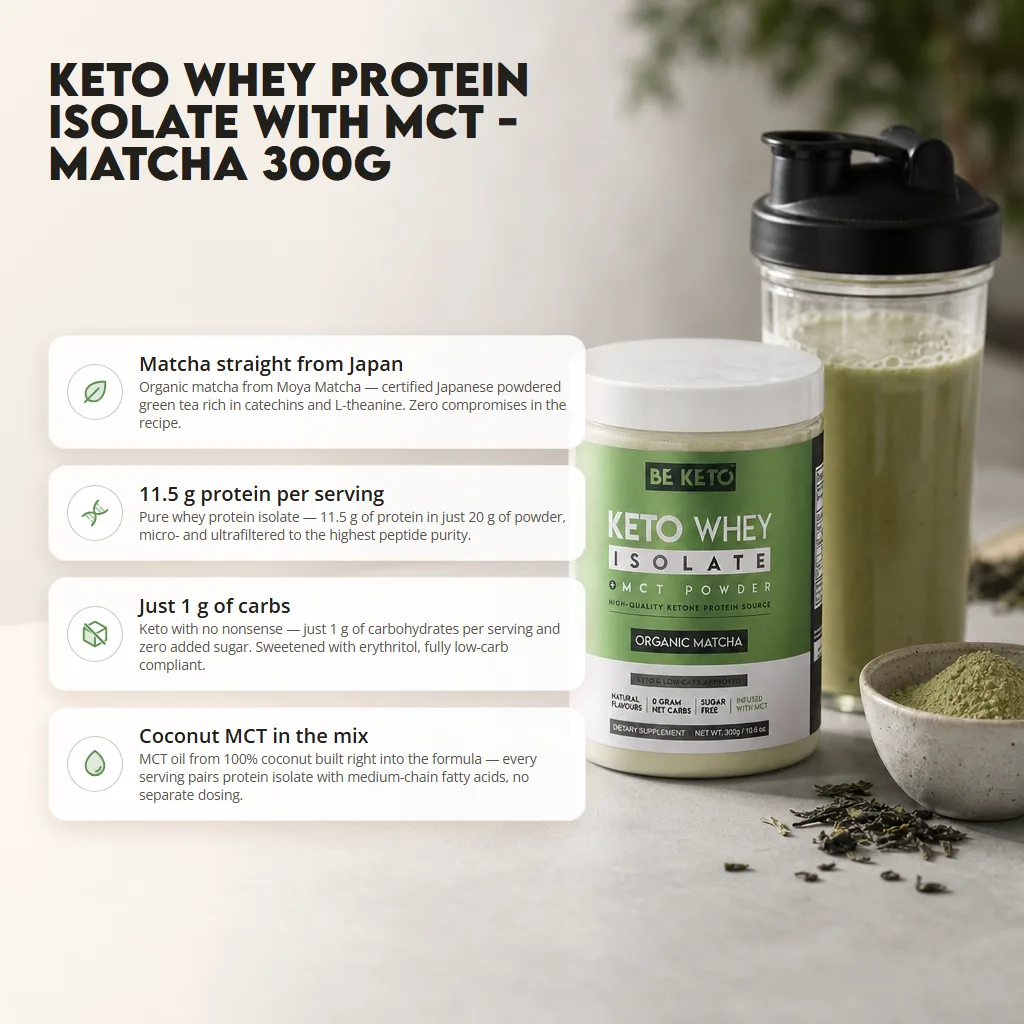
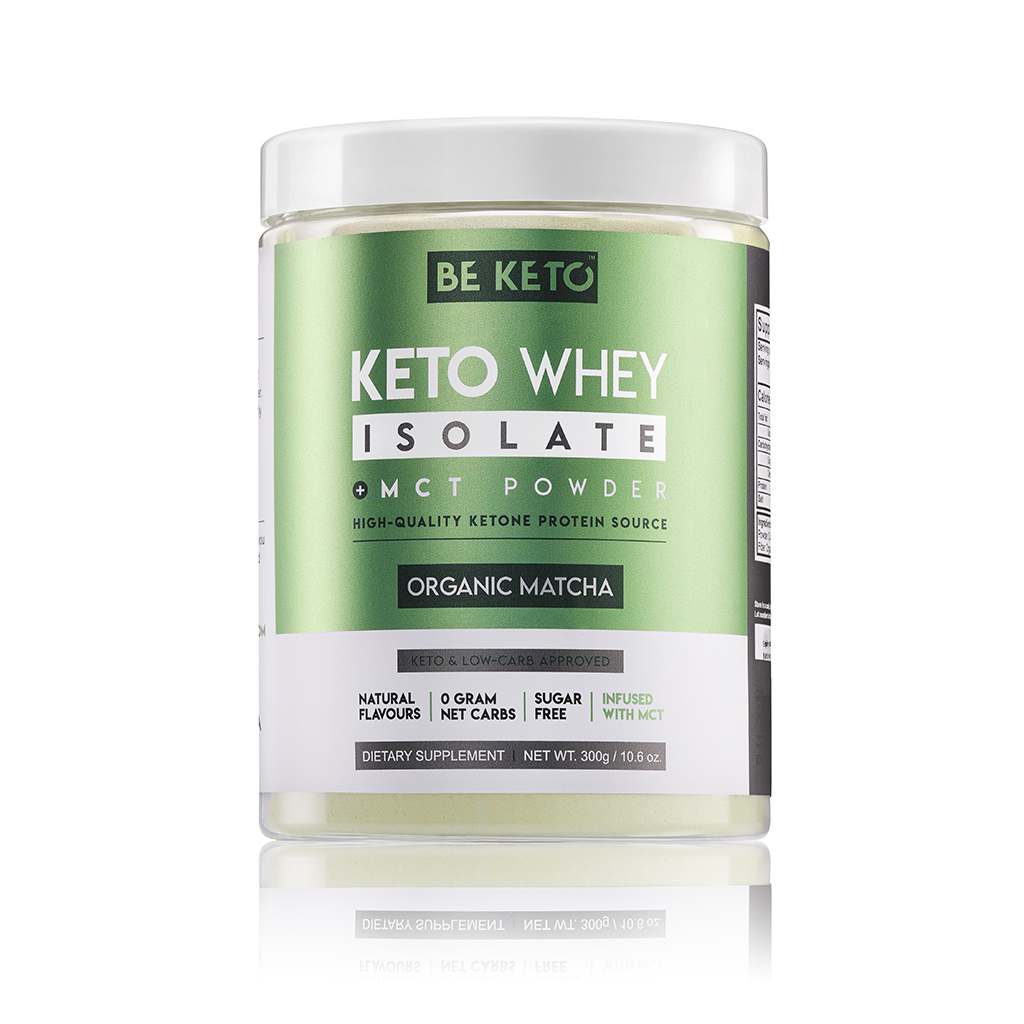
Besides protein, a scoop carries what makes the powder mix and taste. In the whey blends that is MCT oil powder from coconut, erythritol and acacia fibre, in the plant blends it is stevia, and the flavour comes from cocoa, matcha, vanilla extract or freeze dried fruit.
What is missing is checked just as carefully: no sucralose, aspartame or maltodextrin appears on any of these ingredient lists, and nothing is added to pad a serving out to a rounder number.
Sweetener is the question most people bring to an ingredient list, and the answer here is erythritol in the whey blends and stevia in the plant ones. Which sweeteners are worth using, and why these two, is set out in best sweeteners for keto.
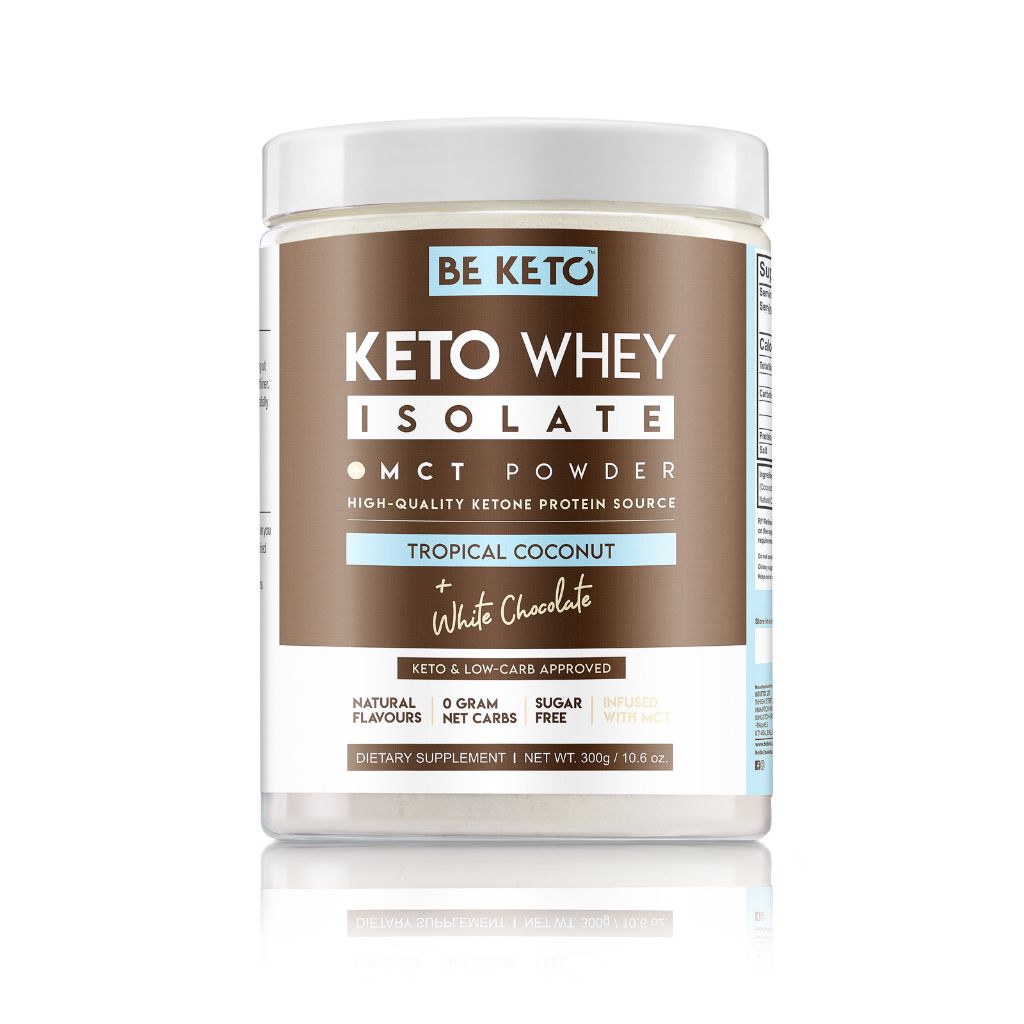
MCT oil powder carries no authorised claim in Great Britain, so it is described by what it is: a powder made from coconut oil, sitting second on the ingredient list of every flavoured whey blend.
Are protein powders actually good for you?
Protein powder is food rather than medicine: dried milk protein or dried plant protein. A serving supplies 69 kcal to 76 kcal and does the job that chicken, eggs, dairy or pulses do, only quicker to measure and easier to carry.
Protein supplies 58% to 97% of the energy in these powders, well above the 20% that the high protein nutrition claim asks for, so every powder on the shelf meets it.
The useful question is not whether powder is good or bad, but whether your day needs it. Toast and coffee is a breakfast short of protein, fish with pulses is a dinner that is not.
Nothing in a tub repairs a diet that is short elsewhere. It supplies protein and, in the flavoured blends, fat and fibre, and it supplies no vitamins or minerals at all.
Does protein powder help with weight loss or muscle gain?
Protein powder is not a weight loss product and it builds nothing on its own. It is a measured amount of protein at 69 kcal to 76 kcal a serving, and what follows depends on the training and the diet around it.
Protein contributes to the maintenance of normal bones. That is the authorised wording in Great Britain for a food that is a source of protein, and every powder here clears the condition behind it.
For weight, the arithmetic belongs to the day, not to the drink: a serving at 69 kcal to 76 kcal is easy to fit into a count, while the deficit still has to come from everything else you eat.
Order a 300 g tub at £22.90 while you are still choosing a flavour, then move to the 500 g plant tub at £28.90 or an 800 g pack at £42.90, which brings a serving down to £1.07 to £1.16.
Frequently asked questions
What is the best protein powder in the UK?
The one that wins on three numbers. Compare protein per 100 g, the ingredient list and the price per gram of protein, which here runs from 5.8p in an 800 g unflavoured isolate to 14.8p in a 300 g flavoured tub.
Why do dietitians say no to protein powder?
The caution targets what surrounds the protein. Added sugars, fillers and a shake standing in for a meal are the objections, which is why the ingredient list matters more than the flavour on the front of the tub.
Is it good to drink protein powder daily?
Daily use depends on the day's total. One serving adds 69 kcal to 76 kcal, so a daily scoop is a small part of an adult's intake and the rest of the day decides whether it helps.
How do you mix protein powder?
One 20 g scoop in 200 ml water. Use 200 ml to 250 ml of cold water or an unsweetened plant drink and shake rather than stir. Cow's milk works too, and adds its own protein, sugars and calories.
When is the best time to take protein powder?
When a meal falls short of protein. No hour of the day works better than another, so breakfast and the hour after training are simply where most servings end up.
Can you buy protein powder in supermarkets such as Tesco or Asda?
Yes, and the label decides, not the aisle. Most large supermarkets stock protein powder, so the comparison worth making is protein per 100 g, the ingredient list and the price per gram of protein.
Is there a sugar free protein powder without sweeteners?
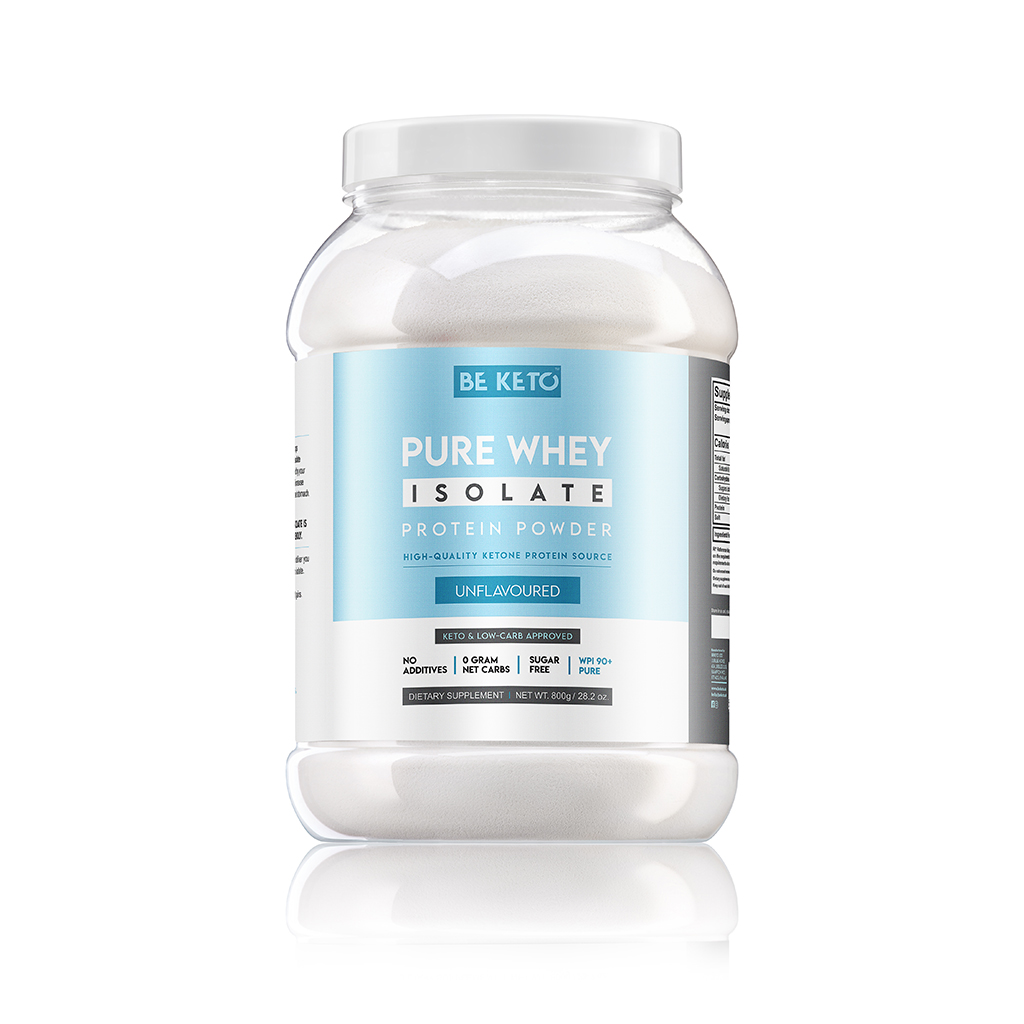
Yes, the unflavoured whey isolate has neither. It lists whey protein isolate and nothing else, the plant blends are sweetened with stevia and the whey blends with erythritol, while French Vanilla, Natural Chocolate and Organic Matcha carry no sugars at all.
Is protein powder suitable for vegans?
The plant blends are, whey isolate is not. The plant powders are made from pea, faba bean and almond protein with no milk ingredient, while whey protein isolate is milk protein.
Is protein powder a meal replacement?
No, a serving gives 69 to 76 kcal. That is a fraction of a meal and it carries no added vitamins or minerals, which is what separates it from meal replacement products.


 United KingdomCurrent regionDelivery within the United KingdomCurrency: Pound Sterling (£)
 GermanyDelivery within Germany and AustriaCurrency: Euro (€)
 FranceDelivery within France and BelgiumCurrency: Euro (€)
 ItalyDelivery within ItalyCurrency: Euro (€)
 PolandDelivery within Poland and EuropeCurrency: Zloty (PLN)
 Czech RepublicDelivery within the Czech Republic and SlovakiaCurrency: Czech Koruna (Kč)
 SpainDelivery within SpainCurrency: Euro (€)