OFFICIAL STORE IN THE UNITED KINGDOM


Ceremonial Cacao
Ceremonial cacao is minimally processed cacao drunk as a hot drink rather than eaten as chocolate, the form used in Mesoamerican ritual. The three blends here are powders built on 86 to 90 per cent cacao; a 20 g cup gives 70 to 71 kcal, 4 g protein, 5.6 g fibre and 0.1 g sugars. Coconut MCT oil powder, acacia fibre, cinnamon, cardamom and Himalayan salt complete them. A 250 g pack makes 12 cups, £2.25 a cup.
-
 Energy & focus
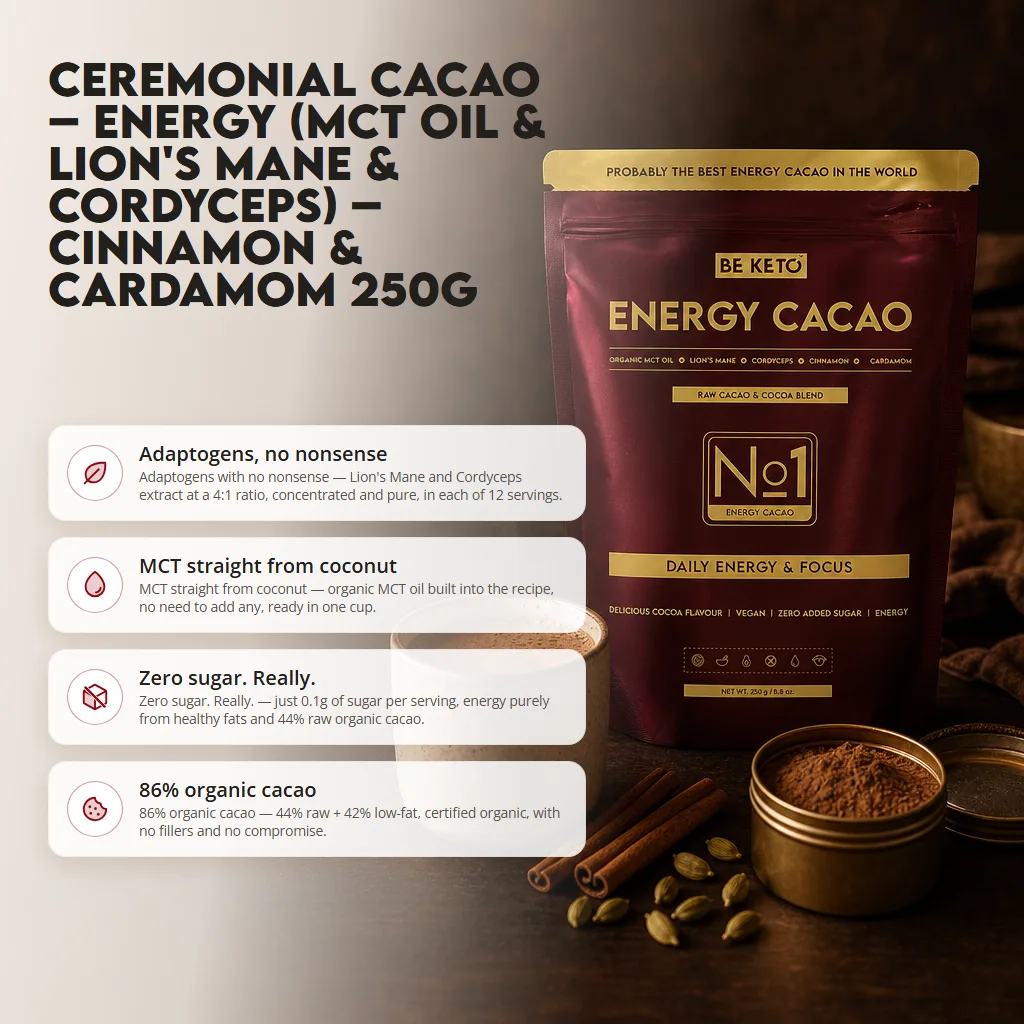
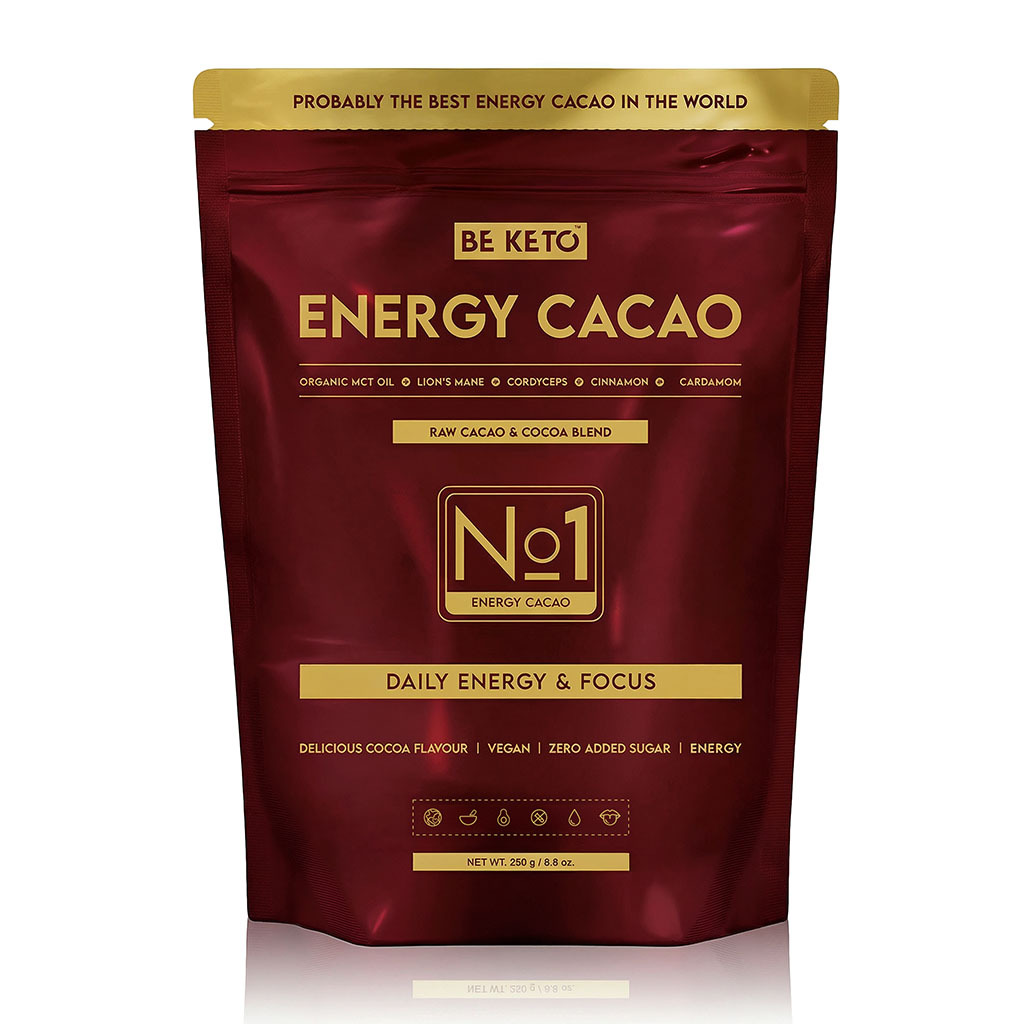
Ceremonial Cacao – Energy (MCT Oil & Lion’s Mane & Cordyceps) – Cinnamon & Cardamom 250g
£ 26.99 GBP✔ Organic MCT oil + Lion's Mane + Cordyceps
✔ Cinnamon + Cardamom for flavour
✔ 44% raw cacao + 42% low-calorie cacao
✔ Vegan | Zero added sugar | 4% RI energy per serving
✔ Energy that powers your day
-
 Reset & relax
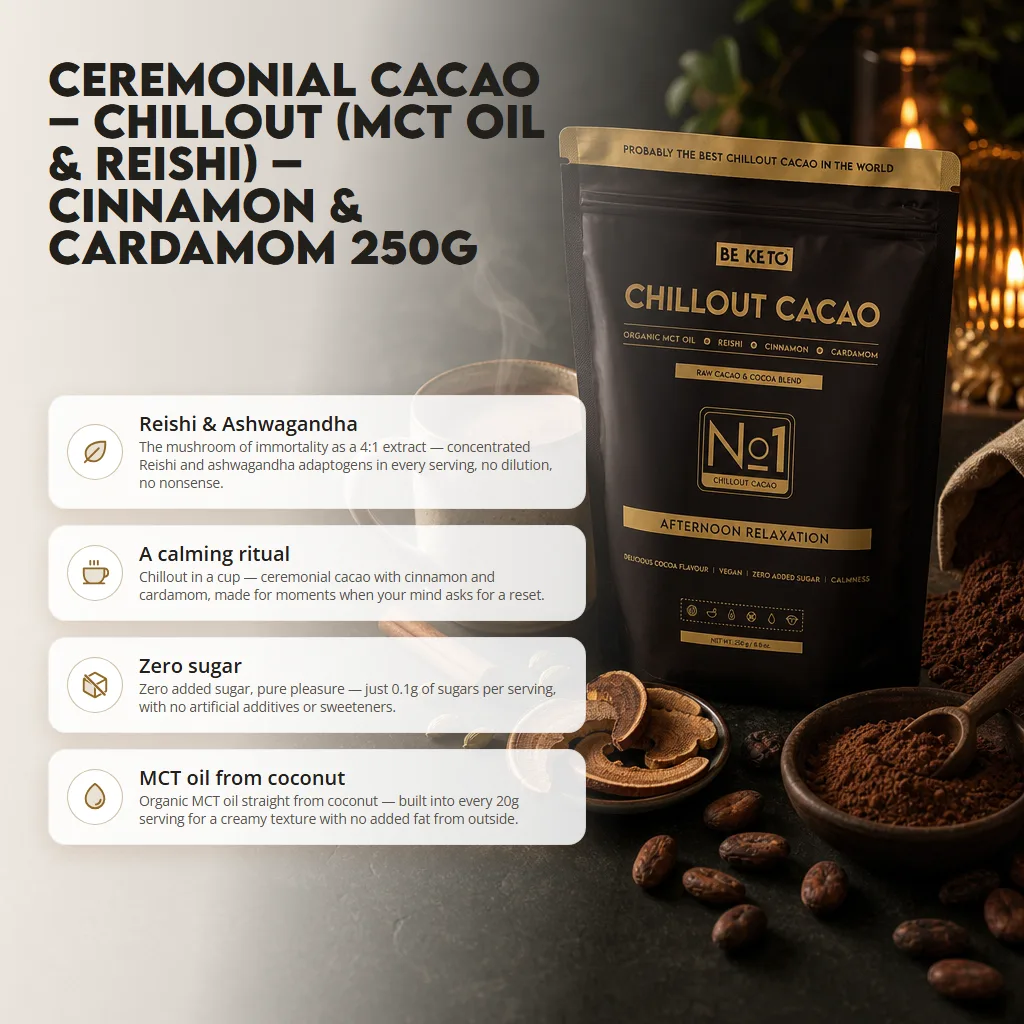
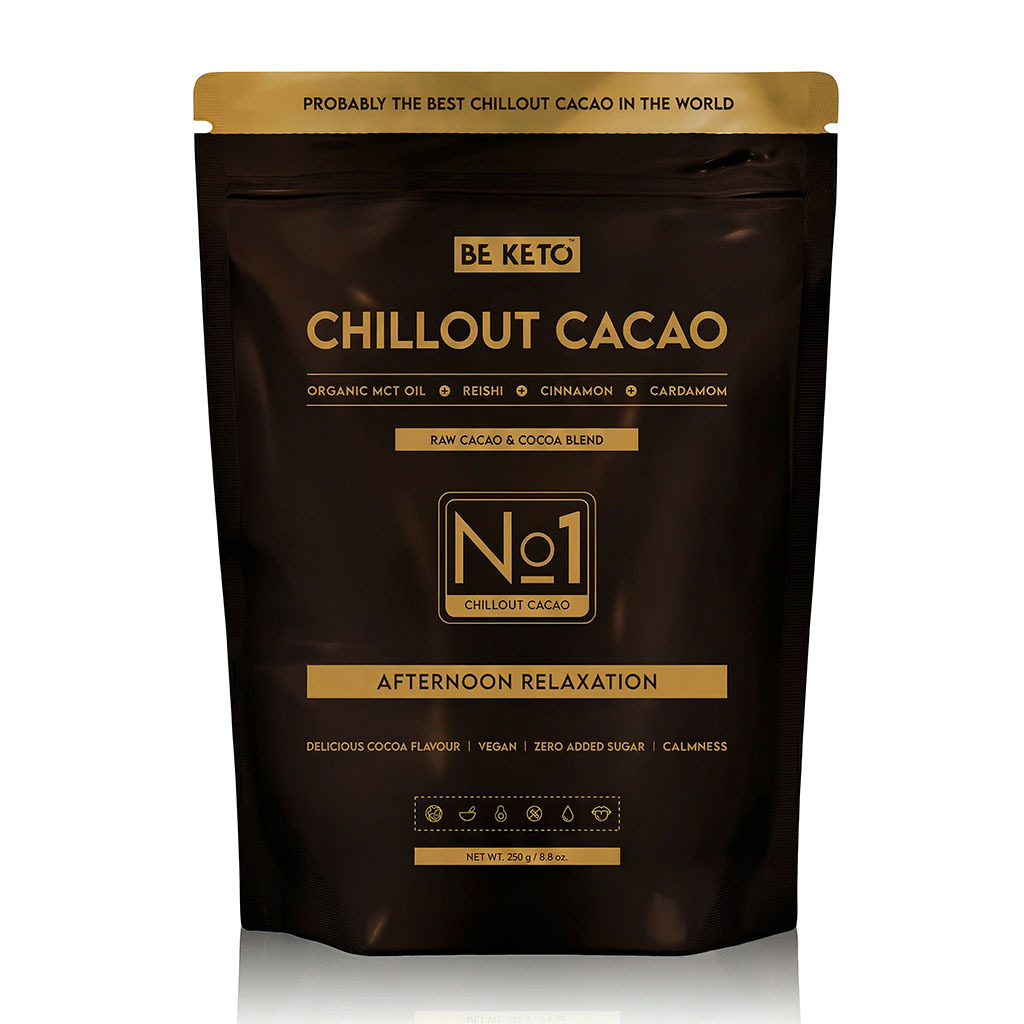
Ceremonial Cacao – Chillout (MCT Oil & Reishi) – Cinnamon & Cardamom 250g
£ 26.99 GBP✔ Organic MCT oil + Reishi (mushroom of immortality)
✔ Cinnamon + Cardamom for flavour harmony
✔ 44% raw cacao + 42% low-calorie cacao
✔ Vegan, zero added sugar
✔ True taste and calm in a cup
-
 Pure essence
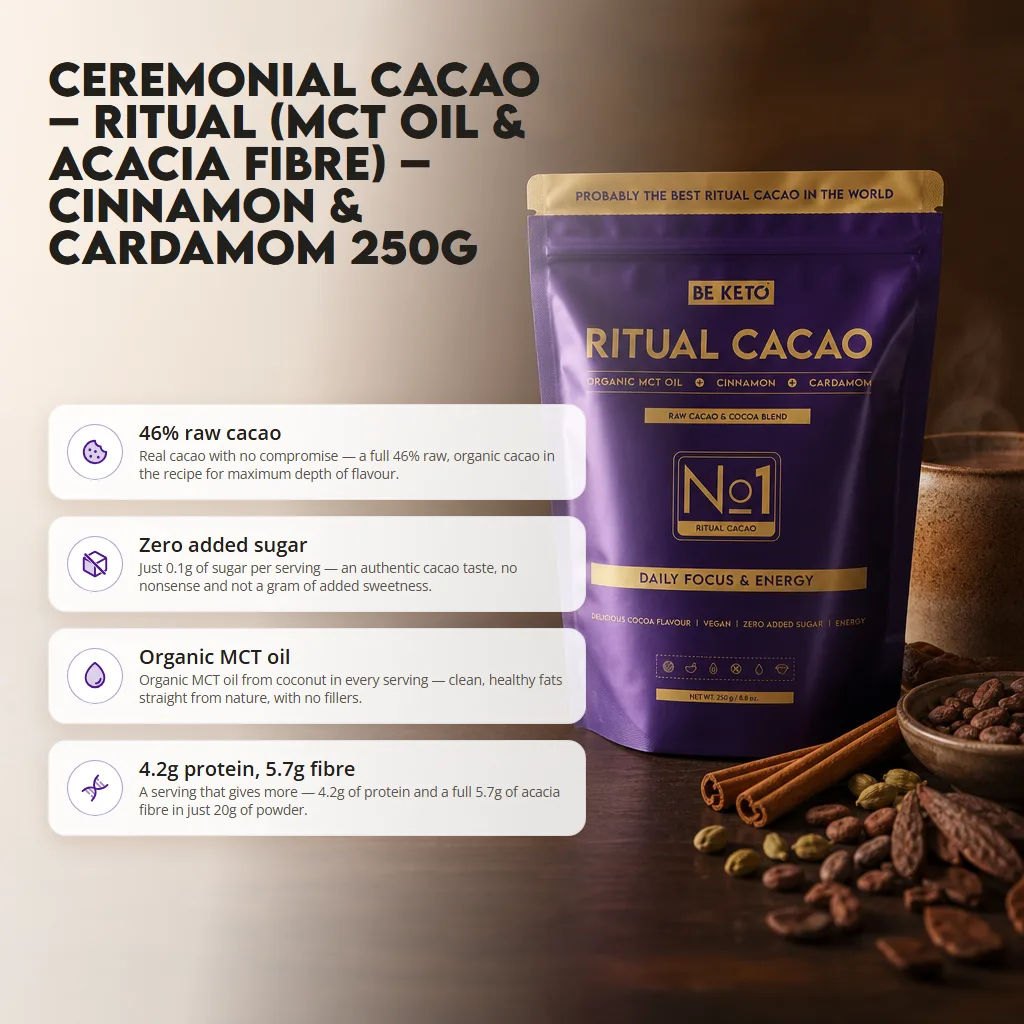
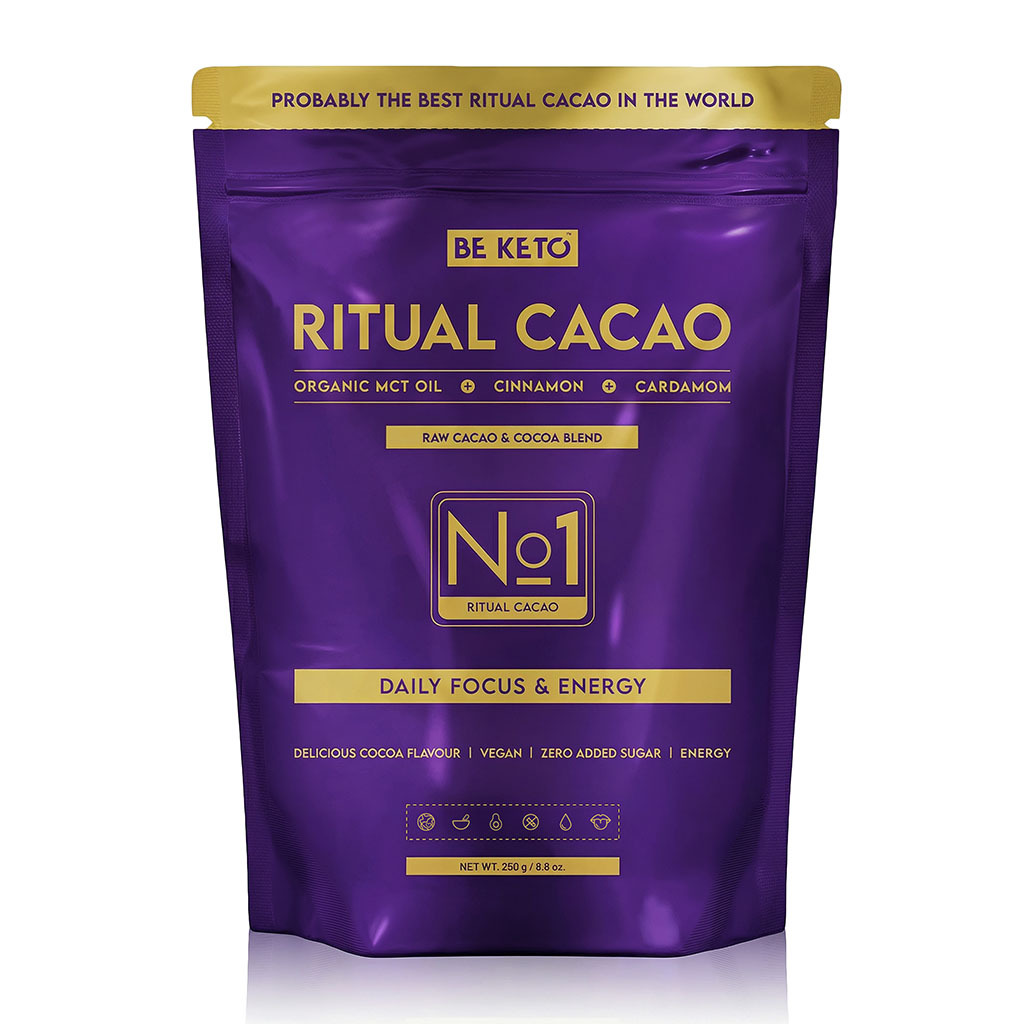
Ceremonial Cacao – Ritual (MCT Oil & Acacia Fibre) – Cinnamon & Cardamom 250g
£ 26.99 GBP✔ 46% highest quality raw cacao
✔ Organic MCT oil + acacia fibre
✔ Cinnamon + Cardamom + Himalayan salt
✔ Vegan | Zero added sugar | Pure cacao essence
✔ For those seeking true taste
What is the difference between cacao and ceremonial cacao?
Ceremonial cacao is unroasted or lightly roasted cacao that keeps the whole bean. Standard cocoa powder is roasted hot, usually alkalised, and pressed so that most of the cacao butter comes out. Both start from the same bean and part company in the processing.
The phrase ceremonial grade is a trade term, not a legal standard, so nothing in UK food law sets out what it must contain. The ingredient list and the declared cacao percentage are the two things you can actually check on a pack.
Ritual declares 46 per cent raw organic cacao powder and 44 per cent defatted cocoa powder, which is 90 per cent cacao in total. Energy and Chillout declare 44 and 42 per cent, which is 86 per cent. The rest of each pack is MCT oil powder, acacia fibre, spices and salt.
Cacao you drink and cacao you eat also behave differently once they leave the bean, because a powder dissolves in a cup while a bar is set around cocoa butter. For the eating side of the same ingredient, our keto chocolates are a separate category.
Ceremonial grade cacao: block, paste or powder?
Most ceremonial cacao sold in the UK comes as a block or a paste that you chop and melt. The three blends in this category are powders instead, whisked straight into hot water, so there is no chopping and no kitchen scale.
A block is closer to the traditional Mesoamerican preparation and it is what most live cacao ceremonies use. A powder trades that for a measured cup: 20 g taken from a 250 g pack, the same weight every time.
Powder and coffee are the two whisked formats on this site, and they answer the same morning question in different ways. If you are weighing a cacao cup against a coffee cup, our functional coffees sit in their own category.
What is in Ritual, Energy and Chillout?
All three start from raw organic cacao powder, defatted cocoa powder and organic MCT oil powder. Acacia fibre, cinnamon, cardamom and Himalayan salt complete the base, and the blends differ in the extracts added and in whether maltodextrin appears on the list.
Ritual carries seven ingredients and no maltodextrin. Its cacao is the highest of the three, 46 per cent raw organic cacao powder with 44 per cent defatted cocoa powder, and after the MCT oil powder come acacia fibre, cinnamon, cardamom and Himalayan salt.
Energy lists 44 per cent raw organic cacao powder and 42 per cent defatted cocoa powder, then two mushroom extracts: Lion's Mane, Hericium erinaceus, at 4:1, and Cordyceps, Cordyceps sinensis, at 4:1. Maltodextrin carries those extracts and closes a list of ten ingredients.
Chillout starts from the same 44 and 42 per cent cacao, and its list carries organic ashwagandha root powder and Reishi extract, Ganoderma lucidum, at 4:1. Read that list rather than the name: the ashwagandha is printed before the Reishi, while the product name mentions only the Reishi. Maltodextrin again closes ten ingredients.
What does a 20 g cup of ceremonial cacao contain?
A 20 g cup gives 70 to 71 kcal, 4.0 to 4.2 g protein and 0.1 g sugars. Carbohydrate runs 4.0 to 4.3 g, fibre 5.6 to 5.8 g and salt 0.1 g, depending on which of the three you have in the cup.
- Ritual, per 100 g: 354 kcal, 14.9 g fat of which 10.2 g saturates, 19.9 g carbohydrate of which 0.7 g sugars, 28.6 g fibre, 20.8 g protein, 0.4 g salt
- Energy, per 100 g: 355 kcal, 14.5 g fat of which 9.9 g saturates, 21.7 g carbohydrate of which 0.6 g sugars, 28.9 g fibre, 19.9 g protein, 0.4 g salt
- Chillout, per 100 g: 352 kcal, 14.5 g fat of which 9.9 g saturates, 21.4 g carbohydrate of which 0.6 g sugars, 28.2 g fibre, 20.0 g protein, 0.4 g salt
All three clear two nutrition thresholds, so all three are high in protein and high in fibre. Protein supplies 22 to 24 per cent of the energy, against a threshold of 20 per cent for high in protein, and fibre runs 28.2 to 28.9 g per 100 g against a threshold of 6 g.
Sugars are 0.6 to 0.7 g per 100 g, which makes all three low in sugars, well under the 5 g threshold, and 0.1 g in a 20 g cup. No sugar is added to any of them; what the tables show is what the cacao and the spices bring with them.
How do you prepare ceremonial cacao?
Whisk 20 g of powder, about two tablespoons, into 200 ml of hot water or a plant drink. Give it 30 to 60 seconds, until the MCT oil powder has dissolved and the cup is smooth.
Use water that has come off the boil, not boiling water, which keeps the cup from tasting flat. Oat, almond and coconut drinks take the same 20 g and give a thicker cup.
The method is the same for all three blends, because the base is the same. Cinnamon, cardamom and Himalayan salt are already in the powder, so nothing needs adding at the table.
How many cups are in a pack and what does a cup cost?
A 250 g pack holds 12 cups of 20 g and costs £26.99, which is £2.25 a cup. At one cup a day, a pack lasts just under two weeks.
That is the figure to compare with a block, where the price on the shelf covers a weight rather than a number of cups, and the cup you pour depends on how much you chop. Here the serving is fixed at 20 g, two tablespoons.
Check the ingredient list first, then order the blend that matches it. All three are £26.99 for 250 g, and all three make the same 12 cups.
Frequently asked questions
What does ceremonial cacao do to your body?
Cacao is a food, not a supplement. A 20 g cup delivers 70 to 71 kcal, 4 g of protein, 5.6 to 5.8 g of fibre and 0.1 g of sugars, along with the theobromine and the small amount of caffeine that occur naturally in the cacao bean.
Is it safe to drink ceremonial cacao every day?
These blends are built around one daily cup. A 20 g cup a day is how a 250 g pack comes to 12 cups. Cacao naturally contains theobromine and caffeine, so treat a daily cup the way you would treat a daily coffee.
Who should not drink ceremonial cacao?
Not for children, and ask a doctor first if you are pregnant, breastfeeding or taking any medicines. The reason in both cases is the same: cacao naturally contains theobromine and caffeine.
Does ceremonial cacao contain caffeine?
Yes, in small amounts. Caffeine and theobromine both occur naturally in the cacao bean, and neither is added to these three blends.
Is ceremonial cacao suitable for a keto diet?
Each cup has 4.0 to 4.3 g carbohydrate. Of that, 0.1 g is sugars, and the 5.6 to 5.8 g of fibre is counted separately from carbohydrate on a UK label.
Where can I buy ceremonial cacao in the UK?
All three blends are on this page. They come in 250 g packs at £26.99 each, which works out at £2.25 a cup.
Is ceremonial cacao legal in the UK?
Yes, it is an ordinary food. Ceremonial cacao is sold legally across the UK, and these three blends contain no controlled substances.
Are these ceremonial cacao blends vegan?
The ingredient lists carry no animal ingredients. Each pack is labelled vegan, and the MCT oil powder is made from coconut rather than from dairy. The rest of each list is cacao, acacia fibre, spices and salt, plus plant and mushroom extracts with maltodextrin in two of the three.
Over 26500+ excellent reviews
BeKeto is known for outstanding service and the highest product quality. This can be experienced by #BeKetonians in 29 countries!
Every day, we send out hundreds of parcels and receive fantastic reviews from you. Thank you!
Every day, we send out hundreds of parcels and receive fantastic reviews from you. Thank you!