How many carbs, sugars and salt are in each BeKeto sauce?
Per 100 g, carbohydrate runs from 0.1 g in the mayonnaise to 8.0 g in the ketchup and mustard. Sugars run from 0.0 g to 6.0 g over the same four labels, and salt from 0.8 g to 2.2 g.
Label by label, per 100 g:
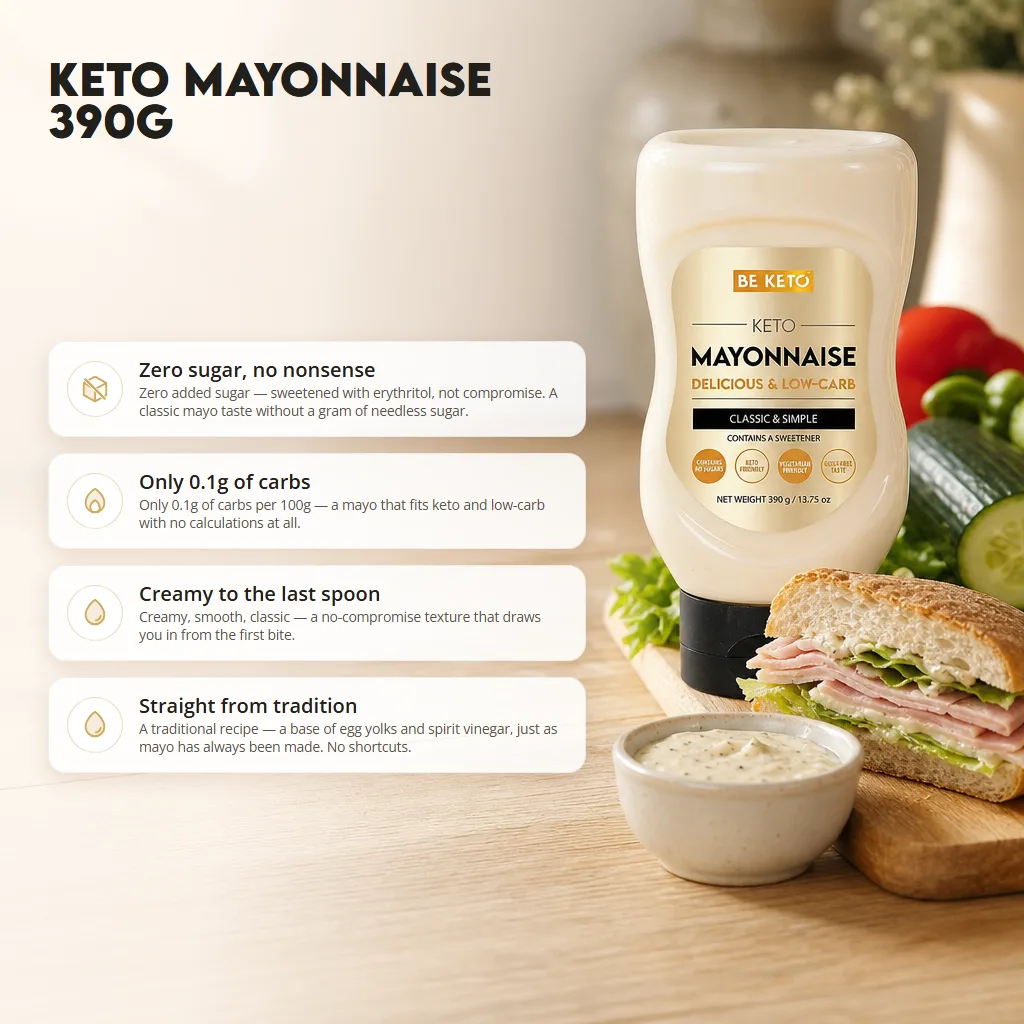
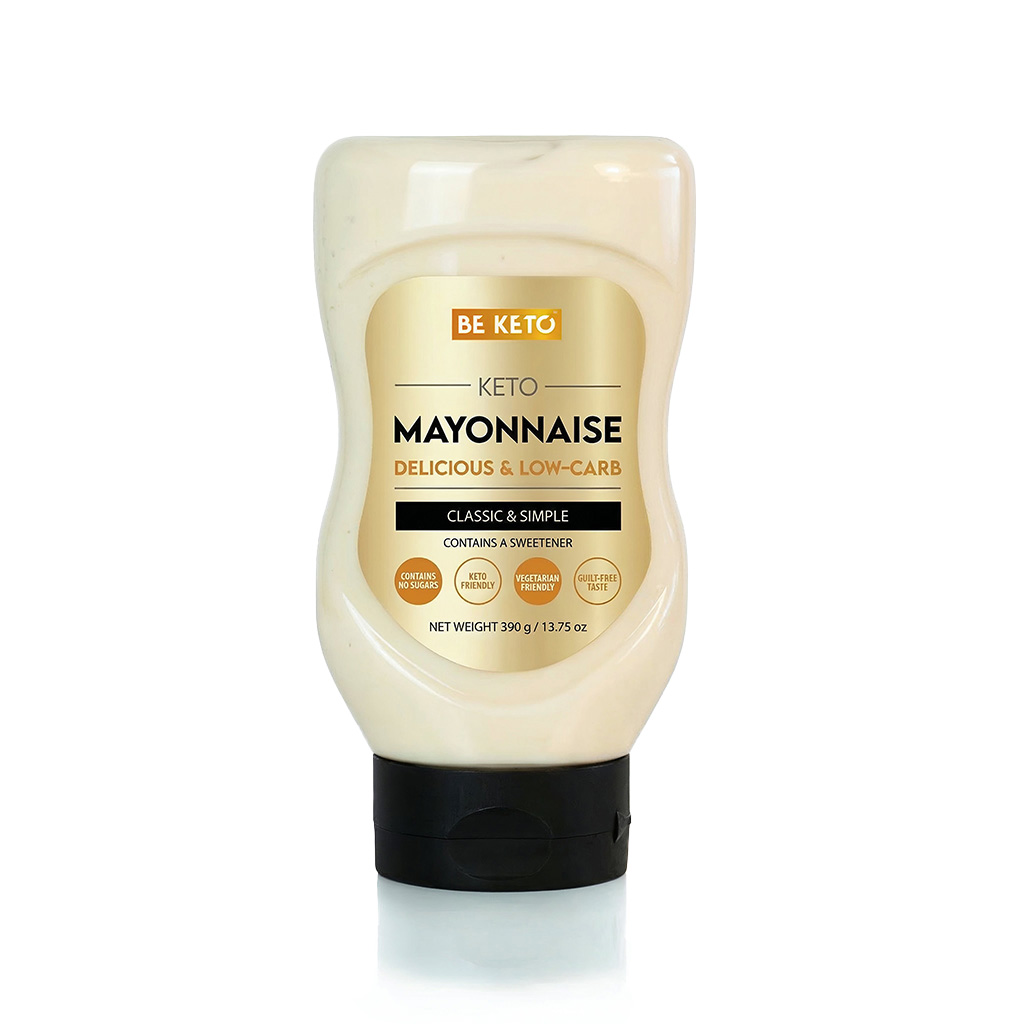
- Keto Mayonnaise 390g: carbohydrate 0.1 g, sugars 0.0 g, fat 77.1 g, salt 0.8 g
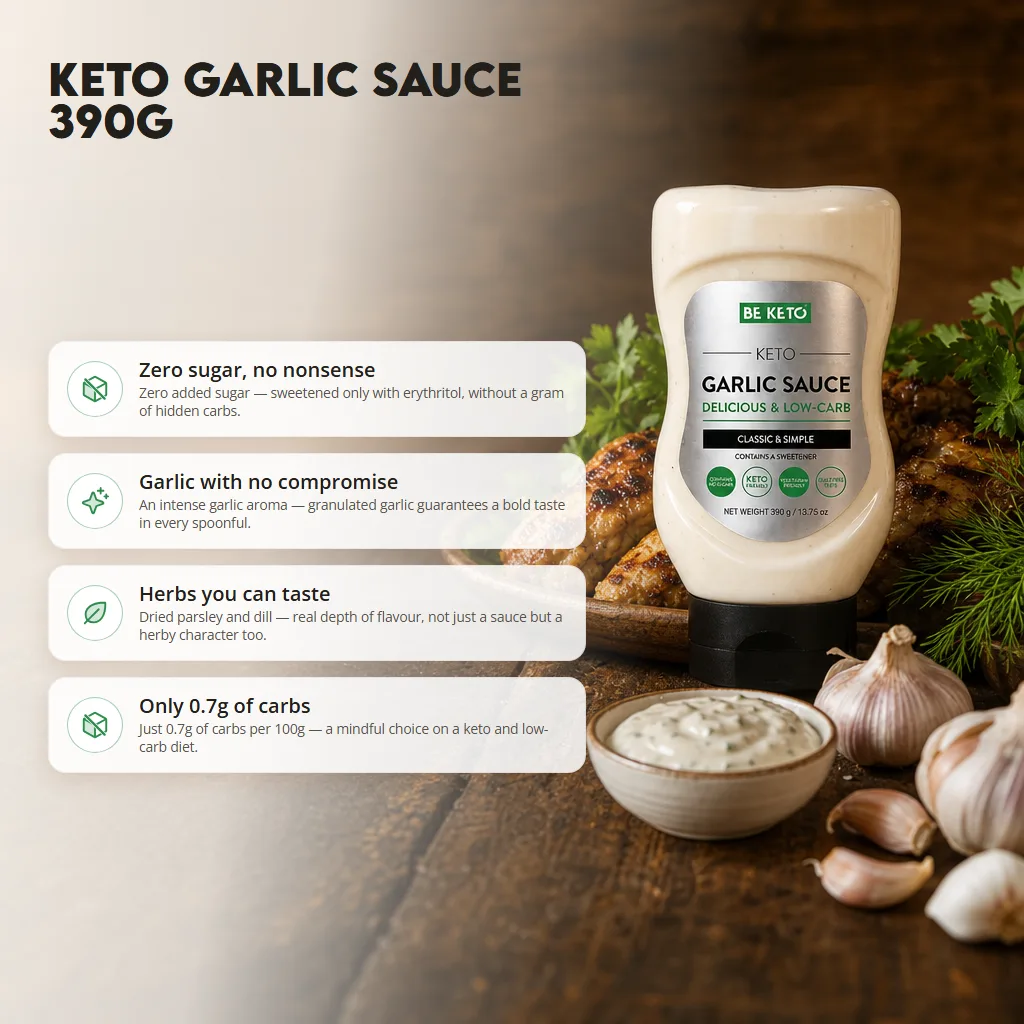
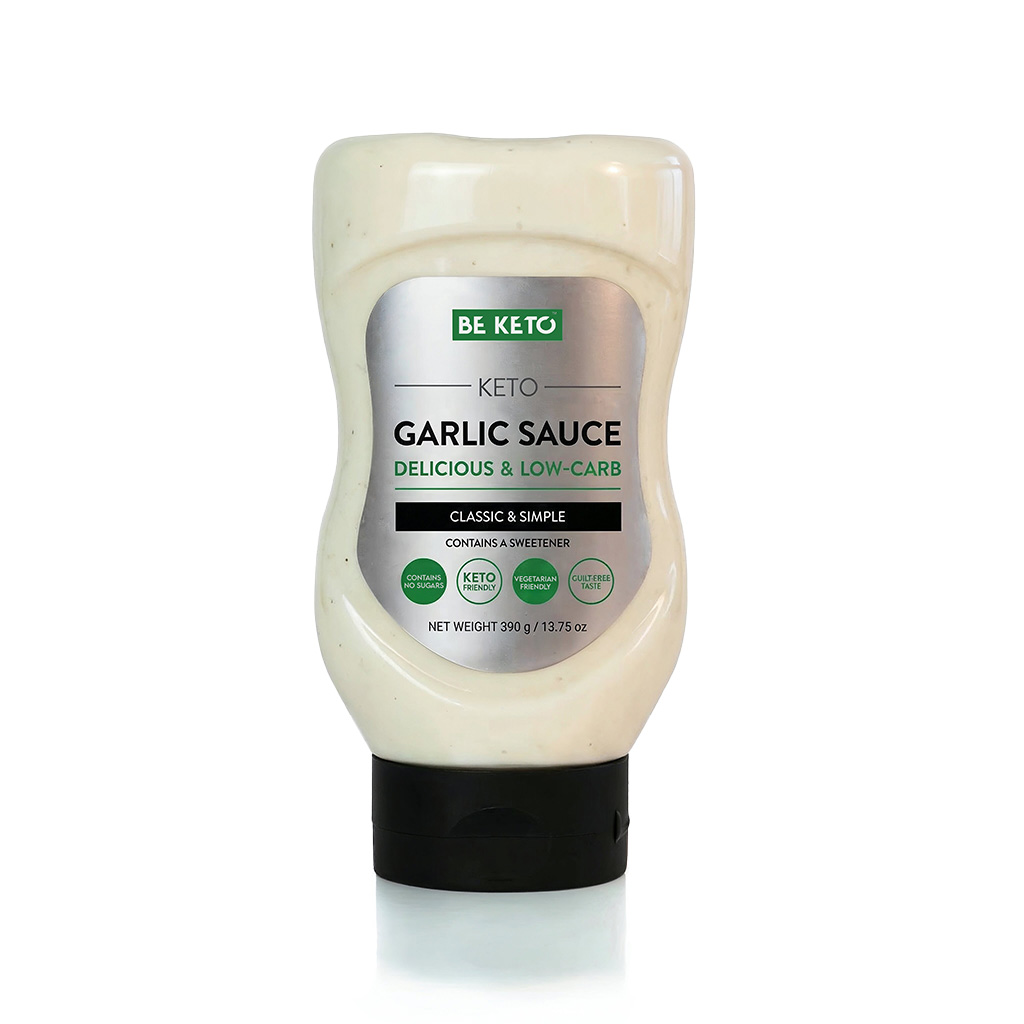
- Keto Garlic Sauce 390g: carbohydrate 0.7 g, sugars 0.3 g, fat 69.0 g, salt 1.32 g
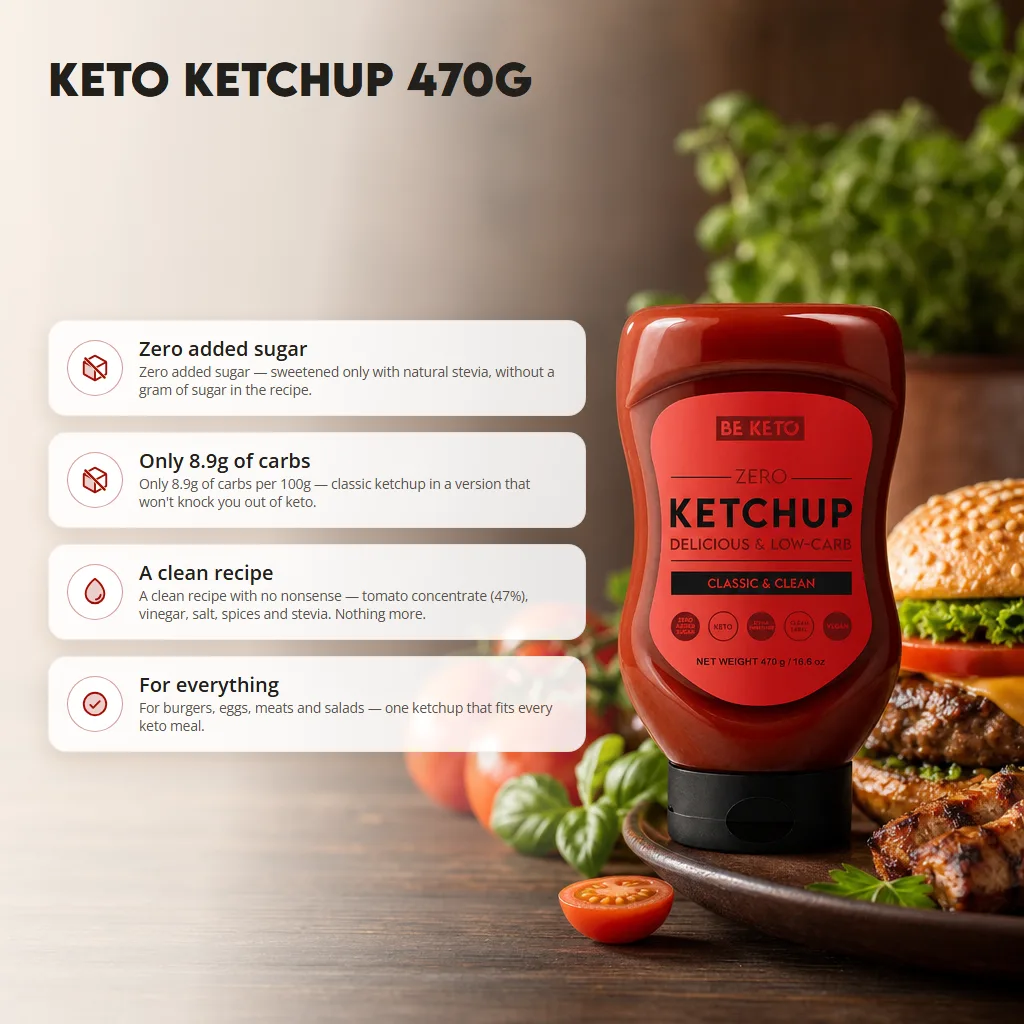
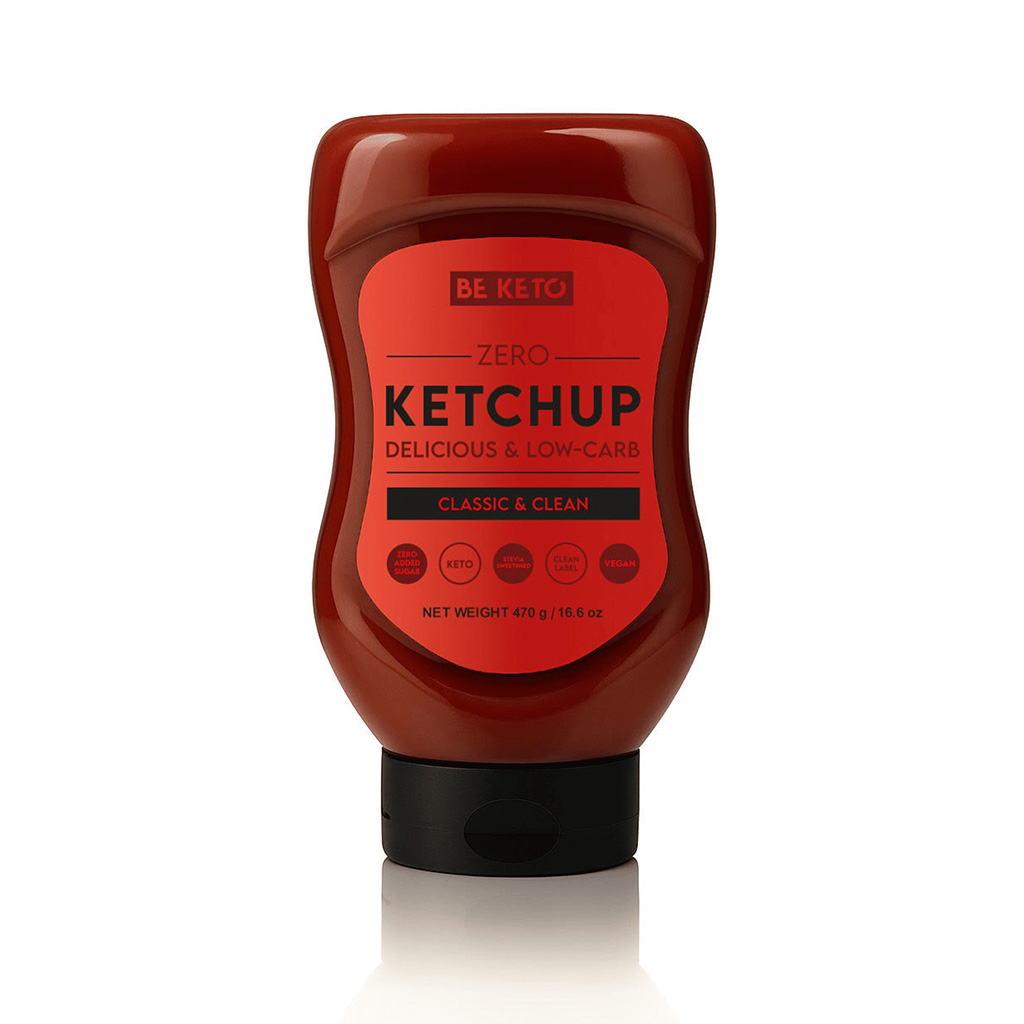
- Keto Ketchup 470g: carbohydrate 8.0 g, sugars 6.0 g, fat 0.2 g, salt 2.0 g
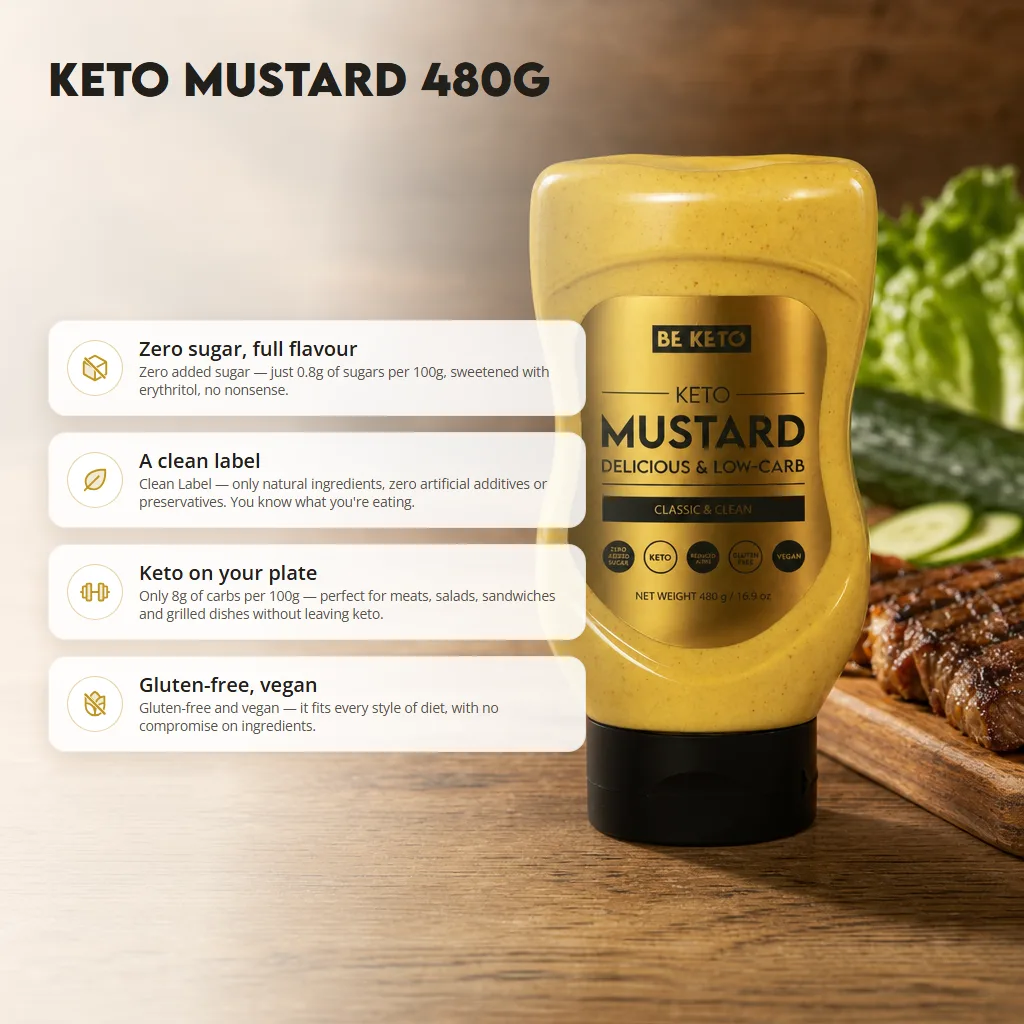
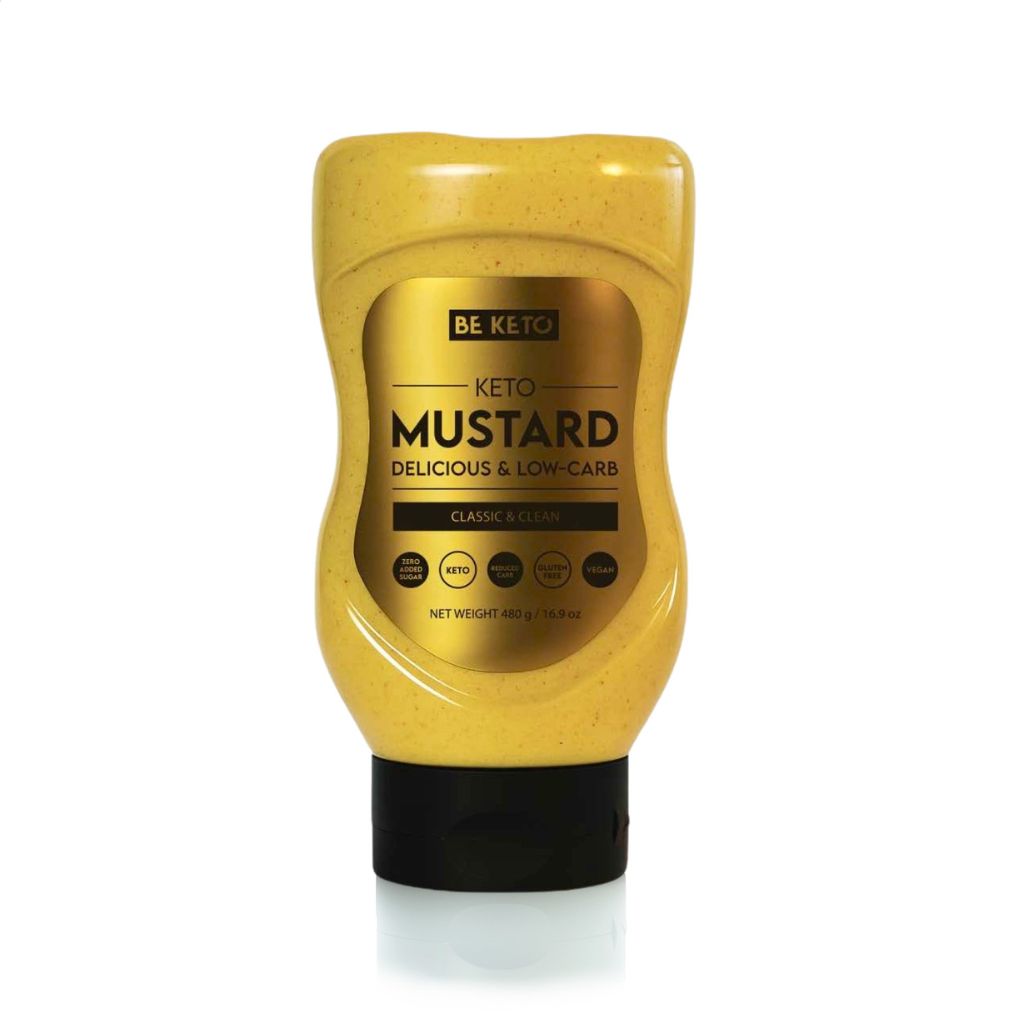
- Keto Mustard 480g: carbohydrate 8.0 g, sugars 0.8 g, fat 4.4 g, salt 2.2 g
Every figure here is given per 100 g, because that is the basis printed on every British label. Keto sauce ranges are usually described as being under 2 g of net carbohydrate a serving, without anyone saying how big the serving is, so nobody can check the claim. Per 100 g can be checked.
Salt is the line these sauces do not win. Keto Mustard 480g carries 2.2 g per 100 g and Keto Ketchup 470g carries 2.0 g, which is 0.88 g and 0.80 g of sodium. None of these is a low salt food, a claim that needs 0.12 g of sodium per 100 g or less.
At £5.79 a jar that works out at £1.48 per 100 g for the mayonnaise and the garlic sauce, £1.23 for the ketchup and £1.21 for the mustard. How much of it fits a day on a keto or low carb diet depends on your own limit, which our guide to how many carbs a day on keto sets out.
Which of these are sugar free sauces?
Two of the four count as sugar free sauces: Keto Mayonnaise 390g and Keto Garlic Sauce 390g. The mayonnaise declares 0.0 g of sugars per 100 g and the garlic sauce 0.3 g, both under the 0.5 g limit set for a sugars-free claim in Great Britain.
Keto Ketchup 470g and Keto Mustard 480g do not reach that limit. The ketchup declares 6.0 g of sugars per 100 g, all of it naturally occurring in the 47% tomato concentrate it is made from, and the mustard declares 0.8 g.
None of the four carries added sugar. What does the sweetening is erythritol in the mayonnaise, the garlic sauce and the mustard, and steviol glycosides, the extract from the stevia leaf, in the ketchup.
So the shelf as a whole is not sugar free, and no single headline covers it. The sugars line on each individual label settles it, jar by jar.
Which sauces can you have on keto, and which to skip?
Sauces built on oil, egg, vinegar and mustard seed stay lowest in sugars. Mayonnaise, aioli and garlic dips, mustard, vinaigrette, hollandaise and plain chilli hot sauce all sit in that group.
Sweet tasting sauces are the ones to read twice. BBQ, sweet chilli, teriyaki, hoisin, tomato ketchup, jarred pasta sauce and mint sauce are usually built on added sugar or on a fruit base, so their sugars figure climbs.
The name on the jar does not settle it, and neither does the word keto. What settles it is the line marked of which sugars on the back of the pack, printed next to the carbohydrate figure on every sauce sold in the UK.
Soy sauce, fish sauce and tzatziki come up in this question more than anything else. All three vary by brand rather than by category, so the figure on the label in your hand is the one that counts, not the name of the sauce.
Where can you buy keto sauces in the UK?
You can buy all four BeKeto sauces from beketo.uk, with delivery across the UK. Each jar is £5.79 and shipping is free from £59.
The range runs Keto Mayonnaise 390g, Keto Garlic Sauce 390g, Keto Ketchup 470g and Keto Mustard 480g. Ordering direct means the label figures on this page are the figures on the jar that arrives.
Read the allergen line before you order. The mayonnaise and garlic sauce contain egg, Keto Ketchup 470g may contain celery seed oil, and Keto Mustard 480g may contain celery and sesame seeds.
Add the sauce you want to your basket at £5.79, or build an order with the rest of your keto shop and clear the £59 free shipping threshold in one go.
Frequently asked questions
What are some good keto sauces?
Mayonnaise, garlic sauce and mustard. Those three carry the least sugars on this shelf, at 0.0 g, 0.3 g and 0.8 g per 100 g. Keto Ketchup 470g carries 6.0 g, and it comes from tomato rather than from added sugar.
What sauce has 0 carbs?
None of these four is exactly zero. Keto Mayonnaise 390g comes closest at 0.1 g of carbohydrate per 100 g, with 0.0 g of that declared as sugars. Keto Garlic Sauce 390g follows at 0.7 g.
What keto-friendly sauces are available in the UK?
Four of them, at £5.79 each. Keto Mayonnaise 390g, Keto Garlic Sauce 390g, Keto Ketchup 470g and Keto Mustard 480g ship from beketo.uk across the UK, with carbohydrate from 0.1 g to 8.0 g per 100 g.
Can you buy keto sauces in Tesco?
We sell these sauces from beketo.uk. We do not track what other retailers hold, so check a supermarket's own site for its range, and read the sugars per 100 g on whatever you find there.
Which keto sauces go with chicken?
Keto Garlic Sauce 390g and Keto Mustard 480g. The garlic sauce works as a dip at 0.7 g of carbohydrate per 100 g, the mustard as a coating before roasting at 8.0 g.
How much salt do these sauces contain?
0.8 g to 2.2 g per 100 g. Keto Mayonnaise 390g sits at the bottom of that range and Keto Mustard 480g at the top, which is 0.32 g to 0.88 g of sodium. None of them is a low salt food.
Are BeKeto sauces vegan and gluten free?
The ketchup and mustard are both. Keto Ketchup 470g and Keto Mustard 480g are labelled vegan and gluten free. Keto Mayonnaise 390g and Keto Garlic Sauce 390g are made with egg yolk powder, so they are not vegan.
Which sweeteners are used in BeKeto sauces?
Erythritol and steviol glycosides. Erythritol sweetens the mayonnaise, the garlic sauce and the mustard, and steviol glycosides sweeten the ketchup. Our guide to the best sweeteners for keto compares them.
 United KingdomCurrent regionDelivery within the United KingdomCurrency: Pound Sterling (£)
 GermanyDelivery within Germany and AustriaCurrency: Euro (€)
 FranceDelivery within France and BelgiumCurrency: Euro (€)
 ItalyDelivery within ItalyCurrency: Euro (€)
 PolandDelivery within Poland and EuropeCurrency: Zloty (PLN)
 Czech RepublicDelivery within the Czech Republic and SlovakiaCurrency: Czech Koruna (Kč)
 SpainDelivery within SpainCurrency: Euro (€)