OFFICIAL STORE IN THE UNITED KINGDOM


Keto Matcha Latte
-
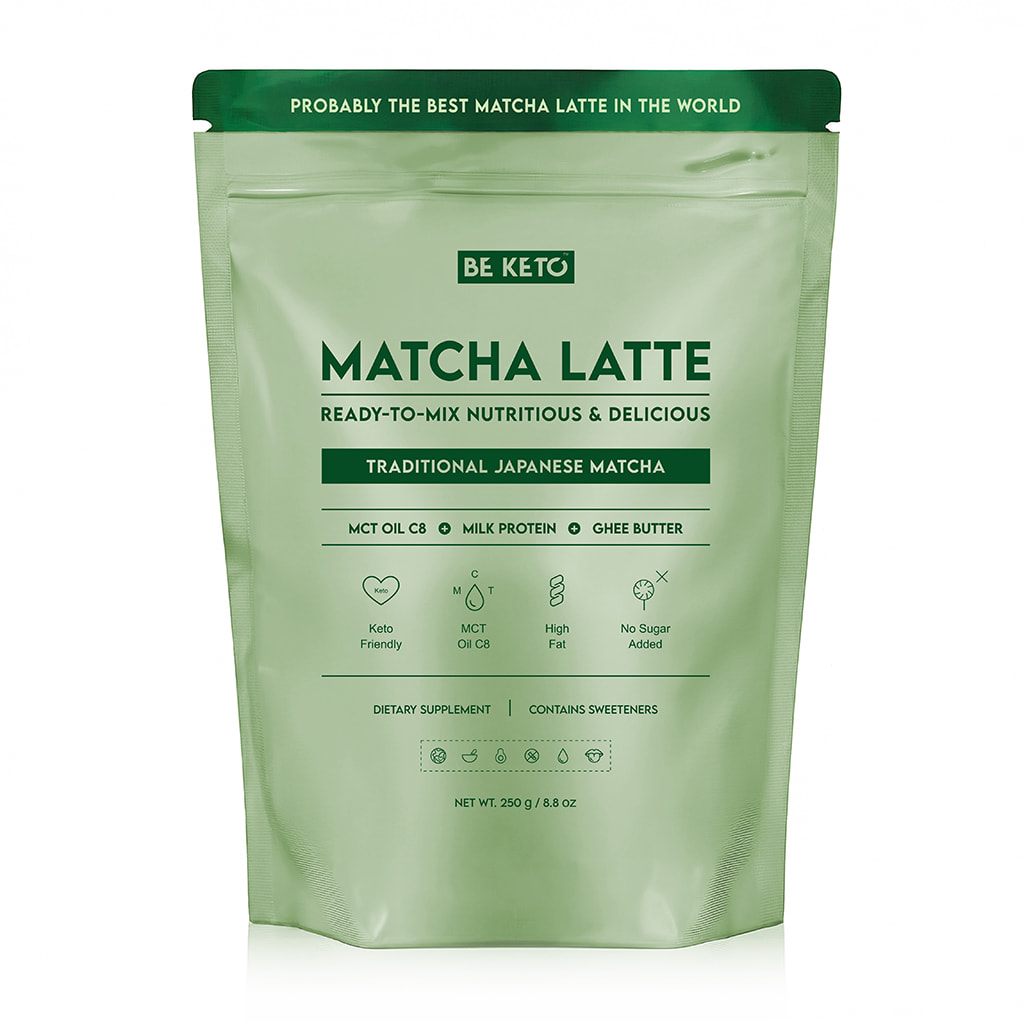 Traditional japanese
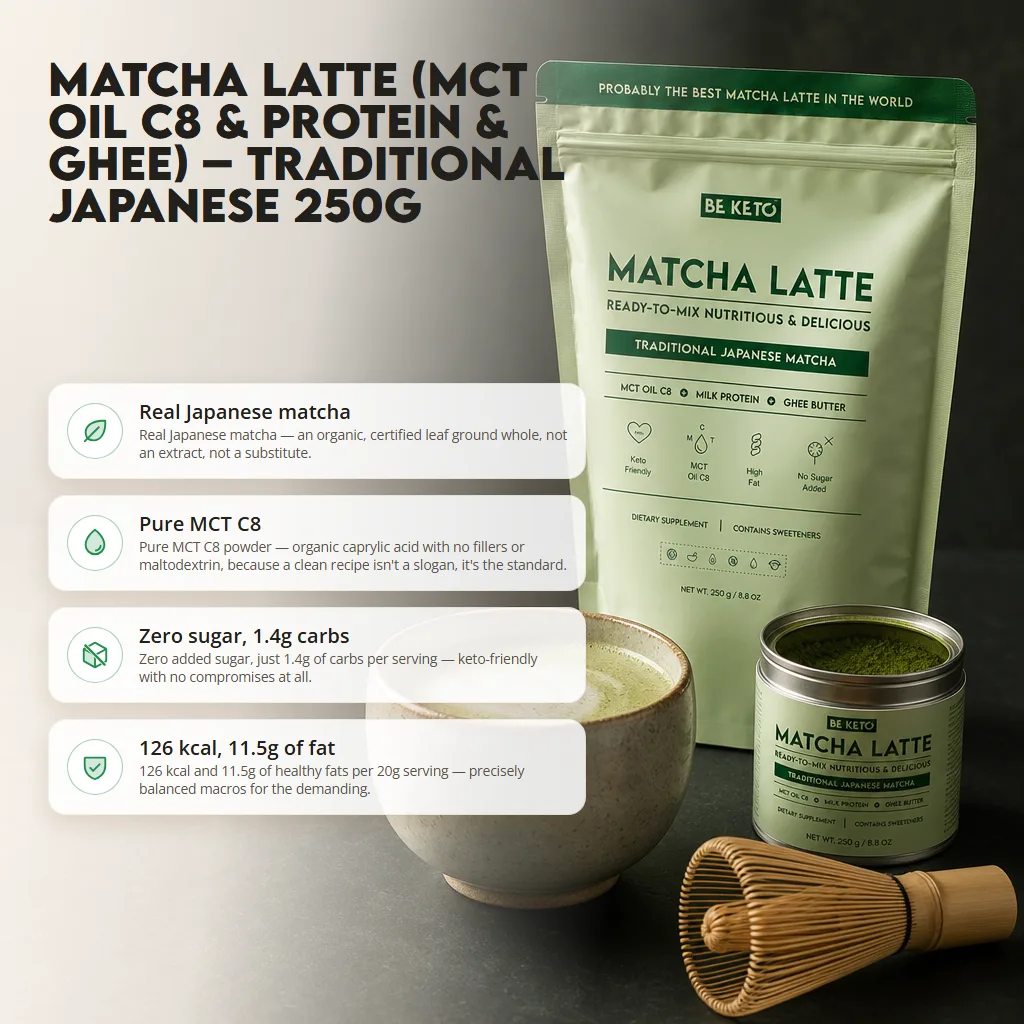
Keto Matcha Latte (MCT C8 Oil & Protein & Ghee) – Traditional Japanese 250g
£ 29.99 GBP✔ Organic Japanese premium matcha
✔ Organic MCT C8 oil + milk protein + ghee butter
✔ Zero sugars | only 1.4g carbs per serving
✔ 3g protein and 11.5g healthy fats per serving
✔ Ready in 30 seconds – just add water
-
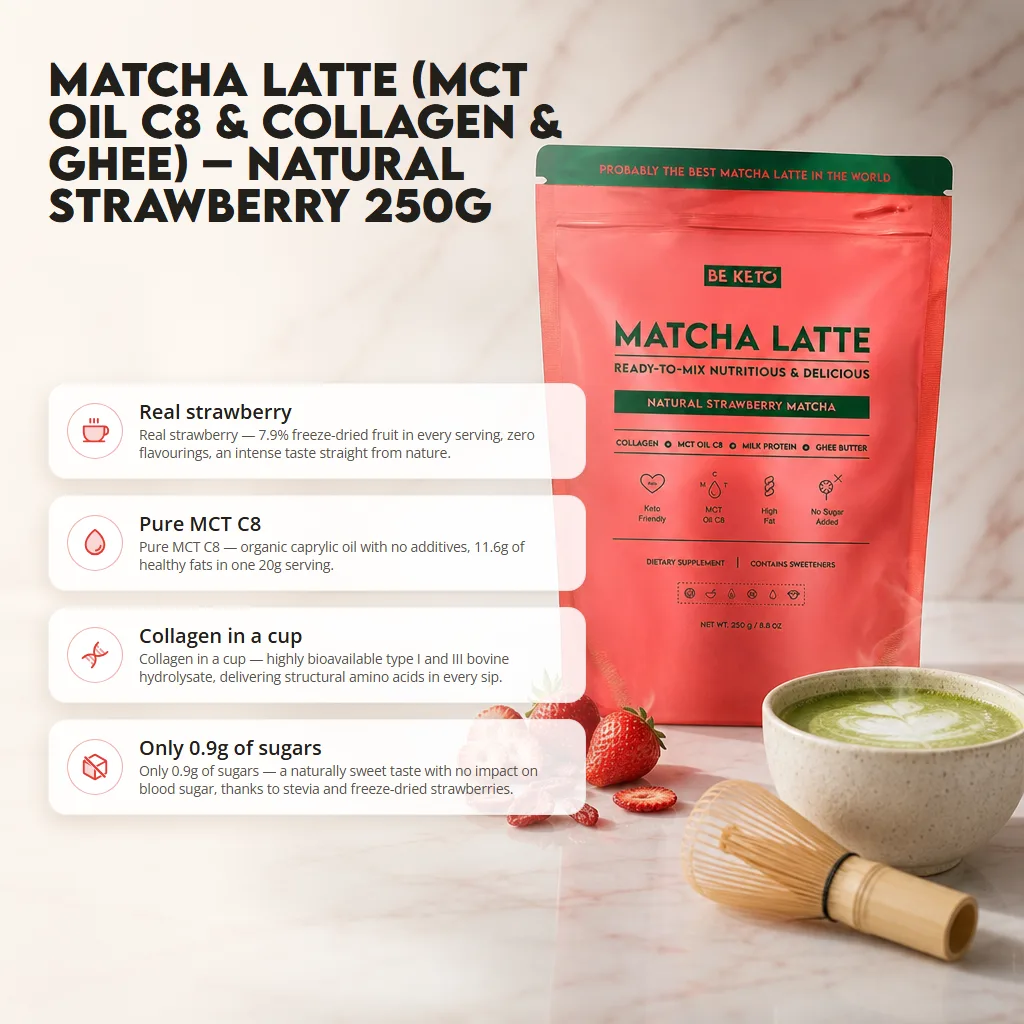
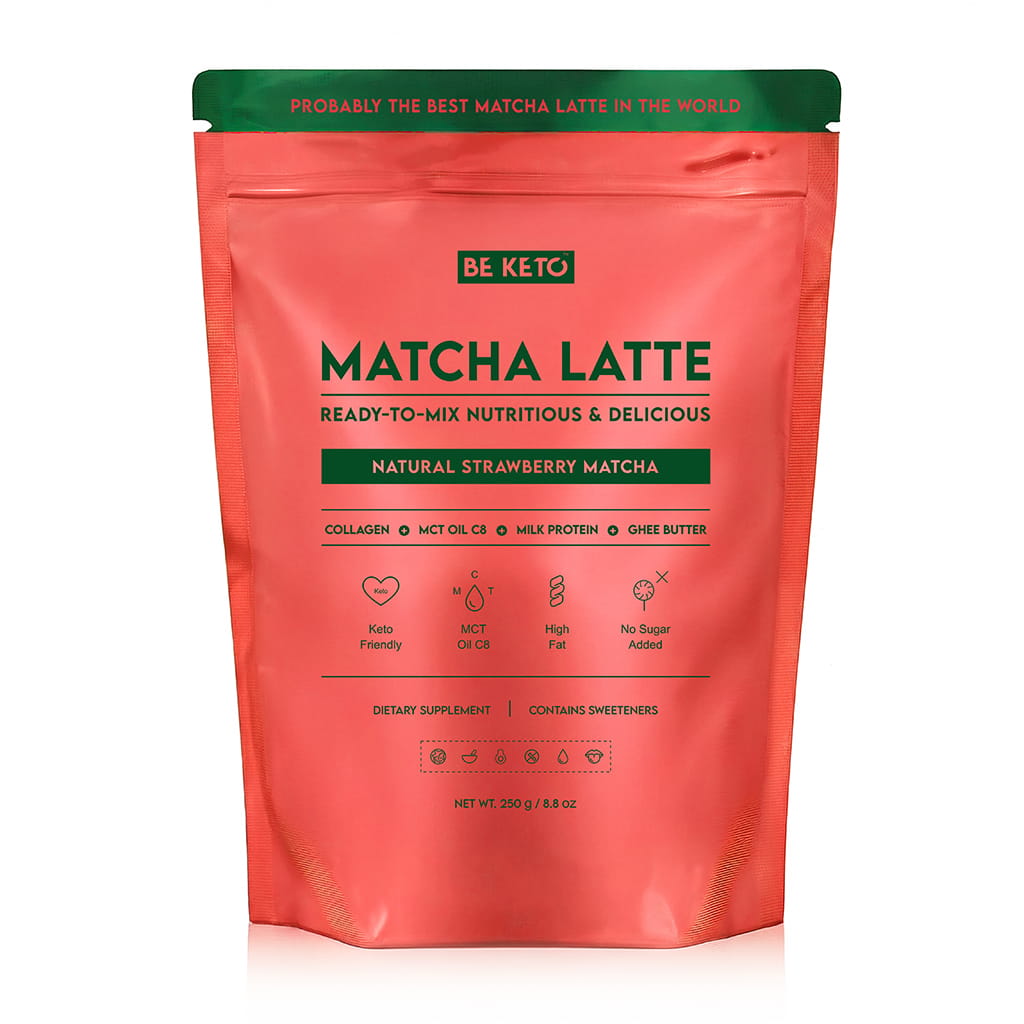 Natural strawberry
Keto Matcha Latte (MCT C8 Oil & Collagen & Ghee) – Natural Strawberry 250g
£ 29.99 GBP✔ Organic matcha + hydrolysed bovine collagen
✔ 7.9% freeze-dried strawberries
✔ Organic MCT C8 oil + milk protein + ghee butter
✔ Only 0.9g sugars | 2.1g carbs per serving
✔ 5g protein (including collagen) per serving
-
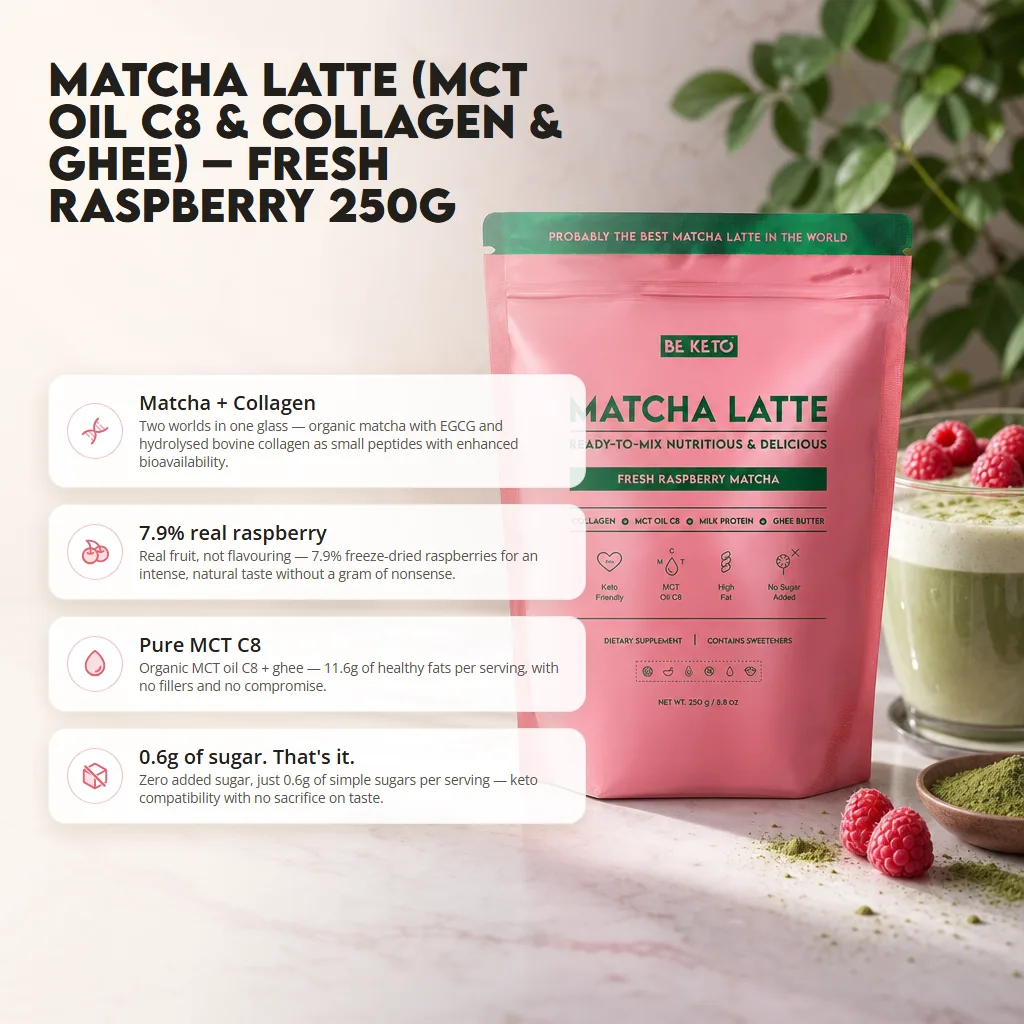
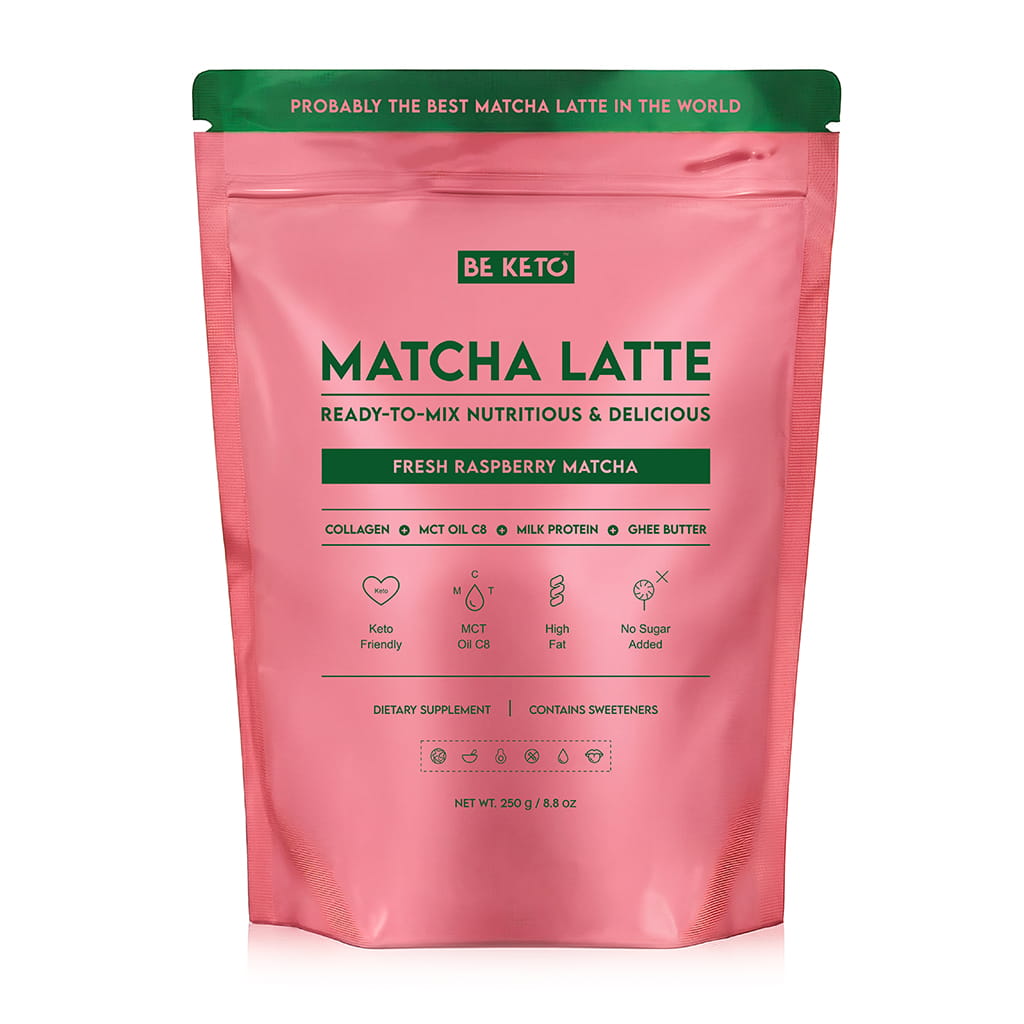 Fresh raspberry
Keto Matcha Latte (MCT C8 Oil & Collagen & Ghee) – Fresh Raspberry 250g
£ 29.99 GBP✔ Organic matcha + hydrolysed bovine collagen
✔ 7.9% freeze-dried raspberries
✔ Organic MCT C8 oil + milk protein + ghee butter
✔ Only 0.6g sugars | 2g carbs per serving
✔ 4.9g protein (including collagen) per serving
What is in Keto Matcha Latte powder?
MCT C8 oil from coconut is the first ingredient in all three powders, listed ahead of the organic matcha itself. Milk protein, soluble tapioca fibre, organic butter, coconut oil, ghee and acacia fibre complete the base.
MCT C8 oil is also sold on its own in our C8 MCT oils category. Here it is already blended into the powder.
Steviol glycosides from stevia are the only sweetener on the three lists, and no sugar is added.
The two fruit powders change the list rather than the base: hydrolysed bovine collagen comes third, ahead of the milk protein, and freeze-dried fruit is declared at 7.9 per cent.
Is matcha powder keto-friendly?
Yes: a 20 g serving carries 1.4 g to 2.1 g of carbohydrate and up to 0.9 g of sugars. Which end of that range you get depends on the flavour in the cup.
Traditional Japanese sits at the bottom, with 1.4 g of carbohydrate and 0 g of sugars.
Fresh Raspberry reaches 2.0 g and Natural Strawberry 2.1 g, because 7.9 per cent freeze-dried fruit brings sugars of its own, 0.6 g and 0.9 g.
Fibre is counted separately from carbohydrate on a British label, and our nutrition tables do not declare it.
How do you make a keto matcha latte?
Two scoops, 20 g, whisked into hot water make one cup, and a 250 g tub holds 12 of them. The scoop comes in the tub.
The powder already carries its own fat and sweetener, so nothing is added at home: no milk, no syrup, no separate MCT oil.
That is what separates a tub from a keto matcha recipe, which asks you to measure out a plant drink, a fat and a sweetener separately.
Is there a downside to drinking Keto Matcha Latte?
Keto Matcha Latte is a food, not a supplement. Three things on the label are worth reading before you order.
One 20 g serving carries 9.8 g of saturated fat, 49 per cent of the reference intake, because the fat comes from coconut oil, butter and ghee.
It contains milk. Milk protein, organic butter and ghee all bring dairy in, so it is neither dairy free nor vegan, and both fruit flavours carry bovine collagen.
Matcha brings caffeine with it, and the label does not quantify it.
It is a drink rather than a meal, built around one 20 g cup at a time.
Which Keto Matcha Latte flavour should you choose?
Fresh Raspberry and Natural Strawberry are a source of protein, at 4.9 g and 5.0 g a serving. Both are low in sugars as well, at 2.9 g and 4.3 g per 100 g.
Traditional Japanese takes the other route: 3.0 g of protein, no fruit and 0 g of sugars, the sugars-free one of the three.
Energy per 20 g serving is 126 kcal for Traditional Japanese and 138 kcal for Natural Strawberry. Fat and carbohydrate run almost level, so the choice comes down to protein, sugars and taste.
For a cacao cup rather than a matcha one, our ceremonial cacao blends sit in their own category.
Read the nutrition table for the flavour you want, then order the 250 g tub at £29.99.
Frequently asked questions
How many carbs are in a serving of Keto Matcha Latte?
Between 1.4 g and 2.1 g. Traditional Japanese has 1.4 g per 20 g serving, Fresh Raspberry 2.0 g and Natural Strawberry 2.1 g.
Does Keto Matcha Latte contain milk?
Yes, all three flavours contain milk. It comes in as milk protein, organic butter and ghee, and milk is the allergen declared on every tub.
Is Keto Matcha Latte suitable for vegans?
No, none of the three is vegan. Milk protein, butter and ghee are dairy, and the two fruit flavours also carry hydrolysed bovine collagen.
Does Keto Matcha Latte contain caffeine?
Yes, from the matcha. Caffeine occurs naturally in green tea leaf and none is added, but the amount per serving is not declared on the label.
How many servings are in a 250 g tub?
Twelve servings of 20 g each. At £29.99 a tub that is £2.50 a cup, and a serving is two scoops of the supplied measure.
Where can you buy keto matcha powder in the UK?
Here, on beketo.uk, at £29.99 a tub. All three flavours come in the same 250 g size and can go into one basket.
How is Keto Matcha Latte different from a regular matcha latte?
A regular matcha latte is matcha plus milk. Here the fat, the protein and the sweetener are already in the powder, so hot water is all you add.
Over 26500+ excellent reviews
BeKeto is known for outstanding service and the highest product quality. This can be experienced by #BeKetonians in 29 countries!
Every day, we send out hundreds of parcels and receive fantastic reviews from you. Thank you!
Every day, we send out hundreds of parcels and receive fantastic reviews from you. Thank you!