What is the best supplement to start with on keto?
The best keto supplements are the ones that put back what the diet takes out. A ketogenic day drops bread, fruit and starch, and with them a large part of the water and minerals that came along with those foods. That puts an electrolyte blend first and protein second.
One 10 g serving of Keto Electrolytes Powder supplies 376 mg of magnesium, 200 mg of potassium, 110 mg of sodium and 100 mg of calcium in the four flavoured tubs. A 200 g tub holds 20 servings and costs £18.90.
The magnesium figure is the one that earns a claim on this powder: 376 mg covers the full daily reference intake, and magnesium contributes to electrolyte balance, to normal muscle function and to a reduction of tiredness and fatigue.
Protein is the second step, and only if meals are short on it. Everything else on this shelf, from exogenous ketone salts to mushroom extracts, answers a narrower question, so it is worth adding one item at a time rather than a whole stack.
Do keto pills and tablets for weight loss really work?
Keto pills and tablets sold for weight loss carry no authorised weight loss claim in Great Britain. The register turned down every claim submitted for exogenous ketones, MCT, L-carnitine and caffeine, so nothing on this shelf may be offered as a weight loss pill.
That leaves the label. A keto capsule can be described by what it contains and how much of it, which is the part a buyer can actually check: the milligrams per serving, the number of servings and the form.
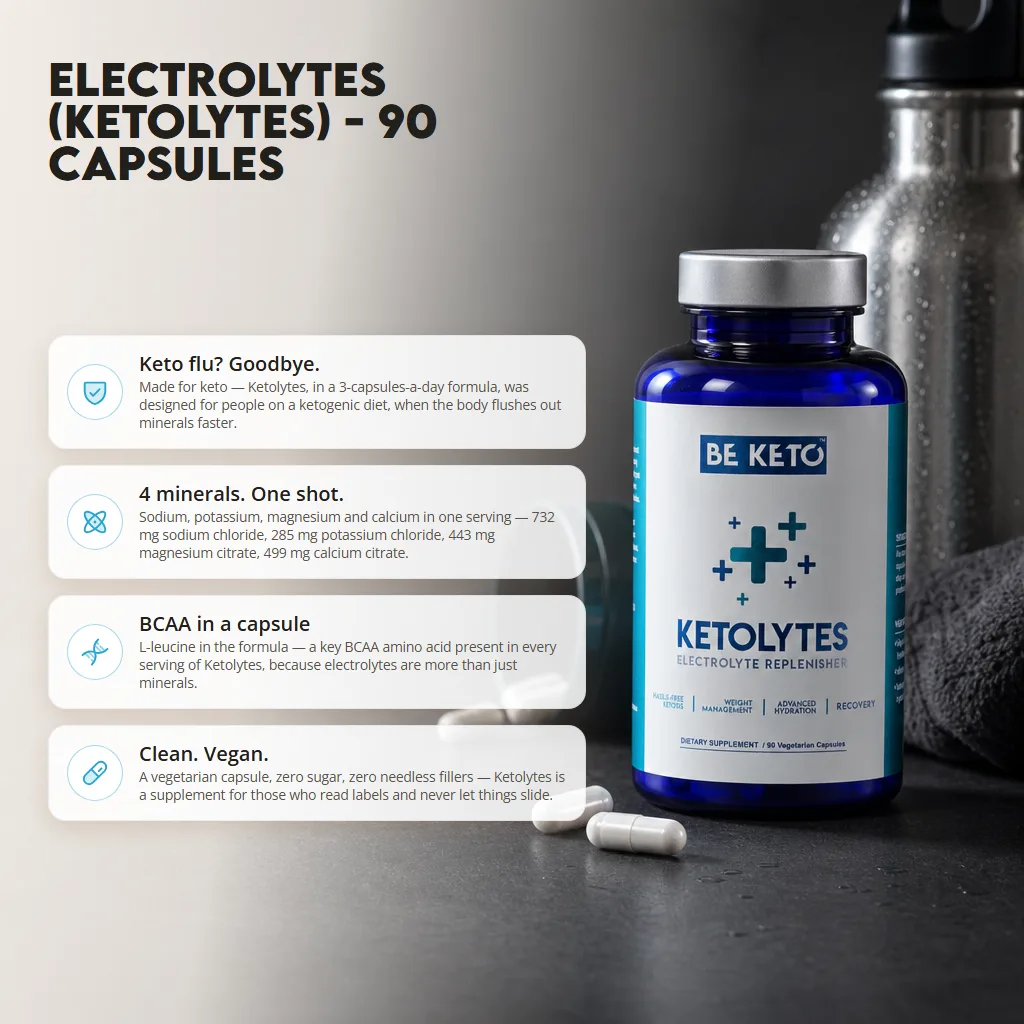
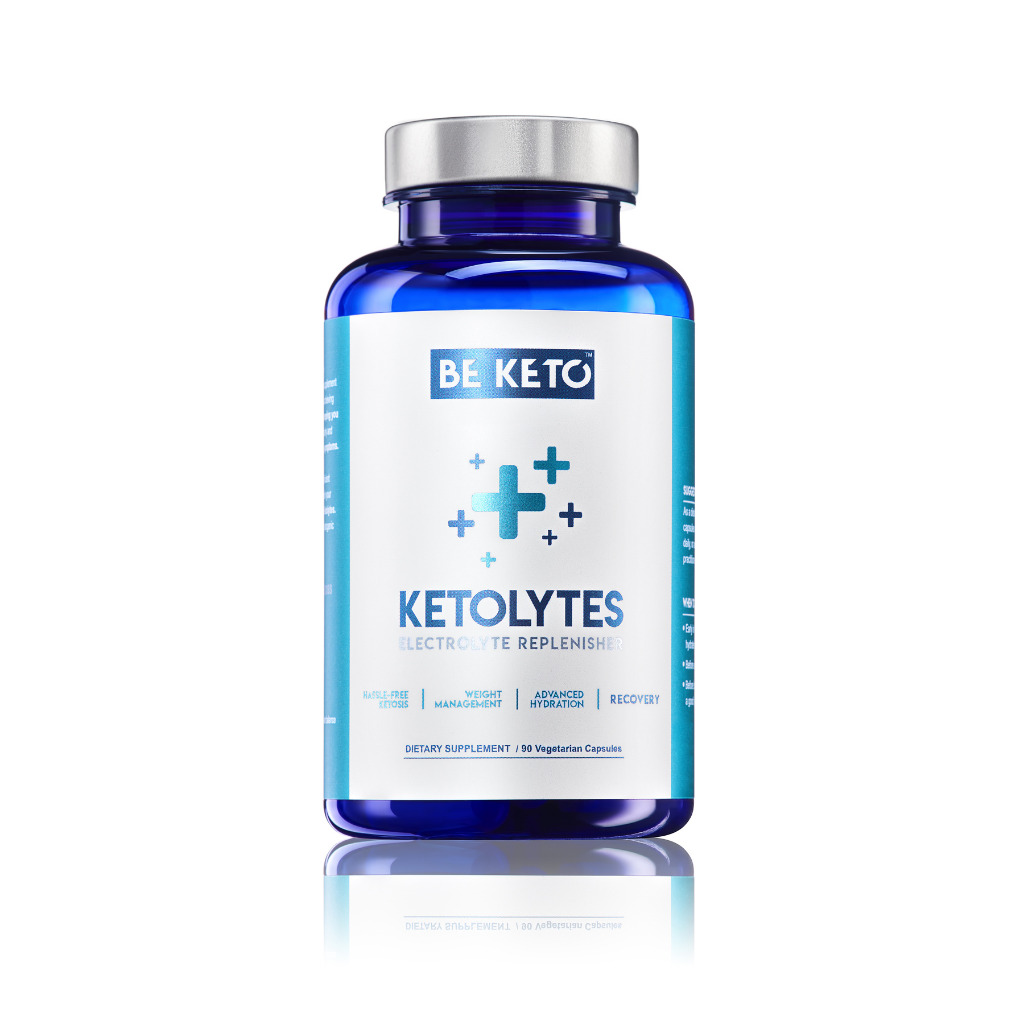
The capsules here fall into three groups: fat burner blends such as Keto Burn with 375 mg of L-carnitine tartrate and a Garcinia cambogia extract standardised to 60% HCA, electrolyte capsules with sodium, calcium, potassium and magnesium, and raspberry ketone capsules.
What no capsule does is decide whether you are in ketosis. That follows from how much carbohydrate you eat over the day, which is why the carbohydrate per serving is printed on every product page in this category.
What is in each type of keto supplement?
Each type of keto supplement supplies one thing: minerals, ketone salts, protein, fatty acids, vitamins or mushroom extract. The groups differ less in what they promise than in what one serving weighs and what it carries in carbohydrate.
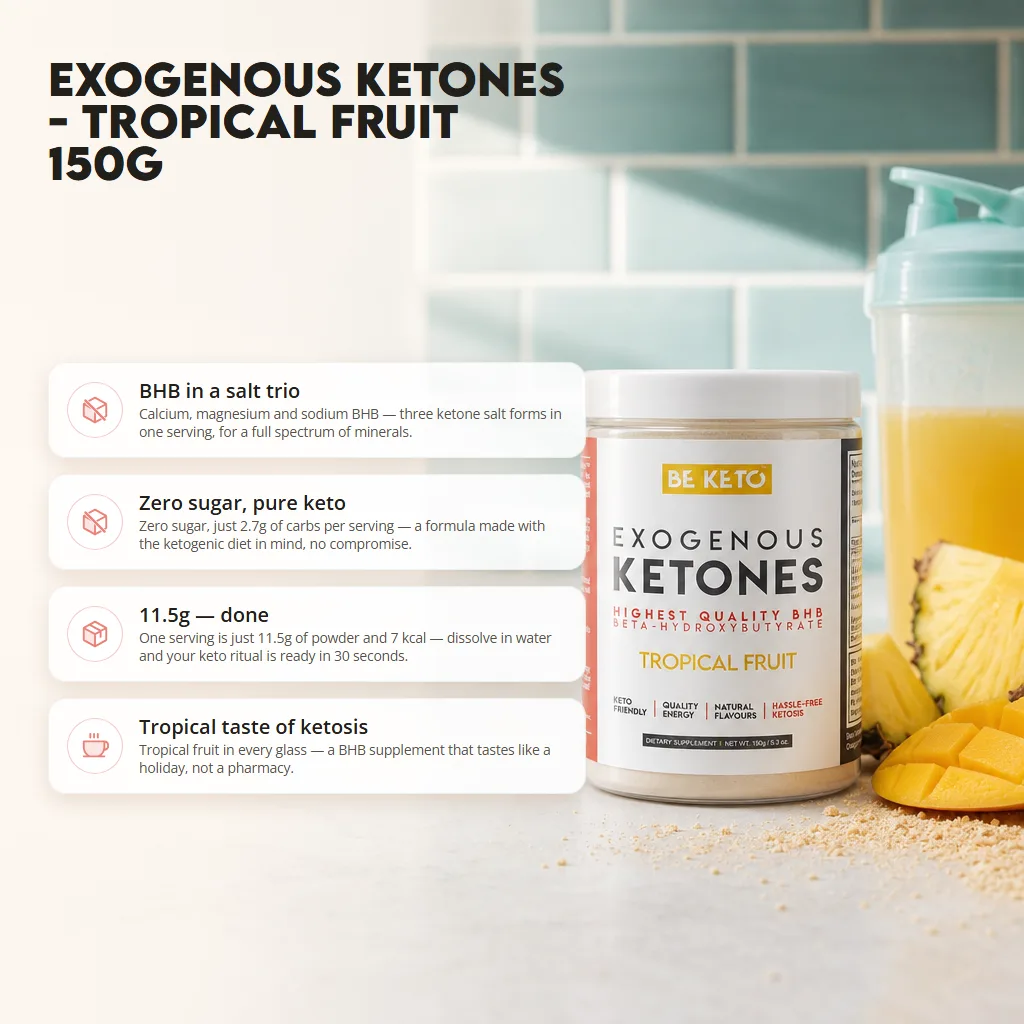
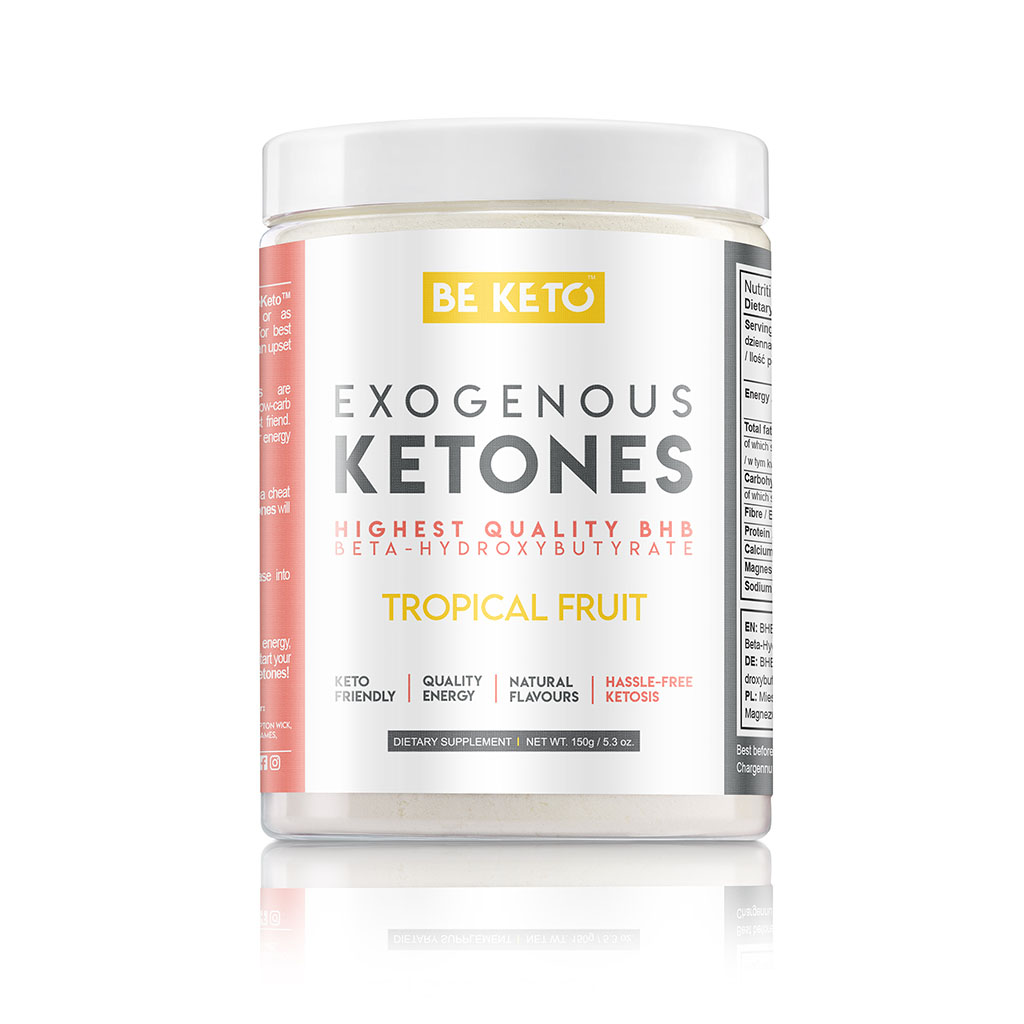
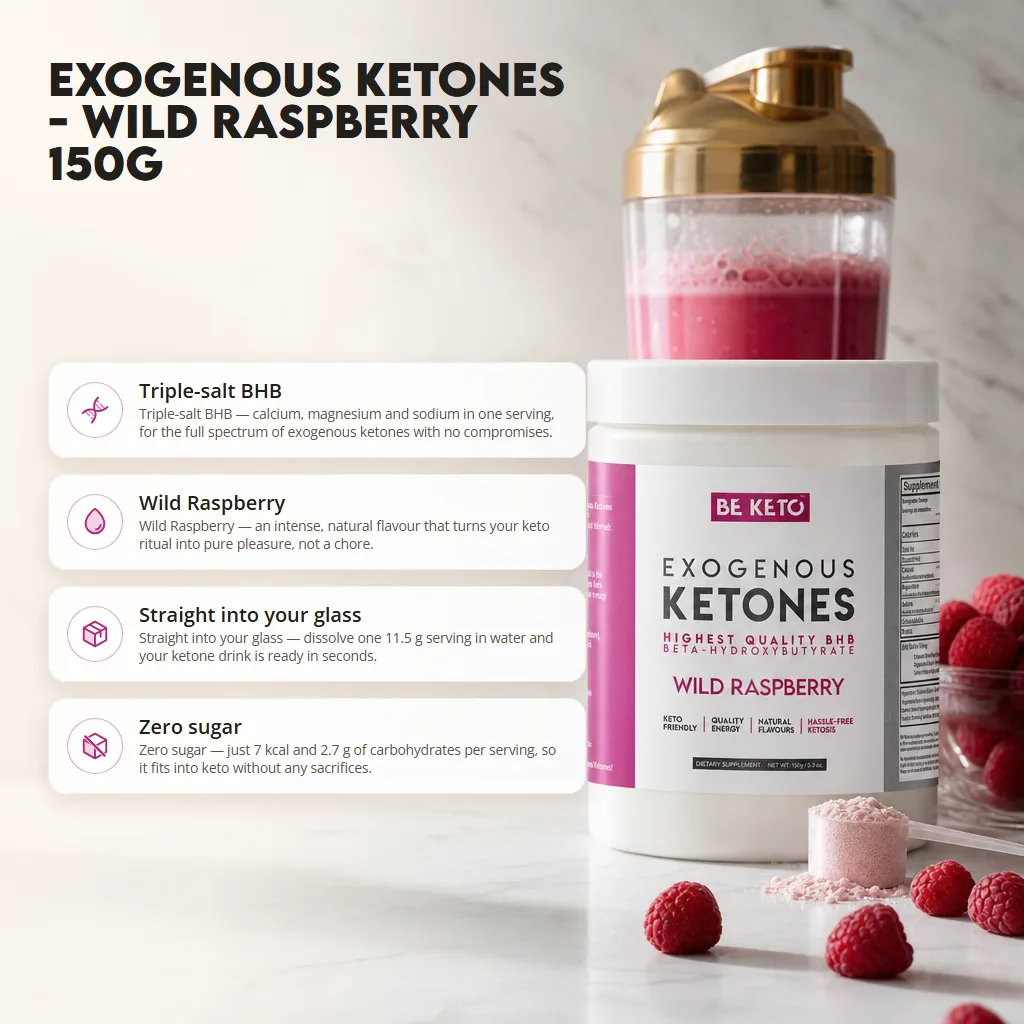
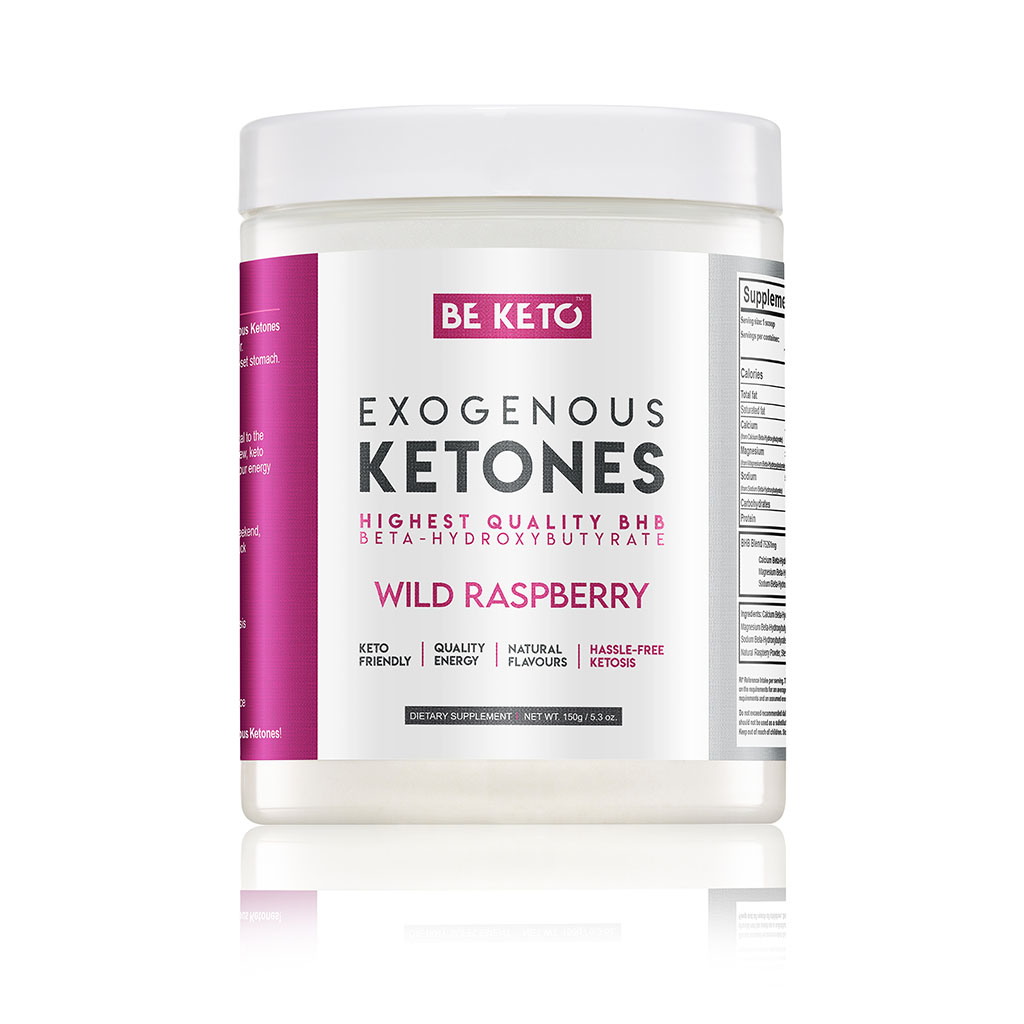
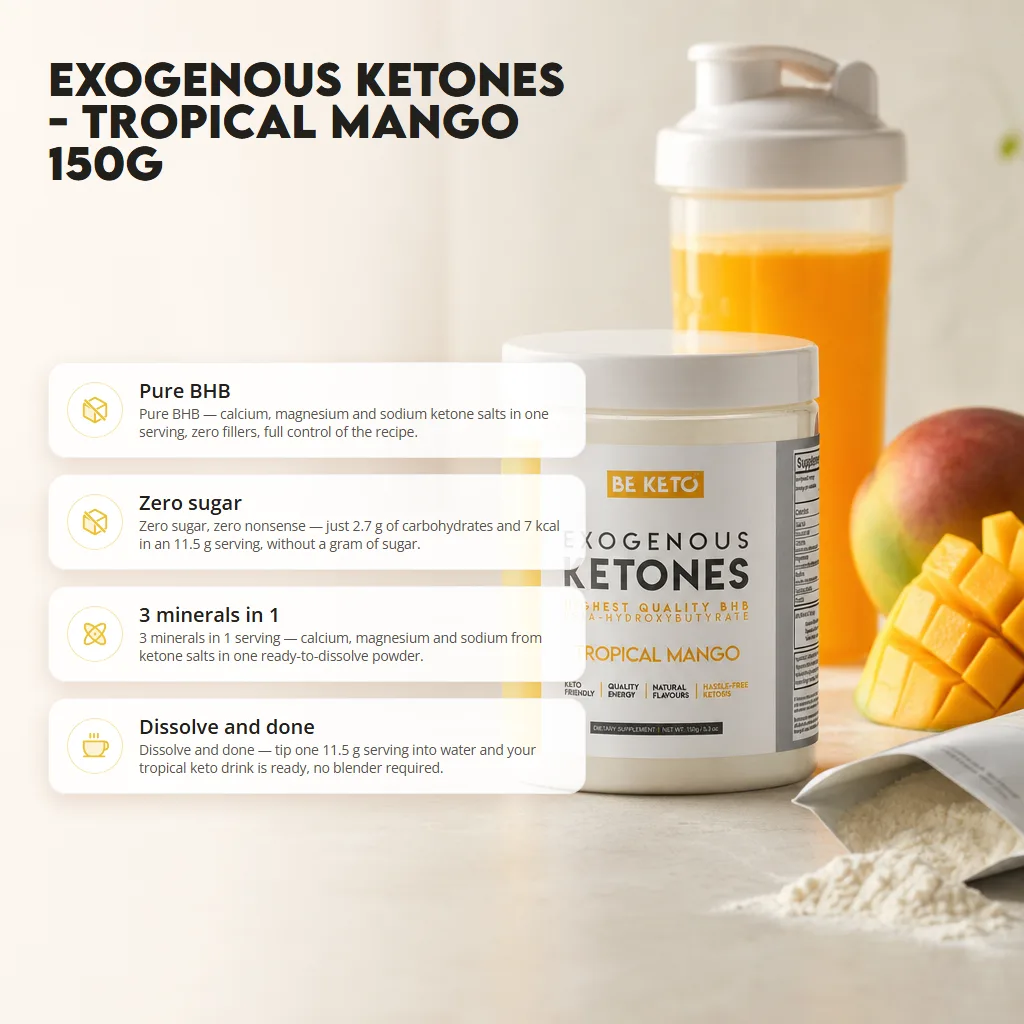
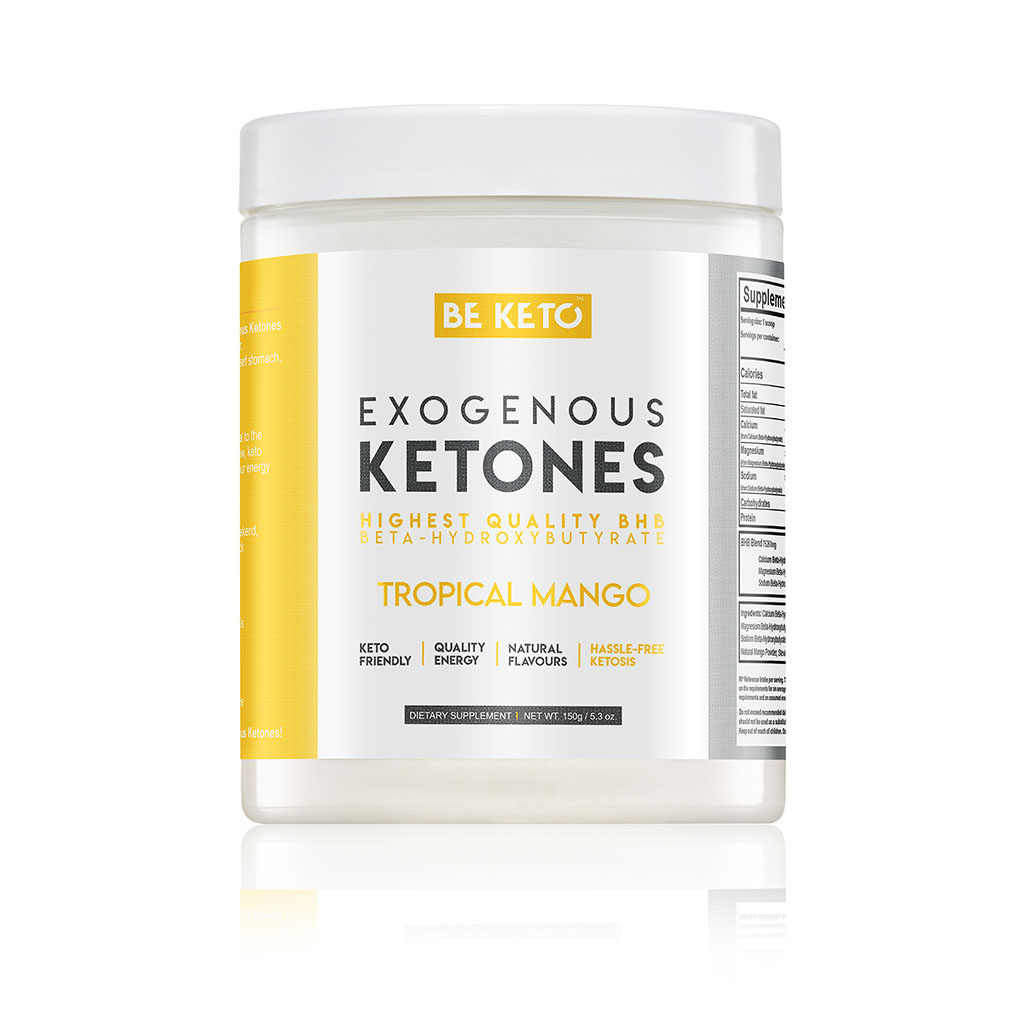
Exogenous ketone powders are calcium, magnesium and sodium salts of beta-hydroxybutyrate, flavoured with natural fruit powder, stevia and erythritol. A serving carries 7 kcal and 2.7 g of carbohydrate.
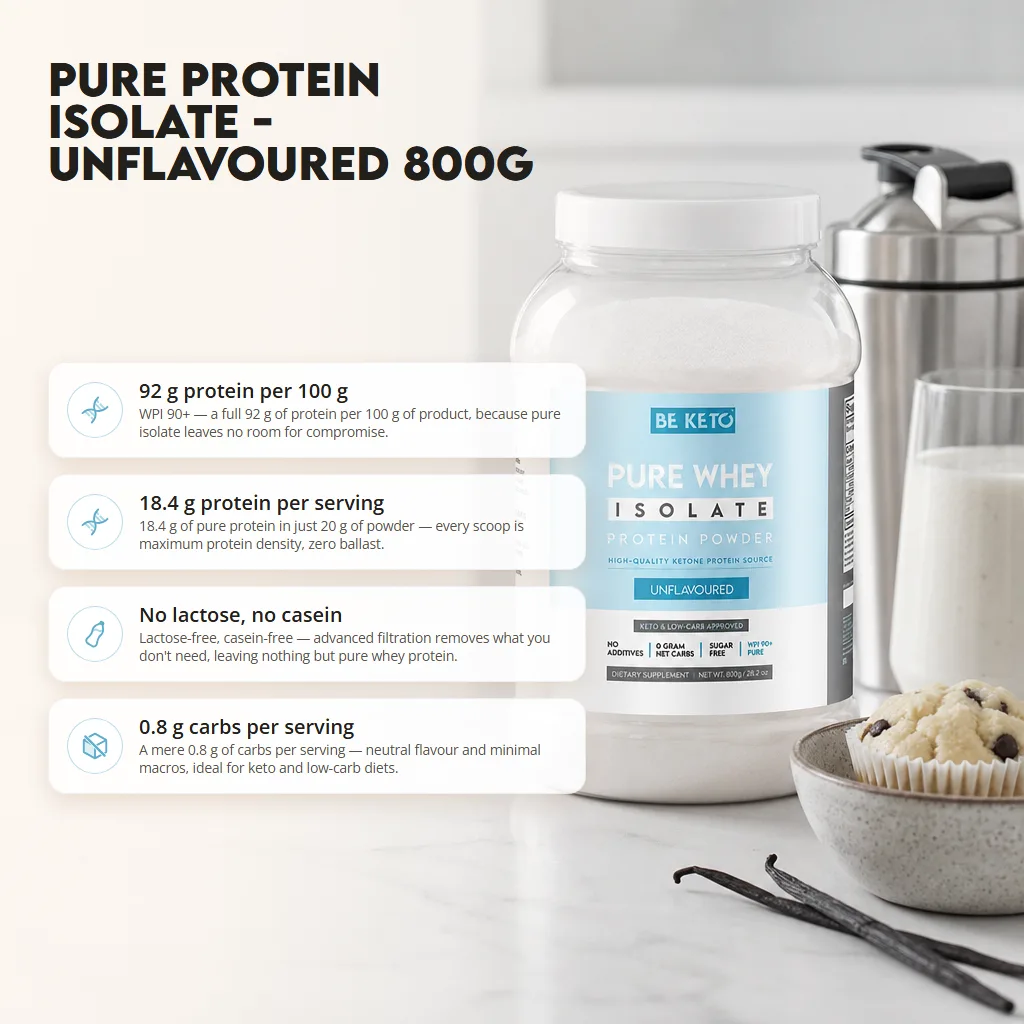
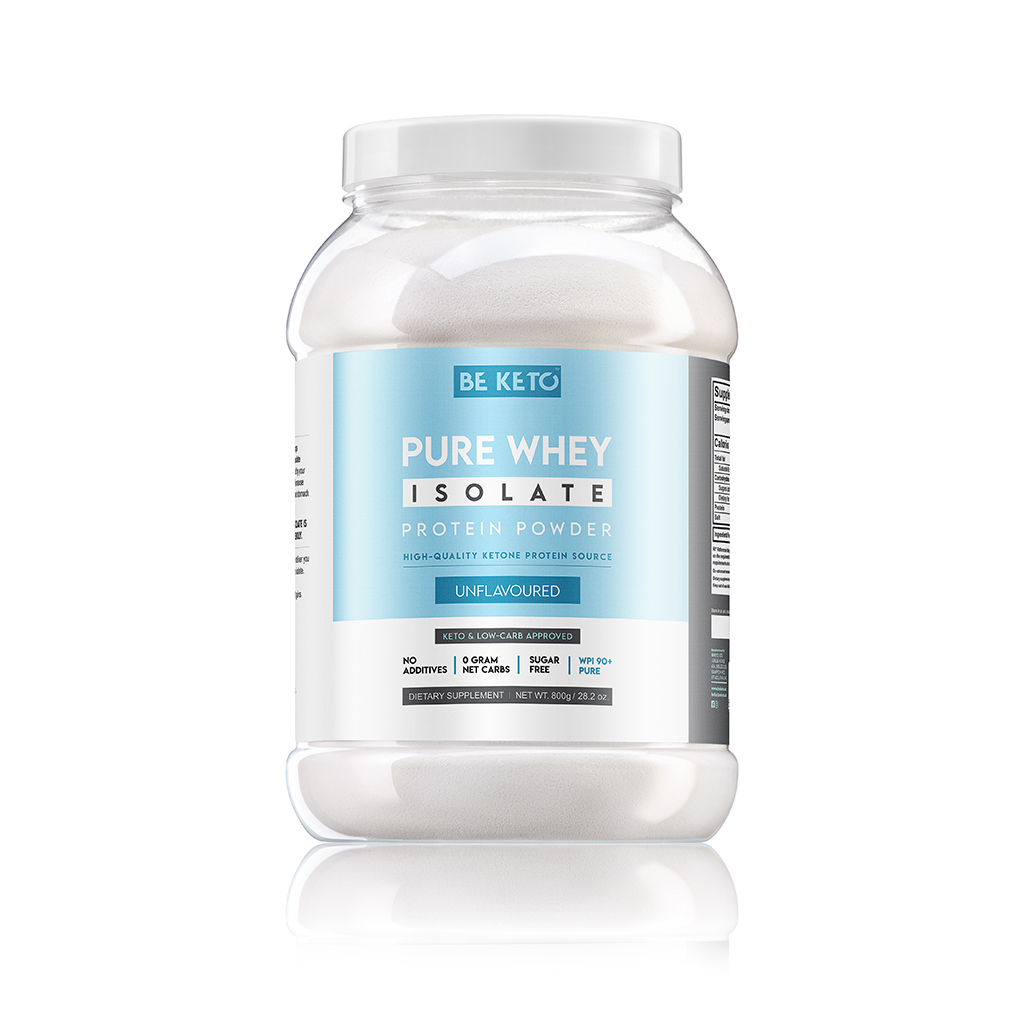
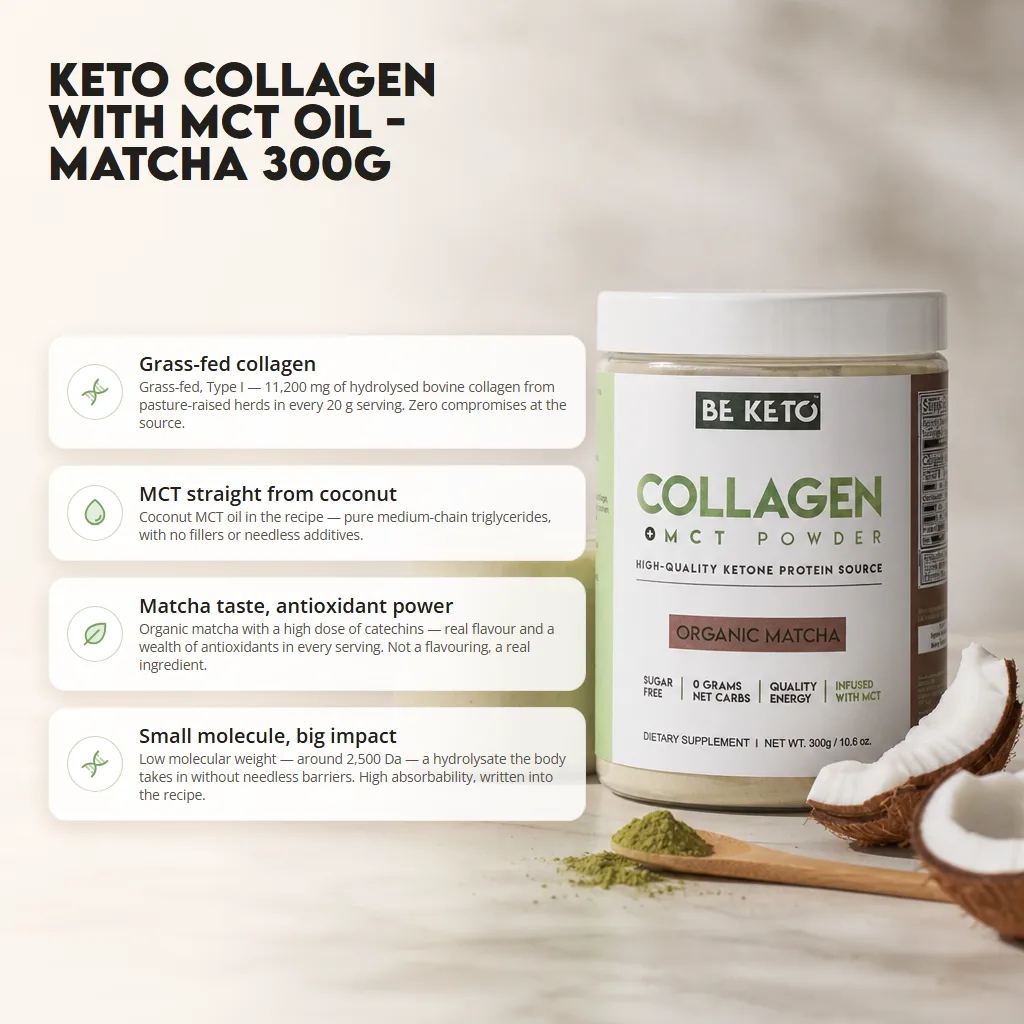
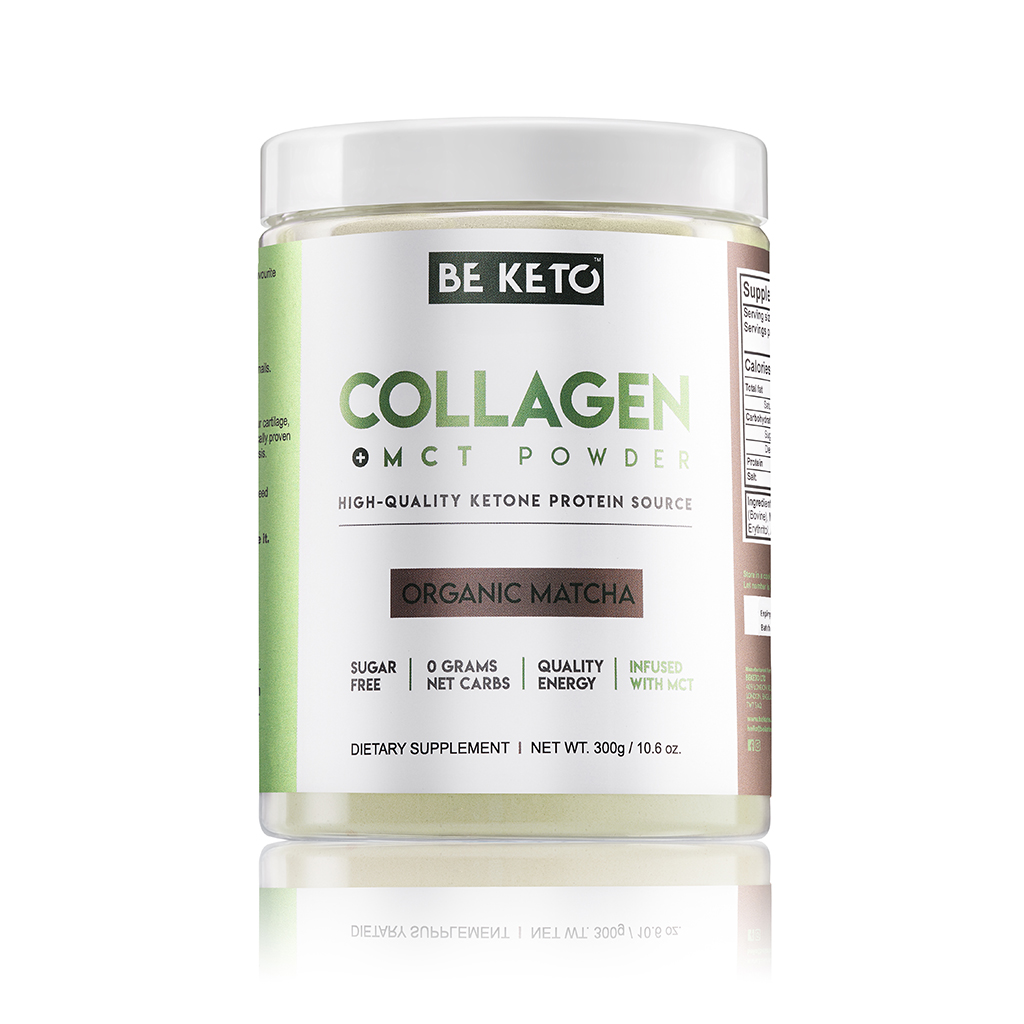
Protein and collagen blends run from 9 g to 18.4 g of protein per serving: 18.4 g in a 20 g scoop of Pure Whey Isolate at 92 g per 100 g, 14.4 g in Vegan Protein and 9 g in a 10 g scoop of Pure Beef Collagen.
All three are sources of protein under the labelling rules, and protein contributes to the maintenance of muscle mass. Nothing of the sort may be said about the collagen itself, so the pages give hydrolysed bovine collagen in milligrams and leave it there.
Fatty acids come as MCT powder inside the protein blends and as algae oil. One 5 ml serving of MEGA Omega 3 Vegan carries at least 750 mg of omega 3, of which 570 mg is DHA and 185 mg EPA, with no fish in the bottle.
DHA contributes to maintenance of normal brain function, and the beneficial effect is obtained with a daily intake of 250 mg of DHA. The plain oils sit on the separate MCT oils shelf, where the same fat comes without flavouring or protein.
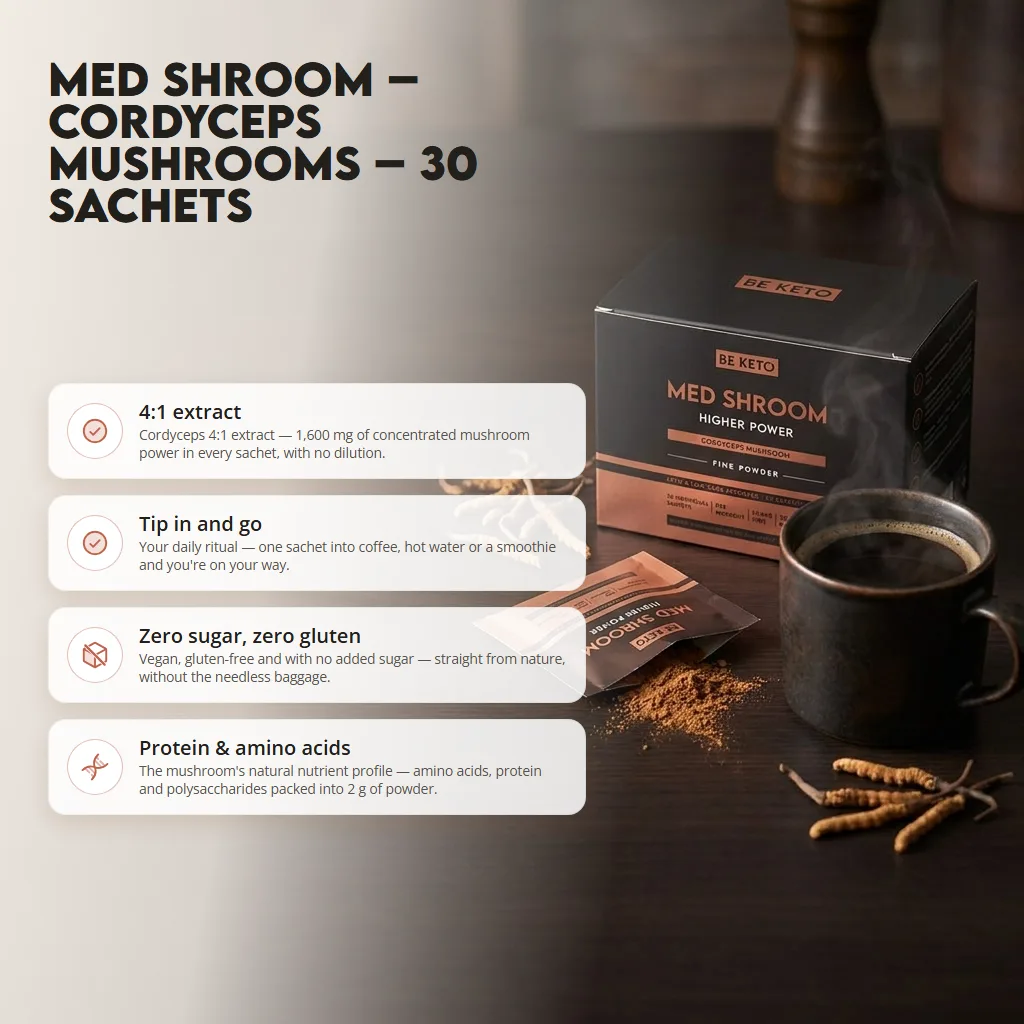
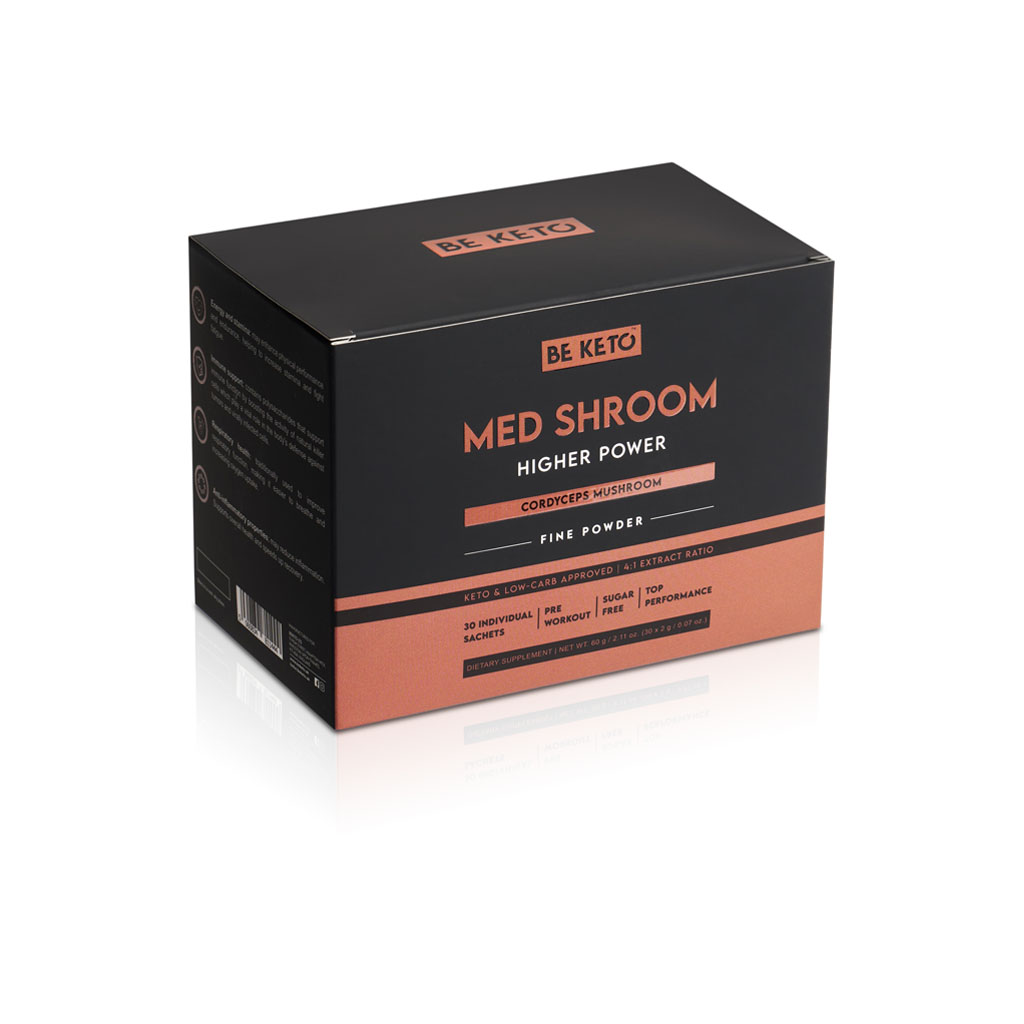
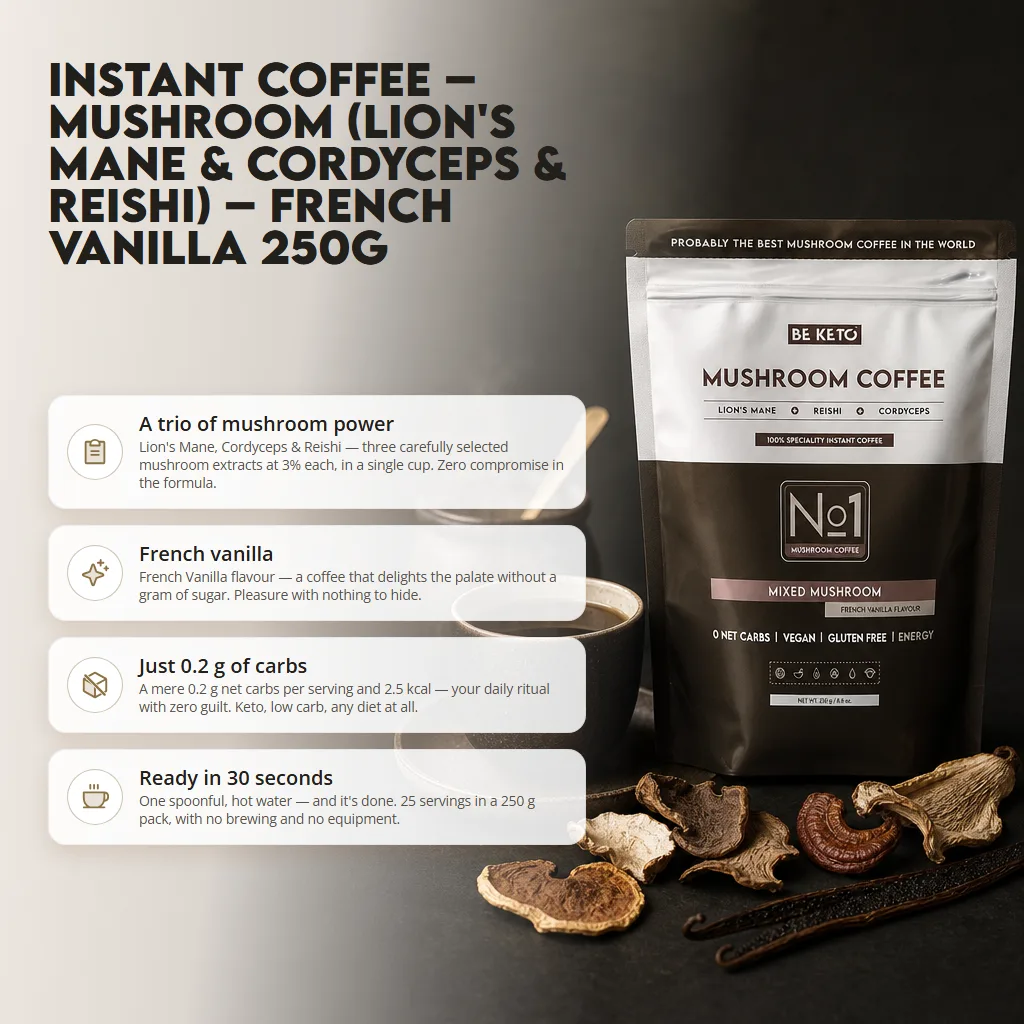
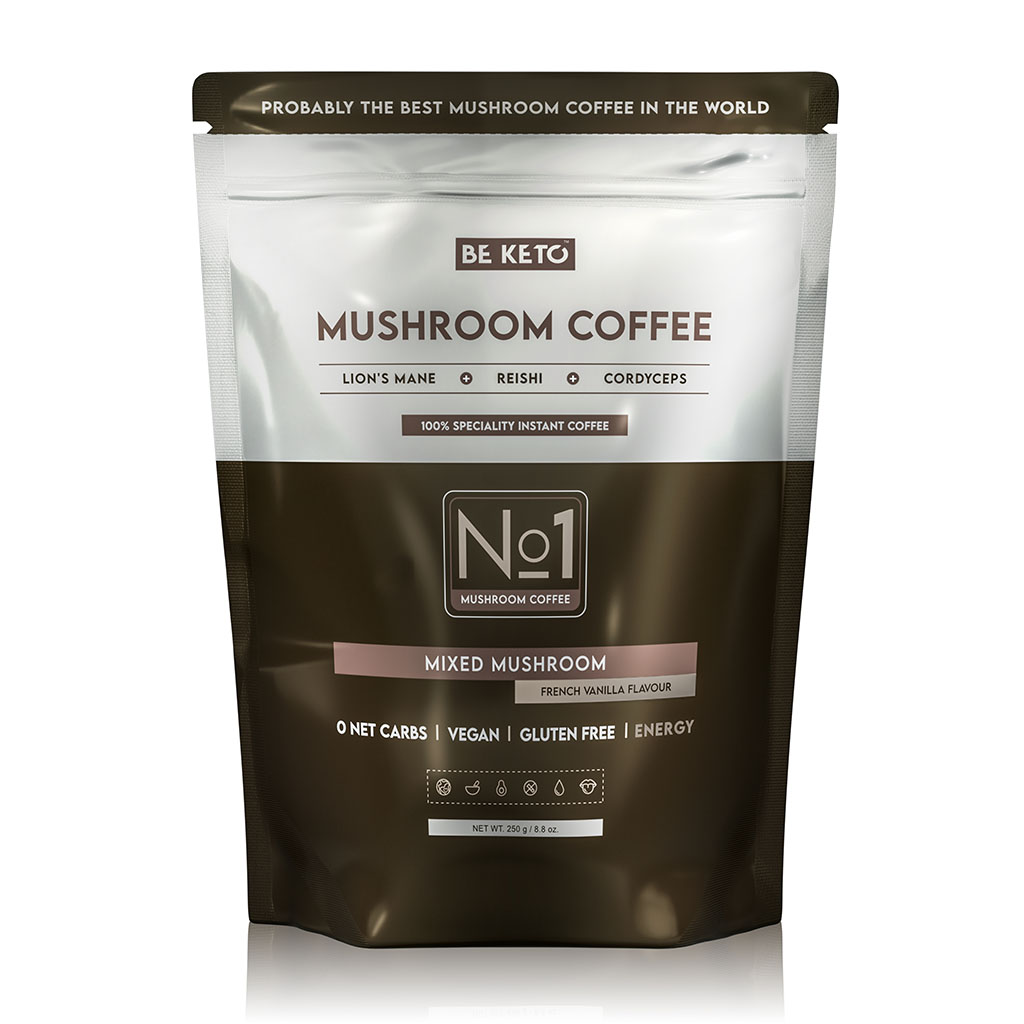
Mushroom sachets hold a 4:1 extract of lion's mane, cordyceps or reishi with 7 kcal and 1.3 g of carbohydrate a sachet, and creatine monohydrate is a single ingredient with 0 g of carbohydrate in a 5 g serving.
How do you take keto supplements during the day?
Most keto supplements here are taken as a drink, with servings from 3 capsules to 20 g of powder. The form decides the moment more than the ingredient does.
Powders go into water or into a shake: electrolytes and Keto Greens in 10 g scoops, protein and collagen in 20 g scoops, creatine in 5 g. Sachets of mushroom extract dissolve in hot water, and the Preworkout Shot comes ready to drink in a 60 ml bottle.
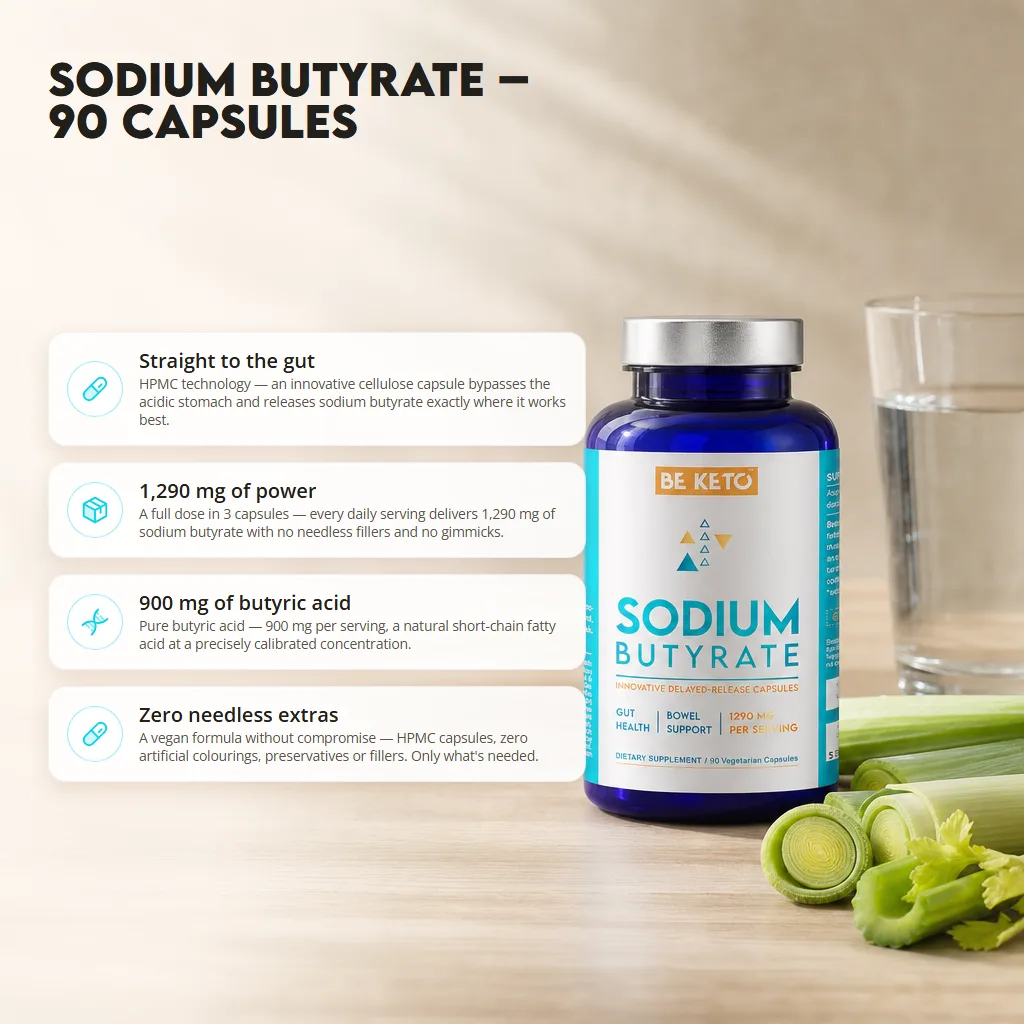
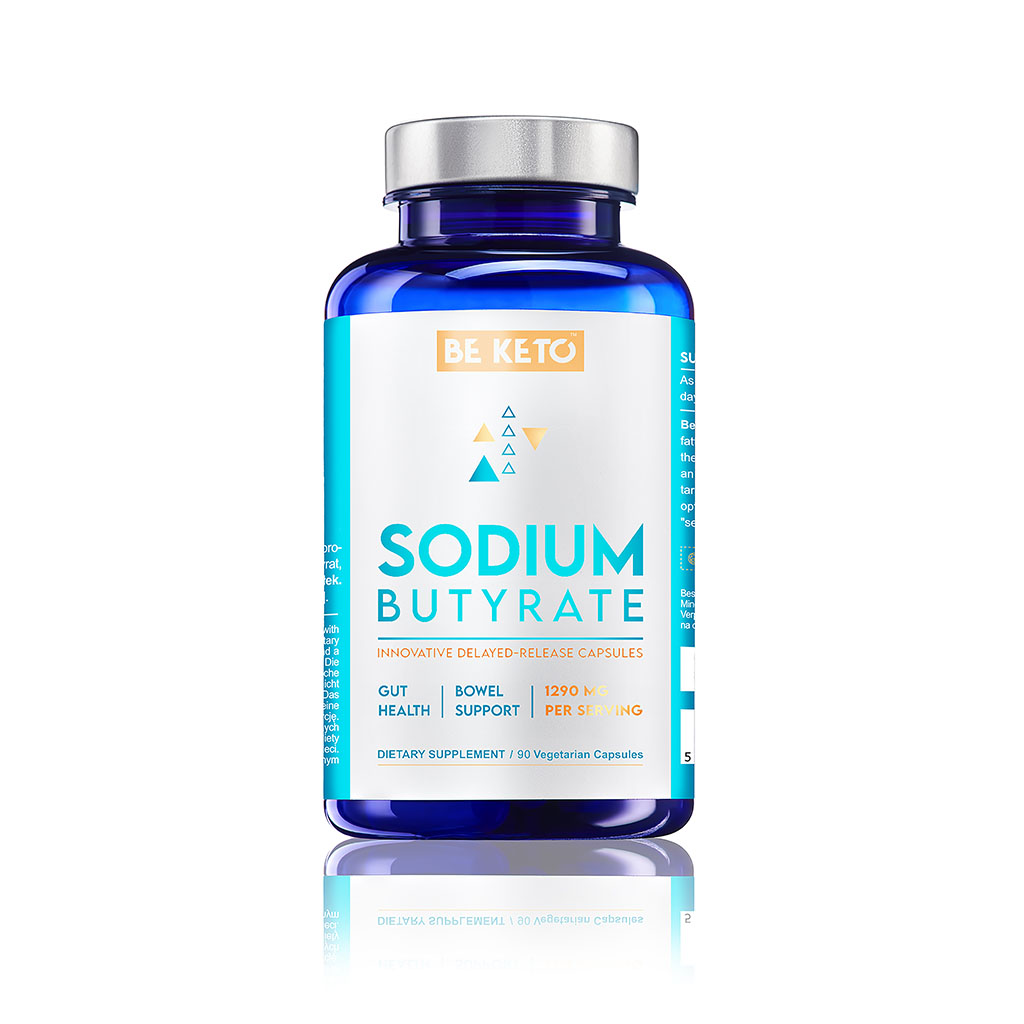
Capsules and drops go with a meal. Keto Electrolytes capsules and Sodium Butyrate are both 3 capsules per serving, which makes 30 servings a pack, and Vitamin D3 comes as drops in MCT oil so the dose can be counted out.
Caffeine is worth knowing by the number rather than by the feeling: each 60 ml Preworkout Shot holds 85 mg of it alongside 1,000 mg of taurine and 800 mg of beta alanine, and Keto Burn comes in a caffeine version as well.
What changes in the first days of a ketogenic diet?
In the first days of a ketogenic diet the body sheds water and the minerals dissolved in it. That is a shift in fluid balance, and it is the reason mineral intake is the part of the plan most people adjust first.
Nothing here changes that arithmetic. What an electrolyte blend does is put sodium, potassium, magnesium and calcium back on the plate in weighed amounts, so the figures on the tub matter more than the name on the front.
How much sodium depends on the tub, not on the category: the unflavoured Keto Electrolytes Powder carries 1,501 mg of sodium per 10 g serving against 110 mg in the four flavoured versions, at the same 376 mg of magnesium.
That makes the unflavoured tub the one to count against the salt in the rest of the day, while the flavoured tubs leave that choice open.
Compare this shelf on three numbers before you add anything to your basket: the carbohydrate per serving, the milligrams of each active, and the price per serving, which runs from £0.37 for creatine to £1.86 for flavoured collagen.
Frequently asked questions
What are 7 signs your body is in ketosis?
A blood reading is the only reliable check. Thirst, appetite change or a different breath odour are clues, not measurements: nutritional ketosis is defined as blood beta-hydroxybutyrate of 0.5 mmol/L or more, which a meter or ketone test strips read directly. The clues are gone through one by one in our note on signs of ketosis without testing.
Do you need supplements on a keto diet?
You do not need supplements by default. The foods dropped when carbohydrate goes down decide what, if anything, is worth adding, which in practice means minerals first and protein only when meals are short on it.
Can a supplement put you into ketosis?
No supplement puts you into ketosis. Ketosis follows from how much carbohydrate you eat, and a serving of exogenous ketone powder carries 2.7 g of carbohydrate itself, so it supplies ketone salts rather than standing in for the diet.
How much do keto supplements cost per serving?
Prices here run from £0.37 a serving. A 5 g serving of creatine monohydrate works out at £0.37 from a £21.90 tub, a 10 g serving of electrolyte powder at £0.95 from £18.90, and a 20 g serving of vegan protein at £1.16 from £28.90.
Are keto supplements suitable for vegans?
Some are, and the label says which. The pea, faba bean and almond protein, the algae oil omega 3 and the mushroom sachets are suitable for vegans, while whey isolate and bovine collagen are not. Several capsules use an HPMC shell, which is vegetarian rather than gelatine.
Can you buy keto supplements at Holland and Barrett or on Amazon?
Yes, and the label decides, not the shop. Whichever shelf you buy from, the three things worth comparing are the carbohydrate per serving, the milligrams of each active per serving and the number of servings per pack, because a low pack price with 20 servings is not the cheaper one.
Who should not take keto supplements?
Pregnancy, breastfeeding and prescribed medicine call for advice. Anyone in those situations, or under medical care, should speak to a doctor before adding any of these, and no supplement replaces a varied diet.
Are keto supplements regulated in the UK?
They are regulated as food, not as medicine. Only wording from the Great Britain nutrition and health claims register may be used about them, which is why these pages give milligrams per serving instead of promises for MCT, collagen, L-carnitine, caffeine and BHB.

 United KingdomCurrent regionDelivery within the United KingdomCurrency: Pound Sterling (£)
 GermanyDelivery within Germany and AustriaCurrency: Euro (€)
 FranceDelivery within France and BelgiumCurrency: Euro (€)
 ItalyDelivery within ItalyCurrency: Euro (€)
 PolandDelivery within Poland and EuropeCurrency: Zloty (PLN)
 Czech RepublicDelivery within the Czech Republic and SlovakiaCurrency: Czech Koruna (Kč)
 SpainDelivery within SpainCurrency: Euro (€)