
OFFICIAL STORE IN THE UNITED KINGDOM



Low carb diet – food list – what you should eat and what to avoid
Actually, it all depends on the variety of low-carbohydrate diet. On a typical and extremely non-restrictive low carb diet, you can eat practically anything that does not contain large amounts of simple sugars. However, it is necessary to maintain the correct proportions of the macronutrients contained in the meals in question in the daily menu, so as not to exceed the previously assumed values. This is what determines the effectiveness of the diet adopted and the final achievement of individual dietary goals that a low-carbohydrate diet can bring about. What to eat on a low carb diet?


What will you learn from the article?
What foods are allowed on a low-carbohydrate diet?
The low carb diet, which does not exclude high percentages of carbohydrates, offers a wide range of culinary and dietary possibilities when it comes to the products included in the menu. Indeed, a low-carbohydrate diet can take on many variations – depending on individual preferences, nutritional needs, health status or dietary goals. Just as there is no single definition of a low-carb diet – there is also no single best variation of a low-carb diet – the choice of diet should always be determined by individual factors.
The basis of the diet should be all low-carbohydrate products – those that are naturally low in sugars (e.g. eggs) and products without carbohydrates (e.g. meat), as well as those with an intentionally lowered carbohydrate content in the production process – as substitutes for typical foods, such as low-carbohydrate breads or low-carbohydrate flours for low-carbohydrate meals.
Protein
Protein plays a fundamental role in the body, performing a number of important biological functions. It is a key building block of tissues, including muscle, skin, hair and nails, making it essential for cell growth and regeneration. The amino acids of which proteins are made up also act as precursors to many enzymes, hormones and neurotransmitters, which affects the regulation of metabolic processes and the functioning of the nervous system. Regular consumption of adequate amounts of protein increases the feeling of satiety, supports physical health, but also mental health, improving concentration and mood. Where to find it?
Sources of protein in a low-carbohydrate diet include meat, fish, eggs and dairy, with a variety to meet the body’s needs and add variety to the menu. A balanced amount of dietary protein is key to achieving good health and maintaining a healthy body weight.
Meat
Meat is an excellent source of high quality protein (of course, it is good if the products themselves are also quality and from verified sources). Meat is carbohydrate-free, making it an ideal ingredient for a low-carbohydrate diet. Beef, pork, chicken and turkey all contain 0g of carbohydrates per 100g of product, so by including meat in your menu in the right quantities, you can effectively keep your diet low in carbohydrates while still providing your body with the nutrients it needs.
Fish
Fish is a great source of high-quality protein, but also valuable omega-3 fatty acids, which are beneficial for heart health and cardiovascular function. Salmon (0 g carbohydrates per 100 g), mackerel (0 g carbohydrates per 100 g) or sardines (0 g carbohydrates per 100 g) are non-carbohydrate foods that support energy balance by providing healthy fats, (and can also be the main energy source on a more restrictive low carb diet variant – the ketogenic diet).
Dairy
Dairy products are an important source of protein, calcium and also vitamin D. All of these components are essential for bone health and are supported by low-carbohydrate products such as natural yoghurt (4 g carbohydrate per 100 g), cottage cheese (3 g carbohydrate per 100 g), cheeses (e.g. mozzarella 2 g carbohydrate per 100 g) and milk (5 g carbohydrate per 100 g), among others. In a low carb diet, it is recommended to choose full-fat dairy products.
Low-carbohydrate vegetables
Valuable low-carbohydrate vegetables on the low-carb diet include broccoli (7 g carbohydrate per 100 g), spinach (1 g carbohydrate per 100 g), courgettes (3 g carbohydrate per 100 g) or cauliflower (5 g carbohydrate per 100 g) are rich in fibre, vitamins and minerals, while being low in calories. Their consumption is crucial in a low-carb diet – they provide essential nutrients and help maintain health. Fibre supports digestion and regulates blood sugar levels, which is particularly important for those aiming to lose weight or control glucose levels.

Low-carbohydrate fruits
Blueberries (6 g carbohydrate per 100 g), or raspberries (5 g carbohydrate per 100 g) are excellent sources of antioxidants, vitamins and healthy fats – they are low-carbohydrate fruits whose moderate consumption on a low-carb diet allows them to provide the body with natural sweetness and valuable nutrients. What other products should a low carb diet be rich in? Fruits that do not contain large amounts of sugar or fruits with more sugar but in very negligible amounts – these can be a great flavour enrichment for smoothies, salads or low-carbohydrate, healthy desserts.
Fats
Fats are a key component of a low-carbohydrate diet – they are the main source of energy in a ketogenic diet. It is worth choosing valuable fats that support health, such as olive oil (0 g carbohydrate per 100 g), coconut oil (0 g carbohydrate per 100 g), ghee butter (0 g carbohydrate per 100 g). Fats can help maintain satiety, reduce appetite, improve insulin sensitivity, reduce inflammation, support heart health and speed up metabolism (EPA and DHA fatty acids).
Nuts and seeds
Nuts and seeds are rich in healthy fats, protein and fibre. When it comes to the specific carbohydrate percentage values in the product, they rank as follows: almonds (10 g carbohydrate per 100 g), walnuts (7 g carbohydrate per 100 g), chia seeds (42 g carbohydrate per 100 g, of which 34 g is fibre), flaxseed (29 g carbohydrate per 100 g, of which 27 g is fibre). These products make excellent snacks and side dishes in a low-carbohydrate diet, adding nutritional value to dishes. Nuts and seeds have a low glycaemic index, making them very beneficial for maintaining stable blood sugar levels. They also contain many valuable nutrients – including vitamins, minerals and antioxidants, making them a valuable part of a healthy diet.
What not to eat on a low-carbohydrate diet?
As a low-carbohydrate diet involves restricting carbohydrate intake to promote weight loss and stabilise blood glucose levels, the list of eliminated or severely restricted foods includes most of the high-carbohydrate foods that only a low-carb diet should include. What not to eat to make a low-carbohydrate diet effective? What to exclude and what to limit?
Cereal products
Cereal products, such as bread, pasta, rice, cereals and baked goods of all kinds, are rich in carbohydrates, making them one of the main items to eliminate in a low-carbohydrate diet. Cereals contain starch, which, when consumed, is quickly converted into glucose, leading to an increase in insulin levels and promoting fat deposition. In addition, these products often have a high glycaemic index, causing blood sugar to rise quickly and then fall, leading to feelings of hunger and snacking. Instead of traditional cereal products, it is advisable to turn to healthier alternatives, which are low-carbohydrate products – rich in fibre and protein.
What can I replace bread with on a low-carbohydrate diet?
On a low-carbohydrate diet, there are many alternatives to traditional bread that allow you to enjoy a variety of meals. Excellent substitutes include almond flour bread, which contains around 10g of carbohydrates per 100g, and coconut flour bread, which has around 20g of carbohydrates but is rich in fibre. Vegetable pancakes, such as courgette or cauliflower, can make a great base for sandwiches, while lettuce leaves, such as romaine lettuce, are ideal for creating wraps with a variety of fillings. Egg pancakes, such as omelette or frittata, can also be used as a bread substitute. In addition, there are low-carbohydrate pita breads and bread made from seeds, such as linseed, which are rich in fibre and healthy fats. For hot dishes, shrimp or fish can be used instead of bread, providing a wholesome meal. These various alternatives allow you to maintain a low-carbohydrate diet while keeping your dishes tasty and varied.
-
Out of stock
 Rich In Protein And FibreBESTSELLER
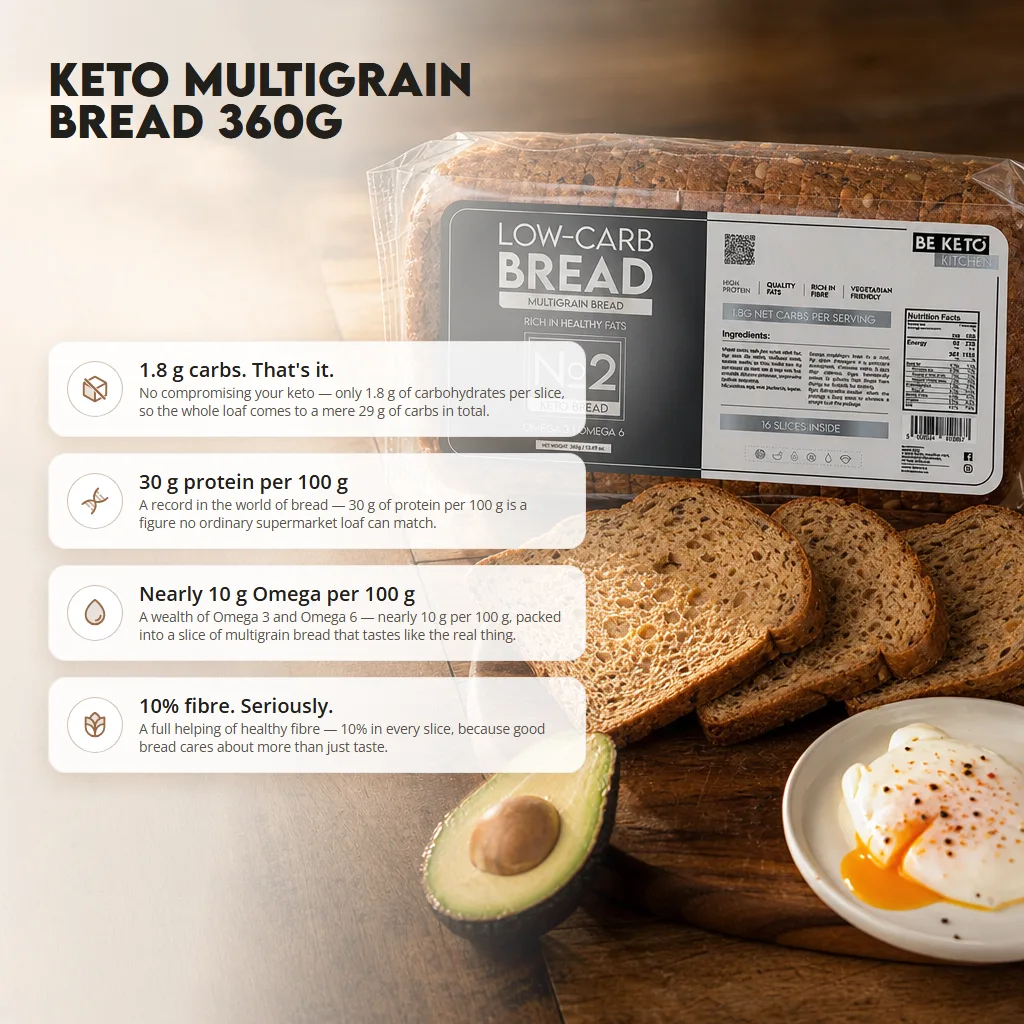
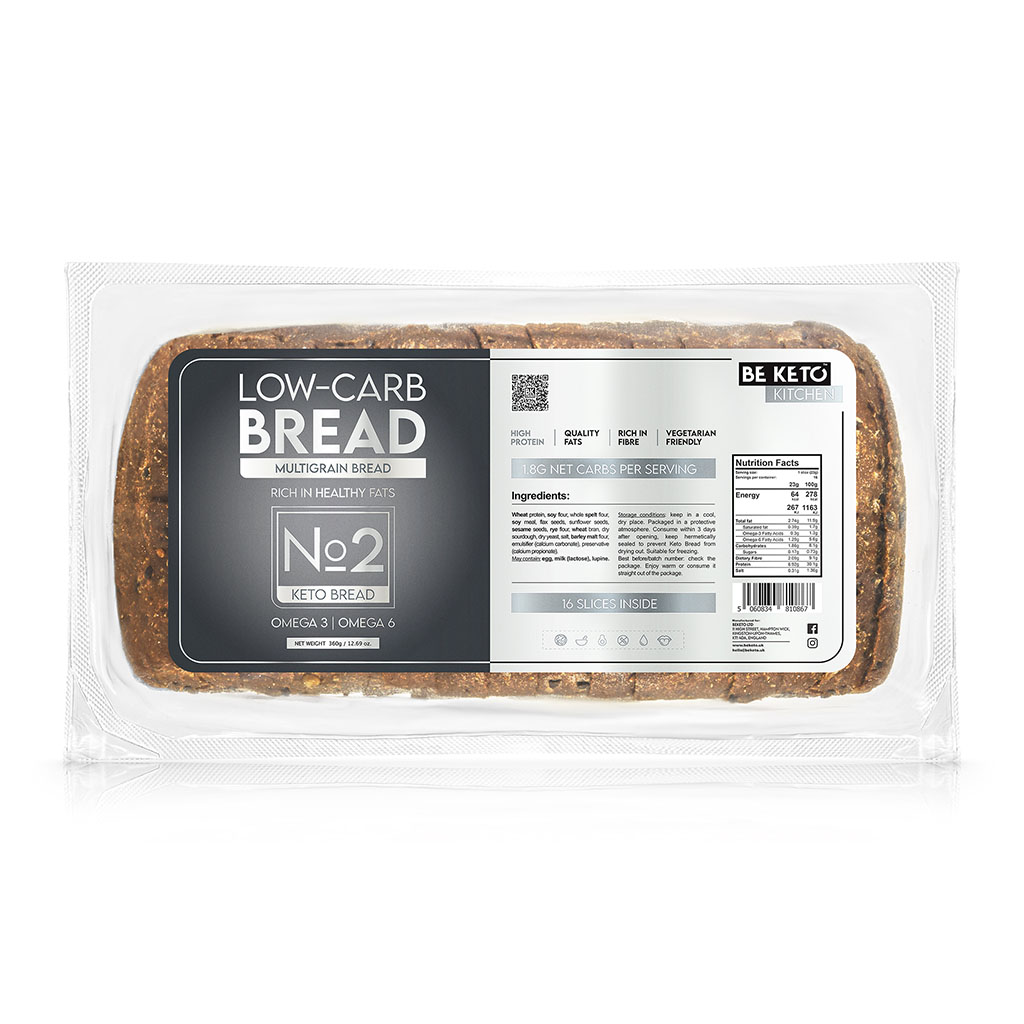
Keto Multigrain Bread 360g
£ 6.79 GBP✔ The only bread that contains up to 30 g of protein per 100 g!
✔ Contains almost 10 g of OMEGA 3 and OMEGA 6 acids per 100 g
✔ Only 1.8 g of carbohydrates per slice
✔ Nutritious and filling
-
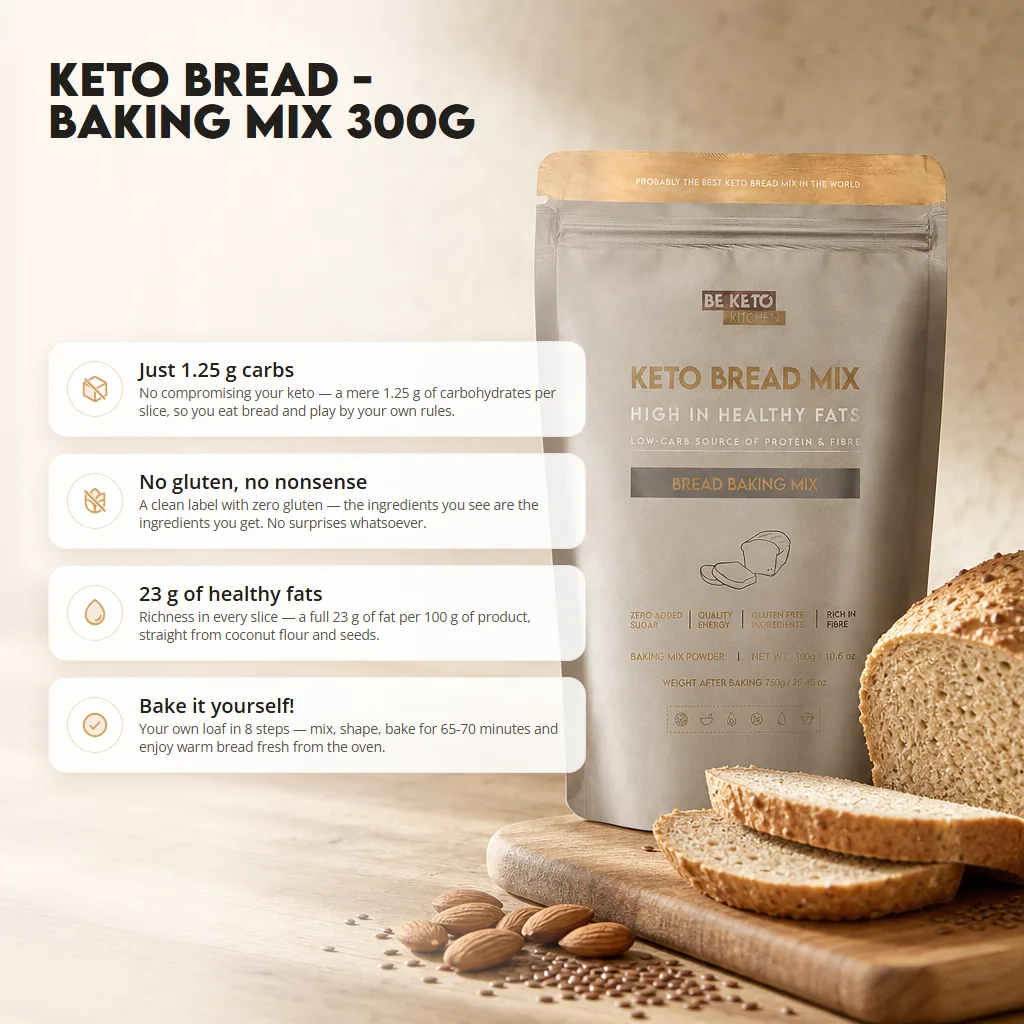
 1.25 g Carbohydrates Per Serving
Keto Bread – Baking Mix 300g
£ 6.79 GBP✔ Incredibly delicious, gluten-free and rich in protein
✔ Up to 23 g of healthy fats per 100 g of product
✔ BeKeto guarantee - super baking!
✔ Only 1.25 g carbohydrates per slice
✔ Nutritious and filling
Are there low-carbohydrate flours?
Yes – there are a variety of low-carbohydrate flours on the market that are excellent alternatives to traditional wheat flour. Here are a few of them:
- Almond flour – this is one of the most popular low carbohydrate flours, containing around 10g of carbohydrates per 100g. Almond flour is rich in protein and healthy fats, making it ideal for baking.
- Coconut flour – contains around 20g of carbohydrates per 100g, including a high fibre content, which aids digestion. Due to its moisture-absorbing properties, coconut flour requires additional liquids in recipes.
- Hazelnut flour – is a low-carbohydrate flour that has a pleasant nutty flavour, perfect for baking and as an addition to smoothies.
- Soy flour – rich in protein, soy flour is low in carbohydrates (around 30g per 100g) and is often used in recipes for low-carbohydrate breads and cakes.
- Flaxseed flour – contains about 29 g of carbohydrate per 100 g, of which 27 g is fibre. Flax flour can be used in bread baking and as an ingredient in dishes to support heart health and digestion.
Sweets and sweetened drinks
On a low-carbohydrate diet, avoid sweets and sweetened drinks, which are high in carbohydrates, especially simple sugars. Products such as chocolates, cakes, cookies, sweets and fizzy drinks, fruit and energy juices often contain large amounts of fructose and glucose, which quickly raise blood sugar levels. Consumption of these products can lead to insulin spikes, which in turn promote fat accumulation and can trigger hunger. Instead of traditional sweets, it is better to reach for healthier alternatives, such as sugar-free sweets that use sugar substitutes such as erythritol, stevia or xylitol, which are low in carbohydrates and do not negatively affect blood glucose levels.
Fruits with a high sugar content
Fruit is a valuable source of vitamins, minerals and fibre, but some fruits are high in natural sugars, making them less suitable for people on a low-carbohydrate diet. Examples of fruits high in sugar include bananas, grapes, mangoes, pineapples and dates, which can provide significant amounts of carbohydrates. Instead of these fruits, it is better to choose lower sugar fruits such as blueberries, raspberries, strawberries or avocados, which are not only low in carbohydrates, but also rich in antioxidants and fibre, which promotes health.
Starchy vegetables
Starchy vegetables such as potatoes, yams, corn and peas are high in carbohydrates and should be limited or eliminated in a low-carbohydrate diet. Starch, which is the main component of these vegetables, is quickly converted into glucose after consumption, leading to a rise in blood sugar levels. Instead of starchy vegetables, it is advisable to consume low-carbohydrate vegetables such as broccoli, cauliflower, courgette, spinach or lettuce, which provide essential nutrients and fibre, while not significantly increasing the carbohydrate supply of the diet.
What instead of potatoes on a low carbohydrate diet?
On a low-carbohydrate diet, there are a number of tasty and healthy alternatives to potatoes to maintain meal variety. Cauliflower is a popular substitute, ideal for making a mash that perfectly mimics traditional potatoes (it contains only 5g of carbohydrates per 100g). Broccoli (around 7g of carbohydrates per 100g) also works well as a side dish for meats, and courgettes can be spiralized for ‘pasta’ or grilled. Roasted radishes, low in calories and low in carbohydrates (around 3g per 100g), have a crunchy texture, ideal as a snack. Although yams contain more carbohydrates (around 20 g per 100 g), they are rich in fibre and vitamins, so can be eaten in moderation. Pumpkin, either fresh or mashed, and celery (about 3 g of carbohydrates per 100 g) are also excellent substitutes. Prawns and fish, on the other hand, can replace potatoes as a complete source of protein, adding nutritional value and flavour to meals. These alternatives allow for a creative culinary approach to a low-carbohydrate diet, while keeping the food interesting in terms of taste and texture.
What to eat for breakfast on a low-carbohydrate diet?
Breakfast on a low carb should be high in protein and healthy fats, while low in carbohydrates. Egg omelettes with vegetables such as spinach, tomatoes or peppers, which provide fibre and nutrients, are a good choice. You can also prepare poached eggs served over avocado or with roasted vegetables. Other worthwhile breakfast options include a smoothie based on almond milk with protein powder and berries or Greek yoghurt with nuts and seeds. Instead of traditional bread, go for bread made from almond or coconut flour. Above all, it is important to avoid carbohydrate-rich products such as breakfast cereals, wheat bread or fruit with a high sugar content.
Summary
The low-carbohydrate diet, also known as the low-carb diet, focuses on limiting carbohydrate intake, which allows the body to burn fat more efficiently and regulate blood sugar levels. The key components of this diet are protein and healthy fats, which help to maintain a feeling of satiety and energy stability. Its use can significantly improve health and comprehensively improve wellbeing.
Bilbiography
View all
[1] The Dukan Diet Review: Does It Work for Weight Loss?, Healthilne, 2018: https://www.healthline.com/nutrition/25-best-diet-tips
[2] The Dukan Diet: What It Is, How It Works and What Experts Say: U.S. News, 2024: https://health.usnews.com/best-diet/dukan-diet
[3] US News Health, (2022). Best Diets Overall 2022 [online]. U.S News Health [Dostęp 04.11.2022]. Dostępny w: https://health.usnews.com/best-diet/best-diets-overall
[4] Palascha, Aikaterini, Ellen van Kleef, and Hans CM van Trijp. „How does thinking in Black and White terms relate to eating behavior and weight regain?.” Journal of health psychology 20.5 (2015): 638-648.
[5] Weigle D., A high-protein diet induces sustained reductions in appetite, ad libitum caloric intake, and body weight despite compensatory changes in diurnal plasma leptin and ghrelin concentrations, American Society for Clinical Nutrition 2005; 82(1): 41-48.
[6] Brehm B.J., D’Alessio D.A. Benefits of high-protein weight loss diets: enough evidence for practice? Curr Opin Endocrinol Diabetes Obes. 2008; 15(5): 416-421.
[7] Wasfy, Meagan M., and Aaron L. Baggish. „Exercise dose in clinical practice.” Circulation 133.23 (2016): 2297-2313.


