OFFICIAL STORE IN THE UNITED KINGDOM



What Breaks a Fast? Foods to Avoid and What to Break a Fast With
Intermittent fasting involves periodically abstaining from food, which allows the body to enter a state of autophagy and optimize insulin management. However, many people unknowingly break their fast by consuming beverages or supplements that affect metabolism, impacting the body's insulin economy and disrupting the autophagy process. That's why it's crucial to understand exactly which ingredients can stimulate insulin secretion, provide calories, or interfere with autophagy - in this article, we'll analyze what actually breaks a fast, which beverages are safe, and which products are worth avoiding to achieve maximum health benefits.


What will you learn from the article?
Do Calories Break a Fast?
Any amount of calories technically breaks a fast because it provides energy to the body, which can lead to increased insulin levels and inhibition of autophagy. However, the impact of calories depends on their source — fats, for example from a small amount of butter or MCT oil, have minimal effect on insulin, while carbohydrates and protein quickly raise it. In practice, consuming up to 10-15 calories, for instance from a bit of milk in coffee, doesn’t always completely negate the benefits of fasting, but exceeding this limit may restrict the metabolic effects resulting from intermittent fasting.
Not all beverages are neutral during fasting — some can significantly stimulate insulin or provide additional calories to the body, instantly breaking autophagy. Water, tea, and coffee without additives are appropriate during fasting, whereas juices, milk, plant-based drinks, or sweetened liquids trigger the body’s metabolic response. Zero-calorie drinks can also affect insulin levels, depending on the sweeteners used. It’s therefore worth choosing beverages that don’t disrupt autophagic and metabolic processes, and also maximize the effects of intermittent fasting.
Does Drinking Coffee Break Intermittent Fasting?
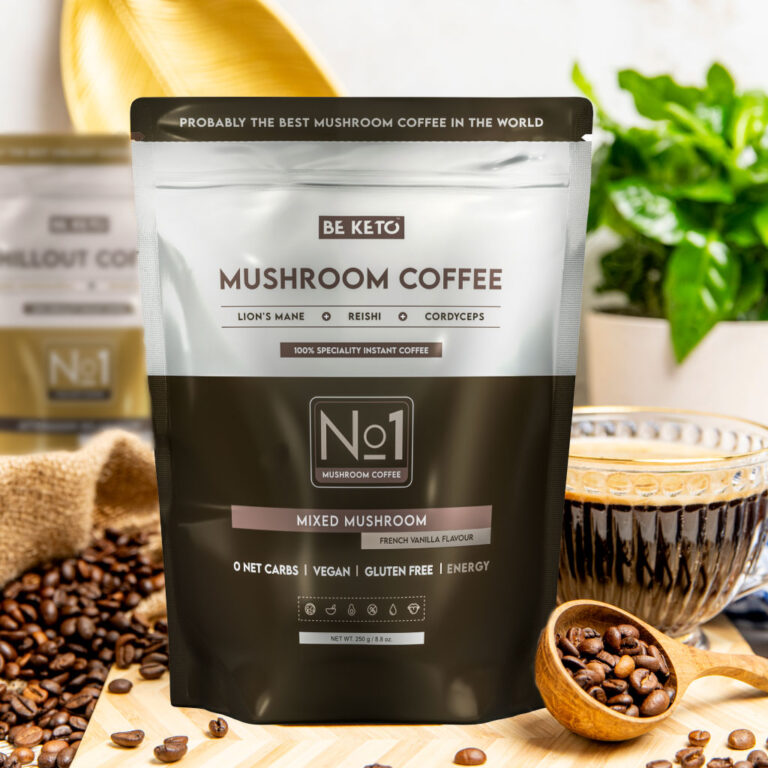
Black coffee contains no calories and doesn’t raise insulin levels, so it doesn’t break a fast. Additionally, it can support metabolism by increasing thermogenesis and intensifying lipolysis, or fat burning. Caffeine also stimulates autophagy, making coffee one of the best beverages during intermittent fasting. However, adding milk, sugar, or syrups changes its effect on the body (depending on the additives) by introducing calories and stimulating insulin secretion, which is not beneficial outside the eating window.
Does Tea Break a Fast?
Teas – both black, green, and herbal – are completely safe to consume during fasting outside the eating window as long as they don’t contain additives in the form of sugar, milk, or certain sweeteners. Additionally, the properties of specific teas can support the body and increase fasting effectiveness – green tea, for example, helps burn fat and regulates blood glucose levels, while herbal teas like mint or chamomile can have a soothing effect on the digestive system.
Does Lemon Water Break a Fast?
A few drops of lemon juice in water doesn’t provide a significant amount of calories and shouldn’t break a fast. However, a larger amount of lemon juice contains fructose (a type of fruit sugar), which can stimulate insulin secretion in the body, working against the fast. It’s best to limit yourself to drinking plain water or water with a small amount of lemon – so as not to disturb the metabolic effects.
Do Zero-Calorie Drinks Break a Fast?
Zero-calorie drinks theoretically contain no calories, but despite this, they can affect insulin secretion – especially if they contain aspartame, sucralose, or acesulfame K. Some studies suggest that sweeteners can increase appetite and change gut microbiota, which can further weaken the effects of fasting. Stevia and erythritol show less impact on the body, but this may vary depending on the individual.
Which Supplements Break a Fast?
Some supplements – especially those containing calories – can break intermittent fasting. However, sugar-free electrolytes containing sodium, magnesium, and potassium are permissible and even recommended, as they help maintain electrolyte balance and prevent body weakness. On the other hand, vitamin supplements in the form of oil capsules may contain fats that provide calories, but their impact on the body remains minimal.
Caffeine supplements (coffee, green tea) — sugar-free supplements containing caffeine, such as coffee, green tea, or some fat burners can help increase energy, improve concentration, and stimulate fat-burning processes.
Do Artificial Sweeteners Break a Fast?
The impact of artificial sweeteners on intermittent fasting depends on their type and individual body response. Although most sweetening substances, such as aspartame, sucralose, or acesulfame K, contain no calories and don’t directly raise blood glucose levels, they can stimulate sweet taste receptors in the mouth and digestive tract, leading to insulin secretion through the cephalic phase of the food response mechanism. This is important in the context of autophagy, as even small insulin spikes can inhibit the activity of mTOR kinase, a key regulator of cellular catabolism.
Additionally, the impact of artificial sweeteners on gut microbiota can modulate energy metabolism and inflammation. Studies indicate that sucralose and aspartame can change the composition of bacterial flora, leading to gut dysbiosis, which can affect insulin sensitivity and glucose management. In the context of intermittent fasting, disrupted microbiota may limit the metabolic benefits resulting from increased metabolic flexibility and ketogenesis.
Sweeteners such as erythritol and stevia act differently in the body than aspartame or sucralose. Erythritol is a sugar alcohol that is almost entirely excreted in urine, so it doesn’t affect blood sugar levels or insulin. Stevia, on the other hand, contains compounds that can interact with taste receptors and the hormonal system, potentially stimulating insulin secretion. However, their long-term impact on metabolism is not yet well understood. Some studies suggest that they may affect processes regulating fat management and energy utilization, which may be significant for weight control and metabolic health.
What to Break a Fast With
During fasting, it’s worth choosing beverages and supplements that don’t affect insulin levels or provide calories. Water, black coffee, tea, and electrolytes will be the safest. However, you should avoid milk, sweetened beverages, juices, and supplements containing calories. Artificial sweeteners can also have various effects on the body, so it’s best to limit their consumption. A conscious approach to fasting allows maximizing metabolic and health benefits, so that intermittent fasting becomes a natural, health-promoting element of everyday life.
Here are some of the best foods to break a fast with:
- Bone broth – easy to digest, rich in minerals and amino acids
- Fermented foods – yogurt, kefir, sauerkraut help restore gut bacteria
- Cooked vegetables – easier to digest than raw ones
- Fruits with low glycemic index – berries, apples provide gentle carb intake
- Healthy fats – avocado, olive oil don’t cause insulin spikes
- Eggs – complete protein source that’s gentle on digestion
- Nuts and seeds – small handful provides good fats and protein
When breaking your fast, it’s best to start with light, easily digestible foods and gradually move to more substantial meals. This approach supports your digestive system and helps maintain the metabolic benefits gained during fasting.
Bilbiography
View all
- Wang, P., Li, J., Li, C. G., Zhou, X., Chen, X., Zhu, M., & Wang, H. (2025). Restoring Autophagy by Exercise Ameliorates Insulin Resistance Partly via Calcineurin-Driven TFEB Nuclear Translocation. Clinical and experimental pharmacology & physiology, 52(3), e70010. https://doi.org/10.1111/1440-1681.70010
- Rebello, C. J., Zhang, D., Anderson, J. C., Bowman, R. F., Peeke, P. M., & Greenway, F. L. (2025). From starvation to time-restricted eating: a review of fasting physiology. International journal of obesity (2005), 49(1), 43–48. https://doi.org/10.1038/s41366-024-01641-0
- Grundler, F., Mesnage, R., Ruppert, P. M. M., Kouretas, D., & Wilhelmi de Toledo, F. (2024). Long-Term Fasting-Induced Ketosis in 1610 Subjects: Metabolic Regulation and Safety. Nutrients, 16(12), 1849.
- Garza-González, S., Nieblas, B., Solbes-Gochicoa, M. M., Altamirano, J., & García, N. (2022). Intermittent Fasting as Possible Treatment for Heart Failure. Current vascular pharmacology, 20(3), 260–271. https://doi.org/10.2174/1570161120666220610151915https://doi.org/10.3390/nu16121849