
OFFICIAL STORE IN THE UNITED KINGDOM



INTERMITTENT FASTING
Proper approach to intermittent fasting and extended fasting protocols is essential. We are here to provide detailed and accessible information about fasting methods, ideally suited to your lifestyle and health goals.
You'll find all about different fasting protocols, health benefits and how to implement them safely, as well as advice on how to incorporate fasting effectively into your daily routine and long-term wellness plan.
Our fasting and nutrition experts share their knowledge and experience, helping you understand how the right fasting approach supports your health and metabolic goals: improving insulin sensitivity, promoting cellular autophagy, supporting weight management and enhancing mental clarity. And that's not all! You will also find here practical advice on fasting protocol selection, timing strategies and their integration into your lifestyle. This is the ideal place for people who are looking for reliable information about intermittent fasting, regardless of their current experience level.
You'll find all about different fasting protocols, health benefits and how to implement them safely, as well as advice on how to incorporate fasting effectively into your daily routine and long-term wellness plan.
Our fasting and nutrition experts share their knowledge and experience, helping you understand how the right fasting approach supports your health and metabolic goals: improving insulin sensitivity, promoting cellular autophagy, supporting weight management and enhancing mental clarity. And that's not all! You will also find here practical advice on fasting protocol selection, timing strategies and their integration into your lifestyle. This is the ideal place for people who are looking for reliable information about intermittent fasting, regardless of their current experience level.

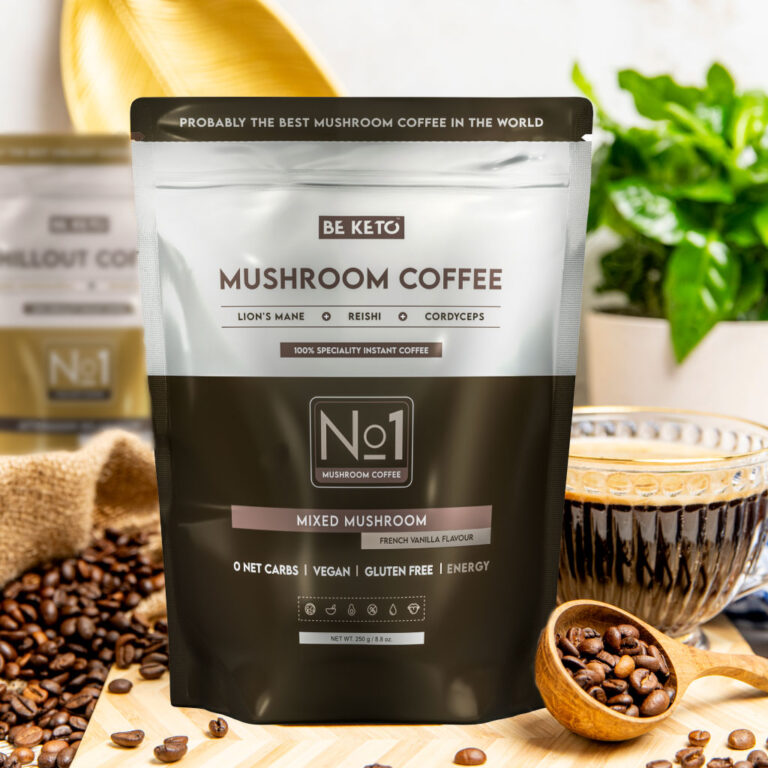
Can You Drink Coffee While Intermittent Fasting: What’s Allowed and What Breaks Your Fast?
Coffee is one of the most important daily rituals for many, which is why questions about its place in intermittent fasting evoke such emotion... Does morning black coffee break a fast? What about a splash of milk? Can you add cinnamon or sweetener? These seemingly simple questions conceal complex biochemical mechanisms that determine the success or failure of your entire nutritional strategy. The good news is that coffee can be not only permitted but actually supportive during intermittent fasting, as complex bioactive compounds contained in coffee beans may assist fat burning processes, alleviate hunger feelings, and improve concentration during nutritional abstinence periods. However, the key lies in understanding which additions preserve fasting benefits and which may completely negate them. In this article, we discuss the impact of various additions on metabolic processes, present practical strategies for modifying coffee habits, and indicate potential pitfalls that may sabotage your fasting goals.

Intermittent Fasting for Women: How to Do It Healthily?
Intermittent fasting is one of the most effective health strategies of the 21st century, however the standard "one size fits all" approach can be not only ineffective for women but actually harmful. The female body is a hormonally complex structure, where oestrogen, progesterone, testosterone, and cortisol exist in delicate balance, responding sensitively to every nutritional stress signal. This guide presents a revolutionary, scientifically justified approach to intermittent fasting tailored to the unique needs of female metabolism. We'll discuss safe methods (14:10, 16:8), strategies adapted to different life phases - from reproductive years through menopause, the impact of menstrual cycles, and specific nutritional protocols. Through fully conscious nutritional approach, you'll achieve all the benefits of fasting - from weight loss to anti-ageing effects - without compromising your health and hormonal balance.

72 Hour Fast: How It Works, Benefits, and Safe Implementation Guide
In an era of constant food accessibility, a three-day water fast represents a radical return to the natural nutritional cycles that have shaped human physiology for millennia. This is far more than a dietary trend - it's a metabolically documented scientific intervention that can fundamentally transform how the body functions at a cellular level. This comprehensive guide presents all aspects of the 72 hour fast - from mechanisms of action, through health benefits, to potential risks and safety protocols.

Stages of Fasting: Complete Timeline and Benefits Guide
Intermittent fasting and extended fasting have become some of the most popular health strategies in recent years, but did you know that your body goes through five different metabolic phases during fasting? Each stage of fasting brings unique health benefits - from blood sugar stabilisation to immune system regeneration. Understanding what happens in your body at specific moments during fasting will help you maximise benefits and better adapt your fasting strategy to your health goals.

What Breaks a Fast? Foods to Avoid and What to Break a Fast With
Intermittent fasting involves periodically abstaining from food, which allows the body to enter a state of autophagy and optimize insulin management. However, many people unknowingly break their fast by consuming beverages or supplements that affect metabolism, impacting the body's insulin economy and disrupting the autophagy process. That's why it's crucial to understand exactly which ingredients can stimulate insulin secretion, provide calories, or interfere with autophagy - in this article, we'll analyze what actually breaks a fast, which beverages are safe, and which products are worth avoiding to achieve maximum health benefits.

How Long Should You Do Intermittent Fasting? A Complete Guide
Intermittent fasting is a nutritional strategy based on alternating periods of eating and abstaining from food, which can be implemented both short-term and long-term. The duration of its application depends on individual goals, health status, and implementation method. Many people use fasting to reduce body weight, improve insulin sensitivity, or optimize metabolic functions, but an increasingly common question arises – how long can you safely practice fasting? Is this a method suitable for lifelong application, or does it require cyclical breaks? You'll find answers to these and other questions below.

30 Day Intermittent Fasting Results: How Your Body Changes in a Month
Intermittent fasting has gained enormous popularity among people seeking an effective method to improve health and reduce body weight. This dietary method, based on alternating periods of meal consumption and abstaining from food within specific time frames, has proven to be a simpler and more effective alternative to typical diets. What exactly is intermittent fasting, and what results does it deliver after a month of regular practice? How does the body change during this dietary method, and when do the first noticeable changes appear?

20/4 Intermittent Fasting – Rules, Effects and Is It Worth It?
The 20/4 intermittent fasting is a very advanced form of intermittent fasting, consisting of a 20-hour fasting window and a 4-hour eating window. This schedule forces an intense metabolic adaptation of the body, which can result in efficient improvement of insulin sensitivity, activation and increase of autophagy, and effective reduction of fat tissue. However, 20/4 fasting is quite demanding, so it won't work for everyone - its implementation requires a conscious approach to meal composition and proper energy balance. How to achieve it and properly adapt to the 20/4 fasting type? You'll find answers to these questions below.

12/12 Intermittent Fasting – Rules, Effects and Is It Worth It?
Intermittent fasting involves introducing a daily routine divided between eating time (the so-called eating window) and fasting time. The mechanism of action for this nutritional strategy is based on regulating insulin management, improving digestion, and reducing inflammation, which can effectively support metabolic health and promote gradual fat tissue reduction. Compared to more rigorous dietary restrictions present in other types of intermittent fasting, the 12/12 model is much easier to implement - especially for people just starting their journey with intermittent fasting. It's also a great strategy for anyone looking for a way to stabilize energy levels throughout the day and regulate their circadian rhythm. Why else should you stick to fasting hours, and how does it relate to total nutritional needs? You'll find answers to these and many other questions below.

Intermittent Fasting 14/10 – Rules, Effects and Meal Plan
Intermittent fasting 14/10 is a milder form of fasting compared to the popular 16/8 scheme, making it a good option for beginners and those who don't want to restrictively limit their meal times. This fasting method can effectively support blood glucose regulation, improve insulin sensitivity, promote fat loss, and influence autophagy processes, which is the natural cellular regeneration. It's particularly beneficial for people who want to subtly support their metabolism, increase energy levels, and normalize their daily rhythm without making major dietary changes or introducing the risk of excessive metabolic stress. What other effects can implementing intermittent fasting have, and what does introducing an eating window look like in practice?

16/8 Intermittent Fasting – Rules, Effects and Reviews
What Are the Rules of 16/8 Intermittent Fasting? 16/8 intermittent fasting involves dividing the day into two periods: a 16-hour fast, during which no calories are consumed at all, and an 8-hour eating window in which meals and fluids containing…

OMAD Diet – What Is It and How Does It Work?
The OMAD (One Meal A Day) diet is one of the most intensive intermittent fasting protocols, consisting of consuming only one meal per day. This eating style, also known as 23:1 fasting, means that we abstain from eating for 23 hours, satisfying our entire daily caloric needs within just one hour. For many people seeking an effective method of weight reduction, improving metabolic health, or simplifying daily eating habits, the one-meal diet is becoming an increasingly popular choice. Is eating once a day healthy? What effects does it bring? How much weight can you lose following OMAD? And can you really eat so rarely and feel good? In this article, you'll find information covering all aspects of this dietary regimen - from scientific foundations, through practical tips, to possible results.

What is the Fast 800 Diet?
The Fast 800 diet has emerged as a revolutionary approach to weight loss and improving overall health. Combining the scientifically proven principles of calorie restriction, intermittent fasting, and the Mediterranean diet, it offers a holistic way to achieve your health goals. Whether you're looking to lose weight quickly, improve your insulin sensitivity, or lead a healthier lifestyle, this guide will tell you everything you need to know.