MCT Oil Benefits: 10 Science-Backed Reasons to Use It
Thinking about starting to supplement MCT oil? You are right to consider it — MCT oil is gaining ever-greater recognition among health-conscious individuals, athletes, and ketogenic-diet enthusiasts alike. MCT oil is a concentrated source of medium-chain triglycerides that convert into ketones within just 15–30 minutes — instant fuel for the brain and muscles [5] — and regular supplementation has been shown to effectively reduce body weight [1]. If you supplement MCT oil consistently, you can also support cognitive brain function [4] and aid appetite control through stimulation of satiety hormones and suppression of ghrelin [8]. MCTs accelerate the achievement of ketosis regardless of carbohydrate intake [5]. Want to experience these benefits for yourself? Discover 10 compelling, research-backed reasons why MCT oil is genuinely worthwhile — and learn why caprylic acid (C8) is the most effective, with a ketogenic effect three times higher than C10 [3].
Passionate about writing and a graduate in clinical dietetics. She is particularly interested in phytotherapy and the effects of ketogenic nutrition on cognitive brain function.
MCT oil is a concentrated dietary supplement containing medium-chain triglycerides — fats with chains of 6–12 carbon atoms, derived from coconut and palm kernel oils. It is extraordinarily beneficial for health because it bypasses the standard digestive process and delivers energy far faster than conventional fats.
Unlike long-chain triglycerides (LCTs), which require emulsification by bile, digestion by pancreatic lipase, and transport through the lymphatic system, MCTs are absorbed directly from the walls of the small intestine and travel to the liver via the portal vein [7]. This direct transport means MCTs reach the liver within minutes rather than hours. In the liver, medium-chain triglycerides undergo rapid beta-oxidation and conversion into ketone bodies — beta-hydroxybutyrate (BHB) and acetoacetate — or are immediately used as energy fuel. This unique metabolic pathway, entirely distinct from the fate of conventional fats, is the biochemical foundation of every MCT oil benefit described in this article.
Did you know that… MCTs are found in human breast milk? It is evolution’s own “energy drink” for infants — breast milk contains 10–20% medium-chain triglycerides, and this is no coincidence [7].
The science-backed benefits of MCT oil span ten key areas: rapid energy delivery, support for weight management, improved cognitive function, appetite control, accelerated ketosis, easier digestion, antimicrobial activity, potential heart-health support, skin and hair benefits, and possible improvement in exercise performance.
The strength of the scientific evidence varies according to the benefit in question — some have been robustly documented in meta-analyses and randomised controlled trials, whilst others remain promising but require further clinical investigation. For example, the effect of MCTs on body weight was confirmed in a meta-analysis of 13 randomised trials involving a total of 749 participants [1], whereas the heart-health benefits are more complex and equivocal, depending on the individual’s baseline health status.
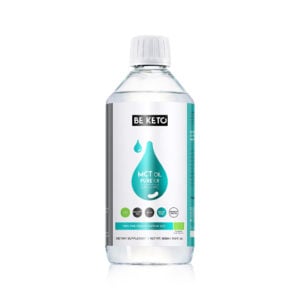
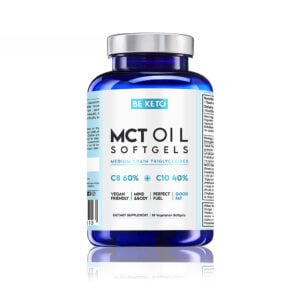
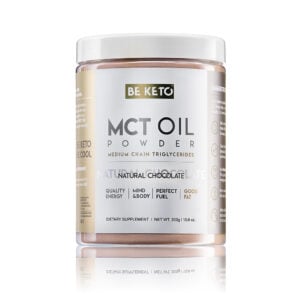
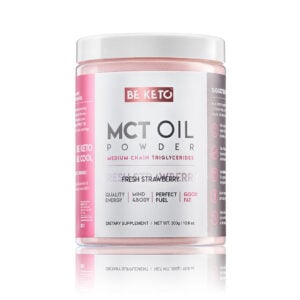
In our MCT oils shop you will find both pure C8 MCT oils and C8+C10 blends — the choice of product should be matched to your needs and the benefits you expect from supplementation. Below, we discuss each of the ten benefits in detail, along with their mechanism of action, specific data from the research literature, and an honest assessment of the current state of scientific knowledge.
Fast-Acting Energy Source
MCTs deliver energy within 15–30 minutes of consumption because they are transported directly to the liver, where they undergo beta-oxidation and conversion into ketones (beta-hydroxybutyrate, acetoacetate) — bypassing the lymphatic system entirely [5]. The ketones produced from MCTs serve as instant fuel for muscles, internal organs, and the brain, and the energy they supply does not trigger the sharp blood-sugar fluctuations characteristic of carbohydrate intake.
Supports Weight Management
MCTs support weight management through three mechanisms: they stimulate satiety hormones (leptin, peptide YY) and suppress ghrelin (the hunger hormone); they enhance thermogenesis, increasing the body’s energy expenditure; and they are preferentially metabolised rather than stored as fat [7, 8]. A meta-analysis of 13 randomised controlled trials demonstrated that MCT oil supplementation reduces body weight by an average of 0.51 kg, decreases waist circumference by 1.46 cm, and limits visceral fat [1]. Discover how to use MCT oil for weight loss with our step-by-step guide.
May Improve Brain Function
Ketones produced from MCTs rapidly cross the blood-brain barrier and serve as an alternative fuel for neurons, potentially improving mental clarity and concentration [3, 4]. Particularly promising are findings from research into the role of MCTs in neurodegenerative diseases — ketones may supply an alternative fuel to brain cells with impaired glucose utilisation [4]. It is worth noting that C8 produces ketones three times faster than C10 [3].
Helps Control Appetite
MCT oil stimulates the release of peptide YY and leptin — hormones that signal satiety to the brain — whilst simultaneously suppressing ghrelin, the hormone responsible for the sensation of hunger [8]. A meta-analysis found that individuals who consumed MCTs at breakfast ate significantly less at subsequent meals [8]. This effect is amplified when MCTs are combined with protein, making medium-chain triglycerides a particularly useful tool during intermittent fasting.
Supports Ketosis
MCTs are the most effective tool for boosting ketone production — they are converted in the liver regardless of carbohydrate intake, although the effect is by far strongest on a ketogenic diet [5]. Research has shown that MCTs can permit slightly higher carbohydrate consumption whilst still maintaining ketosis. They may be especially helpful for people starting keto, as they ease the adaptation period by providing immediate ketone energy.
Easier to Digest Than Other Fats
MCTs are absorbed into the bloodstream directly from the small intestine without the involvement of bile or pancreatic lipase [7] — making them an ideal choice for individuals with fat-malabsorption disorders such as cystic fibrosis, coeliac disease, or short-bowel syndrome. In clinical medicine they are used to nourish patients unable to digest long-chain fats. In healthy individuals, they simply mean faster energy availability.
Antimicrobial Properties
MCT oil contains fatty acids with documented antimicrobial and antifungal activity — particularly caprylic acid (C8), capric acid (C10), and lauric acid (C12) — thereby inhibiting the growth of pathogens, including species of Candida [7]. C8 disrupts the cell-membrane integrity of micro-organisms, and its action contributes to a healthier gut microbiome by reducing pathogens whilst supporting beneficial bacteria.
May Support Heart Health
The relationship between MCT oil and heart health is more nuanced than a simple “good or bad” — research shows varied individual responses depending on genetics, dose, and overall diet. At standard supplementation doses (1–2 tablespoons per day), MCT oil appears neutral to beneficial for most healthy adults: it may raise HDL (“good”) cholesterol whilst having minimal impact on triglycerides. Read our dedicated MCT oil and heart health guide for the complete evidence-based picture.
May Benefit Skin and Hair
The non-comedogenic properties of caprylic acid (C8) and capric acid (C10) — both rating 0–1 on the comedogenicity scale — make MCT oil safe for topical use on acne-prone skin, unlike coconut oil, which is predominantly lauric acid and rates 4 out of 5. As a lightweight carrier oil, MCT also improves the penetration of active skincare ingredients.
May Enhance Exercise Performance
Preliminary research suggests MCT supplementation may support endurance performance by providing an alternative fuel substrate to muscle glycogen during moderate-intensity exercise, potentially delaying fatigue [5]. Athletes on a ketogenic or low-carbohydrate diet may find MCT oil particularly beneficial as a pre-workout fuel, as it delivers usable energy without requiring carbohydrate intake.
What Are the Specific Benefits of C8 MCT Oil?
C8 (caprylic acid) is the most ketogenic MCT — it converts into ketones faster than any other medium-chain fatty acid. Specific research data illustrate the scale of this advantage: the ketogenic effect of C8 is three times higher than that of C10 and six times higher than that of C12 (lauric acid) [3].
Landmark research by Vandenberghe’s team demonstrated that purified caprylic acid generates a 3.4-fold stronger ketone response in blood plasma compared with coconut oil at an identical dose [2]. In practical terms, this means that after consuming 15 ml of C8 oil, blood ketone levels peak within just 15–30 minutes, whereas the same dose of a blend containing C12 produces a slower and less pronounced rise. For a clear comparison, we have summarised the different MCT types in the table below.
Parameter
C8 (caprylic)
C10 (capric)
C12 (lauric)
Ketone production speed
Fastest (15 min)
Moderate (30–45 min)
Slow (1–2 h)
Ketogenic effect
Highest (6× vs C12)
Medium (2× vs C12)
Lowest (baseline)
Digestive tolerance
Very good
Good
May cause discomfort
Cost
Highest
Medium
Lowest
Best application
Cognitive function, ketosis
Energy, antimicrobial
General support
C8+C10 blends combine the rapid energy from C8 with the somewhat slower but more sustained release from C10, offering a balance between speed and duration of action. For maximum ketone production and brain fuel, choose a pure C8 MCT oil — whereas a C8+C10 blend is a cost-effective solution for general health and energy support.
Did you know that fewer than 2% of MCTs get stored as body fat? Unlike other fats, medium-chain triglycerides almost entirely bypass adipose tissue — research has shown that merely 2% of consumed MCTs end up stored as energy reserves [7].
To maximise the benefits of MCT oil, follow five key principles grounded in data from clinical studies. First, start with a small dose — 1 teaspoon (5 ml) per day — and gradually increase it over 1–2 weeks to the target level of 1–2 tablespoons (15–30 ml) per day [5]. Second, use MCTs consistently every day — the metabolic, weight-related, and cognitive benefits build up over weeks of regular use [1, 8]. Third, choose the optimal time and method of consumption: morning coffee or tea for energy and focus; a smoothie for stable, time-released fuel. Fourth, select high-quality products — look for preparations with a high C8 content and no fillers or emulsifiers. Fifth, find your ideal formulation — a blended MCT oil or pure C8 depending on your goal.
How Long Does It Take for MCT Oil Benefits to Work?
The timeframes associated with MCT benefits vary according to the type of benefit expected. Immediate effects (15–60 minutes) include an energy boost and mental clarity resulting from ketone production — noticeable after the very first dose [5]. Short-term benefits (1–2 weeks) include improved appetite control and increased satiety, which consolidate with daily use [8]. In the medium term (4–8 weeks), changes in body composition and metabolic markers can be observed with regular supplementation combined with a balanced diet [1]. Long-term benefits (3+ months) include lasting improvements in the lipid profile, gut-health markers, and overall metabolic resilience. Consistency is key — sporadic use will not deliver the cumulative benefits seen with daily supplementation. Consult our MCT oil dosage guide to find the ideal amounts for your goals.
MCT oil is generally safe; however, it can occasionally cause side effects when starting supplementation or when doses are too high. The most common complaints are digestive discomfort manifesting as diarrhoea, nausea, bloating, and stomach cramps [8]. These symptoms usually subside within the first week as the body adapts. Starting with a small dose and gradually increasing it is the most effective preventive strategy [5]. Very high doses (above 60–100 ml per day) may also, in some cases, lead to fat accumulation in the liver. Individuals with existing liver conditions should therefore consult a doctor before adding MCTs to their diet. Read the full guide to MCT oil side effects and how to avoid them.
FAQ
Who Benefits Most from MCT Oil?
MCT oil delivers the greatest benefits to: individuals following a ketogenic or low-carbohydrate diet, athletes and active people, those experiencing brain fog or seeking to improve mental clarity [3, 4], seniors (research suggests that ketones may support cognitive function during ageing) [6], patients with fat-malabsorption disorders (under medical supervision), and anyone looking to improve satiety and curb snacking. The most noticeable results are observed by people on keto and those seeking cognitive support.
Can MCT Oil Help with Blood Sugar?
Scientific research suggests that MCT oil may improve insulin sensitivity and assist in regulating blood glucose levels [1]. Furthermore, medium-chain triglycerides do not trigger the insulin response characteristic of carbohydrates, and the ketones produced from MCTs serve as an alternative energy source that reduces the body’s dependence on glucose. The blood-sugar-stabilising effect also translates into more even energy levels throughout the day — fewer sharp peaks and troughs compared with carbohydrate-rich meals.
Bilbiography
See all
[1] Mumme K, Stonehouse W. Effects of medium-chain triglycerides on weight loss and body composition: a meta-analysis of randomized controlled trials. J Acad Nutr Diet. 2015;115(2):249-263.
[2] Vandenberghe C et al. Tricaprylin Alone Increases Plasma Ketone Response More Than Coconut Oil Or Other Medium-Chain Triglycerides. Current Developments in Nutrition. 2017;1(4):e000257.
[3] Avgerinos KI et al. Medium Chain Triglycerides induce mild ketosis and may improve cognition in Alzheimer’s disease. A systematic review and meta-analysis of human studies. Ageing Res Rev. 2020;58:101001.
[4] Fortier M et al. Ketogenic Medium Chain Triglycerides Increase Brain Energy Metabolism in Alzheimer’s Disease. J Alzheimers Dis. 2019;64(2):551-561.
[5] Harvey CJDC et al. The Effect of Medium Chain Triglycerides on Time to Nutritional Ketosis and Symptoms of Keto-Induction in Healthy Adults. J Nutr Metab. 2018;2018:2630565.
[6] Juby AG et al. Use of medium chain triglyceride (MCT) oil in subjects with Alzheimer’s disease. Alzheimers Dement (N Y). 2022;8(1):e12259.
[7] Jadhav HB, Annapure US. Triglycerides of medium-chain fatty acids: a concise review. J Food Sci Technol. 2023;60(8):2143-2152.
[8] Maher T et al. A systematic review and meta-analysis of medium-chain triglycerides effects on acute satiety and food intake. Crit Rev Food Sci Nutr. 2021;61(4):636-648.
Adrianna Kalista
A graduate in clinical dietetics whose interests begin, not end, with the word diet. She has written specialist content on nutrition. She is fascinated by contemporary food culture, phytotherapy and the effects of the ketogenic diet on cognitive brain function. She promotes diet therapy and the nutritional treatment of disease.
To provide the best experiences, we use technologies like cookies to store and/or access device information. Consenting to these technologies will allow us to process data such as browsing behaviour or unique IDs on this site. Not consenting or withdrawing consent, may adversely affect certain features and functions.
Functional
Always active
The technical storage or access is strictly necessary for the legitimate purpose of enabling the use of a specific service explicitly requested by the subscriber or user, or for the sole purpose of carrying out the transmission of a communication over an electronic communications network.
Preferences
The technical storage or access is necessary for the legitimate purpose of storing preferences that are not requested by the subscriber or user.
Statistics
The technical storage or access that is used exclusively for statistical purposes.Przechowywanie techniczne lub dostęp, który jest używany wyłącznie do anonimowych celów statystycznych. Bez wezwania do sądu, dobrowolnego podporządkowania się dostawcy usług internetowych lub dodatkowych zapisów od strony trzeciej, informacje przechowywane lub pobierane wyłącznie w tym celu zwykle nie mogą być wykorzystywane do identyfikacji użytkownika.
Marketing
The technical storage or access is required to create user profiles to send advertising, or to track the user on a website or across several websites for similar marketing purposes.


 United KingdomCurrent regionDelivery within the United KingdomCurrency: Pound Sterling (£)
 GermanyDelivery within Germany and AustriaCurrency: Euro (€)
 FranceDelivery within France and BelgiumCurrency: Euro (€)
 ItalyDelivery within ItalyCurrency: Euro (€)
 PolandDelivery within Poland and EuropeCurrency: Zloty (PLN)
 Czech RepublicDelivery within the Czech Republic and SlovakiaCurrency: Czech Koruna (Kč)
 SpainDelivery within SpainCurrency: Euro (€)