Exogenous Ketones Dangers: Side Effects, Sodium Risk and Contraindications
Considering adding exogenous ketones to your diet but worried about the dangers of exogenous ketones? These supplements are safe for healthy adults when following recommended doses — clinical studies have not identified serious adverse events at standard dosages [1,2]. Are there any real dangers of exogenous ketones you should know about? The risks are contextual: one serving of ketone salts contains 680 mg of sodium (27% DV), which requires nutritional awareness in those with hypertension when used daily. Type 1 diabetics without insulin supervision should avoid supplementation without medical consultation, and mild side effects such as nausea, headache, or insomnia are transient and resolve with gradual dosing. This guide covers all documented dangers of exogenous ketones so you can make an informed decision about supplementation.
Passionate about writing and a graduate in clinical dietetics. She is particularly interested in phytotherapy and the effects of ketogenic nutrition on cognitive brain function.
No — for healthy adults following recommended doses, exogenous ketones do not pose a danger. A prospective clinical study of 24 participants over 4 weeks of daily 10 g D-BHB intake showed: 0 acid–base abnormalities, 0 electrolyte disturbances, adverse events in only 6.2% of 720 servings consumed (GI discomfort 2.6%, headache 1.0%, appetite loss 1.0%), with no correlation between dose and symptom frequency [1]. A meta-analysis of 43 RCTs encompassing 586 participants confirmed no serious adverse events with short-term ketone supplementation [2].
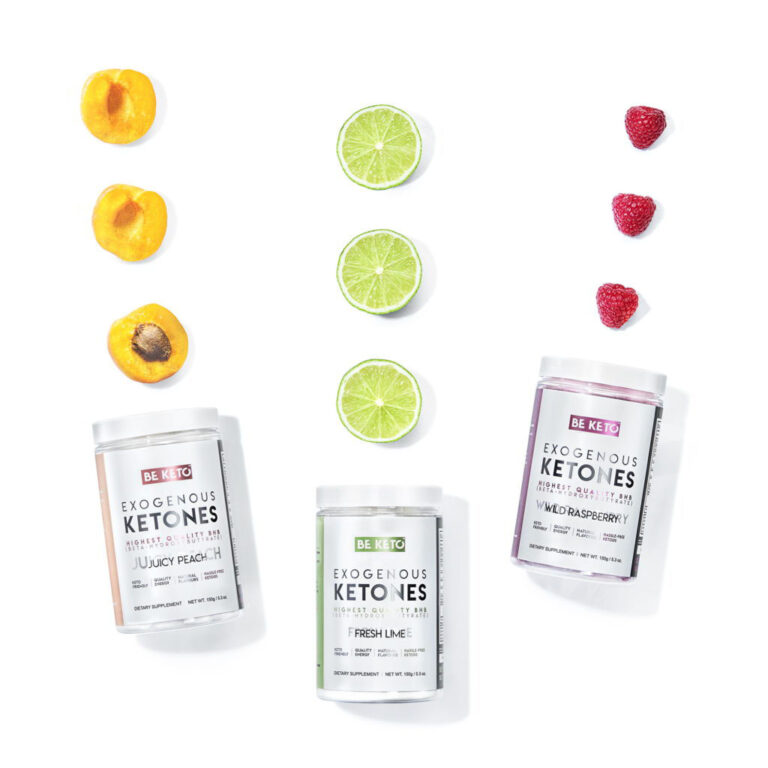
The real danger lies in uninformed supplementation: wrong medical context, mistaken belief that nutritional ketosis automatically equals fat burning. Three areas require particular awareness: sodium load of 680 mg per serving, DKA risk in T1D at BHB above 5 mmol/L without insulin, and interactions with electrolyte and hypoglycaemic medications. Choose supplements with transparently disclosed mineral content per serving: BeKeto BHB exogenous ketones are lab-tested with transparent mineral content per serving.
What Are the Side Effects of Exogenous Ketones?
Most side effects appear acutely — 15–30 minutes after dosing and resolve within 1–2 hours. Research confirms that any side effects are rare, mild, and dependent on dose and formulation type; quantity and frequency of administration are the main risk factors [3].
Side effects of exogenous ketones include nausea and GI discomfort: the rapid change in ketonaemia activates chemoreceptors of the chemoreceptor trigger zone (CTZ) and alters gut motility — worse on an empty stomach and at high doses.
Headache: mild, associated with rapid electrolyte shifts; resolves with hydration.
Insomnia: rapid BHB rise stimulates the noradrenergic system — avoid dosing after 2 p.m.
Acetone breath: acetone excreted through the lungs is a cosmetic effect, not a health concern.
Minimisation strategy: start with one-third of a serving for 7–14 days and take with a small fatty snack.
Did you know that… a healthy person’s body physically cannot enter ketoacidosis (DKA) from exogenous ketones — even at double the dose? This is because insulin produced by the pancreas acts as an automatic regulator: when blood BHB rises, the insulin response suppresses further endogenous ketogenesis, keeping ketone levels within a safe window of 0.5–3.0 mmol/L. DKA is biologically impossible without concurrent insulin deficiency [1].
What Are the Sodium and Electrolyte Risks of Exogenous Ketones?
680 mg of sodium per serving (27% DV) is the least-discussed yet clinically significant risk — two servings daily over 30 days equals 40.8 g of additional sodium. A meta-analysis of 10 studies (n=187), however, found that exogenous ketones do not significantly alter systolic or diastolic blood pressure in a healthy population, though the authors note a data gap for hypertensive populations [4].
Potassium salts carry potential hyperkalaemia risk in those with CKD or on ACE inhibitors. Magnesium and calcium content, conversely, is a meaningful benefit — replenishing electrolytes lost during ketogenic adaptation. With daily use beyond one month, monitoring blood pressure is advisable.
Who Should Not Take Exogenous Ketones?
Specific evidence-based contraindications include type 1 diabetes — the highest-risk group: exogenous ketones can raise BHB above 5.0 mmol/L; research shows that BHB levels ≥0.8 mmol/L nearly triple the 6–12-month risk of DKA [5]; supplementation without medical supervision is contraindicated.
Another exclusion is chronic kidney disease (CKD stage 3+) — kidneys cannot efficiently excrete excess minerals, and sodium, potassium, and calcium from ketone salts may accumulate. Those on ACE inhibitors, antidiabetic medications, or diuretics should consult a physician before supplementation, as the mineral content of ketone salts may interact with blood-pressure regulation and glucose metabolism. Supplementation is not recommended during pregnancy and breastfeeding, nor for those with a history of eating disorders or suppressed appetite [5].
Does BHB Suppress Your Body’s Own Fat-Burning?
Yes, and this is the most important paradox for those using exogenous ketones for weight loss — BHB binds to the GPR109A (HCA2) receptor on adipocytes, inhibiting hormone-sensitive lipase (HSL ser563) phosphorylation via adenylate cyclase inhibition — the enzyme crucial for triglyceride lipolysis [8].
The mechanism was confirmed in a human RCT measuring free fatty acids and glycerol as lipolysis markers [6]. This means a rise in blood BHB does not equal burning your own body fat — the lipolysis paradox. Exogenous ketones provide exogenous fuel but do not replace a caloric deficit.
Did you know that… 680 mg of sodium in one serving of ketone salts is the same amount as in two full slices of Cheddar or one average sachet of instant soup? In the context of a ketogenic diet, however, this is partly beneficial — kidneys on a low-carbohydrate diet excrete 30–50% more sodium than normal owing to lowered insulin and reduced water retention, meaning the salt in the supplement partially replenishes a real electrolyte deficit rather than exacerbating it [2].
What Are the Proven Benefits of Exogenous Ketones Despite the Risks?
The risks described are entirely manageable with informed use of exogenous ketones. With proper dosing — on an empty stomach, gradual introduction, awareness of electrolyte content — exogenous ketones deliver measurable, scientifically confirmed benefits: mood improvement of +17.6% vs placebo; ghrelin elevated by 50% for 2–4 hours post-consumption [5]; blood glucose −0.54 mmol/L (p<0.001) [2]; cognitive improvement +1.25% vs placebo; nutritional ketosis in 15–30 minutes instead of 3–7 days of dieting. BHB also inhibits the NLRP3 inflammasome, reducing pro-inflammatory cytokines [8].
For the complete research breakdown of each benefit, read our detailed analysis of exogenous ketones benefits.
How Do Ketones Work in the Body and Why Do Side Effects Occur?
Most side effects from ketones stem from the speed of absorption: D-BHB is absorbed through small-intestine enterocytes within 15–30 minutes — 2–5× faster than endogenous ketogenesis during a ketogenic diet, where ketones build over 3–7 days of metabolic adaptation.
The sudden rise in ketonaemia activates CTZ chemoreceptors, alters gastrointestinal motility, and triggers transient electrolyte shifts — before the ketone-oxidation enzymes (BDH1, SCOT, thiolase) adapt to the new energy substrate. This explains why symptoms diminish with a gradual-introduction protocol. For a complete explanation of how ketone bodies are produced and metabolised, read our guide to what are ketones.
FAQ
Can Exogenous Ketones Cause Ketoacidosis?
In healthy individuals, no — endogenous insulin suppresses hepatic ketogenesis, limiting ketonaemia below the DKA threshold. Ketoacidosis requires all of the following: ketonaemia above 3 mmol/L, glycaemia above 11 mmol/L, and venous pH below 7.3 [9]. Commercial D-BHB raises BHB by only 0.33–0.6 mmol/L — far below the danger threshold for those with intact insulin secretion. DKA risk is real only in T1D without insulin therapy.
Do Exogenous Ketones Interact with Medications?
No severe pharmacological interactions have been documented, yet caution is advised with three medication classes. ACE inhibitors and ARBs: potassium BHB salts may accumulate potassium, risking hyperkalaemia. Antidiabetic medications: BHB lowers blood glucose by −0.47 mmol/L — hypoglycaemia risk if insulin dose unchanged [2]. Diuretics: electrolytes from BHB salts interfere with pharmacological natriuresis and kaliuresis. Always inform your doctor before starting supplementation.
Are Exogenous Ketones Safe Long-Term?
Peer-reviewed studies exceeding 3–6 months of daily exogenous-ketone supplementation are lacking. Data up to 12 weeks indicate no changes in metabolic panel, lipid profile, or blood count with twice-daily dosing over 6 weeks [10]. With use beyond 3 months, regular metabolic-panel and lipid-profile testing is advisable.
Bilbiography
See all
[1] Pimentel-Suarez L.I., Soto-Mota A. Evaluation of the safety and tolerability of exogenous ketosis induced by orally administered free beta-hydroxybutyrate in healthy adult subjects. BMJ Nutr Prev Health 2023; 6:122–126. PMC11009516. doi:10.1136/bmjnph-2023-000672
[2] Stefan M. et al. The Effect of Exogenous Beta-Hydroxybutyrate Salt Supplementation on Metrics of Safety and Health in Adolescents. Nutrients 2021; 13(3):854. PMC8000900. doi:10.3390/nu13030854
[3] Elsen M. et al. Clinical Benefits of Exogenous Ketosis in Adults with Disease: A Systematic Review. Nutrients 2025; 17(19):3125. PMC12525594. doi:10.3390/nu17193125
[4] Marcotte-Chénard A. et al. Effect of Acute and Chronic Ingestion of Exogenous Ketone Supplements on Blood Pressure: A Systematic Review and Meta-Analysis. J Diet Suppl 2024; 21(3):408–426. PMID:38145410. doi:10.1080/19390211.2023.2289961
[5] Famulla S. et al. Empagliflozin as Adjunct to Insulin in Patients with T1D — BHB levels and DKA risk (EASE-2/3 post-hoc analysis). Diabetes Care 2019; 42(6):1147–1154. doi:10.2337/dc18-2316 (data on BHB ≥0.8 mmol/L and DKA risk)
[6] Stubbs B.J. et al. A Ketone Ester Drink Lowers Human Ghrelin and Appetite. Obesity 2018; doi:10.1002/oby.22051. PMID:29105987
[7] Cuenoud B. et al. Metabolism of Exogenous D-Beta-Hydroxybutyrate, an Energy Substrate Avidly Consumed by the Heart and Kidney. Front Nutr 2020; 7:13. PMC7042179. doi:10.3389/fnut.2020.00013
[8] Youm Y-H. et al. The ketone metabolite β-hydroxybutyrate blocks NLRP3 inflammasome-mediated inflammatory disease. Nature Medicine 2015; doi:10.1038/nm.3804. PMC4352123
Adrianna Kalista
A graduate in clinical dietetics whose interests begin, not end, with the word diet. She has written specialist content on nutrition. She is fascinated by contemporary food culture, phytotherapy and the effects of the ketogenic diet on cognitive brain function. She promotes diet therapy and the nutritional treatment of disease.
To provide the best experiences, we use technologies like cookies to store and/or access device information. Consenting to these technologies will allow us to process data such as browsing behaviour or unique IDs on this site. Not consenting or withdrawing consent, may adversely affect certain features and functions.
Functional
Always active
The technical storage or access is strictly necessary for the legitimate purpose of enabling the use of a specific service explicitly requested by the subscriber or user, or for the sole purpose of carrying out the transmission of a communication over an electronic communications network.
Preferences
The technical storage or access is necessary for the legitimate purpose of storing preferences that are not requested by the subscriber or user.
Statistics
The technical storage or access that is used exclusively for statistical purposes.Przechowywanie techniczne lub dostęp, który jest używany wyłącznie do anonimowych celów statystycznych. Bez wezwania do sądu, dobrowolnego podporządkowania się dostawcy usług internetowych lub dodatkowych zapisów od strony trzeciej, informacje przechowywane lub pobierane wyłącznie w tym celu zwykle nie mogą być wykorzystywane do identyfikacji użytkownika.
Marketing
The technical storage or access is required to create user profiles to send advertising, or to track the user on a website or across several websites for similar marketing purposes.

 United KingdomCurrent regionDelivery within the United KingdomCurrency: Pound Sterling (£)
 GermanyDelivery within Germany and AustriaCurrency: Euro (€)
 FranceDelivery within France and BelgiumCurrency: Euro (€)
 ItalyDelivery within ItalyCurrency: Euro (€)
 PolandDelivery within Poland and EuropeCurrency: Zloty (PLN)
 Czech RepublicDelivery within the Czech Republic and SlovakiaCurrency: Czech Koruna (Kč)
 SpainDelivery within SpainCurrency: Euro (€)