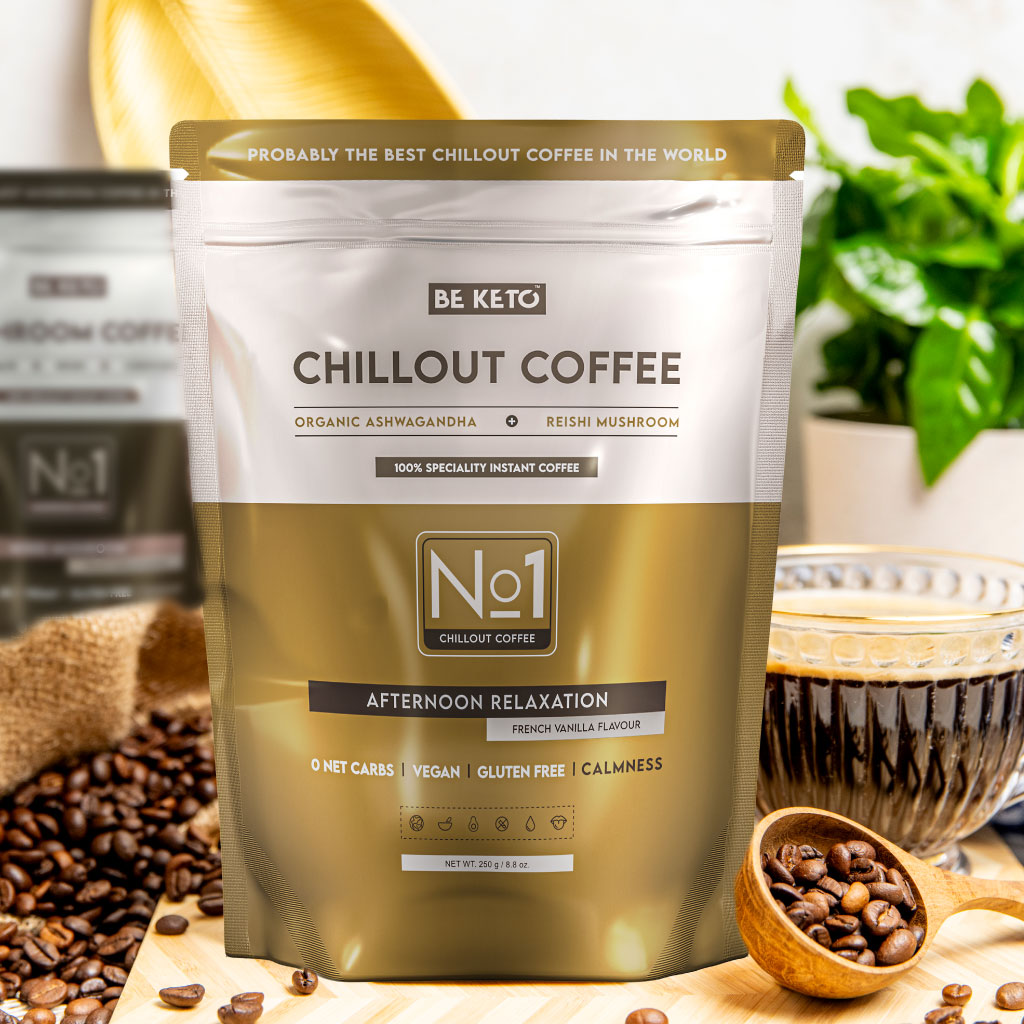
What will you learn from the article?
Can you drink coffee on keto?
Absolutely, but not just any kind. Black coffee without additives contains fewer than 2 calories and practically zero carbohydrates per cup, making it an ideal beverage for anyone wanting to maintain strict macronutrient limits on the ketogenic diet – even with restrictive allowable 20 grams of carbohydrates daily. The caffeine contained in coffee supports ketosis by increasing ketone production in the liver and improving insulin sensitivity, which helps maintain the fat-burning state. However, sweetened coffees, with flavour additives or cow’s milk aren’t recommended on keto.
The ketogenic diet revolutionises how the body obtains energy, changing the main fuel source from glucose to ketones. In this context, coffee plays an important role as an ally in the weight loss process and maintaining ketosis, as caffeine naturally supports lipolysis – the process of fat breakdown, whilst simultaneously inhibiting gluconeogenesis, which helps maintain low blood glucose levels.
The mechanism of coffee’s action on keto is based on sympathetic nervous system activation, which stimulates noradrenaline release. This neurotransmitter directly activates beta-adrenergic receptors in adipose tissue, initiating an enzymatic cascade leading to triglyceride hydrolysis. Additionally, caffeine blocks adenosine receptors, which not only increases alertness but also enhances thermogenesis – the process of burning calories to generate heat.
How does coffee affect ketosis?
Caffeine not only doesn’t interfere with achieving ketosis but actively supports it. It stimulates noradrenaline production, a hormone that “unlocks” fat stores and directs them straight to the liver. There, fatty acids transform into valuable ketones – fuel with higher energy efficiency than glucose. Coffee directly stimulates ketogenesis through acetyl-CoA carboxylase activation, a key enzyme in ketone synthesis. Caffeine also increases free fatty acid mobilisation from adipocytes, providing substrate for ketone body production in hepatocytes.
How to drink coffee on keto?
The art of drinking coffee on the ketogenic diet lies in maximising benefits whilst simultaneously avoiding ingredients that could knock the body out of ketosis. Optimal coffee consumption timing has crucial significance for metabolic efficiency – if you drink coffee in the morning when cortisol levels are naturally elevated, you synergistically support lipolysis.
Coffee temperature also plays a role in caffeine absorption. Warm coffee increases blood flow in the digestive tract, accelerating caffeine and metabolite absorption. Additionally, hot beverages stimulate postprandial thermogenesis – additional calorie burning after meals.
Caffeine dosing should be adjusted to individual tolerance, but typically in doses of 200-400mg daily, which provides optimal benefits without side effects. It’s worth remembering that caffeine has a half-life of about 6 hours, so the last cup should be consumed minimum 6 hours before sleep to avoid disrupting nocturnal regeneration.
What are the best additives for keto coffee?
To ketogenic coffee, you can safely add fat additives such as ghee butter (clarified), or “liquid gold”, which contains butyric acid, nourishing gut cells and supporting ketone production. MCT oil is also a good solution, providing caprylic acid C8 and capric acid C10, which the liver instantly transforms into ketones without requiring lengthy metabolic processes in the digestive system. For optimal ketosis support, consider pure C8 MCT oils or C8/C10 blends for enhanced ketone production.
What are the best keto coffee recipes?
All recipes that maximise healthy fat content with minimal (or no) impact on insulin in the body. Try preparing Keto Rocket: fresh espresso + tablespoon of ghee butter + half tablespoon of MCT oil + pinch of Himalayan salt – blend for creamy foam. Cinnamon Booster: coffee + tablespoon of coconut oil + half teaspoon of cinnamon + stevia + coconut milk. Vanilla Relax: coffee + tablespoon of 36% cream + 5 drops of vanilla extract + erythritol to taste. For more convenient options, explore our range of functional coffees specially formulated for the ketogenic lifestyle.
Does coffee break a fast on keto?
Black coffee doesn’t break intermittent fasting as it doesn’t significantly stimulate insulin secretion. However, coffee with high-fat additives (50-200 calories) technically breaks a fast, though it may support maintaining ketosis by providing ketogenic fatty acids. This is a compromise between pure fasting and practical energy maintenance during prolonged fasting.
Drink black coffee: Plain black coffee or espresso contains zero carbs and calories, making it fully keto-friendly and great for energy without spiking insulin levels
Can you have coffee with milk on keto?
Traditional cow’s milk contains lactose – a natural sugar that can disrupt ketosis. One cup of 2% milk contains approximately 12 grams of carbohydrates, which constitutes a significant portion of the daily limit on the ketogenic diet. Lactose is a disaccharide consisting of glucose and galactose, which after breakdown by the lactase enzyme in the small intestine can raise blood glucose levels and stimulate insulin secretion.
The mechanism of lactose’s impact on ketosis is twofold. Lactose is a disaccharide consisting of glucose and galactose. After digestion by lactase in the small intestine, glucose immediately raises blood sugar levels, knocking you out of ketosis faster than you can finish your coffee. Galactose isn’t innocent either – it can be converted to glucose by the liver through galactoneogenesis.
Additionally, some milk proteins, particularly casein, can stimulate insulin secretion through an insulinotropic mechanism independent of glucose. This effect is particularly visible in people with insulin resistance or predispositions to type 2 diabetes. Lactose can also disrupt gut microbiome in people with intolerance, leading to inflammatory states that further worsen insulin sensitivity. This is a vicious cycle that can sabotage your ketogenic goals for months.
What are the best low-carbohydrate milk alternatives for coffee?
Full-fat coconut milk contains medium-chain fatty acids (MCT), which are directly metabolised in the liver to ketones, bypassing the normal fat digestion pathway. Lauric acid, comprising about 50% of coconut milk fats, additionally shows anti-inflammatory and antimicrobial properties. Almond milk is also a good option, providing vitamin E and magnesium. Macadamia nut milk is richest in healthy monounsaturated fats supporting fat-soluble vitamin absorption.
Comparison of unsweetened almond, coconut and other keto milk alternatives
Coconut milk definitely leads in the keto milk rankings, thanks to its natural MCT content and creamy texture resembling traditional milk. Almond wins with low calories and neutral flavour. Macadamia offers luxurious creaminess and very good lipid profile. Hazelnut beverages have a subtle, sweetish taste ideal for those transitioning from cow’s milk.
What to avoid when drinking coffee on keto?
Sugar is an obvious enemy, but real danger lies in seemingly innocent additives. Flavour syrups can contain up to 20 grams of carbohydrates per serving – as much as the entire daily limit on strict keto. That’s like eating 5 teaspoons of sugar in one go. Sucrose, fructose and other sugars directly raise blood glucose levels, triggering insulin response, but it’s worth knowing that even some “sugar-free” sweeteners like maltitol or xylitol can have a glycaemic index high enough to disrupt ketogenesis in sensitive individuals.
The mechanism of artificial sweeteners’ action on ketosis isn’t entirely clear, but studies suggest they may affect gut microbiome, which in turn can influence glucose metabolism and insulin sensitivity. Some sweeteners may also stimulate insulin secretion through sweet taste receptor activation in the intestines, known as “cephalic phase insulin response”.
Do artificial sweeteners affect ketosis?
Stevia and erythritol are the safest options that don’t affect glucose levels, being natural sweetening substances. However, aspartam and sucralose may stimulate sweet cravings in some people and significantly disrupt the ketosis process. Acesulfame K may also change gut microbiome composition, affecting ketogenic metabolism.
Keto-friendly coffee additives vs. harmful ones
Your coffee can be either an ally or saboteur – everything depends on additives. Green light goes to ghee butter, MCT oil, 36% cream, full-fat coconut milk, natural extracts and spices like cinnamon or vanilla. Red card for sugar, honey, flavour syrups, cow’s milk and coffee creamers full of hidden carbohydrates and artificial ingredients.
Sweeten with keto-friendly sweeteners: Instead of sugar or syrup, use natural zero-carb sweeteners like stevia, erythritol, or monk fruit to add sweetness without carbs
Can i drink coffee on keto?
Coffee can be a powerful tool supporting success on the ketogenic diet – provided it’s properly prepared and additives are consciously chosen. The key is understanding the biochemical mechanisms of caffeine’s action on ketogenic metabolism and using this knowledge to absolutely maximise health benefits.
The optimal strategy on the keto diet includes drinking black coffee or enriching it with appropriate fats, avoiding all forms of sugar and potentially problematic sweeteners, and timing consumption adjusted to individual daily rhythm. Remember that consistency in applying these principles is crucial for maintaining stable ketosis and achieving long-term health goals.
Bilbiography
- https://javvycoffee.com/blog/articles/how-to-make-keto-iced-coffee-3-ways
- https://www.coffeebean.com/blogs/blog/your-quick-guide-to-drinking-coffee-on-keto
- https://cftproastingco.com.au/keto-friendly-coffee-options-to-order-at-a-cafe/

 United KingdomCurrent regionDelivery within the United KingdomCurrency: Pound Sterling (£)
 GermanyDelivery within Germany and AustriaCurrency: Euro (€)
 FranceDelivery within France and BelgiumCurrency: Euro (€)
 ItalyDelivery within ItalyCurrency: Euro (€)
 PolandDelivery within Poland and EuropeCurrency: Zloty (PLN)
 Czech RepublicDelivery within the Czech Republic and SlovakiaCurrency: Czech Koruna (Kč)
 SpainDelivery within SpainCurrency: Euro (€)