In this guide you will find detailed information on what to eat and what to avoid on a ketogenic diet. Although some of the rules may seem very restrictive and initially difficult to understand or remember, living a low-carbohydrate, high-fat lifestyle is much easier than you think.
Graduate in dietetics. She is interested in the ketogenic diet and its effects. She is responsible for content creation and content verification on the website.
The following is a list of keto products that are designed for the ketogenic diet, some of the most important include:
Meat
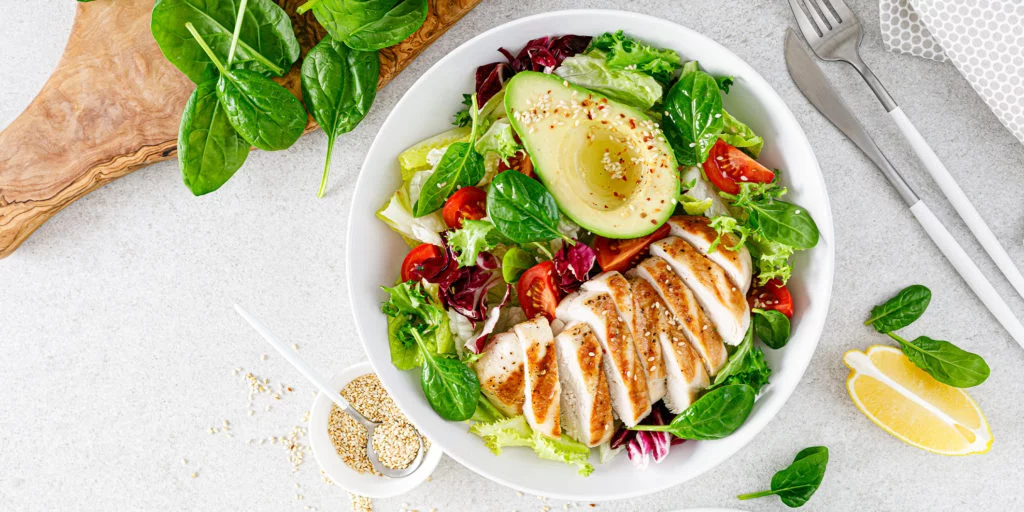
Unprocessed, high quality meat is the basis of the ketogenic diet. It is important to remember that a keto diet is a low carbohydrate, moderate protein and high fat diet. Too much meat can mean too much protein – so tracking your daily macronutrients is essential to stay in ketosis.
This is because excess protein can be converted to glucose in a process called gluconeogenesis, which will hinder the body’s ability to produce ketone bodies and achieve the desired results.
Here is a list of the most commonly consumed meats:
Chicken breast
Chicken thighs
Turkey breast
Minced turkey
Ground beef
Steak
Loin
Liver
Bacon
Fish and seafood
Both fish and seafood are excellent sources of essential fatty acids (omega-3), high-quality protein and vitamin D. Due to their low carbohydrate content, they are ideal for consumption in a ketogenic diet.
Recommended fish and seafood in a ketogenic diet:
Salmon
Mackerel
Tuna
Herring
Cod
Shrimp
Crabs
Lobsters
Mussels
Healthy fats
The majority of your daily caloric intake on a ketogenic diet comes from fats. Whether you supply your body with fats through meat, fish, eggs, dairy or oils, it is important to remember that healthy fats will always be a better option than those found in unhealthy, processed foods. Although unhealthy fat sources still lead to ketosis, they are not advisable on a ketogenic diet.
To help you understand the difference in fats, which are ‘good’ and which are ‘bad’ – read on:
Saturated fats: red meat, eggs, butter, coconut oil, MCT oil
Polyunsaturated fats: fish such as salmon or mackerel, nuts, avocado, flaxseed oil, virgin olive oil extra virgin olive oil. Plus – don’t forget that not all polyunsaturated fats are healthy.
Trans fats: avoid completely chemically processed fats. Check nutrition labels often to find out if a product contains this type of fat.
Ideal foods containing healthy fats are:
Avocados
Egg yolks
Fatty fish
Animal fat
Lard
Butter
Ghee
Mayonnaise
Coconut oil
MCT oil
Coconut butter
Extra-virgin olive oil
Avocado oil
Nuts
Ideal foods containing healthy fats are:
In the ketogenic diet, oils play a key role as a source of healthy fats, essential for maintaining a state of ketosis. The most popular of these is coconut oil, rich in medium-chain fatty acids (MCTs), which readily convert to ketone bodies to support ketosis. MCT oil is an even more concentrated form of these acids, rapidly increasing ketone body production and energy. Extra virgin olive oil and avocado oil are excellent sources of healthy monounsaturated fats, beneficial for the heart and lowering bad cholesterol, with a high smoke point ideal for high heat cooking. Clarified butter (ghee), devoid of milk proteins, is high in saturated fats and is suitable for cooking. Vegetable oils rich in polyunsaturated and omega-6 fats, such as sunflower, soybean and corn oils, which can contribute to inflammation, should be avoided in the keto diet. It is also important to monitor total fat intake to ensure the diet is balanced and supports health goals. For more on oils on a ketogenic diet, see the post
Eggs
Scrambled, hard-boiled, sunny side-up, poached – on keto, you can eat all types of eggs, in all shapes and forms. Pastured organic eggs are your best choice.
Dairy
Dairy is a great way to increase your fat intake on the ketogenic diet. However, it is important to remember that not all dairy is created equal. A lot of products such as yogurts contain hidden carbs and may not be suitable for the ketogenic diet. It is best to check the nutritional label of dairy products before purchasing.
Also, many ketogenic diet veterans found that excessive use of dairy may stall weight loss. If this is the case, you may want to limit or completely eliminate your dairy intake for a short period of time to see if that method works for you.
Here are the most popular dairy products:
Butter
Greek yogurt
all kinds of cream
cottage cheese
ricotta
Mascarpone
Cheddar
Parmesan cheese
Brie
Note: You may be surprised to find out that milk is not on this list. One glass of milk contains 12g of carbohydrates. Instead, opt for nut-based milks such as almond milk or cashew milk. If these are not your favorite, you may want to consider coconut milk as well.
EXPERT COMMENTARY:
“Protein is an important part of any diet, including a ketogenic diet. Although the amino acids formed from the breakdown of protein can be converted into glucose through the process of gluconeogenesis, this can only compromise ketosis if the amount of protein is really very high. The optimal amount of protein in the diet of a healthy person is 1 g per kg of body weight, and in physically active people it is up to 2 g per kg of body weight.”
Dr. Natalia DrabińskaScientist specialising in nutrition and food research
Low-carb vegetables
One simple rule in regards to the vegetables allowed on the ketogenic diet is to eat what grows above the ground. Easy, right?
Leafy greens such as kale, spinach and various types of lettuce
cabbage
broccoli
Cauliflower
Cucumber
Zucchini
eggplant
Peppers
Mushrooms
Onions
Note: Beware of nightshades, such as eggplants, peppers and tomatoes. They are known to contain a chemical called solanine, which may cause inflammation and irritate those with arthritis.
Nuts & seeds
Full of healthy fats, nuts and seeds are a great food option. But beware – snacking on a large amount of these can increase your caloric consumption and sabotage your final goals. In addition, some nuts and seeds have a higher carbohydrate count than others.
Notice there is no pistachios and cashews on this list – this is because 100g of pistachios contain 18 grams of net carbohydrates. Most of the time, that’s almost all of the carbohydrates you are allowed to eat within a day!
Low-carb fruits
This may be one of the most controversial foods to eat on the ketogenic diet. Which fruits are low-carb? Different guides show a variety of fruit you can eat. However, we recommend berries to be your best option, such as raspberries, blueberries, blackberries and strawberries.
Berries do not spike your blood sugar, which helps reduce cravings and curb your appetite. Also, it is important to note that the higher fiber count, the less net carbs you will eat.
Remember: Low-carb fruits are meant to be eaten with moderation. Think of them as a dessert.
Drinks
Coffee – Haven’t You Heard Of Bulletproof Coffee Yet? It Is The Most Popular Way To Drink Coffee On The Ketogenic Diet!
Water – Whether It’s Flat Or Sparking, Water Is Your Best Option. If You Prefer Flavored Water, You May Add Slices Of Cucumber, Lemon Or Lime, Which All Have Detoxifying Properties. During Your First Few Days Of The Ketogenic Diet, You May Want To Add Half A Teaspoon Of Salt Or Mix Your Water With BeKeto™ Electrolytes To Reduce Symptoms Of Keto Flu.
Tea – White Tea, Black Tea, Green Tea, Breakfast Tea Are All Keto-Friendly. However, Watch Out For Fruit Teas – These May Contain Dried Fruits And Unwanted Sugars Which Will Result In Additional Carbohydrates.
What foods should I avoid?
Sugar
Did you know that most of your cravings are caused by sugar? Avoid cookies, cakes, chocolate bars, ice cream and donuts at all costs. Even the smallest amount of sugar can kick you out of ketosis and halt your progress on the ketogenic diet.
Also, beware of hidden sugars and carbs in keto-friendly foods, such as mayonnaise or beef jerky. Most of the time they are loaded with sugar, therefore it is best to double-check all nutritional labels.
There are alternative options to sugar on the ketogenic diet, such as erythritol, stevia, monk fruit sweetener and xylitol. They do not have a significant impact on your blood sugar level, therefore they will not cause insulin spikes.
Starches
Avoid bread, rice, pasta, grains like quinoa and bulgur, potatoes, french fries etc. All of these foods are loaded with carbohydrates and will not allow you to enter ketosis. Whole-grain products are off-limits as well.
Recently, there has been a surge in seemingly keto-friendly products in the food industry. Everything from low-carb keto tortillas, to low-carb keto bread. Make sure to read the ingredients and calculate net carbohydrates on your own to see if these products fit within your daily macros. Beware of false advertising and marketing tactics to make you believe junk food is ketogenic.
Foods like beans and legumes are also not permitted on the ketogenic diet. Although you may miss the taste of bread or pasta, there are a lot of keto alternatives to popular, high-carb foods such as zucchini pasta, mashed cauliflower, cauliflower rice and bread substitutes baked with keto-friendly almond flour and coconut flour.
EXPERT COMMENTARY:
“At the moment we have a very rich market of low-carbohydrate products that can replace high-carbohydrate foods. A ketogenic diet doesn’t mean we can’t allow cake or baked goods. Sometimes it’s a matter of swapping a few ingredients and we can get very tasty ketogenic products.”
Dr. Natalia DrabińskaScientist specialising in nutrition and food research
Unhealthy fats
Not all fats are created equal and their consumption is by far the most controversial part of the ketogenic diet. While “dirty keto” may get you into ketosis, it doesn’t mean that it is healthy for you. Above all, completely avoid trans fats, which are chemically hydrogenated fats found in many processed, shelf-stable foods.
Opt for healthy sources of fats such as extra virgin olive oil, coconut oil, MCT oil, flaxseed oil, lard etc. Avoid processed foods with unhealthy oils such as grapeseed oil, canola oil and sunflower oil.
In order to see which fats are your best option on the ketogenic diet, click here.
Certain vegetables
Unfortunately, you cannot eat all the vegetables you want. Most of them are loaded with carbohydrates, making them unsuitable for the ketogenic diet. Potatoes, sweet potatoes, corn, squash, beets and other root vegetables are to be avoided. While you can add carrots and parsley root to your broth, they are to be eaten in moderation.
Fruits
Fruits are known to be the Earth’s dessert. They are also high in natural sugars and high in carbohydrates. Aside from an occasional treat which includes berries, fruits are not allowed on the ketogenic diet. This means no bananas, apples, pears, plums, melons etc. Citruses should be avoided as well, with the exception of small amounts of lemon and lime (for example, in tea or water).
Drinks
Avoid drinks with sugar, such as soda, fruit juice, energy drinks like Monster or Redbull, compotes and other sugar-containing liquids.
Most of the time, you should abstain from drinking alcohol on the ketogenic diet altogether. Although some alcohols have a lower carbohydrate content than others, such as gin or vodka, your body will first grab onto alcohol in your blood to metabolise it, forgetting about burning through fats. Once you consume alcohol, your body will not think of fat as a priority anymore.
EXPERT COMMENTARY:
“The guide provided offers a comprehensive overview of what to eat and what to avoid on the ketogenic diet, making it a valuable resource for those navigating this dietary approach. The guide rightly emphasises the importance of choosing low-carbohydrate, unprocessed meats as the basis of the ketogenic diet. However, it wisely cautions against over-consumption of protein, shedding light on the potential conversion of excess protein into glucose, a factor that can hinder the desired state of ketosis. This emphasises the need to meticulously track macronutrients for effective ketogenic results. The printable complete Keto Food List adds a layer of convenience for those actively involved in planning and adhering to their ketogenic dietary choices.”
Dr. Andreia TorresClinical nutritionist with a doctorate in health education.
Bilbiography
View all
[1] Ketogenic Bible dr Jacob Wilson, dr Ryan Lowery.
Amelie Szczepanski
Graduate in dietetics. She has always been interested in dietetics. For her it is not only a profession, but also a passion. Amelia will help you introduce healthy eating habits and explain what a low carbohydrate diet and KETO are. She will also answer your questions and concerns and help you choose the right supplements.
Hi there. Interesting info here. I have eaten fairly low carb for a long time but experience a lot of digestive problems including frequent stomach aches. I suffer from M.E. so have to go carefully. Sometimes I have sweet potato and occasionally banana ( because of high BP) but mostly very low carb. Any suggestions? THANKS
In M.E., the digestive system is often very sensitive, which is why very restrictive low-carb or keto diets can worsen abdominal pain and discomfort in some people. In such cases, a gentler, more flexible approach tends to work better – moderate low-carb rather than extremely low carbohydrate intake.
It’s also important to take care of electrolytes (sodium, potassium, magnesium), keep meals regular, and choose the best-tolerated carbohydrate sources, such as sweet potato, small amounts of banana (as you’re already doing), or oats.
It’s worth observing your response to larger amounts of fat, MCTs, dairy, or irritating fiber (e.g. bran, large amounts of raw vegetables, high doses of psyllium husk), and instead focusing on better-tolerated soluble fiber (e.g. acacia fiber, well-cooked oats, small amounts of rice or potatoes, ground and soaked flaxseed). For some people, simpler meals, smaller portions, and calmer macronutrient ratios work better.
Most importantly, changes should be introduced very slowly, one at a time, giving the body time to adapt rather than making multiple major adjustments at once. With M.E., stability is often key.
To provide the best experiences, we use technologies like cookies to store and/or access device information. Consenting to these technologies will allow us to process data such as browsing behaviour or unique IDs on this site. Not consenting or withdrawing consent, may adversely affect certain features and functions.
Functional
Always active
The technical storage or access is strictly necessary for the legitimate purpose of enabling the use of a specific service explicitly requested by the subscriber or user, or for the sole purpose of carrying out the transmission of a communication over an electronic communications network.
Preferences
The technical storage or access is necessary for the legitimate purpose of storing preferences that are not requested by the subscriber or user.
Statistics
The technical storage or access that is used exclusively for statistical purposes.Przechowywanie techniczne lub dostęp, który jest używany wyłącznie do anonimowych celów statystycznych. Bez wezwania do sądu, dobrowolnego podporządkowania się dostawcy usług internetowych lub dodatkowych zapisów od strony trzeciej, informacje przechowywane lub pobierane wyłącznie w tym celu zwykle nie mogą być wykorzystywane do identyfikacji użytkownika.
Marketing
The technical storage or access is required to create user profiles to send advertising, or to track the user on a website or across several websites for similar marketing purposes.

 United KingdomCurrent regionDelivery within the United KingdomCurrency: Pound Sterling (£)
 GermanyDelivery within Germany and AustriaCurrency: Euro (€)
 FranceDelivery within France and BelgiumCurrency: Euro (€)
 ItalyDelivery within ItalyCurrency: Euro (€)
 PolandDelivery within Poland and EuropeCurrency: Zloty (PLN)
 Czech RepublicDelivery within the Czech Republic and SlovakiaCurrency: Czech Koruna (Kč)
 SpainDelivery within SpainCurrency: Euro (€)






Lose weight I like to eat
Hi there. Interesting info here. I have eaten fairly low carb for a long time but experience a lot of digestive problems including frequent stomach aches. I suffer from M.E. so have to go carefully. Sometimes I have sweet potato and occasionally banana ( because of high BP) but mostly very low carb. Any suggestions? THANKS
In M.E., the digestive system is often very sensitive, which is why very restrictive low-carb or keto diets can worsen abdominal pain and discomfort in some people. In such cases, a gentler, more flexible approach tends to work better – moderate low-carb rather than extremely low carbohydrate intake.
It’s also important to take care of electrolytes (sodium, potassium, magnesium), keep meals regular, and choose the best-tolerated carbohydrate sources, such as sweet potato, small amounts of banana (as you’re already doing), or oats.
It’s worth observing your response to larger amounts of fat, MCTs, dairy, or irritating fiber (e.g. bran, large amounts of raw vegetables, high doses of psyllium husk), and instead focusing on better-tolerated soluble fiber (e.g. acacia fiber, well-cooked oats, small amounts of rice or potatoes, ground and soaked flaxseed). For some people, simpler meals, smaller portions, and calmer macronutrient ratios work better.
Most importantly, changes should be introduced very slowly, one at a time, giving the body time to adapt rather than making multiple major adjustments at once. With M.E., stability is often key.