
OFFICIAL STORE IN THE UNITED KINGDOM



Ketone Levels for Ketosis: What Your Numbers Mean
Whether you're already on a ketogenic diet or want to get into ketosis, understanding your ketone levels is the single most reliable way to know where you stand. Nutritional ketosis begins at BHB ≥0.5 mmol/L in the blood. The ranges: 0.5–1.5 mmol/L = mild ketosis (improved insulin sensitivity, stable energy), 1.5–3.0 mmol/L = optimal ketosis (maximum fat burning, weight loss), 3.0–5.0 mmol/L = deep ketosis (therapeutic goals, e.g. epilepsy), >5.0 mmol/L = requires monitoring, >10 mmol/L + high blood glucose = potential ketoacidosis (primarily affecting type 1 diabetes) [1]. If you're in ketosis or working to enter it, the most accurate measurement comes from a blood ketone meter reading BHB. After keto-adaptation (4–8 weeks), levels paradoxically drop to 0.5–1.5 mmol/L — this is a sign of more efficient ketone utilisation, not a loss of ketosis. For weight loss, stable ketosis at 0.5–1.5 mmol/L is sufficient — what matters is a calorie deficit, not maximising your readings.


What will you learn from the article?
What Ketone Level Indicates You’re in Ketosis?
Nutritional ketosis begins at ≥0.5 mmol/L BHB in the blood — from this threshold, the metabolism uses fat as its primary fuel and produces ketones for the brain, heart, and muscles [1]. The typical nutritional ketosis range is 0.5–3.0 mmol/L. Below 0.5 mmol/L (even at 0.3–0.4 mmol/L) there is no actual ketosis — the body is functioning in glucose metabolism.
Ketone levels are an objective indicator of fat burning via beta-oxidation in the liver. Numbers complement the physical signs of ketosis (keto breath, reduced appetite, mental clarity) — together they provide a complete picture of your metabolic state. For background, see our complete ketosis guide.
What Do Different Ketone Level Ranges Mean?
Blood BHB ranges: <0.5 mmol/L = no ketosis (glucose metabolism), 0.5–1.5 mmol/L = mild ketosis (improved insulin sensitivity, reduced inflammation, stable energy [2]), 1.5–3.0 mmol/L = optimal ketosis (maximum fat burning, intensive ketogenesis), 3.0–5.0 mmol/L = deep ketosis (therapeutic goals — drug-resistant epilepsy, neuroprotection). Above 5.0–8.0 mmol/L is very high ketosis requiring monitoring — it may indicate prolonged fasting, dehydration, or an extremely restrictive diet.
Above 8–10 mmol/L represents potentially dangerous levels — when accompanied by high blood glucose (>13–15 mmol/L), it may indicate ketoacidosis, particularly in individuals with type 1 diabetes requiring immediate medical attention.
Did you know that… a newborn’s brain can draw up to 30% of its energy from ketones in the first days of life, naturally reaching blood levels of 1.0–2.0 mmol/L? This is an evolutionary protective mechanism — breast milk contains little glucose, so the infant’s body automatically produces ketones to support intensive brain development. It demonstrates that elevated ketone levels are a natural metabolic state with which humans are born!
What Is the Ideal Ketosis Level for Weight Loss?
The frequently cited “optimal” range for weight loss is 1.5–3.0 mmol/L, but stable ketosis at 0.5–1.5 mmol/L is sufficient for most people — what matters is a calorie deficit and consistency, not maximum ketone levels [3]. Higher ketone readings do not automatically translate into faster weight loss — metabolism is too complex for a simple correlation of “more ketones = more fat lost”.
Don’t obsessively chase maximum readings. Stable ketosis at 0.5–1.5 mmol/L is balanced, easy to maintain long-term, and effective. Focus on consistency in carbohydrate restriction, a calorie deficit, and regular physical activity.
How Do You Measure Ketone Levels?
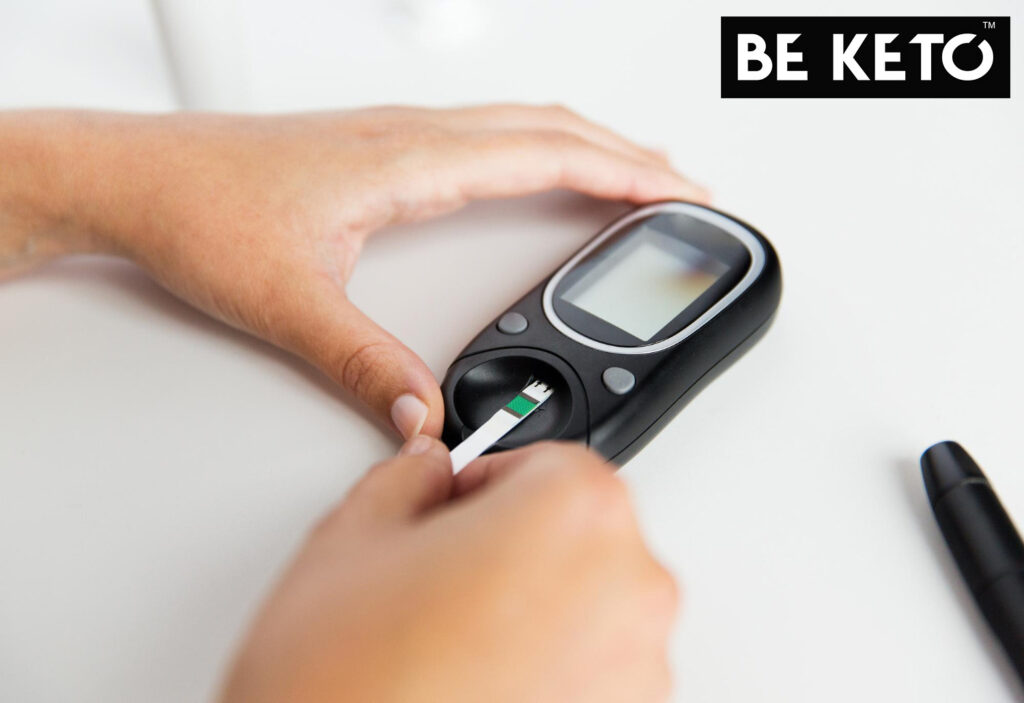
Three methods of measuring ketones: (1) blood ketone meter (the gold standard) — measures BHB in mmol/L, the most accurate, (2) urine strips — measure acetoacetate, the cheapest, but lose accuracy after keto-adaptation [4]; (3) breath analysers — measure acetone in ppm, non-invasive, moderate accuracy. For long-term monitoring, get precise readings with a ketone meter to measure your levels accurately — it delivers reliable results regardless of your adaptation stage.
Urine strips show ketones excreted by the body, not current blood levels. After keto-adaptation, cells efficiently utilise ketones rather than excreting them, which produces falsely low readings despite actual ketosis. Choose the tool that matches your needs and budget.
What Level of Ketones in Urine Indicates Ketosis?
Urine ketone levels (mg/dL): negative/trace (<5) = no ketosis, low (5–15) = onset of ketosis, moderate (15–40) = mild to moderate ketosis, high (40–80) = deeper ketosis, very high (>80) = deep ketosis or dehydration. Blood testing is more accurate for long-term monitoring, but at the start of a keto diet you can reach for affordable ketone strips for regular monitoring.
Did you know that… ketone levels can fluctuate by as much as 1–2 mmol/L within a single day? Values are highest in the morning on an empty stomach after an overnight fast and drop after meals containing protein or carbohydrates. This is why consistency in testing time is crucial — compare results from the same point in the day to track trends rather than isolated readings!
What Factors Influence Your Ketone Levels?
Key factors affecting ketone readings: (1) carbohydrates — every gram above your personal threshold lowers ketones by stimulating insulin, (2) time since last meal — peak in the morning fasted after 10–12 hours without food, (3) physical activity — aerobic exercise raises ketones, intense anaerobic exercise (HIIT) temporarily lowers them, (4) hydration — dehydration falsely elevates readings, excessive hydration “dilutes” them [5]. Additionally: protein above 2 g/kg can lower ketones (gluconeogenesis), stress and poor sleep raise cortisol, and certain medications (metformin, SGLT2 inhibitors) raise ketones independently of diet.
After weeks or months of ketosis, levels may stabilise or drop — this is normal metabolic adaptation, not a problem. Cells become more efficient at utilising ketones, so fewer circulate in the blood.
When and How Often Should You Test Ketone Levels?
Testing frequency: first 2–4 weeks — daily, fasted in the morning (to confirm ketosis and learn your patterns). After one month — 2–3 times per week or as needed (suspicion of falling out, after a larger meal, when trying a new food). Best time: fasted in the morning after 10–12 hours without food (most stable readings) or 3+ hours after a meal (to gauge the impact of specific foods on ketones). Consistency in testing time is critical — compare results from the same point in the day, as levels naturally fluctuate throughout the 24-hour cycle.
What Is the Difference Between Ketosis and Ketoacidosis Levels?
Nutritional ketosis (0.5–3.0 mmol/L) and diabetic ketoacidosis (DKA, >10–15 mmol/L) are fundamentally different states: ketosis is safe and regulated by properly functioning insulin in healthy individuals; DKA is a dangerous condition with simultaneously high blood glucose (>13–15 mmol/L) and blood acidification (pH <7.3), occurring primarily in people with type 1 diabetes [6]. A healthy person with normal insulin production will not enter ketoacidosis from a ketogenic diet — insulin continuously regulates and limits ketone production to safe levels.
High ketone levels often raise safety questions — learn what’s safe and what’s concerning for a complete understanding of the differences and risks.
How Do Ketone Levels Change Through the Stages of Ketosis?
BHB evolution by stage: days 1–3 (glycogen depletion): rise from <0.2 to ~0.5 mmol/L. Days 3–7 (early ketosis): rapid increase to 1.0–2.0 mmol/L. Weeks 2–4 (full ketosis): peak levels of 1.5–3.0 mmol/L. Week 4+ (keto-adaptation): paradoxical drop to 0.5–1.5 mmol/L — a normal sign of adaptation, not failure. The post-adaptation decline results from cells utilising ketones more efficiently — you produce less because you need less for the same energy output, and you excrete less through the kidneys and lungs.
Lower ketone levels after 1–2 months are proof of metabolic success. Your numbers change as you progress through the stages of ketosis.
Can You Assess Ketosis Without Testing?
Physical symptoms indicating ketosis: keto breath (fruity or acetone-like odour — acetone excreted through the lungs), markedly reduced appetite (ketones influence ghrelin/leptin), stable energy without post-meal crashes, mental clarity and focus, increased thirst and frequent urination (ketone-driven diuresis). Can’t test regularly? These body signs indicate your ketone status, though they are less precise than objective tests. For the best picture, combine symptom observation with regular BHB measurement.
Bilbiography
View all