MCT Oil in Coffee: Benefits, Recipe, and How Much to Use
MCT oil in coffee elevates blood ketone levels to 0.5–0.8 mmol/L BHB within 60 minutes — equivalent to 12–16 hours of water fasting — while caffeine independently raises resting metabolic rate by 3–11% [2, 3, 6]. This combination, popularised as "Bulletproof coffee" by Dave Asprey in 2014 [1], works through a dual-fuel effect: caffeine stimulates the central nervous system for immediate alertness, whilst medium-chain fatty acids travel directly to the liver via the portal vein, producing beta-hydroxybutyrate (BHB) and acetoacetate (AcAc) that sustain energy and mental focus for 3–5 hours without glycaemic fluctuations [2, 3]. Together, MCT oil and caffeine burn an extra 100–150 kcal/day through increased diet-induced thermogenesis and the thermic effect of food — without any change in physical activity [3, 6].
Passionate about writing and a graduate in clinical dietetics. She is particularly interested in phytotherapy and the effects of ketogenic nutrition on cognitive brain function.
MCT oil in coffee gained mainstream popularity through Dave Asprey’s 2014 Bulletproof Diet — it combines caffeine’s CNS stimulation with the rapid ketone production of MCTs to produce 3–5 hours of crash-free energy [1, 2]. The combination works through a natural synergy: caffeine is a fast-acting central nervous system stimulant providing immediate alertness, whilst MCT oil delivers medium-chain fatty acids (C8 caprylic acid, C10 capric acid) that the liver rapidly converts into ketones — a clean, stable energy source without glycaemic fluctuations.
Together, they create an “extended-release” energy effect: caffeine provides the initial arousal, and ketones from MCT sustain mental focus for hours without the energy crash characteristic of sugar- or carbohydrate-based breakfasts [2, 3]. Coffee also acts as a natural carrier — the hot liquid facilitates MCT oil emulsification (especially when blended), creating a creamy, latte-like drink with improved mixing stability.
For many people, MCT oil coffee completely replaces breakfast, supporting intermittent fasting and reducing total daily calorie intake whilst maintaining stable energy and focus throughout the morning [3, 4].
Did you know that… caffeine alone increases metabolic rate by approximately 3–11%, whilst MCT adds a further 5% boost in diet-induced thermogenesis (DIT)? Together, they create a combination that can burn an extra 100–150 calories per day without any change in physical activity [3, 6].
MCT oil in coffee delivers four measurable benefits: fast and sustained energy (peak BHB 0.5–0.8 mmol/L within 60 min), enhanced mental clarity lasting 3–5 hours, appetite suppression via leptin and peptide YY upregulation, and accelerated ketosis — all arising from the synergy between caffeine and ketone metabolism [2, 3, 4].
Generates fast, sustained energy. MCTs bypass normal fat digestion — they travel directly to the liver via the portal vein and are rapidly converted into ketones (primarily BHB and AcAc) within 30–60 minutes [2, 3]. C8 caprylic acid converts to ketones 3× faster than C10, achieving peak BHB levels of 0.5–0.8 mmol/L — equivalent to 12–16 hours of water fasting. Combined with the immediate stimulating effect of caffeine (80–100 mg per cup), MCT oil coffee creates a two-phase boost: alertness from caffeine followed by hours of stable, ketone-powered energy. Studies measuring respiratory exchange ratio (RER) show that this dual-fuel metabolism reduces reliance on glucose by up to 20% [3, 6].
Sharpens mental clarity and focus for 3–5 hours. Ketones readily cross the blood–brain barrier and fuel neurons without the metabolic variability of glucose [3, 5]. The caffeine–ketone combination is particularly effective for tasks requiring sustained concentration — BHB is a more efficient neuronal fuel than glucose per unit of oxygen consumed. MCT oil also exhibits neuroprotective properties; preliminary studies link regular MCT consumption to reduced risk of cognitive decline and Alzheimer’s-related symptoms [5].
Attenuates hunger by modulating satiety hormones. MCT oil stimulates leptin and peptide YY — signalling fullness to the brain — whilst simultaneously suppressing ghrelin, the hunger hormone [4, 6]. Additionally, the fat content delays gastric emptying, prolonging satiety. One tablespoon of MCT oil adds approximately 115 kcal and 14 g of fat — modest compared with a full breakfast of 400–600 kcal.
Accelerates ketosis. MCT oil coffee delivers medium-chain fats that convert directly into ketones in the liver, measurably deepening ketosis — highly beneficial for those on a keto diet [2, 7]. MCT oil is particularly potent in the morning, when an overnight fast has depleted glycogen stores, priming the liver for immediate ketone synthesis. In a caloric deficit context, this accelerated ketone production amplifies fat oxidation throughout the day.
How to Make MCT Oil Coffee — Step by Step
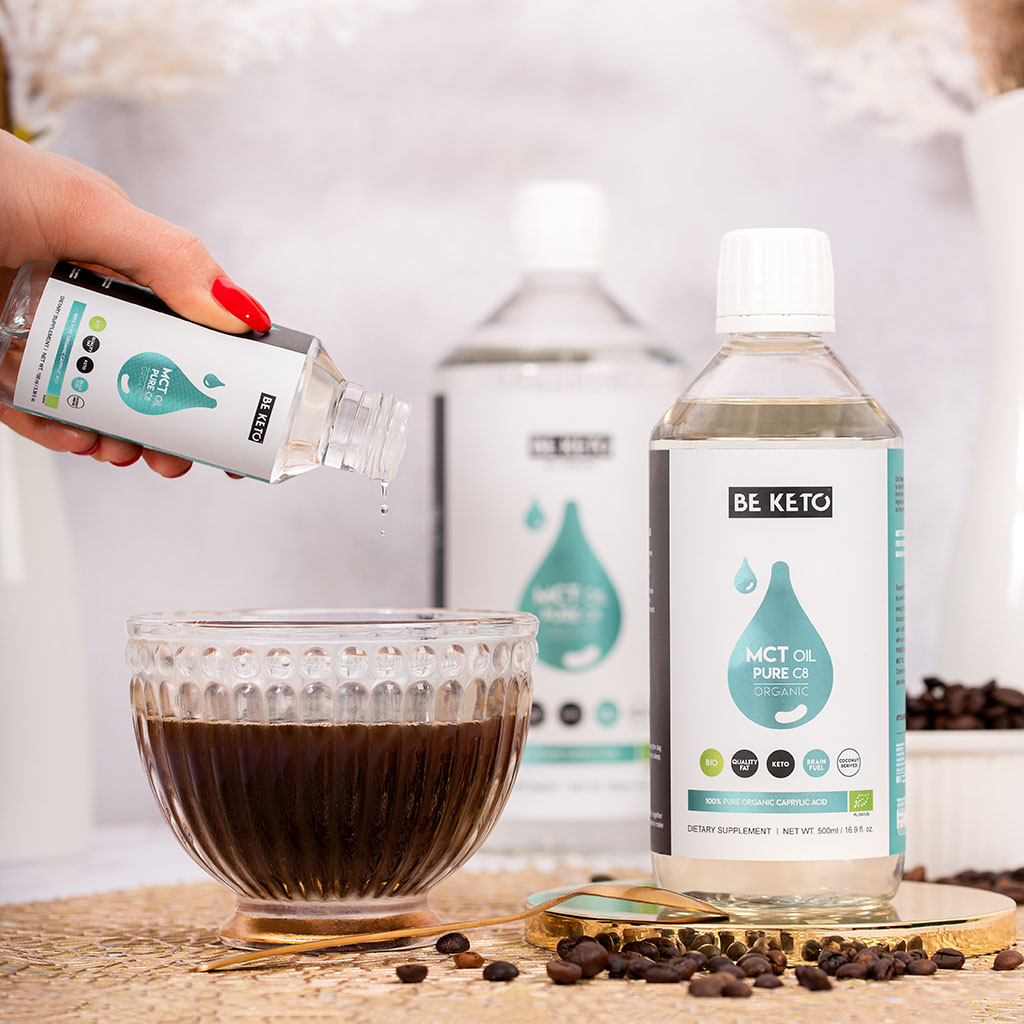
MCT oil coffee takes 90 seconds to prepare: brew 250 ml coffee, add 5–15 ml MCT oil, blend 20–30 seconds for complete emulsification — skipping the blender produces an undrinkable oily layer [1, 2].
Step 1: Brew 250–350 ml (8–12 oz) of hot coffee using your preferred method (filter, French press, espresso, moka pot). Use freshly ground beans for optimal flavour and antioxidant content.
Step 2: Add MCT oil — start with 1 teaspoon (5 ml) if you are a beginner. Experienced users can add up to 1 tablespoon (15 ml) for the full ketogenic effect.
Step 3: Blend for 20–30 seconds using a blender, immersion blender, or milk frother. This step is essential for proper emulsification — simply stirring with a spoon leaves a greasy layer floating on top. Blending emulsifies the oil into the coffee, creating a smooth, creamy texture resembling a latte [1, 2].
Step 4 (optional): Add 1 tablespoon of unsalted grass-fed butter or ghee for the original “Bulletproof” recipe. Other optional additions: a pinch of cinnamon, vanilla extract, or cacao for extra flavour.
Important: do not simply stir MCT oil into coffee with a spoon without blending. Without emulsification, the oil separates and forms an unpleasant greasy layer — proper blending is the difference between a creamy drink and a greasy residue [1, 2].
What Is the Best MCT Oil for Coffee?
Pure C8 (caprylic acid) MCT oil delivers the fastest ketone conversion — 3× faster than C10 — with a neutral taste and optimal gastrointestinal tolerance, making it the gold standard for coffee [2, 3]. The table below compares different types of medium-chain fatty acids for use in beverages:
MCT Type
Taste
Ketone Conversion
Mixing
Stomach Tolerance
Price
Pure C8 (caprylic acid)
Neutral
Highest (3× C10)
Requires blending
Good
Highest
C8+C10 blend
Neutral
High
Requires blending
Good
Medium
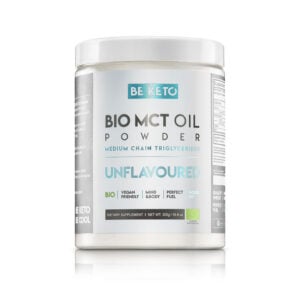
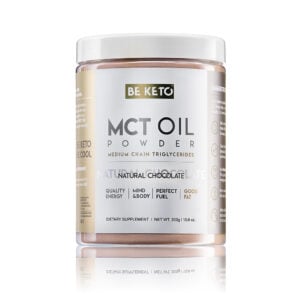
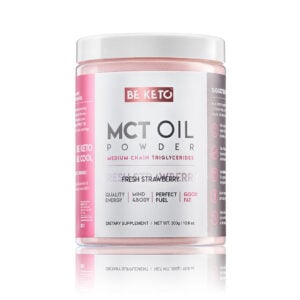
MCT powder
Neutral
Moderate
Easy (dissolves)
Best
Medium
With C6 (caproic acid)
Harsh
High
Requires blending
Poor
Lowest
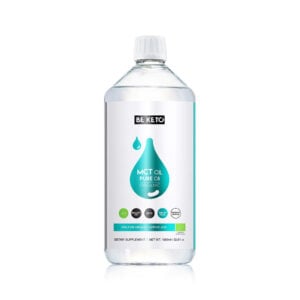
Pure C8 MCT oil (caprylic acid) is the gold standard of supplementation — it converts to ketones most efficiently, has a neutral taste, and is best tolerated by the digestive system [2, 3].
C8+C10 blends are slightly cheaper yet still deliver strong ketogenic effects with a balanced medium-chain fatty acid profile.
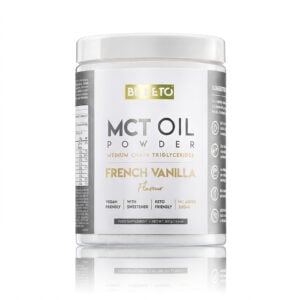
MCT powder dissolves more easily and is gentler on the stomach — ideal for beginners or those with sensitive digestion. It also works better in iced coffee due to superior mixing stability at low temperatures.
Avoid oils containing C6 (caproic acid) — it has a harsh, unpleasant taste and most commonly triggers gastrointestinal distress. For the fastest ketone conversion and cleanest taste, choose a pure C8 MCT oil for your morning coffee.
Did you know that… the term “Bulletproof coffee” was coined by Dave Asprey after a trip to Tibet, where he was inspired by the traditional drink of tea with yak butter? He adapted the recipe for the Western market, adding MCT oil and coffee instead of tea [1].
MCT oil produces approximately 3× more ketones per gram than coconut oil because coconut oil contains only ~15% C8+C10 MCTs, with ~50% being lauric acid (C12) which metabolises like a long-chain fatty acid [2, 5].
Parameter
MCT Oil (C8/C10)
Coconut Oil
Ketone production
High — 0.5–0.8 mmol/L BHB within 60 min
Low — C12 dominant, slow ketone conversion
Active MCT content
~100% C8+C10
~13% C8+C10 (remainder is C12 and long-chain)
Taste in coffee
Neutral — does not alter flavour
Coconut flavour (virgin) / mild (refined)
Mixing
Requires blending
Requires blending; may solidify in cold coffee
Best use in coffee
Ketogenic energy, fasting support
Flavour, general fat addition
For ketone production and clean taste in coffee, MCT oil is the clear winner. Coconut oil can complement coffee from a flavour perspective but is far less effective for raising blood ketone levels.
How Much MCT Oil Should You Add to Coffee?
Start with 1 teaspoon (5 ml) and work up gradually to a maximum of 1–2 tablespoons (15–30 ml) per serving [2, 3]. Most experienced users settle on 1 tablespoon as their daily coffee dose — this provides approximately 115 kcal and 14 g of medium-chain triglycerides, enough for meaningful ketone production without overwhelming the digestive system.
Beginners should spend at least the first week at 1 teaspoon to assess tolerance before increasing. The most common mistake is starting with a full tablespoon and experiencing digestive discomfort — patience during the adaptation phase pays off significantly in the long run.
What Are the Side Effects of MCT Oil in Coffee?
Most side effects of MCT oil coffee are digestive and dose-dependent — they are most common in beginners who increase the dose too quickly [8]:
Digestive discomfort: nausea, loose stools, or stomach cramps — particularly on an empty stomach or at doses above 1 tablespoon for beginners. Solution: start with 1 teaspoon and increase gradually.
Stimulation symptoms: jitteriness or a racing heart — the combination of caffeine (~80–100 mg per cup) with rapid ketone production has a doubly stimulating effect on the nervous system [8]. Solution: reduce the MCT dose or switch to decaffeinated or half-caf coffee.
Heart palpitations: rarely, rapid ketone production can cause a noticeable rapid heartbeat in sensitive individuals, particularly at doses above 15 ml.
LDL cholesterol response: whilst pure C8/C10 MCT oil has minimal impact on LDL cholesterol (medium-chain fats bypass the chylomicron pathway), individuals with familial hypercholesterolaemia should monitor lipid panels when supplementing daily [9].
Most symptoms are temporary and avoidable through gradual dose escalation of medium-chain fatty acids. If symptoms persist after 2 weeks of gradual introduction, consult a healthcare professional.
When Is the Best Time to Take MCT Oil in Coffee?
Morning on an empty stomach maximises MCT’s ketogenic effect — overnight fasting depletes glycogen stores, priming the liver for immediate ketone production from medium-chain fatty acids [2, 7].
MCT oil coffee is most effective in three scenarios:
As a morning fasting fuel (6:00–9:00 AM). After 8–12 hours of overnight fasting, the liver is primed for ketone production. MCT oil consumed at this point converts to BHB within 30–60 minutes, extending the metabolic fasting window while providing sustained energy [7].
Before cognitively demanding work (30–60 min prior). Peak BHB levels occur 60 minutes after MCT consumption. For optimal mental clarity, consume MCT coffee 30–60 minutes before focused work sessions — the caffeine–ketone combination sustains concentration for 3–5 hours [3, 5].
Pre-workout for endurance training (45–60 min prior). MCT oil provides an alternative fuel substrate to glycogen during moderate-intensity exercise. Athletes report improved endurance when consuming 15 ml MCT oil 45–60 minutes before training, as ketones spare glycogen reserves for high-intensity efforts.
Avoid MCT oil coffee after 2:00 PM — caffeine’s half-life of 5–6 hours can disrupt sleep architecture if consumed too late in the day.
MCT oil preserves the metabolic fasting state — it triggers zero insulin response and zero gluconeogenesis activation — but its ~115 kcal per tablespoon technically breaks a caloric fast and may reduce autophagy [4, 7].
MCT oil contains zero carbohydrates and zero protein — it does not stimulate insulin secretion, so it does not interrupt a metabolic fast in terms of ketosis or fat burning. For most practitioners of intermittent fasting, MCT oil in coffee is compatible because it maintains the ketogenic state whilst providing energy and suppressing hunger [4, 7].
For strict fasting focused on autophagy (cellular self-repair), any caloric intake — including MCT — may attenuate the autophagic process. If maximising autophagy is your goal, stick to plain black coffee without MCT. For a complete breakdown of when MCT oil enhances fasting and when to skip it, see our guide on MCT oil and intermittent fasting.
FAQ
How Many Calories Does MCT Oil Add to Coffee?
One tablespoon (15 ml) of MCT oil adds approximately 115 kcal and 14 g of fat to coffee — all from medium-chain triglycerides (C8 and C10), with zero carbohydrates and zero protein [2, 4]. If you add grass-fed butter (1 tablespoon = ~100 kcal) or ghee (1 tablespoon = ~120 kcal) for the full Bulletproof recipe, the total calorie count reaches 215–235 kcal per cup. For comparison, a standard breakfast averages 400–600 kcal.
Can You Put MCT Oil in Iced Coffee?
Yes, but MCT oil can clump or separate in cold beverages because fat emulsification is significantly more difficult below 10°C [2]. First blend MCT oil with a small amount of hot water or warm coffee to emulsify the fat, then pour the mixture over ice. Alternatively, shake vigorously in a sealed bottle or use a handheld frother for 30 seconds. MCT powder dissolves more readily in cold beverages and is the preferred option for iced coffee.
Can MCT Oil Raise Cholesterol?
Pure C8/C10 MCT oil has minimal impact on LDL cholesterol because medium-chain fatty acids undergo direct liver metabolism via the portal vein, bypassing the chylomicron pathway [2, 9]. However, coconut oil (which contains ~50% lauric acid, C12) does raise LDL cholesterol measurably, as lauric acid is metabolised like a long-chain fat. If you have hypercholesterolaemia or are on lipid-lowering medication, choose pure C8 or C8+C10 MCT oil rather than coconut oil, and monitor your lipid panel periodically.
MCT Oil vs MCT Powder — Which Is Better for Coffee?
Liquid MCT oil produces higher peak ketone levels (0.5–0.8 mmol/L BHB) than MCT powder (~0.3–0.5 mmol/L) because powder formulations contain carrier agents (typically acacia fibre or maltodextrin) that dilute the active MCT concentration [2, 5]. However, MCT powder dissolves more easily (no blender needed), is gentler on the stomach, and travels better. For maximum ketogenic effect, choose liquid C8 MCT oil. For convenience and gastrointestinal tolerance, MCT powder is the better option — especially for iced coffee or on-the-go use.
Bilbiography
See all
[1] Asprey D. The Bulletproof Diet. Rodale Books. 2014.
[2] Bach AC, Babayan VK. Medium-chain triglycerides: an update. Am J Clin Nutr. 1982;36(5):950-962.
[3] St-Onge MP, Jones PJ. Physiological effects of medium-chain triglycerides: potential agents in the prevention of obesity. J Nutr. 2002;132(3):329-332.
[4] Stubbs BJ, et al. On the metabolism of exogenous ketones in humans. Front Physiol. 2017;8:848.
[5] Vandenberghe C, et al. Tricaprylin Alone Increases Plasma Ketone Response More Than Coconut Oil or Other Medium-Chain Triglycerides. Curr Dev Nutr. 2017;1(4):e000257.
[6] St-Onge MP, et al. Medium-chain triglycerides increase energy expenditure and decrease adiposity in overweight men. Obes Res. 2003;11(3):395-402.
[7] Harvey CJ, et al. The Effect of Medium Chain Triglycerides on Time to Nutritional Ketosis and Symptoms of Keto-Induction in Healthy Adults. J Nutr Metab. 2018;2018:2630565.
[8] Traul KA, et al. Review of the toxicologic properties of medium-chain triglycerides. Food Chem Toxicol. 2000;38(1):79-98.
[9] Eyres L, et al. Coconut oil consumption and cardiovascular risk factors in humans. Nutr Rev. 2016;74(4):267-280.
Adrianna Kalista
A graduate in clinical dietetics whose interests begin, not end, with the word diet. She has written specialist content on nutrition. She is fascinated by contemporary food culture, phytotherapy and the effects of the ketogenic diet on cognitive brain function. She promotes diet therapy and the nutritional treatment of disease.
To provide the best experiences, we use technologies like cookies to store and/or access device information. Consenting to these technologies will allow us to process data such as browsing behaviour or unique IDs on this site. Not consenting or withdrawing consent, may adversely affect certain features and functions.
Functional
Always active
The technical storage or access is strictly necessary for the legitimate purpose of enabling the use of a specific service explicitly requested by the subscriber or user, or for the sole purpose of carrying out the transmission of a communication over an electronic communications network.
Preferences
The technical storage or access is necessary for the legitimate purpose of storing preferences that are not requested by the subscriber or user.
Statistics
The technical storage or access that is used exclusively for statistical purposes.Przechowywanie techniczne lub dostęp, który jest używany wyłącznie do anonimowych celów statystycznych. Bez wezwania do sądu, dobrowolnego podporządkowania się dostawcy usług internetowych lub dodatkowych zapisów od strony trzeciej, informacje przechowywane lub pobierane wyłącznie w tym celu zwykle nie mogą być wykorzystywane do identyfikacji użytkownika.
Marketing
The technical storage or access is required to create user profiles to send advertising, or to track the user on a website or across several websites for similar marketing purposes.


 United KingdomCurrent regionDelivery within the United KingdomCurrency: Pound Sterling (£)
 GermanyDelivery within Germany and AustriaCurrency: Euro (€)
 FranceDelivery within France and BelgiumCurrency: Euro (€)
 ItalyDelivery within ItalyCurrency: Euro (€)
 PolandDelivery within Poland and EuropeCurrency: Zloty (PLN)
 Czech RepublicDelivery within the Czech Republic and SlovakiaCurrency: Czech Koruna (Kč)
 SpainDelivery within SpainCurrency: Euro (€)