OFFICIAL STORE IN THE UNITED KINGDOM
Change region/language
Select your preferred country/region:
Changing the country/region will empty your basket.
Existing customer accounts are allocated to regions.
OFFICIAL STORE IN THE UNITED KINGDOM

Select your preferred country/region:
Changing the country/region will empty your basket.
Existing customer accounts are allocated to regions.

OFFICIAL STORE IN THE UNITED KINGDOM
Select your preferred country/region:
Changing the country/region will empty your basket.
Existing customer accounts are allocated to regions.


Cardiovascular diseases (CVD) are the leading cause of death globally. The risk of a heart attack or stroke increases [1] significantly with excessive carbohydrate intake or improper insulin management in diabetics . This article explores the relationship between the ketogenic diet and heart disease, highlighting its potential benefits and addressing common concerns.

Embarking on a ketogenic diet often raises questions about lifestyle choices, particularly when it comes to social events involving alcohol. This guide addresses the concerns you might have about alcohol consumption while striving to lose weight and maintain ketosis. It's widely understood that alcohol, devoid of nutrients yet high in empty calories, can impede fat burning and overall weight loss efforts.

The ketogenic diet, commonly referred to as "keto," has surged in popularity as more than just a weight loss strategy; it's a comprehensive lifestyle change that promises a multitude of health benefits. Designed to shift your metabolism from relying on glucose to using fat as its primary energy source, this diet involves a drastic reduction in carbohydrate intake, paired with a significant increase in fat consumption. This metabolic adjustment not only aids in weight loss but has also been linked to benefits such as enhanced mental clarity, improved energy levels, and potential therapeutic effects on chronic conditions like Alzheimer’s, epilepsy, and diabetes.

Discover the different types of ketogenic diets in our guide. Whether you're an athlete, looking to lose weight, or just starting your keto journey, this article outlines the Standard, Targeted, Cyclical, and High-Protein Ketogenic Diets to help you choose the right approach for your lifestyle and fitness goals. Dive into our detailed exploration to tailor your diet for optimal health and performance.

The ketogenic diet is used not only for specific health problems or because you want to feel better, but also because of its effectiveness in weight loss. Many overweight people decide to give up sugar and fight for their dream figure. Weight loss on the ketogenic diet involves two things: putting the body into a state of ketosis and a caloric deficit. If you stick to the guidelines, you can lose weight from 0.5-1kg per week, which is as much as is healthy for the human body.

The ketogenic diet’s popularity increased significantly over the past few years. First used as a treatment in drug-resistant children with epilepsy, it quickly became the go-to diet for those who are battling obesity and want to lose weight. Aside from a long list of health benefits such as increased cognitive performance, better memory function and elevated energy, the ketogenic diet is also therapeutic for those with several medical disorders.

Although the name may suggest it, the “keto flu” is not a real illness and it has nothing to do with the regular flu. The only reason for the name is perhaps the way you may feel while your body transitions from using glucose as a source of energy to using fat and ketones. This is a result of reducing your carbohydrate intake significantly.

You have been trying to lose weight on keto, but it’s just not happening. You cut out sugar, starchy carbs, included more vegetables and healthy fats into your diet - but you haven’t lost a single pound. Remember: DO NOT get discouraged. This is not the time to panic - perhaps the only thing you need to do is to implement small changes into your diet and adjust your body to adopt fat and ketones as fuel, instead of using glucose from carbohydrates.

You may have already read about the benefits of keto and how it can improve your daily life and health. While some researchers think high-fat, low-carb, ketogenic lifestyle change is just another trendy diet, there is an abundance of research that suggests otherwise.
Each person is different, therefore while keto may not be for some, it may be a life-changing revolution to you. There is concrete, solid research which suggests that keto helps those who suffer from epilepsy, neurodegenerative disorders such as Alzheimer’s and Parkinson’s, as well those with obesity-related diseases.

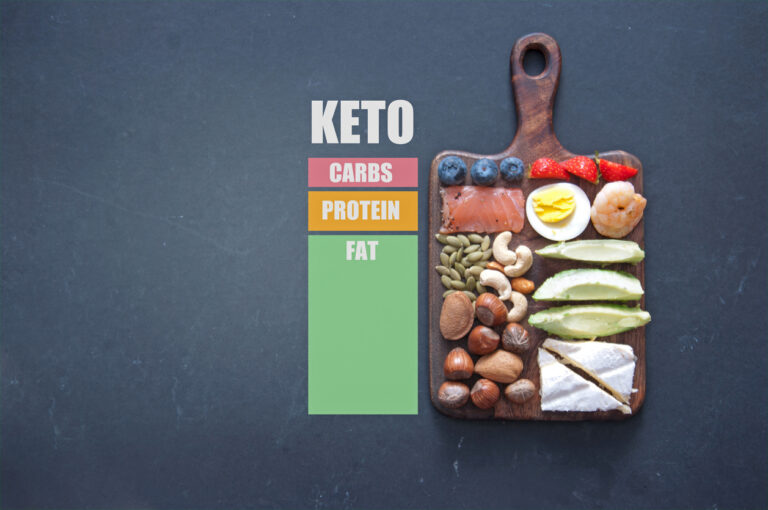
In this guide you will find detailed information on what to eat and what to avoid on a ketogenic diet. Although some of the rules may seem very restrictive and initially difficult to understand or remember, living a low-carbohydrate, high-fat lifestyle is much easier than you think.