Omega-3, 6 and 9 are three families of unsaturated fats, and omega-3 is usually the only one that falls short: Western diets supply an estimated 15 to 16.7 times more omega-6 than omega-3. EFSA set no ideal ratio. Omega-9 is not essential. A 3-6-9 blend adds fats you already eat; on keto, EPA and DHA from oily fish or algal oil are the key facts to compare.
Passionate about writing and a graduate in clinical dietetics. She is particularly interested in phytotherapy and the effects of ketogenic nutrition on cognitive brain function.
The difference between omega-3, 6 and 9 is where the first double bond sits and whether your body can make them: omega-3 includes ALA, EPA and DHA, omega-6 includes linoleic acid, and omega-9 includes oleic acid. Omega-3 and omega-6 are essential families because the body needs essential fatty acids from food, while omega-9 is not essential. EPA and DHA are made at the base of the marine food chain by microalgae and other marine microorganisms, and fish obtain them mainly from their diet, with limited, species-dependent production of their own [1]. EFSA has set an adequate intake for adults of 250 mg EPA plus DHA a day, and 0.5% of energy as ALA [5].
Family
Main fatty acids
Essential (body cannot make it)
Typical sources
Authorised GB claim for the family
Omega-3
ALA, EPA, DHA
yes (ALA)
oily fish, algae, flaxseed
yes: EPA and DHA (heart), DHA (brain, vision); ALA claim not used here
Omega-6
linoleic acid
yes
sunflower, corn and soybean oil, nuts
yes: linoleic acid claim, not used here
Omega-9
oleic acid
no
olive oil, avocado
none
The ALA and linoleic acid claims are not used in this article.
What is the right ratio of omega-3 to omega-6?
The right ratio of omega-3 to omega-6 has not been set, because EFSA deliberately gave no value for it. [4] The often quoted Western ratio of about 15:1 to 16.7:1 is a narrative estimate by one author, mainly about US diets, not a measured UK figure, and the ratio itself has been criticised as a measure [4]. What can be measured is the omega-3 index, the share of EPA and DHA in red blood cell membranes: zones proposed in 2004 classified below 4% as the highest coronary risk and above 8% as the lowest coronary risk, although the authors run testing laboratories [9]. In UK Biobank, which is not a representative sample, the mean index was estimated from plasma NMR as 5.58% in 117,108 participants [9].
Did you know? An omega-3 index target of 8 to 11% was proposed by its authors for one laboratory method (HS-Omega-3 Index); it is method-specific, not adopted by scientific societies, and the authors run testing laboratories.
Are omega-3-6-9 supplements worth taking?
Omega-3-6-9 supplements are worth taking only for their omega-3 part, because the authorised GB claims covered on our omega-3 benefits page are “EPA and DHA contribute to the normal function of the heart”, “DHA contributes to maintenance of normal brain function” and “DHA contributes to the maintenance of normal vision”. The effect is obtained with 250 mg EPA and DHA a day for the heart claim, and 250 mg DHA a day for the brain and vision claims [11]. Omega-9 has no authorised claim in Great Britain. The difference from plain omega-3 is the added omega-6 and omega-9, which a typical diet already supplies [4]. Check any omega-3-6-9 capsules for EPA plus DHA per daily serving against 250 mg, and alongside SACN’s UK population intake goal of 450 mg long-chain omega-3 a day [11][10]. In a scoping review of 13 RCTs from 2010 to 2020, ALA from high-dose flaxseed or echium oil did not raise the omega-3 index; ALA supplementation can raise EPA in blood but has little effect on DHA, while microalgal oil raised the omega-3 index in every included study [2].
Did you know? NDNS (years 9 to 11, 2016/17 to 2018/19) put mean oily fish intake at 56 g a week in adults aged 19 to 64, well below the recommended 140 g.
Do you need omega-6 and omega-9 on a keto diet?
On a keto diet you do not need extra omega-6 and omega-9 from supplements, because olive oil, avocado, nuts and meat already supply them. How much EPA and DHA a keto diet provides depends on food choice, oily fish versus meat, dairy, nuts and plant oils, which is why our omega-3 on keto guide looks at the diet specifically [3]. No human trials have tested omega-3 supplementation in adults on a ketogenic diet [3]. The NHS advises at least 2 portions of fish a week, including 1 of oily fish; a portion is around 140 g cooked, and most people in the UK do not eat this much [10]. If you do not eat oily fish, compare algal oil by EPA and DHA per serving.
Snacking on keto?
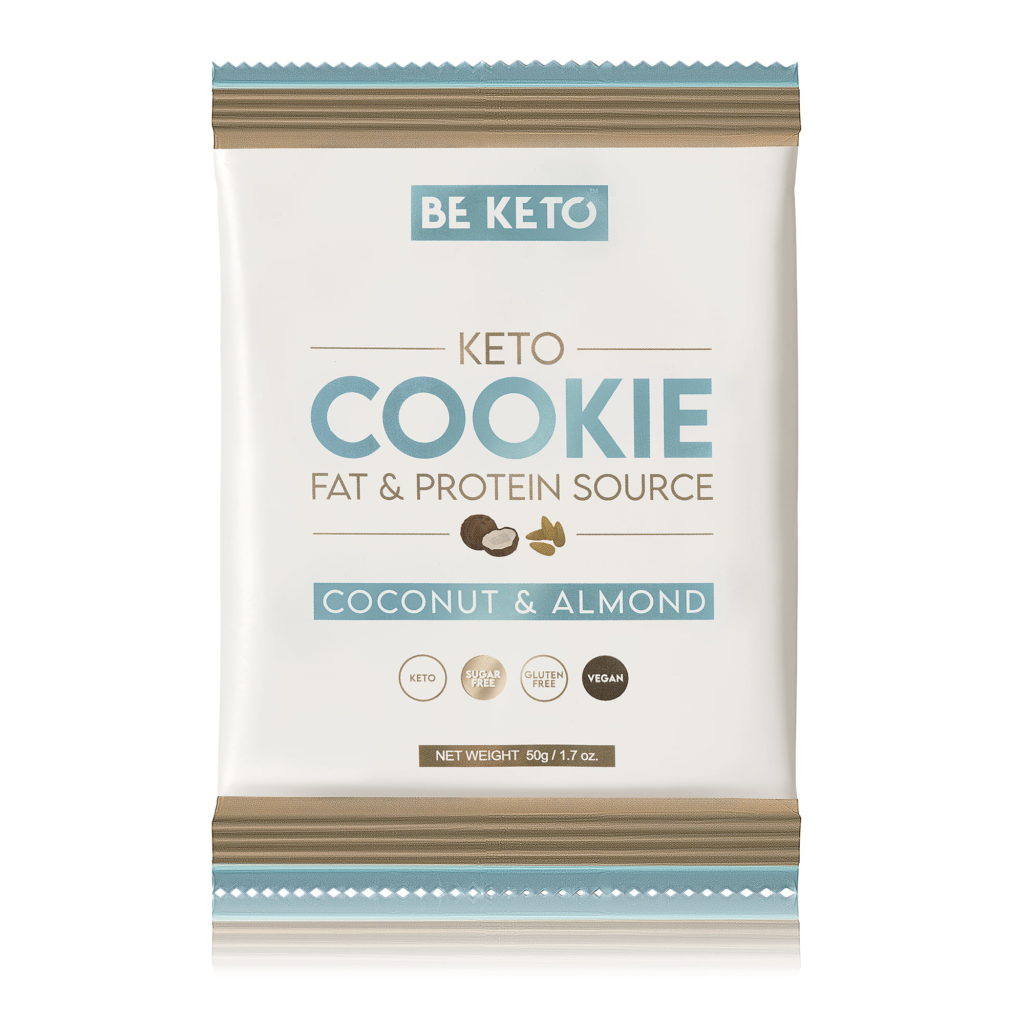
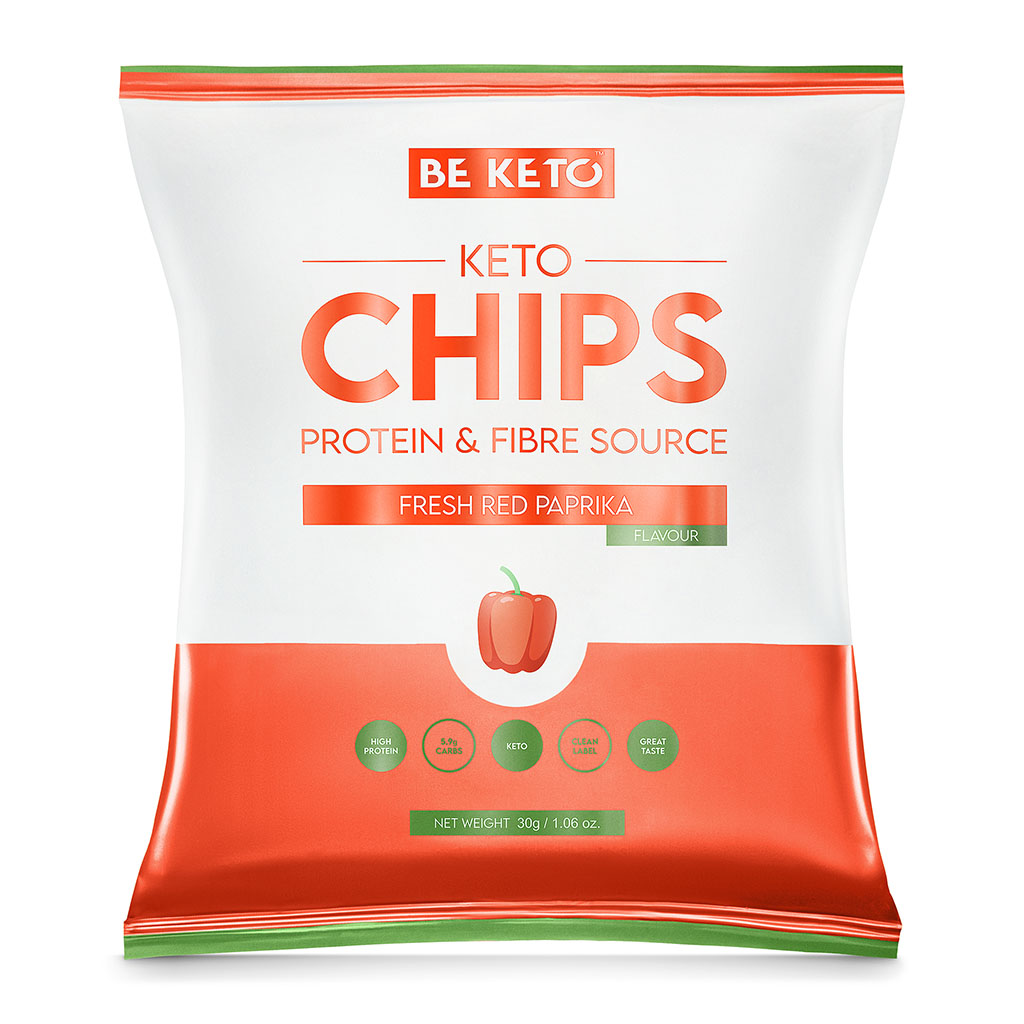
Olive oil, avocado and nuts already provide omega-6 and omega-9. For ready snacks, see keto crisps and cookies in the BeKeto shop.
Omega-3 alone or a 3-6-9 blend: which should you choose?
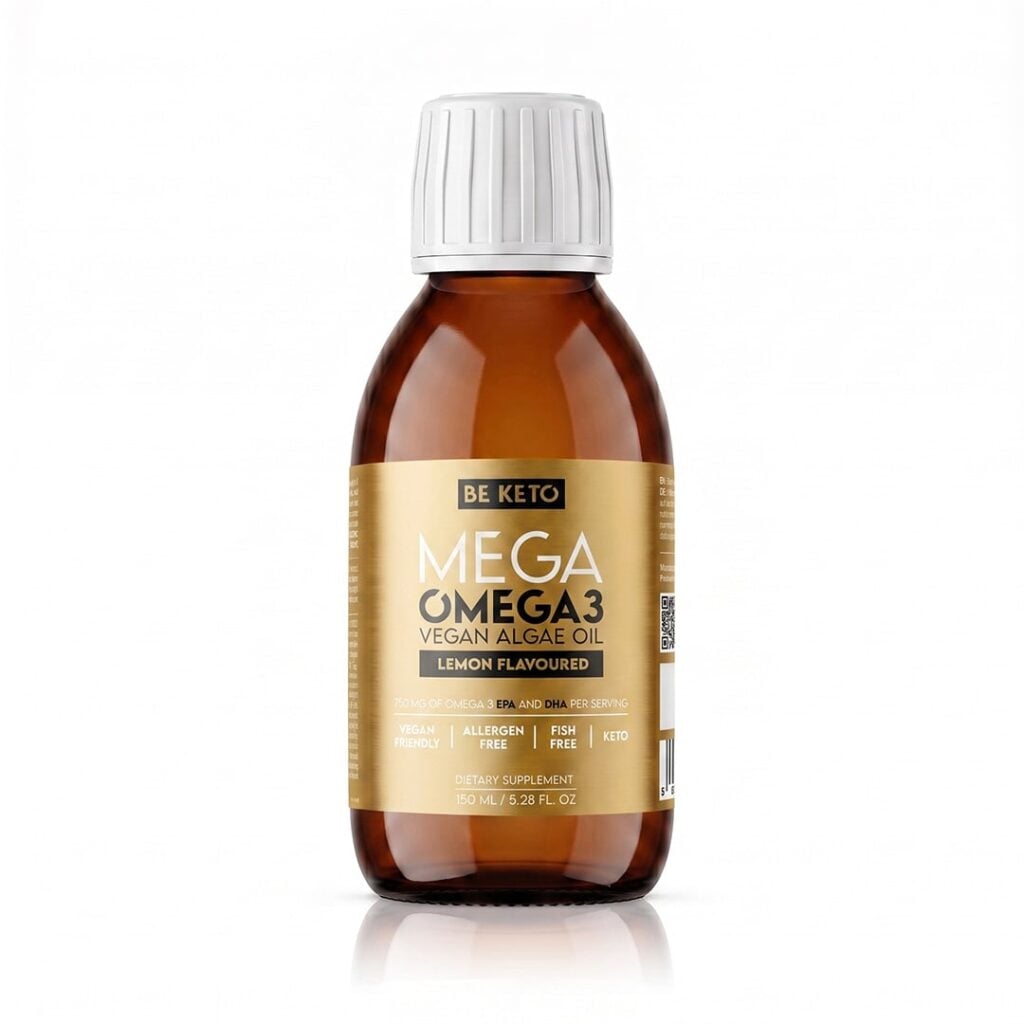
Choose omega-3 alone if your diet has plenty of plant oils, nuts or olive oil, and choose a blend only if you have checked that its EPA and DHA per serving reach 250 mg. [11] For keto, MEGA Omega 3 Vegan Algae Oil comes out best versus a 3-6-9 blend, because one 5 ml teaspoon gives 570 mg DHA and 185 mg EPA from Schizochytrium sp. microalgae, and the product is fish free and vegan [11]. “This product is intended for adults. Not for use by children or by women who are pregnant or breastfeeding. If you take anticoagulant medication or are due to have surgery, consult your doctor before use.” [11] Do not exceed the recommended 5 ml daily serving [11].
Looking for EPA and DHA only?
MEGA Omega 3 Vegan is a microalgae oil focused on EPA and DHA: one 5 ml teaspoon provides 570 mg DHA and 185 mg EPA.
This product is intended for adults. Not for use by children or by women who are pregnant or breastfeeding. If you take anticoagulant medication or are due to have surgery, consult your doctor before use.
Which foods contain omega-3, 6 and 9?
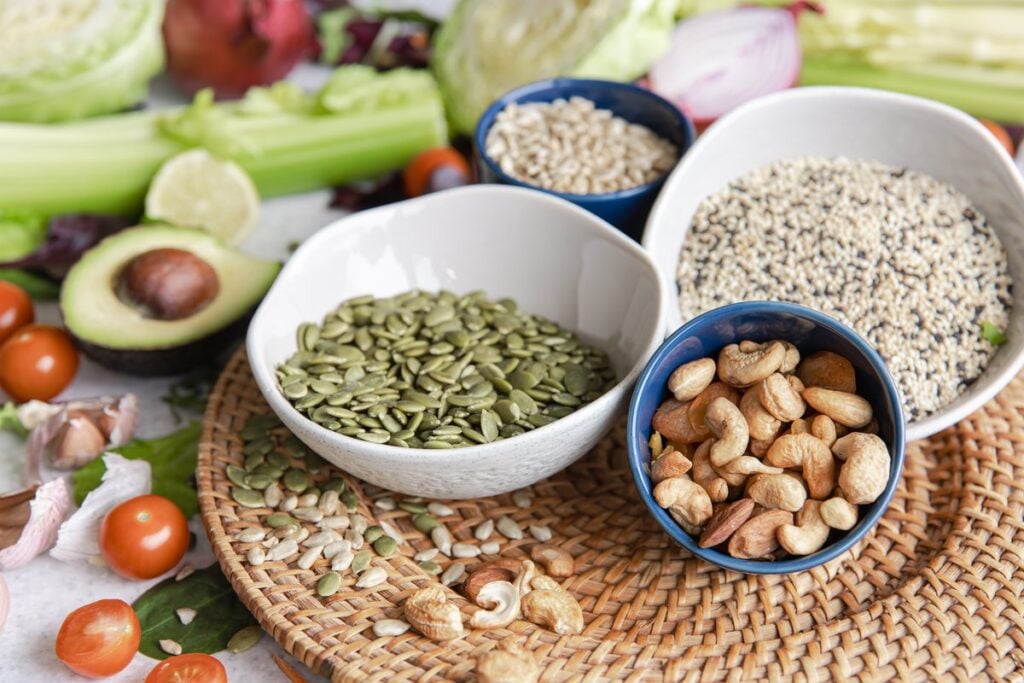
Which foods contain omega-3, 6 and 9 can be answered simply at family level: oily fish and algae give EPA and DHA, flaxseed gives ALA, plant oils and nuts give omega-6, and olive oil gives omega-9. [1][2] For more food examples, see our guide to omega-3 foods.
How much omega-3 a day do you need?
How much omega-3 a day do you need can usually be framed by two reference values: SACN’s UK population intake goal is 450 mg long-chain omega-3 a day, and EFSA’s adequate intake is 250 mg EPA and DHA. [10][5] For the detail, see how much omega-3 per day.
Frequently asked questions (FAQ)
What is omega 3, 6, 9 good for?
What is omega 3, 6, 9 good for is mainly what its omega-3 part delivers: “EPA and DHA contribute to the normal function of the heart”. The effect is obtained with a daily intake of 250 mg EPA and DHA [11]. Omega-9 has no authorised health claim in Great Britain.
Is it okay to take omega 3, 6, 9 every day?
Is it okay to take omega 3, 6, 9 every day depends on the serving stated on the label and your total EPA and DHA. EFSA found supplemental EPA and DHA combined up to 5 g a day raises no safety concern for adults, but that is not a recommendation [6]. Follow the serving instructions on the label.
What are the side effects of omega 3, 6, 9?
What are the side effects of omega 3, 6, 9 comes mainly down to the omega-3 dose. In 8 RCTs involving 83,112 people, omega-3 was linked to more atrial fibrillation in a dose-dependent way: about 12% more at up to 1 g a day and about 51% more above 1 g a day, mainly in people with heart disease or high risk [8]. In 11 trials involving 120,643 people, bleeding did not increase, with a rate ratio of 1.09, not statistically significant [8].
Does omega-6 cause inflammation?
Does omega-6 cause inflammation is not established from the evidence used here. The concern rests on the high Western omega-6-to-omega-3 ratio, which is an estimate, and EFSA set no ratio limit [4]. Cutting omega-6 is not the same as adding EPA and DHA.
Does omega-3 reduce LDL cholesterol?
Does omega-3 reduce LDL cholesterol? Omega-3 does not reduce LDL cholesterol: DHA at 2 g a day or more raised LDL by about 0.19 mmol/L versus placebo in a meta-analysis of RCTs of EPA or DHA alone, while EPA did not [7]. Total cholesterol did not fall overall in 64 RCTs [7].
Discover more in the BeKeto keto shop
Besides supplements, the shop has keto vitamins, snacks and bread.
Read us regularly? Add BeKeto as a preferred source on Google to find our articles more easily in your search results.
Adrianna Kalista
A graduate in clinical dietetics whose interests begin, not end, with the word diet. She has written specialist content on nutrition. She is fascinated by contemporary food culture, phytotherapy and the effects of the ketogenic diet on cognitive brain function. She promotes diet therapy and the nutritional treatment of disease.
To provide the best experiences, we use technologies like cookies to store and/or access device information. Consenting to these technologies will allow us to process data such as browsing behaviour or unique IDs on this site. Not consenting or withdrawing consent, may adversely affect certain features and functions.
Functional
Always active
The technical storage or access is strictly necessary for the legitimate purpose of enabling the use of a specific service explicitly requested by the subscriber or user, or for the sole purpose of carrying out the transmission of a communication over an electronic communications network.
Preferences
The technical storage or access is necessary for the legitimate purpose of storing preferences that are not requested by the subscriber or user.
Statistics
The technical storage or access that is used exclusively for statistical purposes.Przechowywanie techniczne lub dostęp, który jest używany wyłącznie do anonimowych celów statystycznych. Bez wezwania do sądu, dobrowolnego podporządkowania się dostawcy usług internetowych lub dodatkowych zapisów od strony trzeciej, informacje przechowywane lub pobierane wyłącznie w tym celu zwykle nie mogą być wykorzystywane do identyfikacji użytkownika.
Marketing
The technical storage or access is required to create user profiles to send advertising, or to track the user on a website or across several websites for similar marketing purposes.


 United KingdomCurrent regionDelivery within the United KingdomCurrency: Pound Sterling (£)
 GermanyDelivery within Germany and AustriaCurrency: Euro (€)
 FranceDelivery within France and BelgiumCurrency: Euro (€)
 ItalyDelivery within ItalyCurrency: Euro (€)
 PolandDelivery within Poland and EuropeCurrency: Zloty (PLN)
 Czech RepublicDelivery within the Czech Republic and SlovakiaCurrency: Czech Koruna (Kč)
 SpainDelivery within SpainCurrency: Euro (€)